
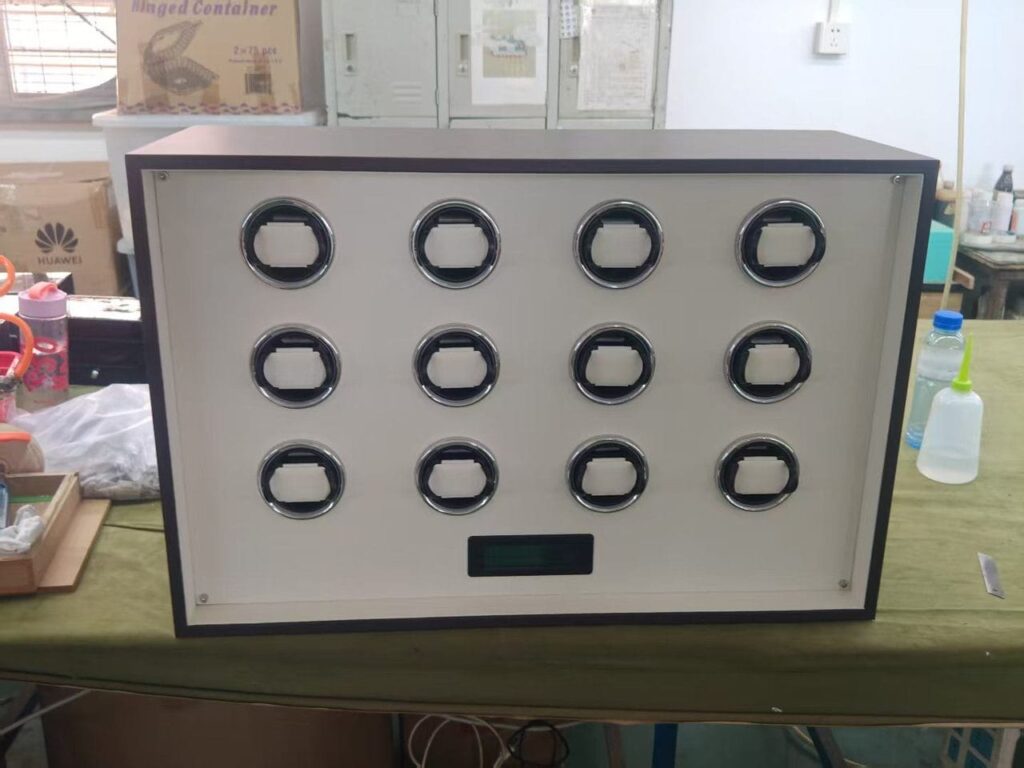
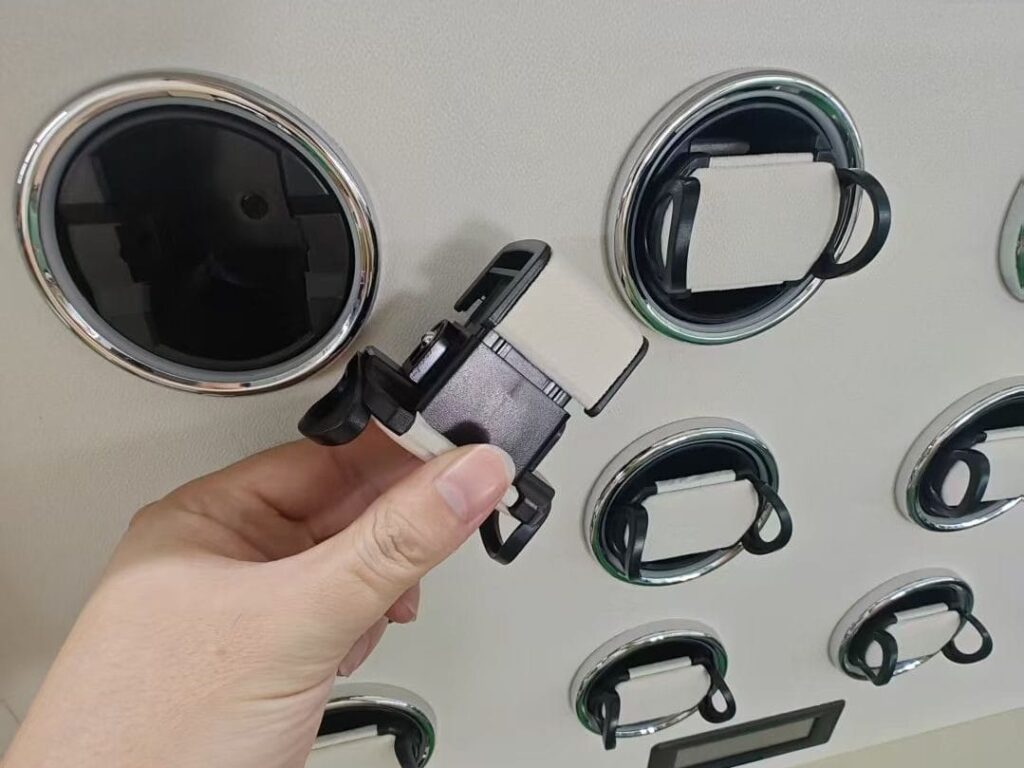
The deposit is wired, the “confirmed” sample photos look perfect, and three weeks later your production run arrives with motors that hum at twice the promised decibel level. If that scenario sounds familiar, you’re not alone — and you’re not choosing between “good factory” and “bad factory.” You’re choosing between a factory that can prove its process and one that’s asking you to trust it blind.
The stakes are only getting higher. The global automatic watch winder market was valued at roughly USD 1.74 billion in 2025 and is projected to climb toward USD 2.85 billion by 2034 — a 7.5% compound annual growth rate driven by a swelling base of mechanical-watch collectors who need reliable winding, storage, and display solutions. (Source: Intel Market Research) More brands are entering this category every quarter, and nearly all of them are sourcing from China. That means more factories competing for your order — and a wider gap between the ones that can actually deliver and the ones that can only talk about it.
Here’s the checklist we’d hand a first-time buyer before they wire a single deposit.
1. Are You Talking to a Factory, or a Trading Company Wearing a Factory’s Name?
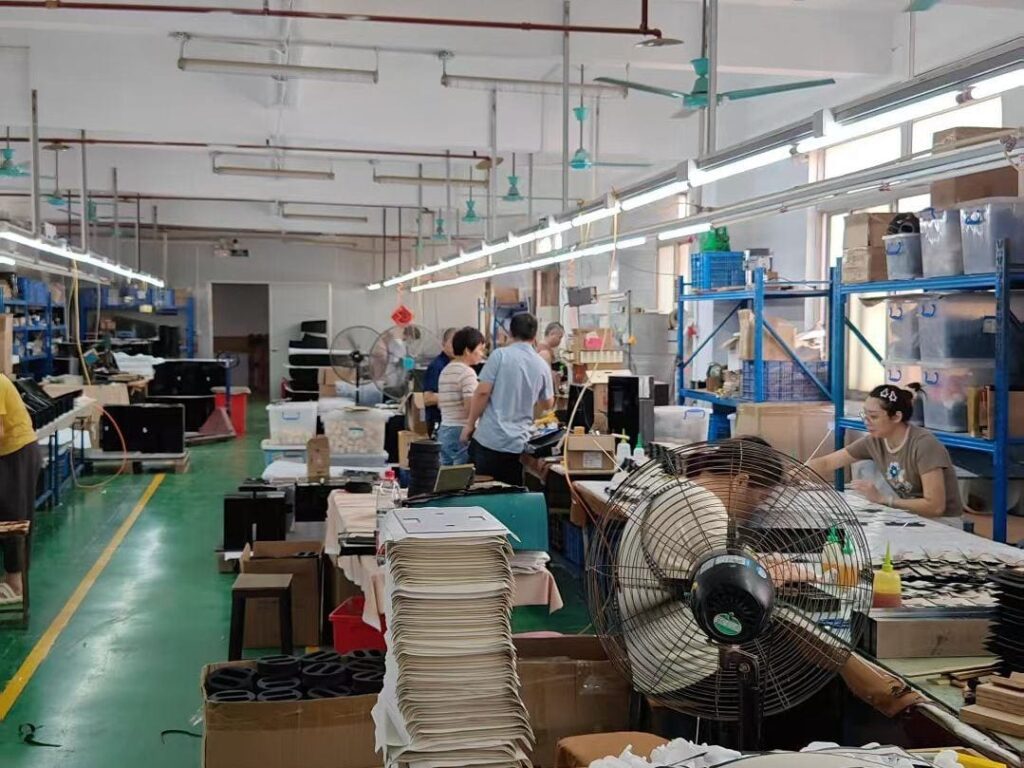
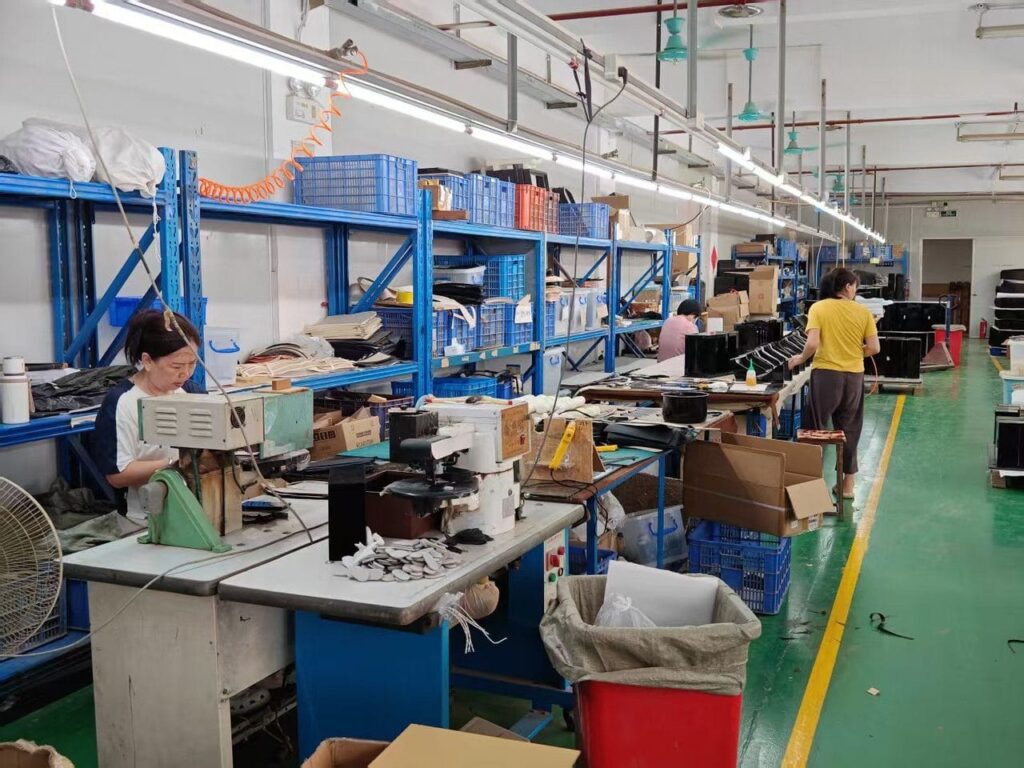
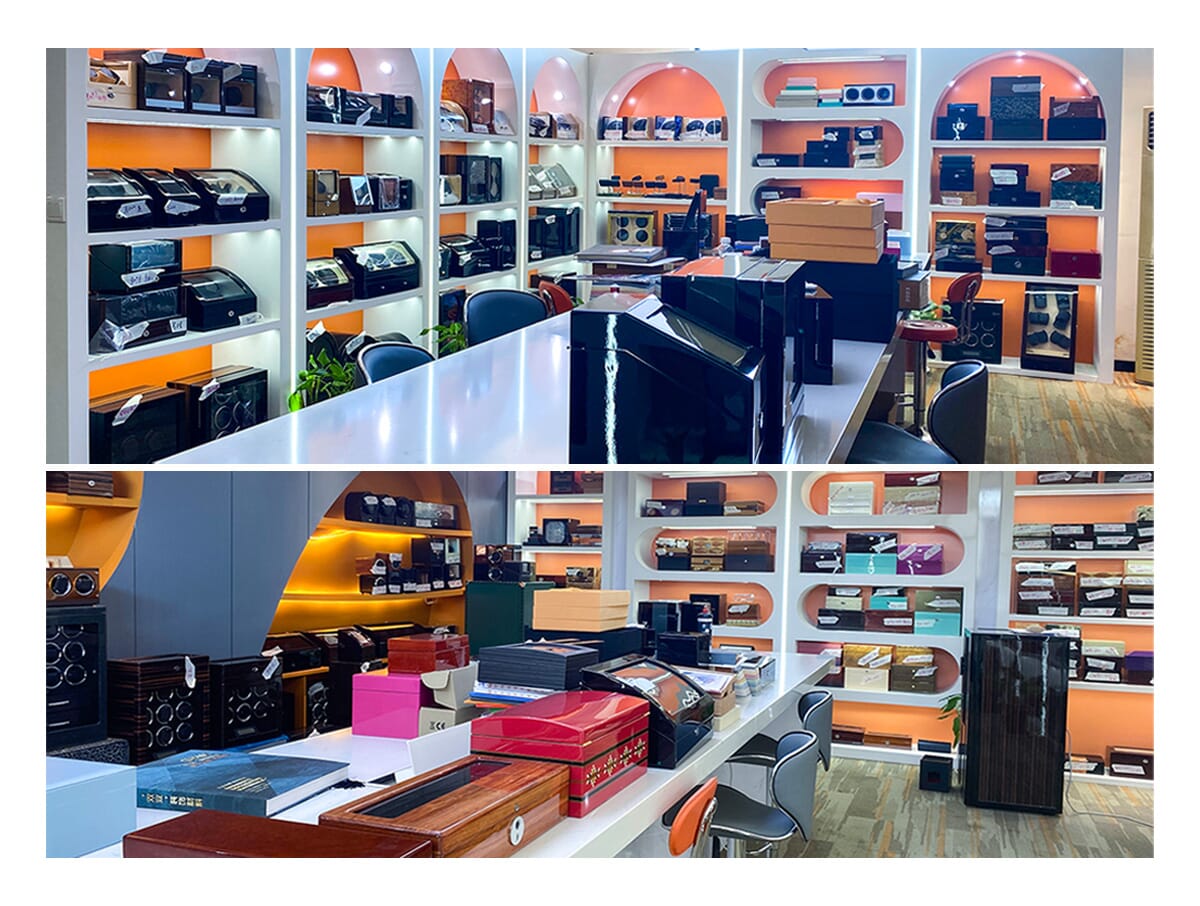
This is the single question that filters out the most risk. Ask directly: “Can I schedule an on-site or live video walkthrough of your production floor?” A genuine manufacturer will offer this without hesitation — workshop, paint line, motor assembly bench, QC station, all of it. A trading company relaying your order to a subcontractor will stall, redirect, or offer only curated photos. T.WING-PAK operates a 3,000-square-meter standardized workshop in Nansha District, Guangzhou, with 100+ production staff, and takes both scheduled visits and video inspections as a matter of course.
2. Can They Explain the Motor Spec — Not Just Quote It?
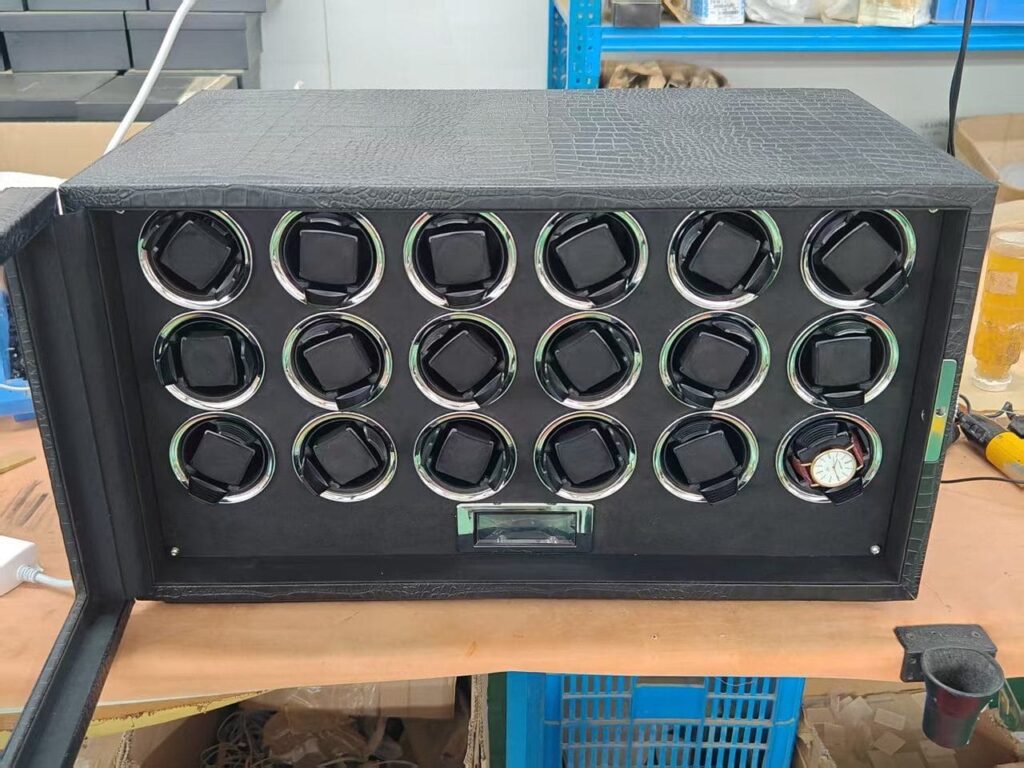
“Silent motor” is marketing language. TPD (turns per day) range and decibel rating are engineering facts. A factory that understands its own hardware should tell you, unprompted, what motor brand it uses, what TPD range it supports (typically 300–2,200 for multi-directional programs), and what noise level to expect at the wrist-holder. Japanese-sourced motors such as Mabuchi are the industry benchmark for sub-10dB operation — quiet enough to sit on a nightstand without becoming a nuisance.
3. Ask About the Lacquer Process, Not Just the Finish Photo
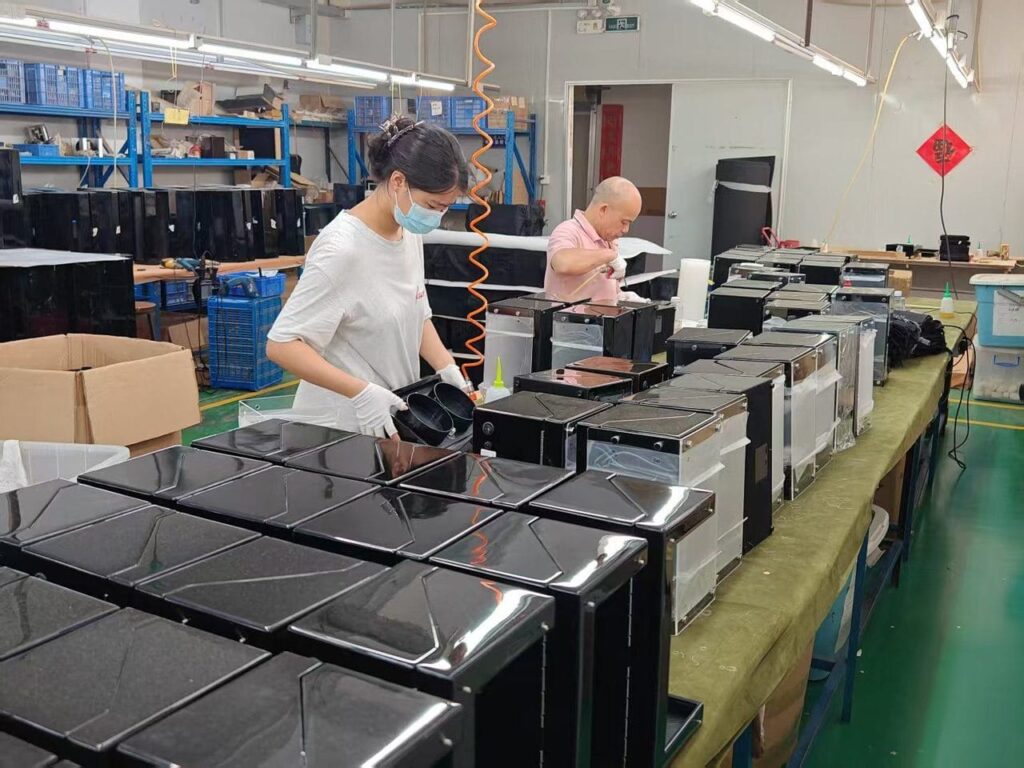
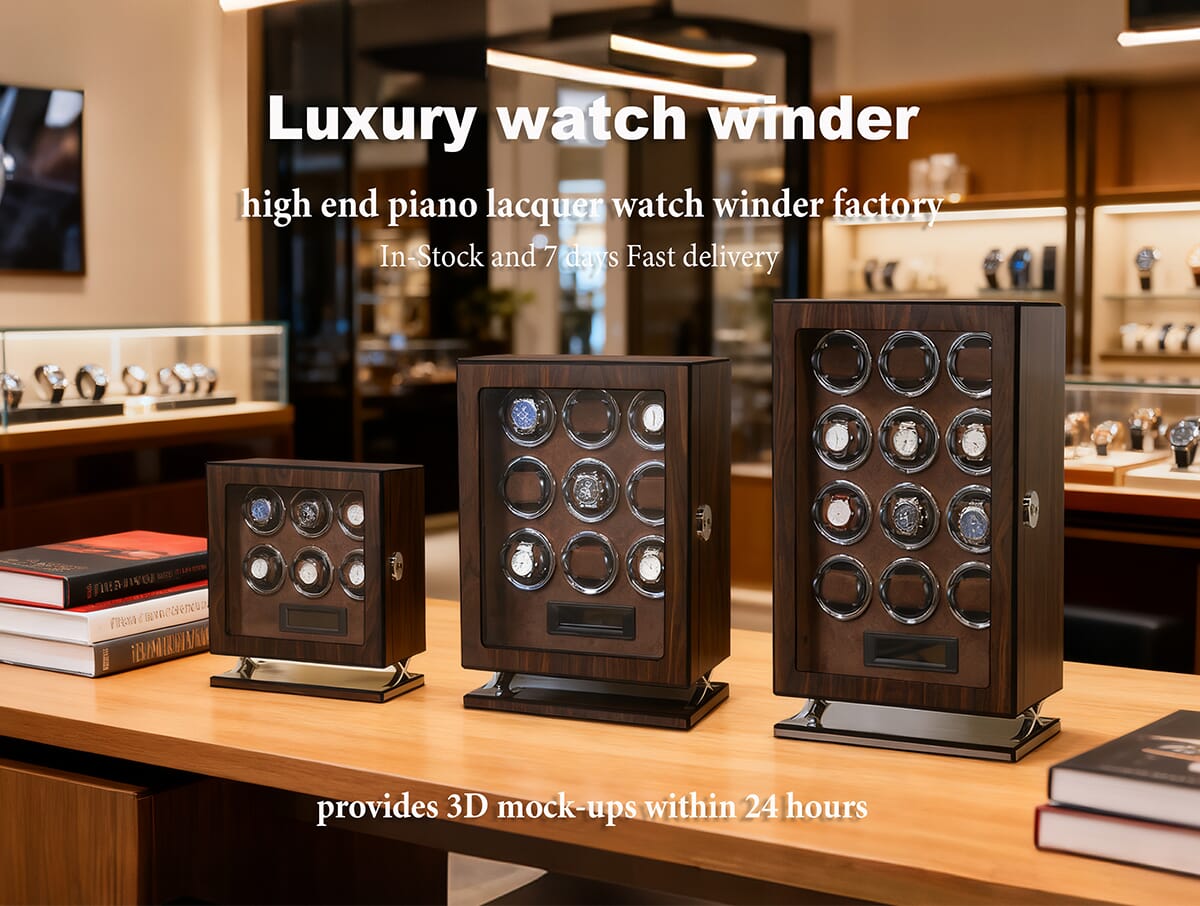
A glossy photo tells you nothing about durability. Ask how many coats of piano lacquer go into the finish. Entry-level workshops often stop at a handful of coats, which shows micro-scratching and dulls within a year or two of daily handling. A serious finishing line runs 12–13 coats, building the layered depth that keeps the surface looking new for years rather than months.
4. Get the QC System in Writing — Not Just “We Check Quality”
Every supplier says they check quality. Ask for the actual checkpoints: incoming material inspection (IQC), in-process inspection (IPQC), and outgoing quality control (OQC) before packing. Ask what percentage of units get individually inspected — 100% inspection, not sample-based spot checks, is the standard to insist on for a category where a single faulty motor can trigger a warranty claim months later. A factory running a 48-hour motor aging test before shipment is doing the extra step that catches inconsistent units before they ever leave the building, which is how defect rates get held at or below 2% instead of the industry’s more common mid-single digits.
5. Test Their MOQ Flexibility Against Your Real Order Size
If you’re testing a new SKU or a new market, you don’t want to commit to a container-load minimum before you know it sells. Ask what the minimum order quantity is for a customized design specifically — not their advertised “low MOQ” for stock items. A factory built for OEM/private-label work should be able to support first orders from around 100 units, then scale with you toward six-figure annual volumes without renegotiating their entire production process.
6. Confirm the Certifications That Actually Matter for Your Market
UL and CE aren’t optional stickers — they’re what gets your shipment through customs and onto retail shelves in North America and Europe without a compliance flag. RoHS confirms the electronics are free of restricted hazardous substances, and FSC certification matters increasingly to brands whose customers ask where the wood came from. Ask to see the certificates, not just the logos on a slide deck.
7. Measure Design and Sampling Speed Against What They Promise
Speed claims are cheap; delivered timelines are not. A factory with an in-house design and prototyping team should be able to turn your brief into a first 3D concept render within about 8 hours, with a physical sample following within days rather than weeks. If a factory can’t commit to a specific number here, that’s a scheduling gap you’ll inherit later — usually right before your own launch deadline.
| What to verify | Benchmark worth asking for |
|---|---|
| Motor noise level | <10dB (Japanese Mabuchi-class motor) |
| TPD range | 300–2,200, adjustable |
| Lacquer coats | 12–13 coats, piano-gloss finish |
| Defect rate | ≤2%, with 100% unit inspection |
| MOQ (customized) | From ~100 units |
| 3D design turnaround | ~8 hours for first concept render |
| Certifications | UL / CE / RoHS / FSC |
What This Looks Like in Practice
We built this checklist from the questions our own OEM clients ask before they commit — distributors in North America who need certified anti-magnetic, silent motors; European boutique brands who need a piano-lacquer finish that survives years of retail handling; and private-label sellers testing a first 100-unit order before scaling toward six-figure annual volumes. Nineteen years of running that process end-to-end is what lets a factory answer every item on this list without a pause. You can see how the full production and design capability comes together on our manufacturing capabilities page.
Tell Us What You’re Sourcing
What’s the hardest part of vetting a watch winder factory from overseas — the sample lead time, the motor specs, or the MOQ negotiation? Drop a comment or send us your current spec sheet and we’ll tell you plainly whether it’s a fit, no sales pitch required. We reply to every message personally.
Leave a Comment