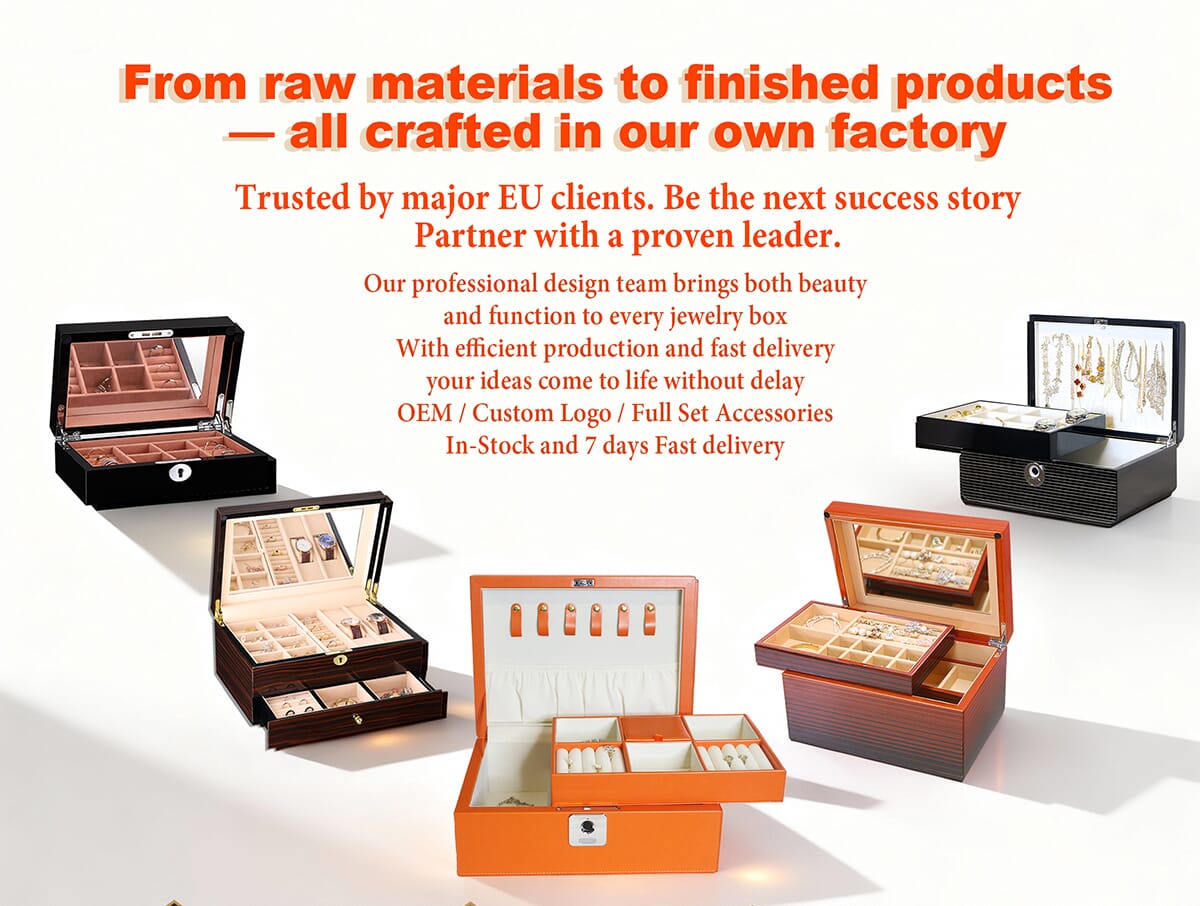
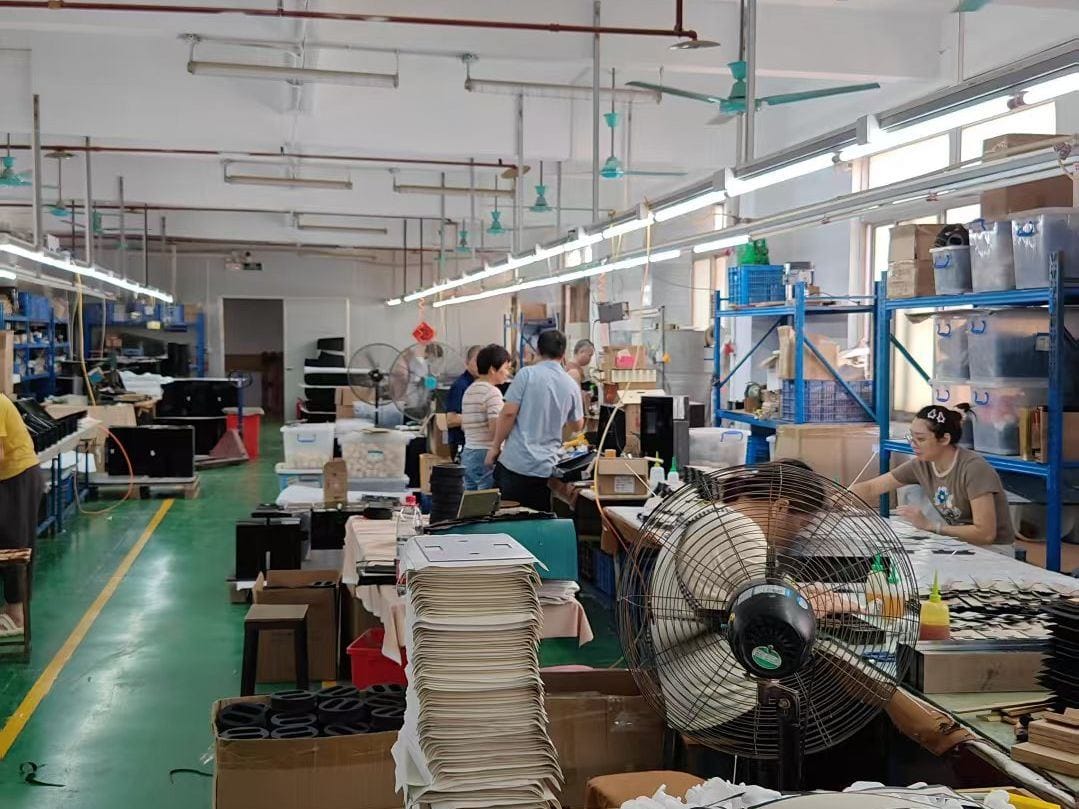
Selecting an OEM watch winder manufacturer affects your product quality, return rate and brand reputation for years. This guide gives brand owners, wholesalers and retailers a practical checklist for evaluating a watch winder supplier, covering motor quality, turns-per-day (TPD) control, magnetic safety, sampling and communication. Use it to shortlist factories faster and to ask better questions before you place an order.
What a Reliable Watch Winder Factory Must Get Right
A watch winder looks simple, but it is a small precision device. It holds an automatic watch on a rotating cushion and moves it in a programmed pattern so the rotor keeps the mainspring topped up. Automatic watches typically hold a power reserve of about 36 to 48 hours, which is why a watch left untouched for several days will stop (T3). A winder exists to prevent that stop, so the core job of any supplier is to deliver controlled, quiet and safe rotation.
1. Motor and drive system
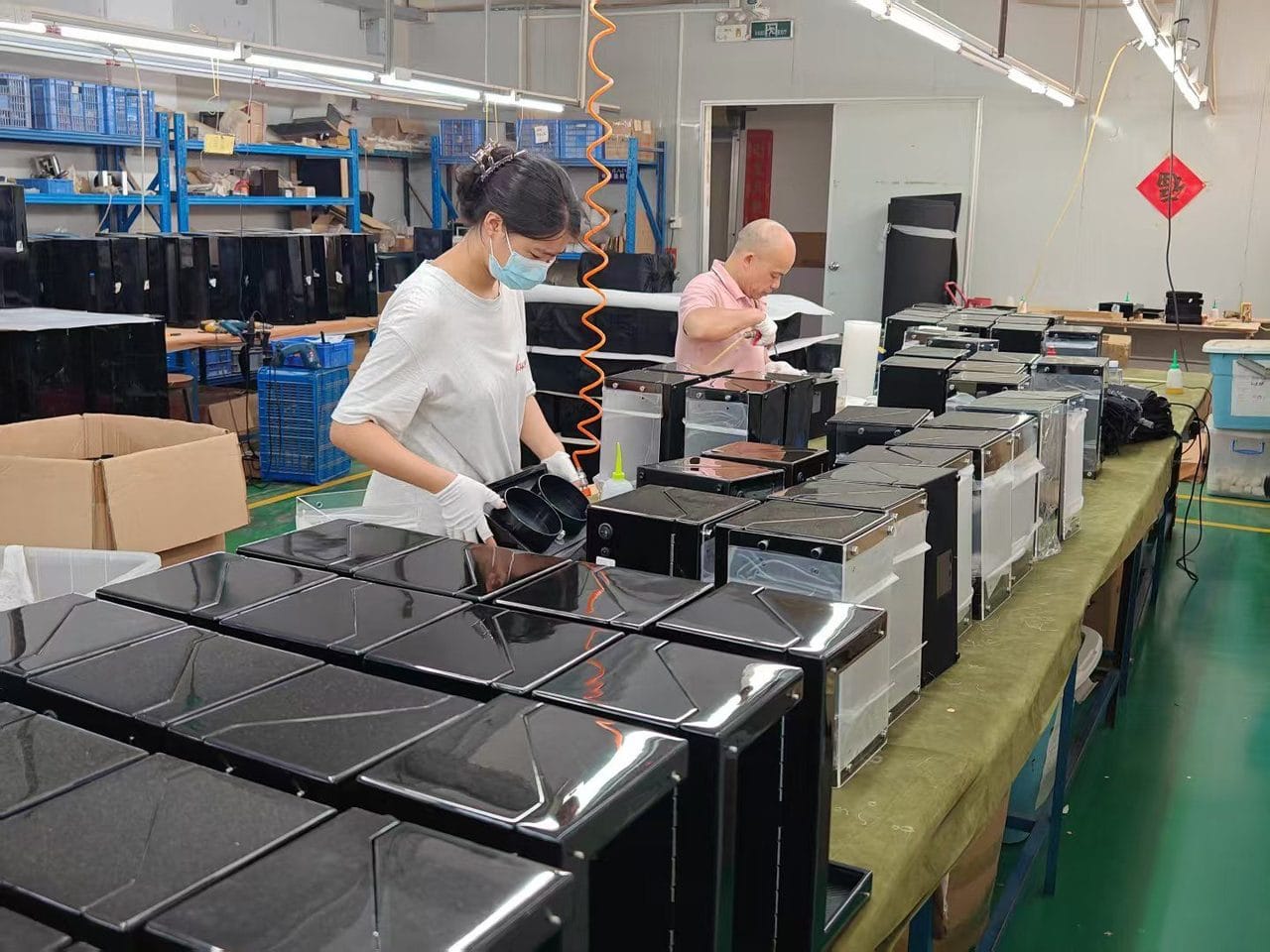
The motor determines noise, lifespan and rotation accuracy. Ask which motor type is used, the rated service life and whether the motor is tested under continuous operation. Request a short video or sample that lets you listen to the winder in a quiet room, because noise complaints are among the most common reasons buyers reject a unit.
2. TPD and direction control
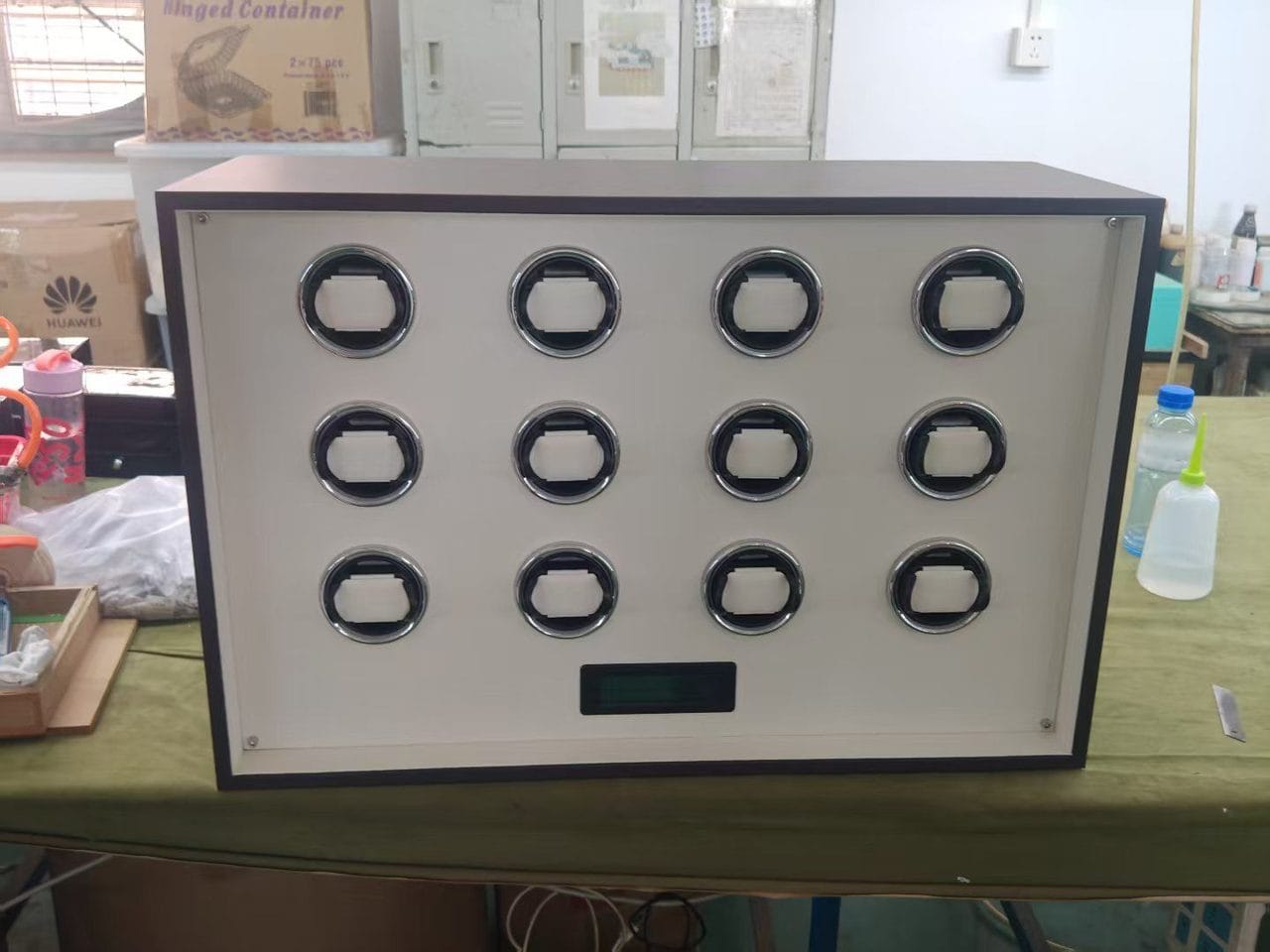
Different movements need different winding settings. Many sources cite roughly 600 to 800 TPD for most automatic watches, with Rolex and modern Omega models commonly paired with about 650 TPD in bidirectional mode (Bob’s Watches). Some unidirectional chronograph movements, such as ETA 7750-based calibers, behave differently: a bidirectional 650 TPD setting delivers only about 325 effective turns for them (Barrington). Your supplier should therefore offer several TPD levels plus clockwise, counterclockwise and bidirectional modes.
3. Magnetic safety
Magnetism can reduce a watch’s accuracy and, in poorly protected movements, cause more serious problems (T3). A motor contains magnets, so the layout and shielding of the winder matter. Ask for test data measured at the watch position, and verify it yourself with a magnetometer.
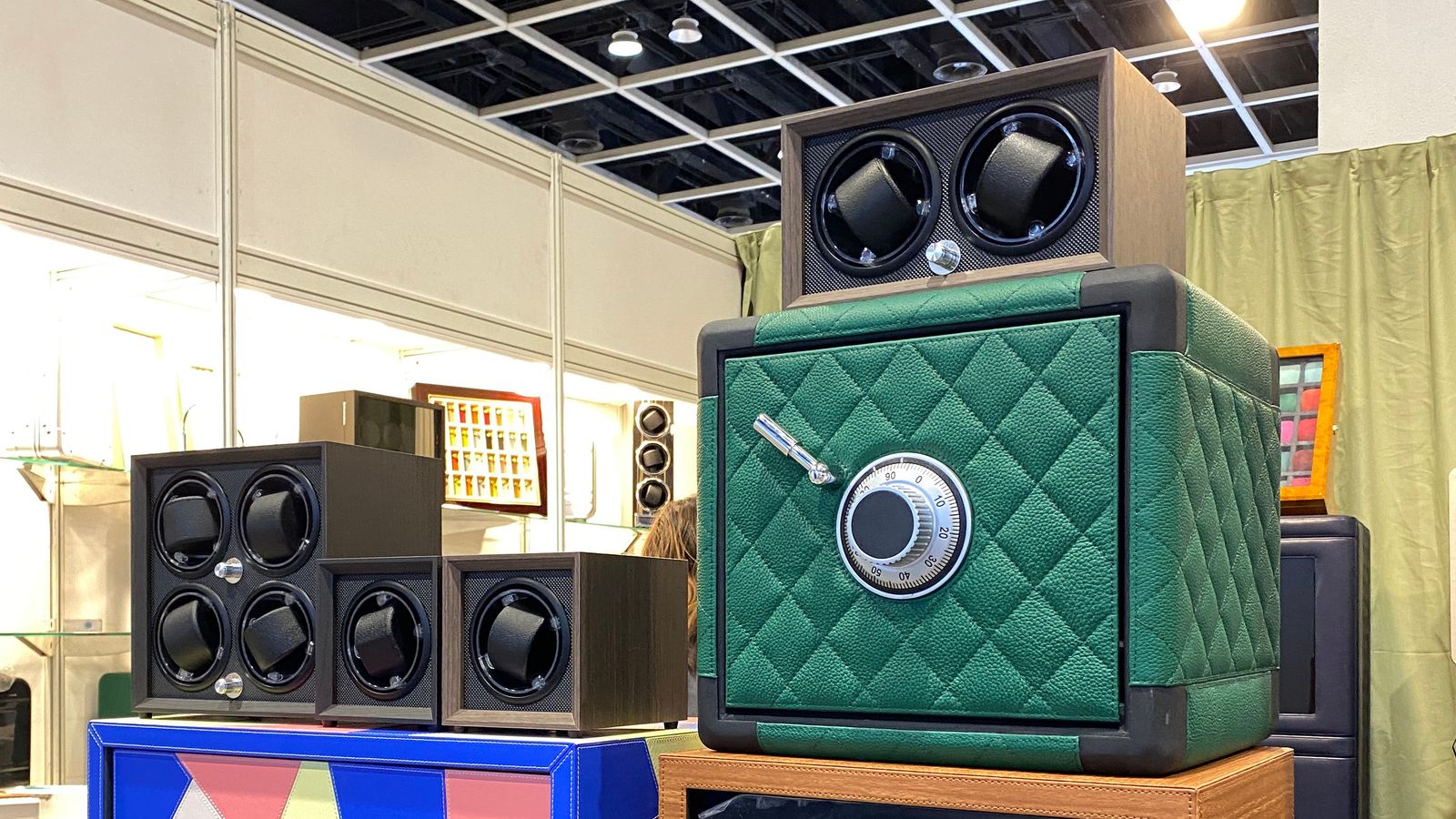
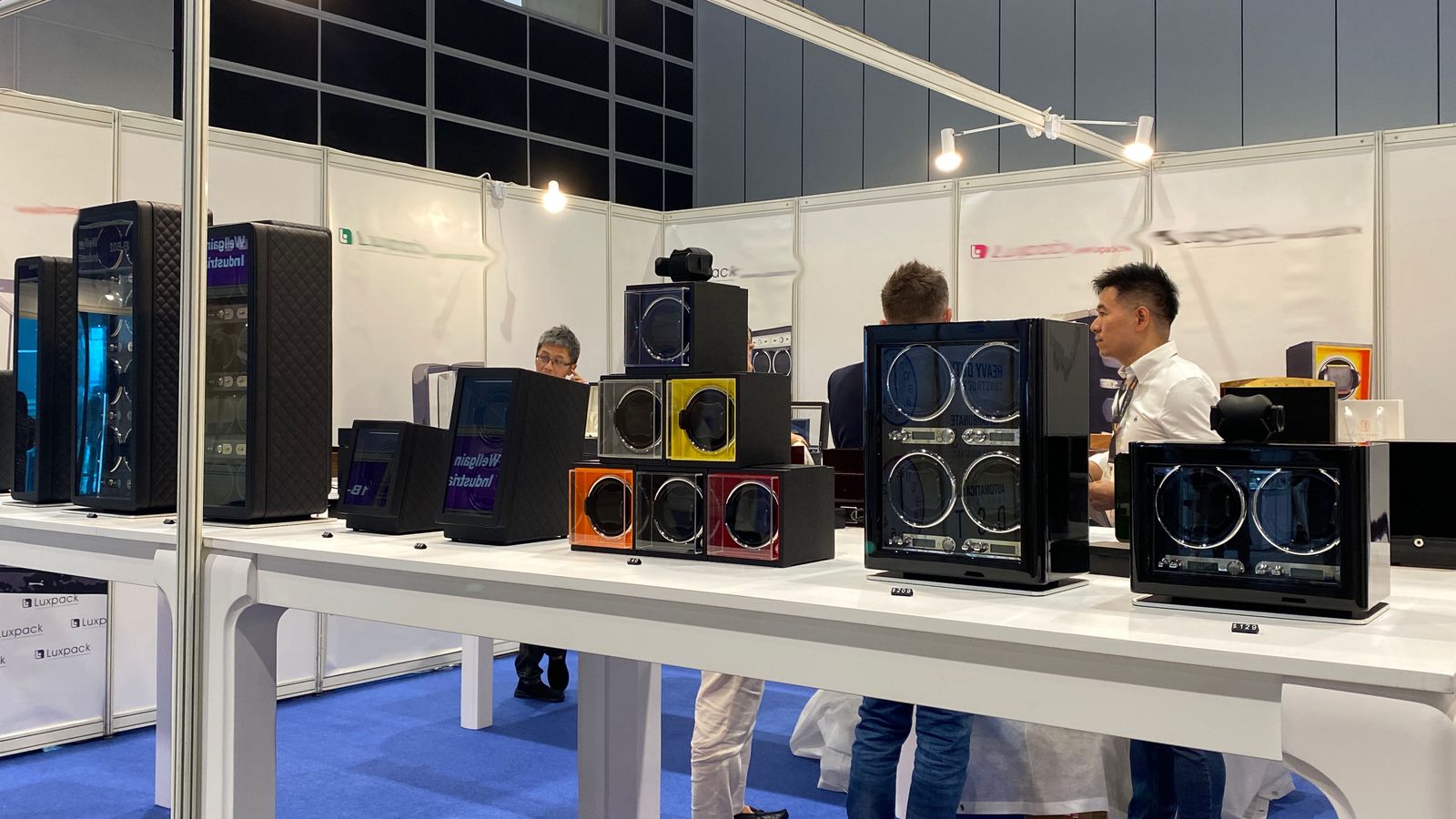
How to Evaluate and Compare Watch Winder Suppliers
Once you have two or three candidates, compare them on the same criteria. The table below turns the checklist into a scoring sheet you can copy into your sourcing file.
| Criterion | What to ask for | Red flag |
|---|---|---|
| Motor quality | Motor type, rated life, continuous-run test record | No test record, vague answers |
| TPD options | Number of TPD presets, direction modes, pause cycles | One fixed setting only |
| Noise level | Measured noise in a quiet room, sample video | Noise claims without a method |
| Magnetic safety | Field data at the watch position | Supplier has never measured it |
| Power system | AC adapter, battery or both; regional plug versions | Unlabeled adapters |
| Materials and finish | Wood, leatherette, carbon fiber, glass window, cushion quality | Samples differ from photos |
| Compliance | Relevant market certifications for the adapter and product, such as CE, FCC or RoHS where applicable | Certificates unavailable |
| Packaging and branding | Logo method, gift box, manual, carton specs | No packaging proof |
Step-by-step sourcing process
- Define the product brief. State the number of watch positions, target market, exterior style, power type and price range.
- Request a quotation and a sample. Ask for a production-standard sample, not a showroom piece.
- Test the sample for at least seven days. Check noise, TPD behavior, cushion fit and heat.
- Test with real watches. Include one unidirectional chronograph and one standard bidirectional automatic.
- Confirm packaging and labeling. Review the logo placement, manual language and carton markings.
- Approve a pre-production sample. Lock the specification in writing before mass production.
- Inspect before shipment. Agree on an inspection standard, such as AQL levels, and on how defects are handled.
Selection advice by buyer type
- Watch brands: prioritize finish, packaging and a flexible TPD range, since your customers own varied movements.
- Online retailers: prioritize noise, packaging durability and clear manuals to reduce returns.
- Wholesalers: prioritize a stable catalog of 1, 2, 4 and 6 position models with consistent lead times.
Summary and Next Steps
A good OEM watch winder manufacturer proves its quality through tested motors, adjustable TPD, magnetic safety awareness and transparent sampling. Compare suppliers with the same scoring sheet, test samples with real watches, and lock your specification before production. Following this process reduces returns and protects your brand.
Frequently Asked Questions
1. What is an OEM watch winder?
It is a winder produced by a factory to a brand’s own specification, including design, materials, packaging and logo. The brand sells it under its own name while the manufacturer handles production.
2. What TPD range should a general-purpose watch winder support?
Roughly 600 to 800 TPD covers most automatic watches, and 650 TPD bidirectional is a frequent default. A flexible product should still offer several TPD options and all three direction modes.
3. How can a buyer check that a watch winder will not magnetize a watch?
Ask for magnetic field data at the watch position, then test a sample with a magnetometer or a watch timing machine before and after several days of running.
4. Should a buyer order samples before mass production?
Yes. Samples let you confirm noise level, TPD behavior, finish and packaging, and show whether the winder runs continuously without faults.
5. What information should be included in an OEM inquiry?
Include target market, number of watch positions, exterior material, power type, TPD modes, logo method, packaging style, expected quantity and target price.
Related reading
- How to Specify a Commercial Watch Winder: Motor Engineering, TPD Calibration and Antimagnetic Standards
- Which Are the Top 10 Watch Winder Factories in China
- Luxury Automatic Single Watch Winder (Model 9302)