For watch retailers, e-commerce brands, and luxury distributors, the automatic watch winder is no longer a niche accessory — it is a high-margin product category with year-round demand. Global search volume for “automatic watch winder” exceeds 6,600 monthly queries, and the B2B segment is growing as more brands seek OEM and ODM partnerships rather than building in-house production capabilities.
Yet sourcing the right watch winder box supplier is more complex than placing a purchase order on a marketplace listing. Motor quality, noise levels, rotation programs, finish durability, and international certifications all determine whether your product earns five-star reviews or generates costly returns. This guide addresses every decision point a professional buyer encounters when evaluating automatic watch winder manufacturers.
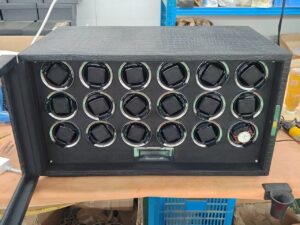
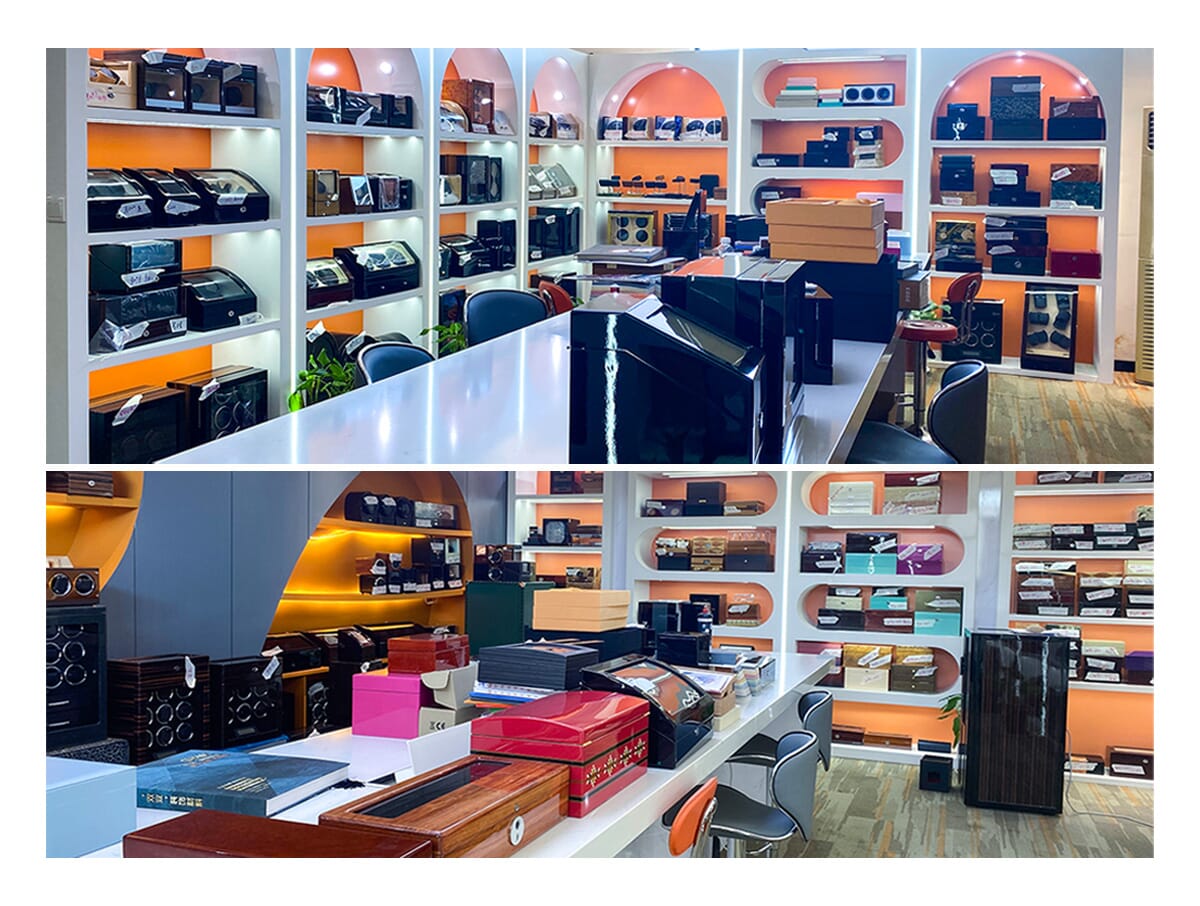
.jpg "How to Source the Best Automatic Watch Winder: A Complete B2B Buyer's Guide 1")
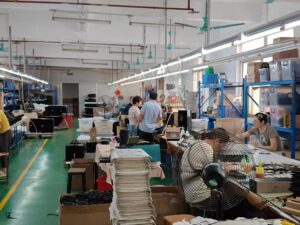
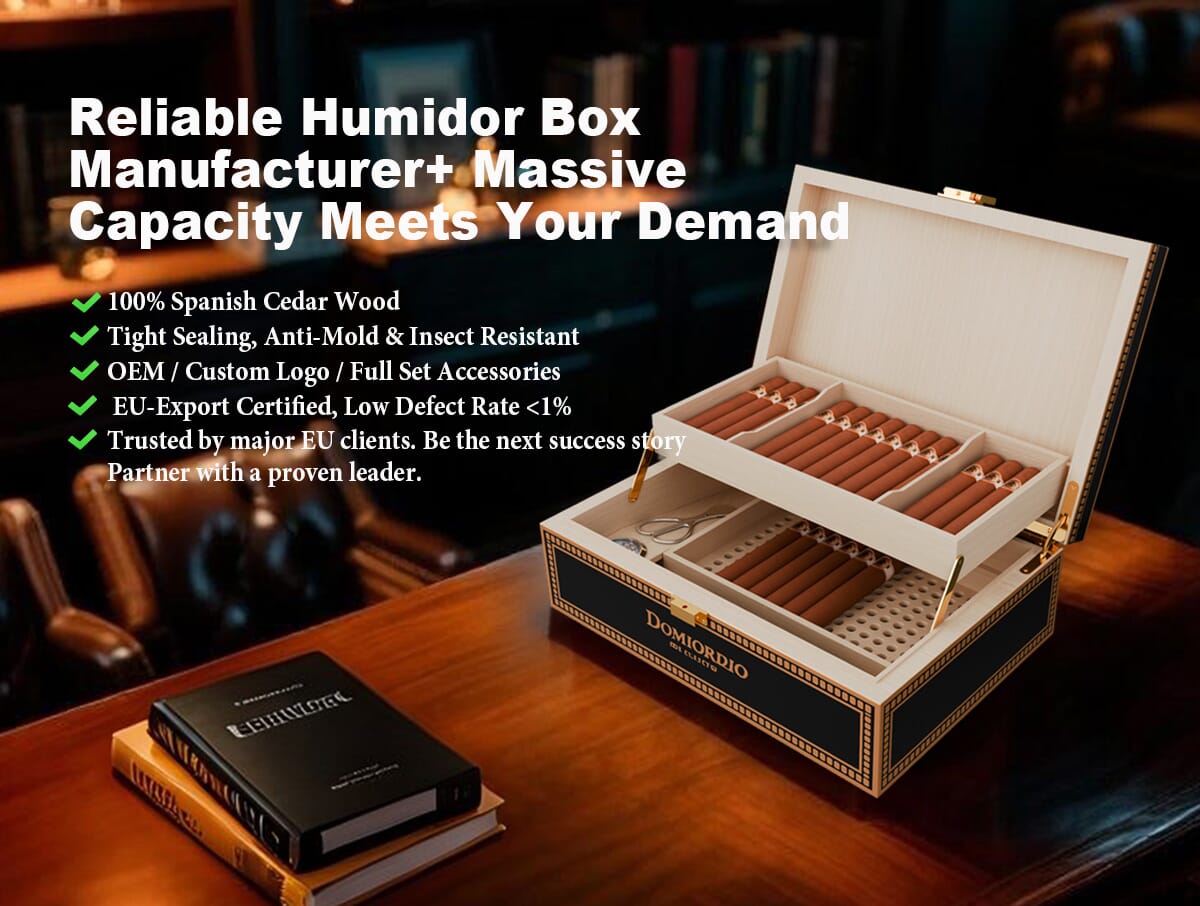
.png "How to Source the Best Automatic Watch Winder: A Complete B2B Buyer's Guide 2")
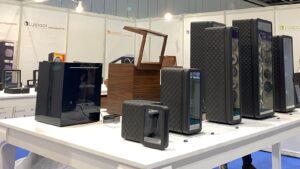
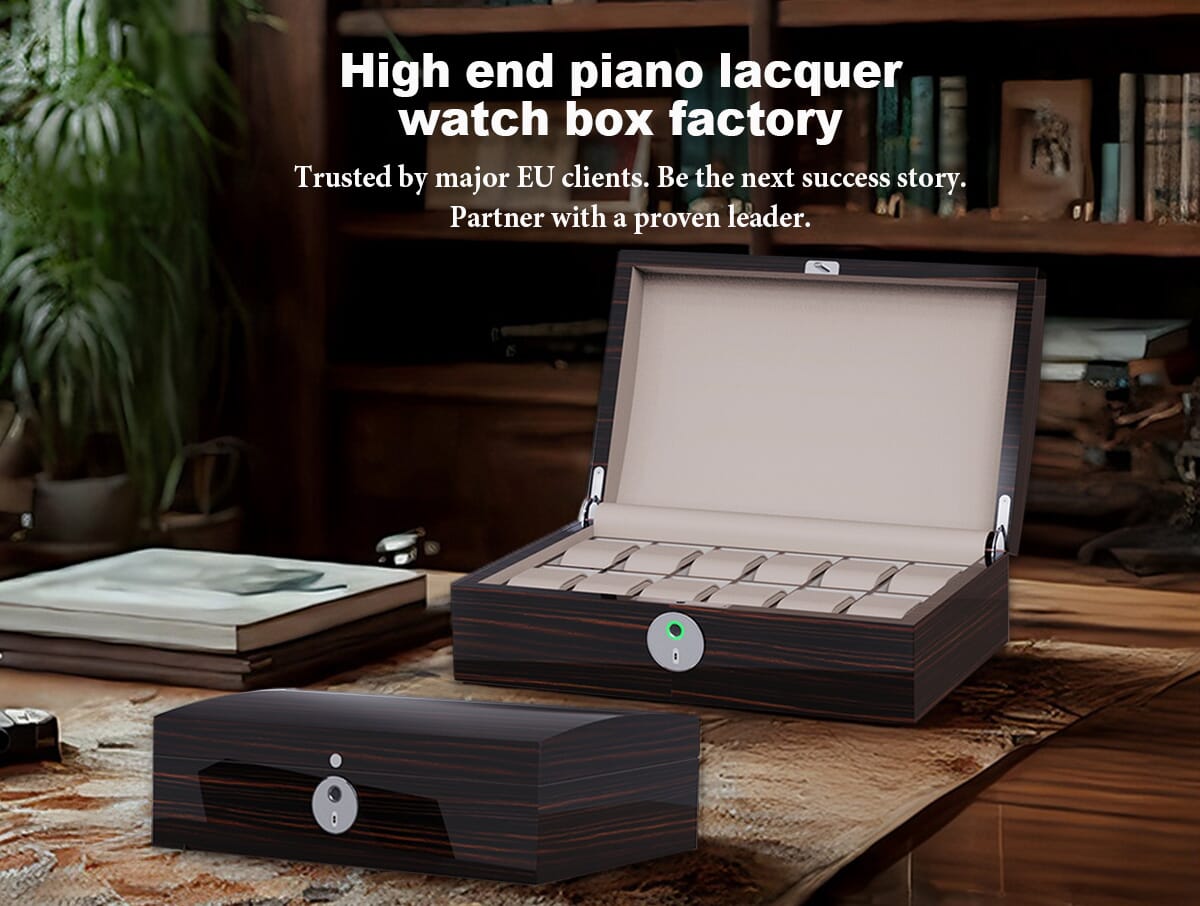
-e1786670857122.png "How to Source the Best Automatic Watch Winder: A Complete B2B Buyer's Guide 3")
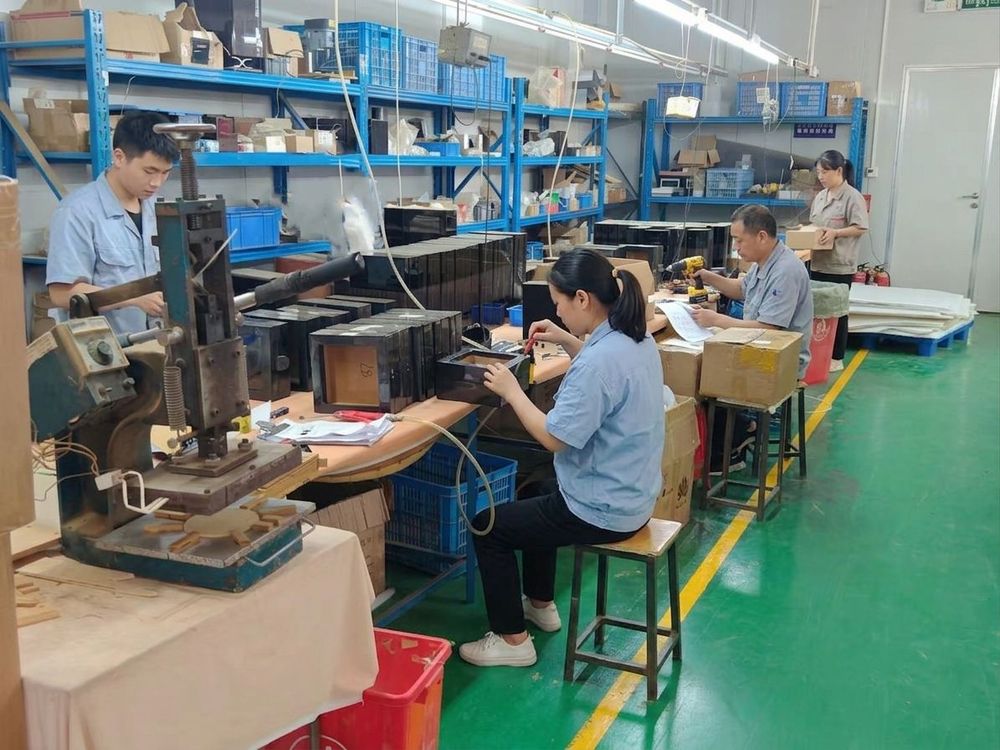
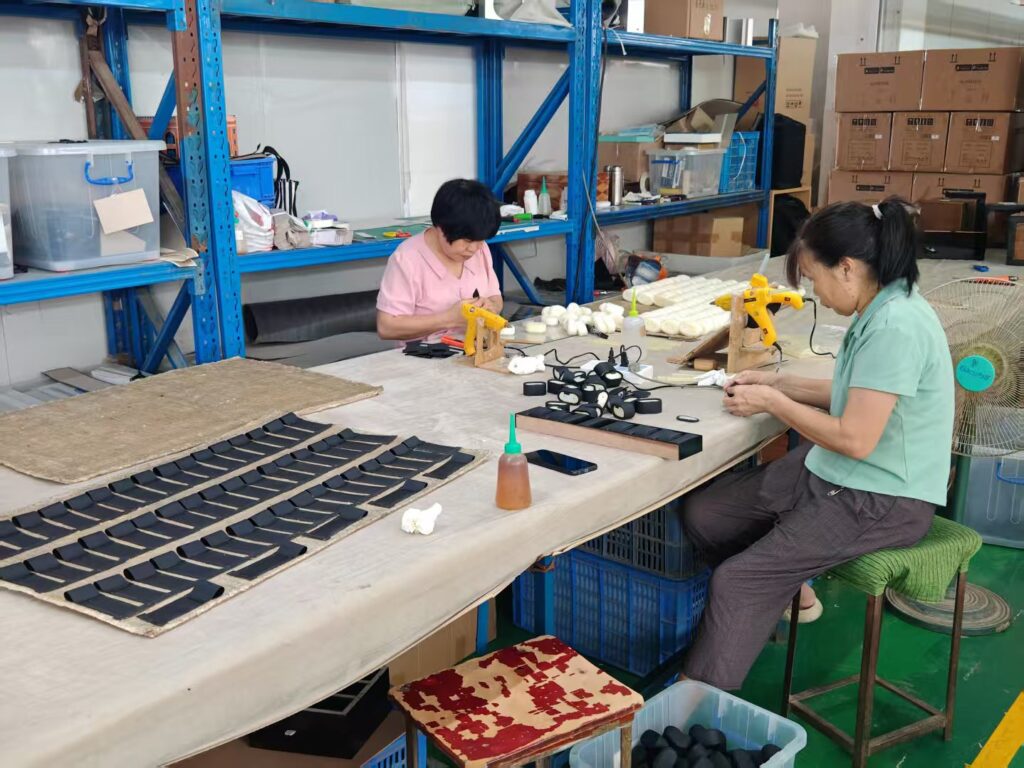
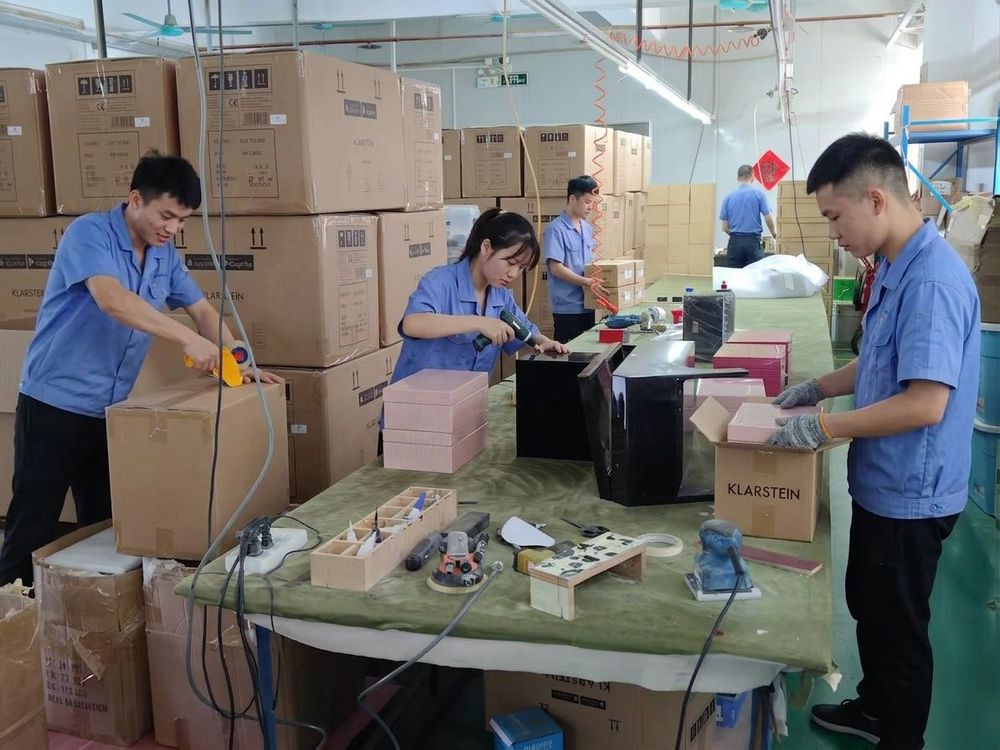
1. Why Motor Selection Defines the Entire Product
The motor is the heart of every automatic watch winder. It determines noise output, longevity, energy consumption, and the smoothness of rotation that high-end watch collectors expect. Inferior motors create audible buzzing above 20 dB — a dealbreaker for bedside use — and typically fail within 12 to 18 months under daily operation.
The Mabuchi motor watch winder standard: Japanese-made Mabuchi motors deliver operating noise below 10 dB, which is virtually silent in any room environment. With a rated lifespan exceeding 50,000 hours, they represent the gold standard for OEM buyers who want to minimize warranty claims. When evaluating suppliers, always ask whether the motor is a genuine Mabuchi unit or a generic alternative — this single specification separates the best watch winder factories from commodity producers.
Beyond noise, Mabuchi motors support programmable TPD (turns per day) ranges from 300 to 2,200, covering every major watch movement on the market — from entry-level Seiko calibers to Rolex Perpetual and Patek Philippe automatics. A factory that cannot offer adjustable TPD settings is limiting your product’s addressable market before it even ships.
2. Watch Winder Box Construction: Materials and Finish
The external presentation of a watch winder box is what drives initial purchase decisions at the retail level. Your end customers are buying a display piece, not just a mechanism. The enclosure must communicate luxury through material selection, paint quality, and hardware detailing.
Wood Selection
Medium-density fiberboard (MDF) dominates the budget segment, but discerning buyers prefer solid rubberwood or pine frames with real wood veneer. Rubberwood offers excellent dimensional stability in climate-controlled environments and takes lacquer finishes exceptionally well. For premium lines, walnut or ebony veneers add perceived value that justifies higher retail pricing.
Piano Lacquer Finish
The surface finish is the first thing buyers touch and evaluate. A true piano lacquer process involves 12 to 13 coats of polyurethane or polyester paint, with sanding between each layer. This produces a mirror-like depth that remains glossy and scratch-resistant for two to three years of daily use. By comparison, budget factories apply three to five coats — producing a finish that yellows, chips, or dulls within months. When requesting samples, examine the lacquer depth at a 45-degree angle under strong lighting; genuine multi-coat work shows visual depth rather than a flat sheen.
3. Certification Requirements for International Markets
Selling electrical products in North America, Europe, and the Middle East requires specific safety and environmental certifications. A single watch winder without proper UL listing cannot legally be sold through major US retailers or Amazon FBA. Missing CE marking blocks entry to the entire European Economic Area.
The baseline certifications every serious buyer should demand include UL (North America electrical safety), CE (European conformity), RoHS (restriction of hazardous substances), and FSC (sustainable wood sourcing). Suppliers who hold all four certifications have already invested in the compliance infrastructure that protects your brand from regulatory risk and enables immediate market entry across all major regions.
Explore certified watch winder product lines at T.WING-PAK’s watch winder collection to see how UL/CE/RoHS/FSC compliance is built into every SKU from the design stage.
4. MOQ, Lead Time, and Sample Process
Minimum order quantities vary dramatically across the industry. Large factories in Shenzhen and Dongguan typically set MOQs at 500 to 1,000 units, shutting out emerging brands and niche retailers. The most flexible manufacturers offer MOQs starting at 100 pieces — enabling market testing, limited-edition releases, and phased rollouts without massive upfront capital commitments.
First-order lead times range from 35 to 60 days depending on customization depth. Standard colorway and logo adjustments fall at the shorter end; fully custom mold tooling and unique mechanisms push toward 60 days. Professional factories provide 3D mockup renderings within 8 hours of receiving your brief, allowing design iteration before committing to physical sampling. A factory that takes two weeks to produce a basic rendering likely lacks the design engineering team to handle complex OEM projects efficiently.
5. How to Vet a Single Watch Winder Supplier
Requesting a single watch winder sample is the most cost-effective due diligence step. A single-unit sample reveals motor noise, rotation smoothness, lacquer quality, interior lining finish, and packaging presentation in ways that spec sheets and factory photos cannot replicate.
During evaluation, run the sample continuously for 72 hours and measure noise with a decibel meter at 30 centimeters distance. Inspect the lacquer for orange-peel texture, dust inclusions, and edge coverage. Open and close the lid 200 times to test hinge durability. These simple tests separate factories that maintain genuine quality control — with defect rates below 2% — from those that pass inspection only on pre-selected hero samples.
For a deeper comparison of material options, see T.WING-PAK’s full product catalog covering single, dual, quad, and cabinet-style watch winder configurations.
6. Scaling from Sample to Volume Production
Once your sample passes internal evaluation, the transition to volume production introduces new considerations. Color consistency across batches requires the factory to maintain master color panels for every finish in production. Motor sourcing must be locked to a specific Mabuchi model number to prevent substitution. Packaging design — including foam inserts, magnetic closures, and outer cartons — needs to be finalized before mass production begins, as mid-run changes create line stoppages and quality drift.
Experienced OEM factories assign a dedicated project manager who coordinates the production timeline, quality checkpoints, and shipping logistics as a single point of contact. This relationship model reduces communication errors and ensures that your specifications are maintained from the first unit to the last in every production run.
Ready to Start Your Next Project?
Email: kathy@twing-pak.com | WhatsApp: +86-134-3113-9311 | www.twing-pak.com