In the presentation and delivery of premium products, the packaging material often dictates the consumer’s first impression. While rigid solid wood or painted finishes convey a high-end feel, they can sometimes lack emotional warmth and tactile refinement. Velvet-covered or lined wooden boxes create a soft, elegant presentation by combining soft fabrics with stable wooden structures. They deliver strong visual luxury and tactile comfort, while also providing excellent physical protection for the valuables inside.
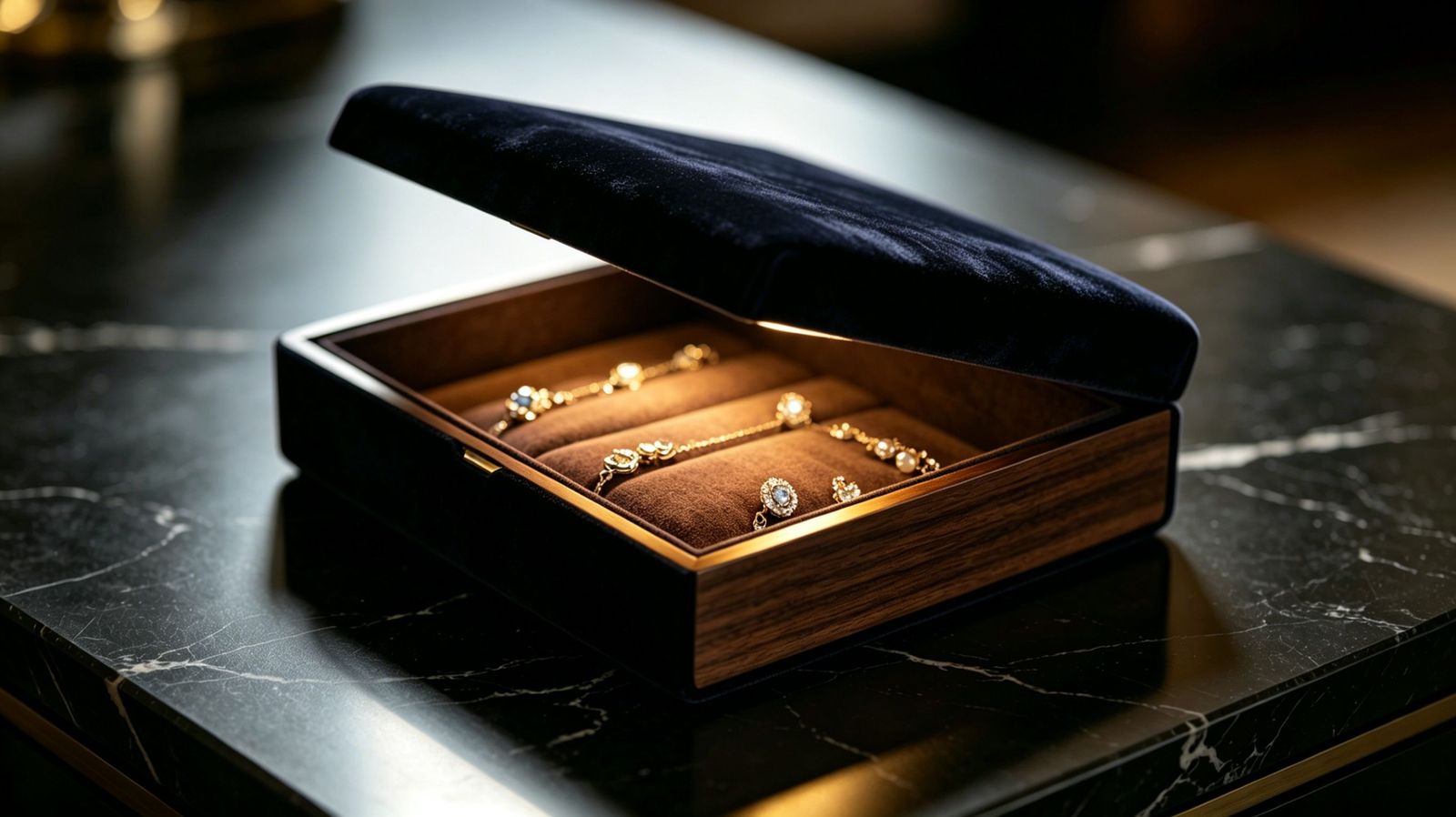
Why Do Premium Packaging Boxes Prefer Velvet Fabric?
Premium packaging often communicates emotion before functionality. Velvet fabric naturally possesses the ability to deliver this emotional effect. Its soft texture, rich visual appearance, and light-absorbing surface immediately signal elegance and refinement.
Visual Impact and Light Interaction
Velvet has a unique surface structure composed of short, dense vertical fibers. These fibers reflect light in a completely different way compared to smooth materials. Unlike high-gloss surfaces that reflect light strongly, velvet absorbs a significant amount of light, creating a deep and soft visual effect. When light sweeps across the surface, velvet produces subtle variations in color intensity in different areas. Premium packaging designers often favor this characteristic because it avoids harsh reflections while maintaining visual depth, making the packaging look more sophisticated.
Color Depth and Brand Impression
Velvet fabrics typically exhibit stronger color saturation and depth than standard smooth textiles. Due to its unique light-absorbing properties, dark tones on velvet often appear exceptionally rich, perfectly matching the tone of various premium brands.
| Velvet Color | Visual Characteristics | Brand Impression Conveyed | Applicable Premium Product Lines |
|---|---|---|---|
| Classic Deep Black | Strong light absorption, bottomless depth | Ultimate luxury, mystery, professionalism | Diamond jewelry, high-end mechanical watches |
| Royal Burgundy | Rich color, high contrast | Tradition, prestige, ceremonial | Commemorative gold coins, premium wine accessories |
| Calm Navy Blue | Soft reflection, cool tone | Elegance, calmness, tech-savvy | Limited edition fountain pens, men’s timepieces |
| Luxury Emerald Green | Unique luster, vintage vibe | Distinctive, retro, premium feel | Jadeites, vintage bespoke jewelry |
Structural Design and Manufacturing Process of Velvet-Covered Wooden Boxes
Although the exterior is soft fabric, the internal structure must remain absolutely strong and stable. The structural design of velvet-covered boxes must balance physical support with perfect exterior wrapping.
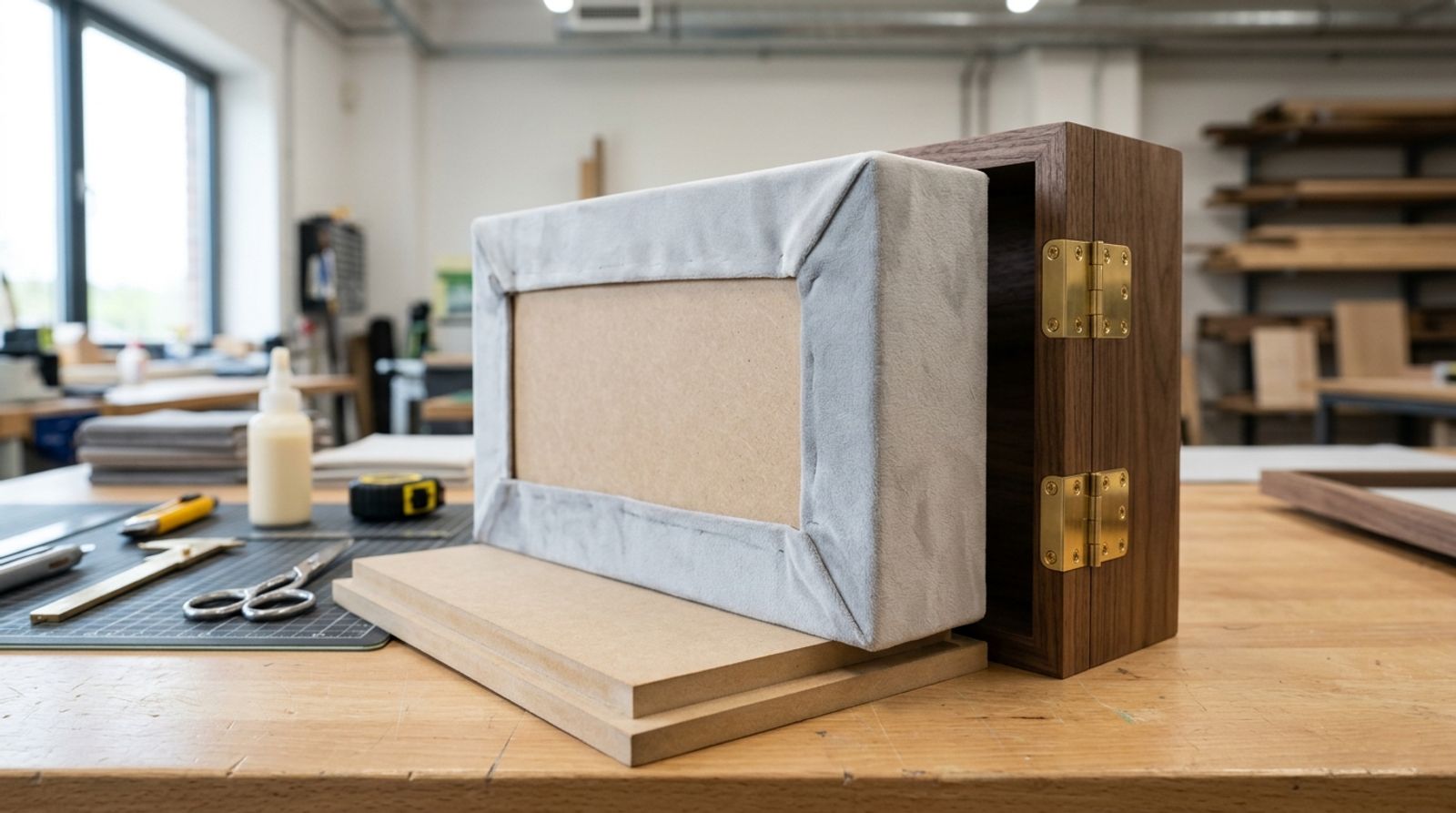
Advantages of MDF as the Structural Core
In the manufacturing of premium velvet-covered boxes, Medium Density Fiberboard (MDF) is the most reliable core support material. It provides excellent surface flatness and dimensional stability, making it resistant to warping due to environmental humidity changes. These characteristics are crucial because fabric wrapping requires an absolutely smooth base surface. If the core material has wood grain undulations or unevenness, the soft velvet surface will directly expose these flaws. Furthermore, MDF is easy to process with high-precision CNC cutting and milling, perfectly adapting to complex design blueprints.
Precise Wrapping Technique and Tolerance Control
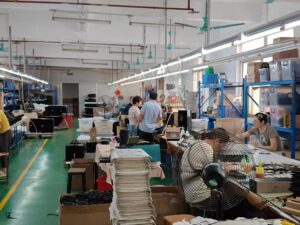
The velvet wrapping process requires extremely careful tension control. The fabric must be stretched evenly across the wooden box surface. Uneven tension can lead to issues such as wrinkled corners, surface bubbling, or distortion of the fabric’s nap direction. Additionally, premium wooden boxes usually include precision hardware components like hinges and clasps. Because the velvet fabric has a certain thickness, precise fabric thickness allowances must be reserved during the machining of the wooden box. The positioning accuracy for hardware installation usually needs to be controlled within 0.2 to 0.3 millimeters to ensure the wooden box remains tightly fitted and opens smoothly after wrapping.
Structural Design of Velvet-Lined Wooden Boxes
Besides full-coverage designs, many premium wooden boxes (such as high-gloss piano lacquer boxes, carbon fiber boxes, or precious solid wood boxes) choose to use velvet specifically for the interior lining. The core of the lining lies in combining precise internal structures with soft fabrics to provide ultimate physical protection and perfect presentation angles for valuables.
Customization and Fitting of the Internal Support Skeleton
The structure of the lining is far more complex than the flat exterior wrapping. It typically requires the use of EVA, high-density sponge, or custom plastic molds as the internal support skeleton. These skeletons are precisely die-cut or molded into 3D shapes that perfectly contour to specific products (such as watch dials or jewelry silhouettes). The velvet fabric must seamlessly conform to these complex grooves and contours, which demands exceptional handcrafting skills or advanced vacuum bonding techniques.
| Lining Material Comparison | Tactile Experience | Shock Absorption & Scratch Resistance | Visual Luster Performance | Core Applicable Packaging Types |
|---|---|---|---|---|
| Velvet | Extremely soft, warm | Excellent (fibers provide micro-cushioning) | Light-absorbing, deep, non-reflective | Jewelry, watch winders, premium gifts |
| PU Leather | Smooth, cooler touch | Moderate (relies on underlying sponge) | Surface has reflective texture | Modern watches, premium cigar humidors |
| Satin | Silky, delicate | Weaker (requires extra thick padding) | High gloss, prone to wrinkling | Traditional gift boxes, premium cosmetic sets |
Anti-Glue-Seepage Process and Shock Absorption Protection
When wrapping velvet over complex internal supports, the biggest manufacturing challenge is preventing glue seepage. Velvet is extremely sensitive to the adhesive on its back. If the glue is applied unevenly or too much pressure is exerted, the glue will seep through to the surface, ruining the texture of the nap and leaving unremovable hard spots. Professional packaging factories use eco-friendly water-based adhesives with specific viscosities and precisely control the glue application amount. Moreover, the softness of velvet combined with the underlying elastic materials ensures that even during long-distance shipping or accidental drops, the metal casings or gemstone surfaces of valuables will not be scratched by hard objects.
Durability Challenges and Maintenance Advice for Velvet Packaging
Despite its luxurious appearance and excellent tactile feel, velvet does have some physical durability characteristics that need to be managed in practical use.
Management of Dust Attraction and Handling Marks
The dense fiber structure of velvet naturally attracts tiny dust particles from the air. Unlike smooth materials (such as painted wood or PU leather) where dust easily slides off, velvet fibers trap small particles. Furthermore, frequent handling affects the velvet surface. Repeated pressing can flatten the fibers, cause slight shininess in contact areas, or disrupt the nap direction. Therefore, velvet is better suited for display-oriented packaging with low-frequency handling rather than containers for heavy daily use.
Color Sensitivity and Wear Visibility
Different colors of velvet show significant differences in visual performance when exposed to dust and wear. When designing packaging, colors should be chosen reasonably based on the product’s usage scenario.
| Velvet Color Palette | Dust Visibility | Handling Mark Visibility | Long-Term Maintenance Requirement |
|---|---|---|---|
| Dark Tones (Black/Navy) | Higher (light dust contrasts sharply) | Very Low (effectively hides pressure marks) | Moderate (requires regular dusting with a soft brush) |
| Light Tones (Gray/Beige) | Lower (dust is almost invisible) | Higher (highly prone to showing stains and sweat marks) | Higher (requires anti-stain coating treatments) |
| Vibrant Tones (Red/Green) | Moderate | Moderate | Moderate (keep in a dry environment) |
Core Application Scenarios for Velvet Fabric in Premium Packaging
In specific premium presentation environments, velvet-covered or lined boxes can create a luxury impression and emotional resonance unmatched by other materials.
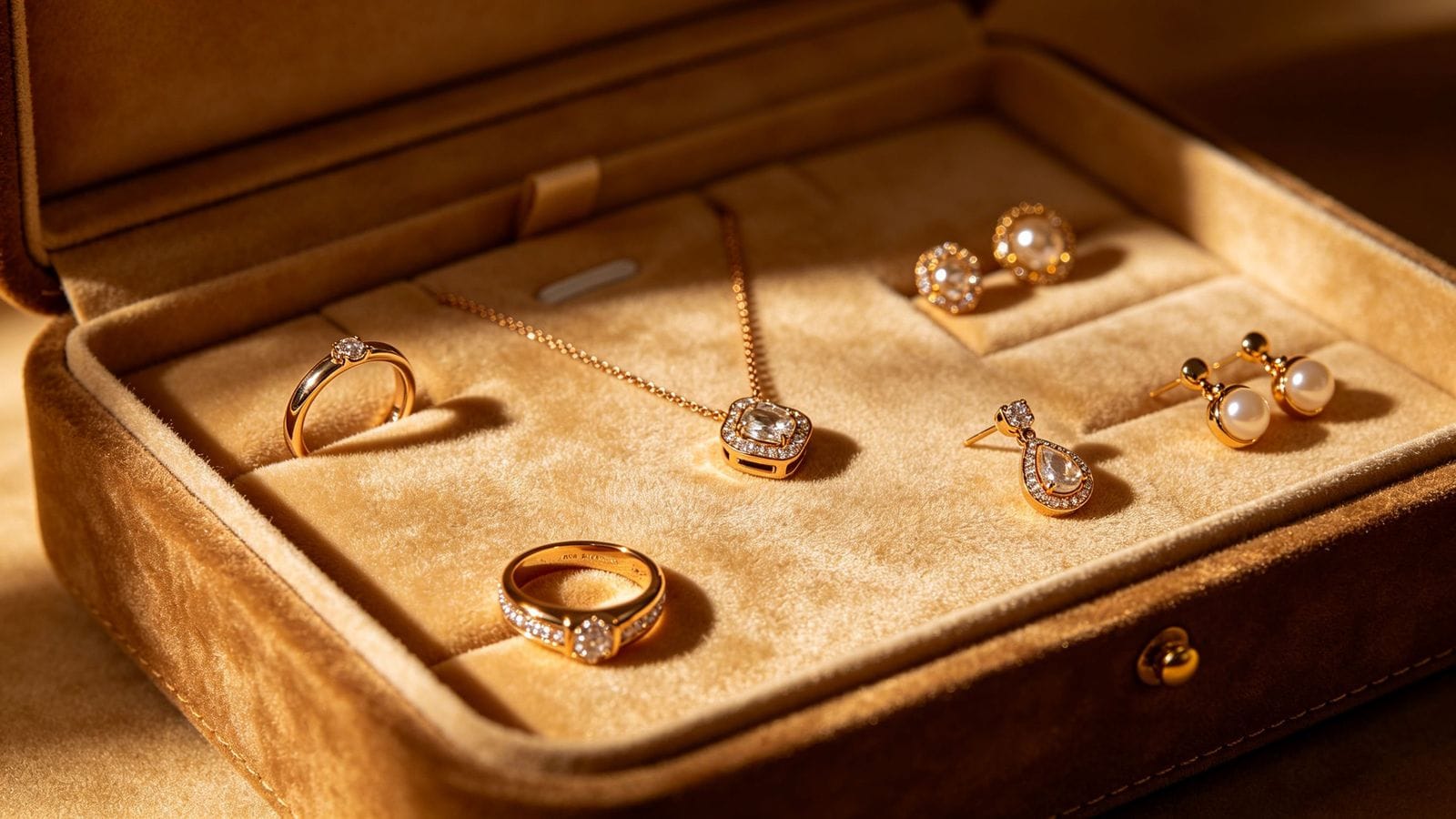
Fine Jewelry and Diamond Presentation
The presentation of jewelry relies heavily on a soft and elegant background. Velvet boxes are perfectly suited for delicate items such as engagement rings, premium necklaces, or diamond bracelets. The dark, light-absorbing velvet lining maximizes the brilliant luster of diamonds and precious metals, while the soft touch reinforces the psychological cue that the product is extremely precious and requires careful handling.
Luxury Watch Boxes and Watch Winders
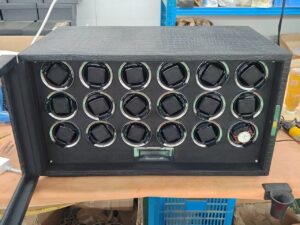
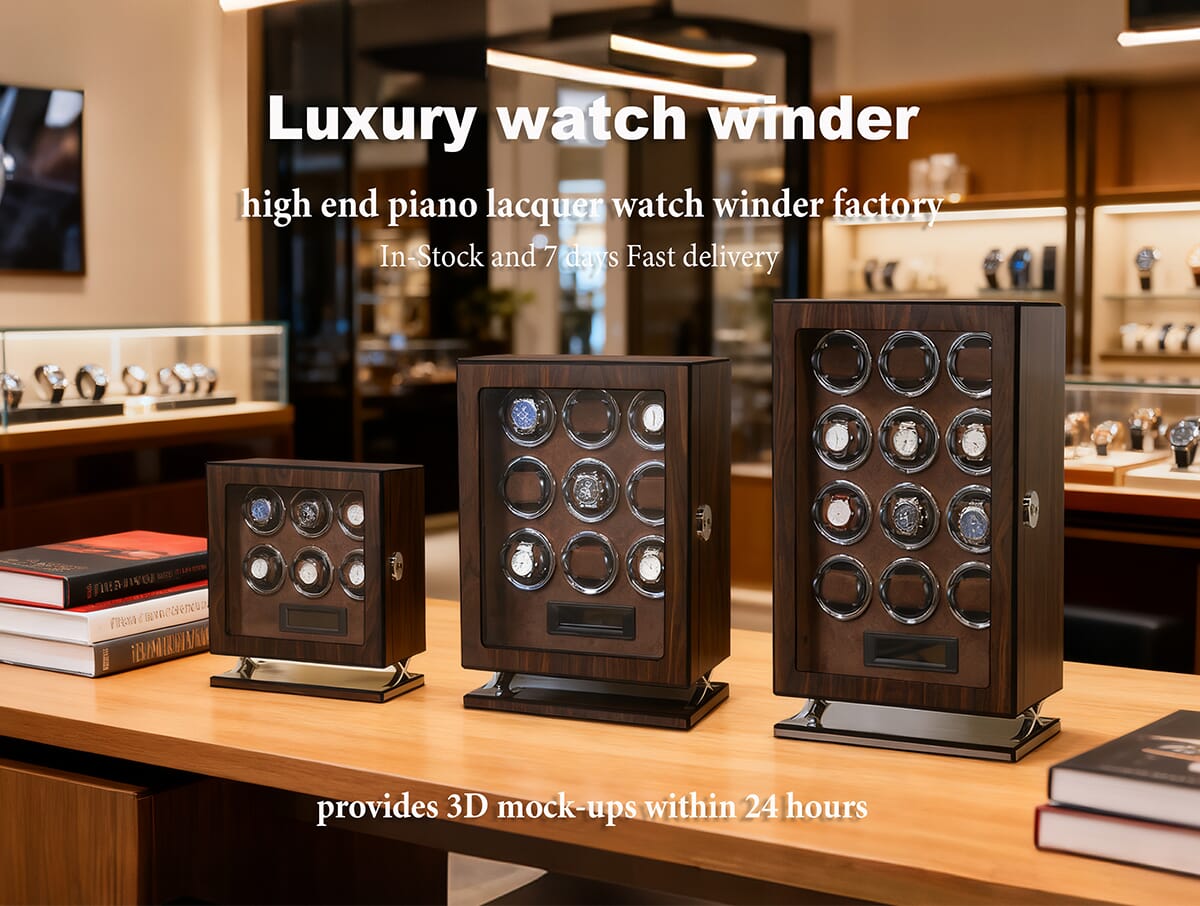
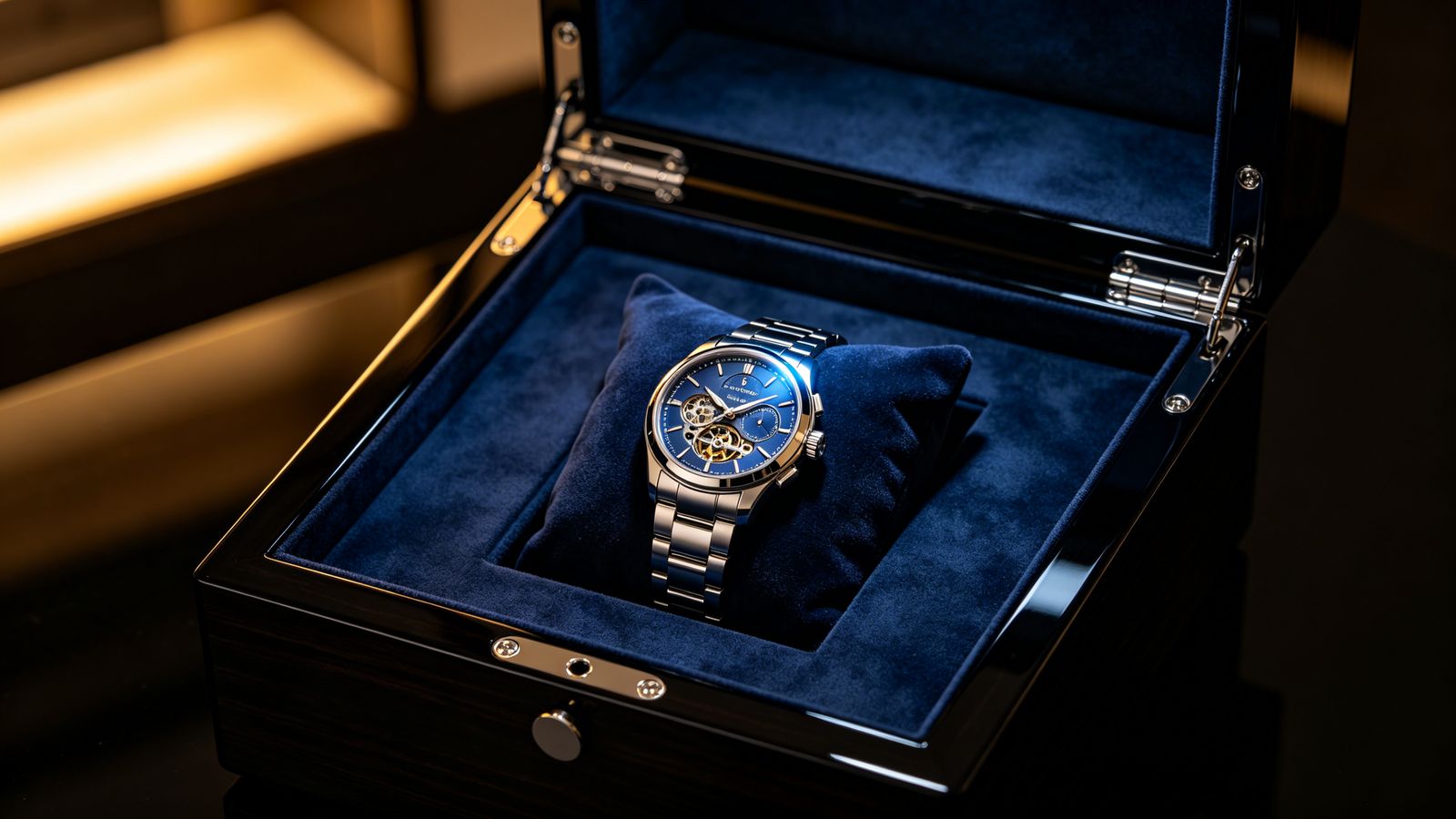
For mechanical watch collectors, a watch winder is not merely a functional device to keep timepieces running; it is a premium dynamic display cabinet. The application of velvet inside watch winders is extremely widespread and irreplaceable. First is anti-scratch protection: as watches run for long periods in the winder, they generate micro-vibrations, and velvet watch pillows and linings ensure the expensive cases and straps are protected from any friction damage. Second is noise reduction and shock absorption: the velvet fabric, paired with the underlying sponge, effectively absorbs the micro-noise and vibrations from the winder’s motor operation. Finally, when the watch rotates in the winder, the dark velvet provides a pure, unobtrusive background, making the dynamic mechanical beauty of the watch the absolute visual focal point.
Limited Edition Collectibles and Commemorative Gifts
Velvet performs exceptionally well when the packaging itself becomes part of a meaningful moment. Examples include premium medal boxes for award ceremonies, limited edition commemorative gold coins, or dramatic unveiling ceremonies for luxury brands. In these scenarios, the act of opening a velvet wooden box is full of solemn ceremony, and the perfect emotional presentation far outweighs considerations of the packaging’s long-term durability.
Why do high-end wooden box packaging prefer to use velvet fabric as packaging material(FAQ):
What makes velvet the best choice for premium packaging?
Velvet is chosen for premium packaging due to its soft and luxurious texture that evokes emotions. When you touch velvet, it feels warm and inviting. The unique way velvet absorbs light gives it a rich and elegant appearance, making your packaged products look more special.
How does velvet affect the look of packaging?
Velvet reflects light differently than smooth materials, making it appear deeper and more sophisticated. This is because velvet’s fibers absorb light instead of reflecting it harshly, which enhances color depth and gives each piece a unique charm.
What materials are used to make velvet-covered boxes?
Velvet-covered boxes are usually made with a sturdy core like Medium Density Fiberboard (MDF). This material keeps the box stable and prevents it from warping, allowing the velvet wrapping to maintain a perfect and smooth appearance.
How is the velvet applied to the wooden boxes?
Applying velvet to wooden boxes involves careful stretching of the fabric over the surface. It’s essential to control the tension evenly so that the fabric does not wrinkle or bubble. This ensures that the box looks beautiful and remains sturdy.
Why is the internal lining in velvet important?
The internal velvet lining of a box is crucial for protecting valuable items. It not only keeps your treasures safe from scratches but also enhances the presentation, making every unboxing experience feel special and luxurious.
Can velvet-covered boxes be personalized?
Absolutely! Velvet-covered boxes can be personalized to fit your needs. Whether it’s for a special event or as gifts, adding custom designs makes them even more unique and meaningful.
How should I take care of velvet packaging?
To care for velvet packaging, avoid heavy handling since dust tends to stick to it. Regularly dusting with a soft brush helps keep it looking fresh. For light colors, be especially careful, as they can show stains more easily.
What types of items are best suited for velvet packaging?
Velvet packaging is ideal for fine jewelry, luxury watches, or limited edition collectibles. Whenever you want to convey a sense of elegance and preciousness, velvet is the perfect choice to create lasting impressions.
Are there different colors of velvet for packaging?
Yes, velvet comes in many colors! Dark colors like black and navy are great for hiding marks, while brighter colors can bring joy but may show dirt more easily. Choosing the right color can really depend on how the item will be used.
Why is velvet used in luxury watch packaging?
Velvet is perfect for luxury watch packaging because it protects the watch from scratches and absorbs vibrations. It also creates a beautiful display that enhances the intricate designs of the watches, making them stand out.