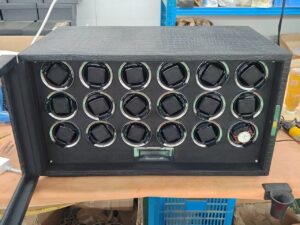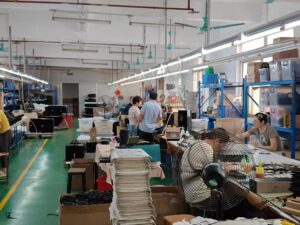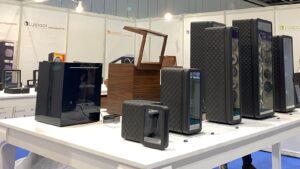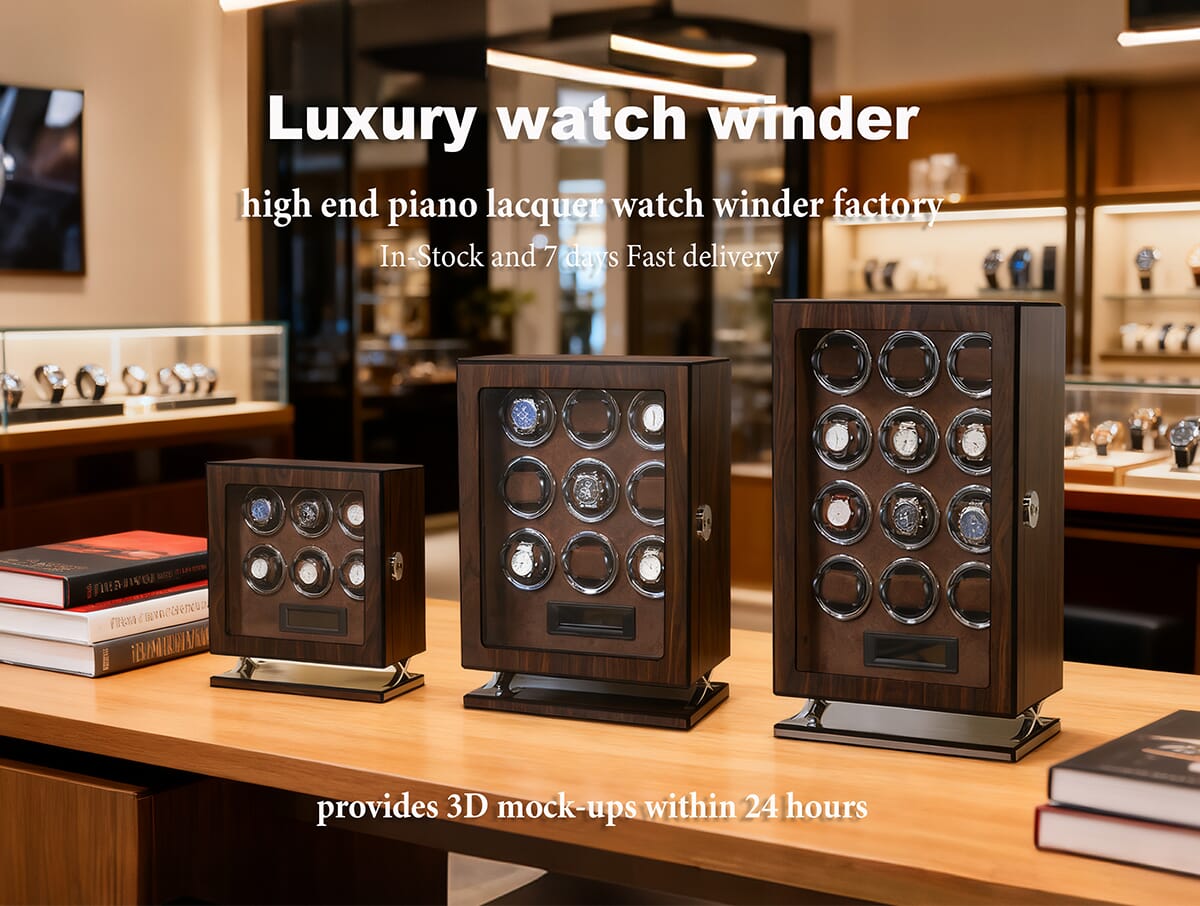
Most bad OEM outcomes don’t come from bad luck. They come from warning signs that were visible in the very first email exchange — just easy to miss when a factory’s quote is 15% cheaper and their sample photos look good enough. Wooden watch winders alone account for roughly half of total market revenue in the winder category, which tells you how much is riding on finish quality specifically. (Source: Verified Market Reports) Here are the five signs worth watching for before you commit.
1They Can’t Give You a Straight Number on Motor Noise or TPD
Ask “what’s your motor’s dB rating and TPD range?” and listen closely to the answer. A factory that actually engineers its own units will answer in seconds — motor brand, decibel rating, adjustable TPD range (commonly 300–2,200 for multi-directional programs). A factory that’s reselling generic modules will pivot to “very quiet” and “customer satisfaction” language instead of numbers. Vague answers here usually mean the same vagueness will show up in your production batch.
2Sample Lead Time Is “Soon” Instead of a Date
Legitimate factories with an in-house design and prototyping team can commit to real numbers: a first 3D concept render within roughly 8 hours of your brief, and a physical sample within days. If every timeline question gets answered with “we’ll try our best” or shifts by a week each time you check in, that’s not a communication issue — it’s a capacity or subcontracting issue you’re about to inherit.
3They’re Vague About the Lacquer Process
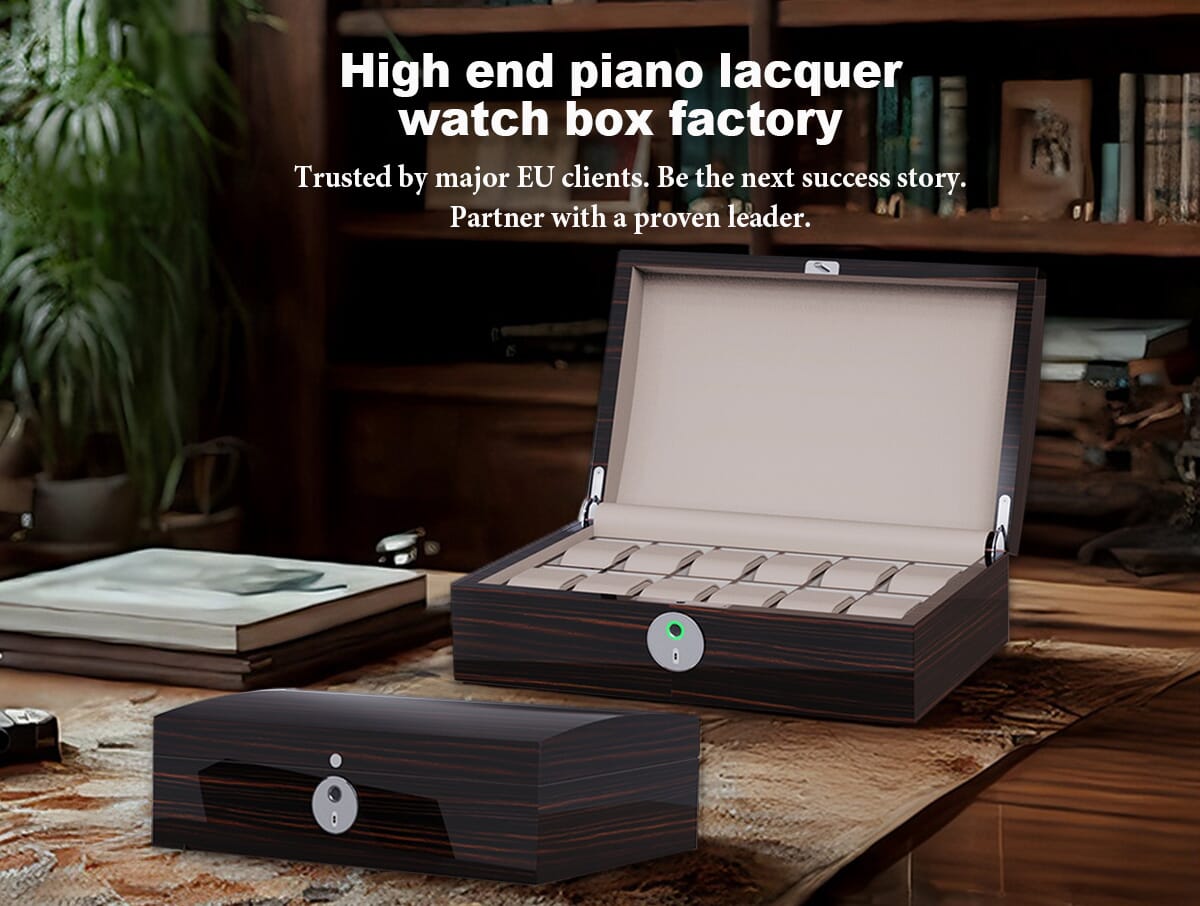
This is one of the fastest tells in the category. Ask directly: how many coats of piano lacquer, and how long does the finishing process take? A factory running a genuine 12–13 coat process will tell you the number without checking with anyone. A factory cutting corners will describe the finish in adjectives — “premium,” “high gloss” — rather than process. The difference shows up 12–18 months later as micro-scratching and dulling that a properly built finish resists.
4Quality Control Is a Sentence, Not a System
“We check quality” is not a QC system. Ask for the actual stages: incoming material inspection, in-process inspection, and outgoing inspection before packing — and ask what percentage of units get individually checked. A factory that can’t describe staged inspection, or that inspects only by sample rather than by unit, is telling you exactly how the defect that ends up in your customer’s hands will slip through. Factories running an aging test on motors before shipment (commonly 48 hours) are doing the extra step that keeps defect rates at or below 2% instead of drifting into the mid-single digits.
5MOQ Answers Don’t Match Your Actual Product
Watch for a factory that quotes an aggressively low MOQ on the phone, then quietly raises it once you send your actual customized spec. A factory genuinely built for OEM/private-label work supports realistic first orders — commonly from around 100 units for a customized design — and states that number the same way regardless of who’s asking. If the MOQ moves depending on how the conversation goes, so will everything else in your contract.
| Red flag | What it usually means |
|---|---|
| No specific motor spec | Reselling generic modules, not engineering them |
| “Soon” instead of a sample date | Capacity gap or unmanaged subcontracting |
| Vague on lacquer coats | Thin finish that won’t hold up past year one |
| QC described in one sentence | No staged inspection — defects reach you, not them |
| MOQ shifts after you send specs | Pricing and terms will keep moving too |
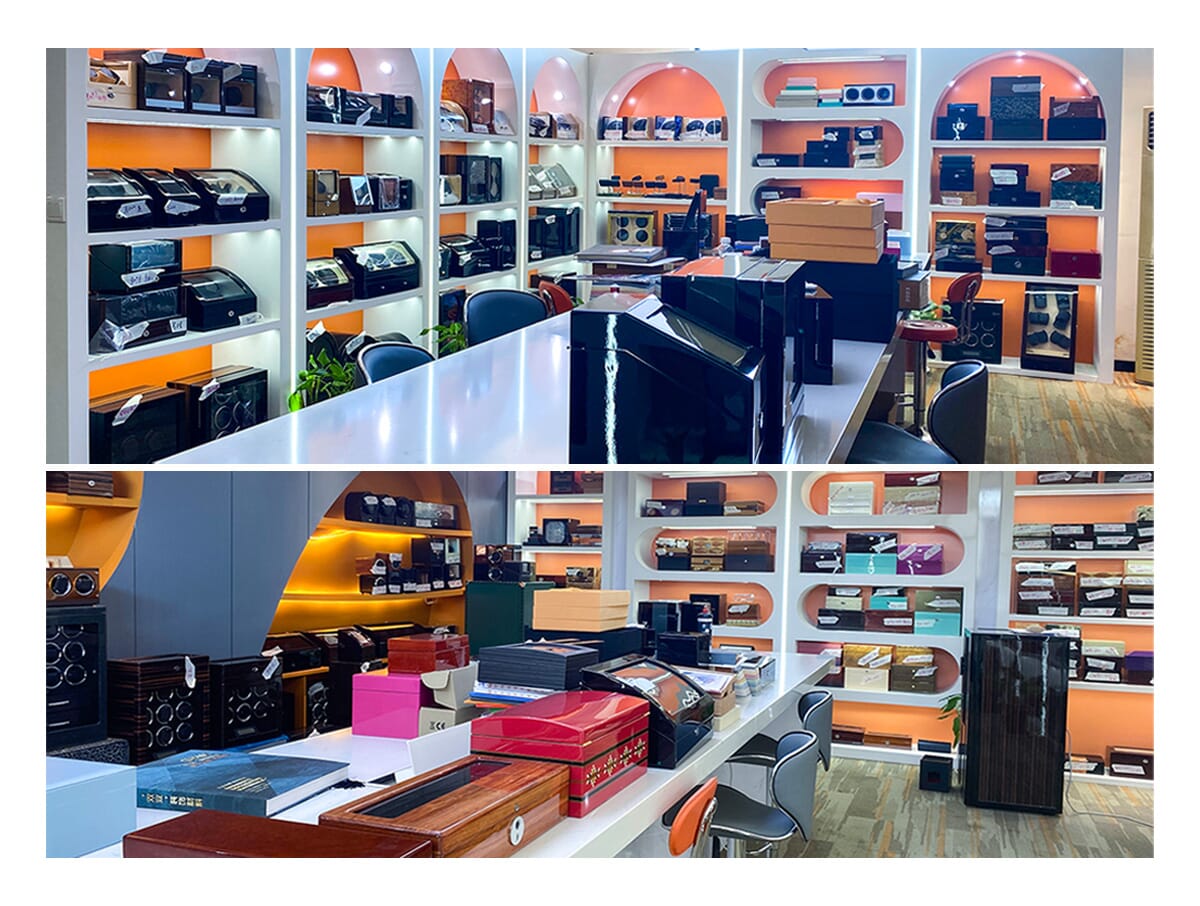
None of these are impossible to catch — they just require asking specific questions instead of accepting general reassurance. We’ve watched buyers avoid six-figure losses simply by pushing past “trust us” answers and asking for numbers. If you’d like a second opinion on a quote you’ve already received, our manufacturing capabilities page lays out exactly what a fully in-house process looks like, end to end.
Seen a Red Flag Recently?
Tell us what happened — in the comments or by message. We’ve heard most versions of this story and can usually tell you within a day whether what you experienced was a real problem or a fixable miscommunication. If you’re mid-negotiation with another factory right now, send us the same spec sheet and we’ll give you an honest read on the numbers you were quoted.