When brands evaluate luxury packaging suppliers, one of the first questions is almost always: “What’s your MOQ?”
For most manufacturers of custom watch winders, piano-lacquer wooden boxes, and high-end jewelry packaging, the answer sits between 300 and 1,000 units. The economics of custom woodworking — with its hand-finishing, multi-stage lacquering, and piece-by-piece QC — don’t naturally lend themselves to small runs.
At T.WING-PAK, our MOQ starts at 100 units. And we’ve maintained that position for 19 years, across hundreds of brand partners, without compromising quality or delivery.
This article explains exactly how we do it — and why it matters for your brand strategy.
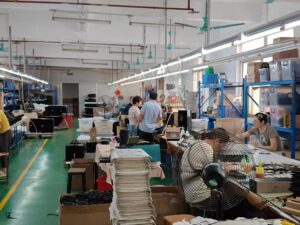
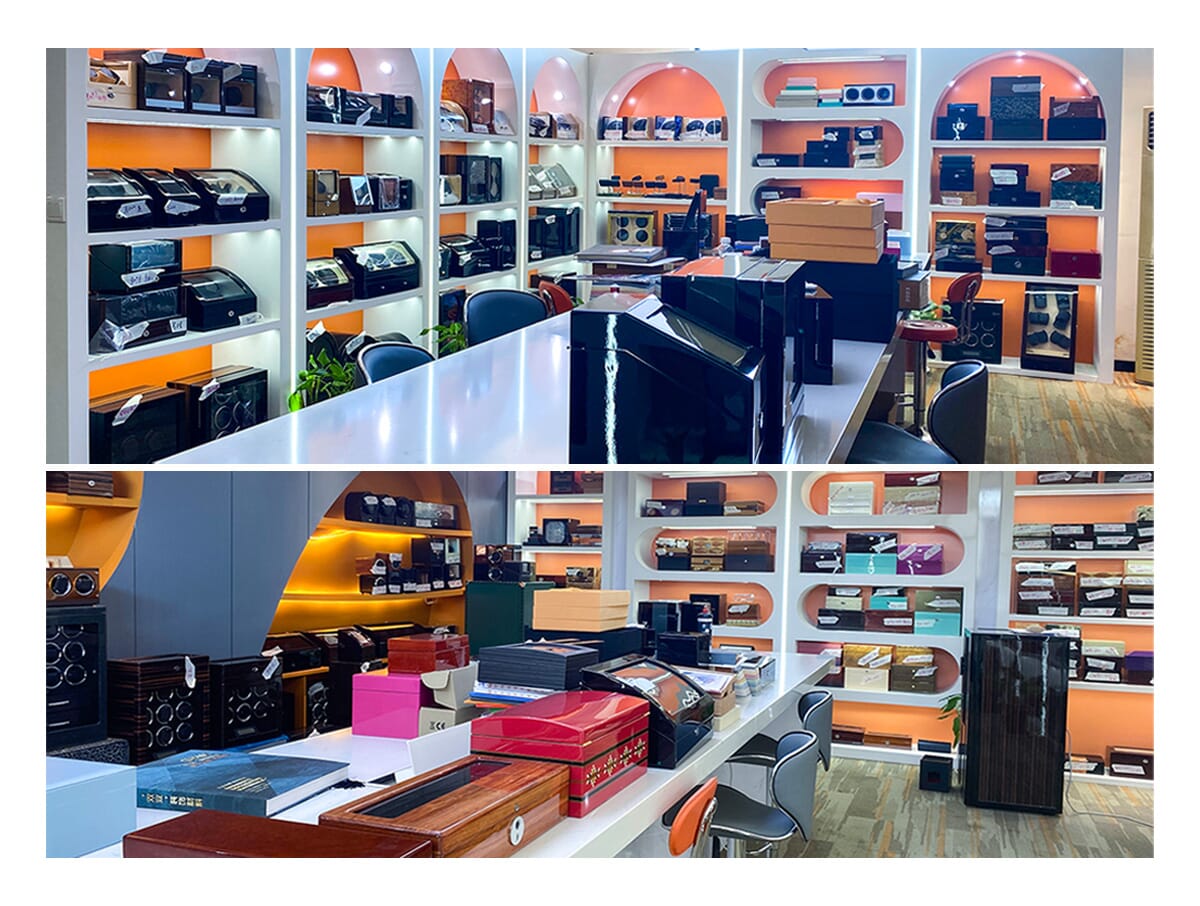
Image Suggestion: Hero image: T.WING-PAK workshop interior — small-batch workstations in the foreground, high-volume lines visible in the background. Wide angle, natural lighting, workers active at both stations.
1. The Industry MOQ Landscape
To understand what makes our model different, it helps to know what the standard looks like.
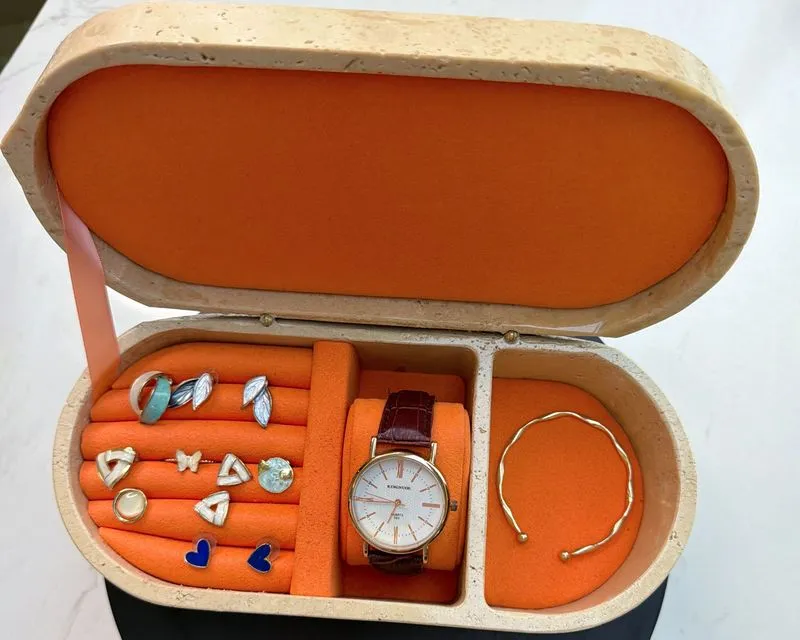
Custom luxury packaging requires significant setup at the start of each production run. For each new SKU, a factory must prepare custom die-boards, configure CNC tooling, mix a dedicated lacquer batch for color-matched finishes, and align personnel across multiple production stages. When a factory switches from a 5,000-unit bulk run to a 100-unit small-batch order, the per-unit setup cost rises sharply — to the point where many factories simply decline orders below their MOQ threshold.
The result: most manufacturers set MOQs high enough to protect their margin on small runs — or reject them outright. The table below shows representative MOQ ranges across common luxury packaging categories:
| Packaging Category | Industry Standard MOQ | T.WING-PAK MOQ |
| Custom Watch Winder | 500 – 1,000 units | 100 units |
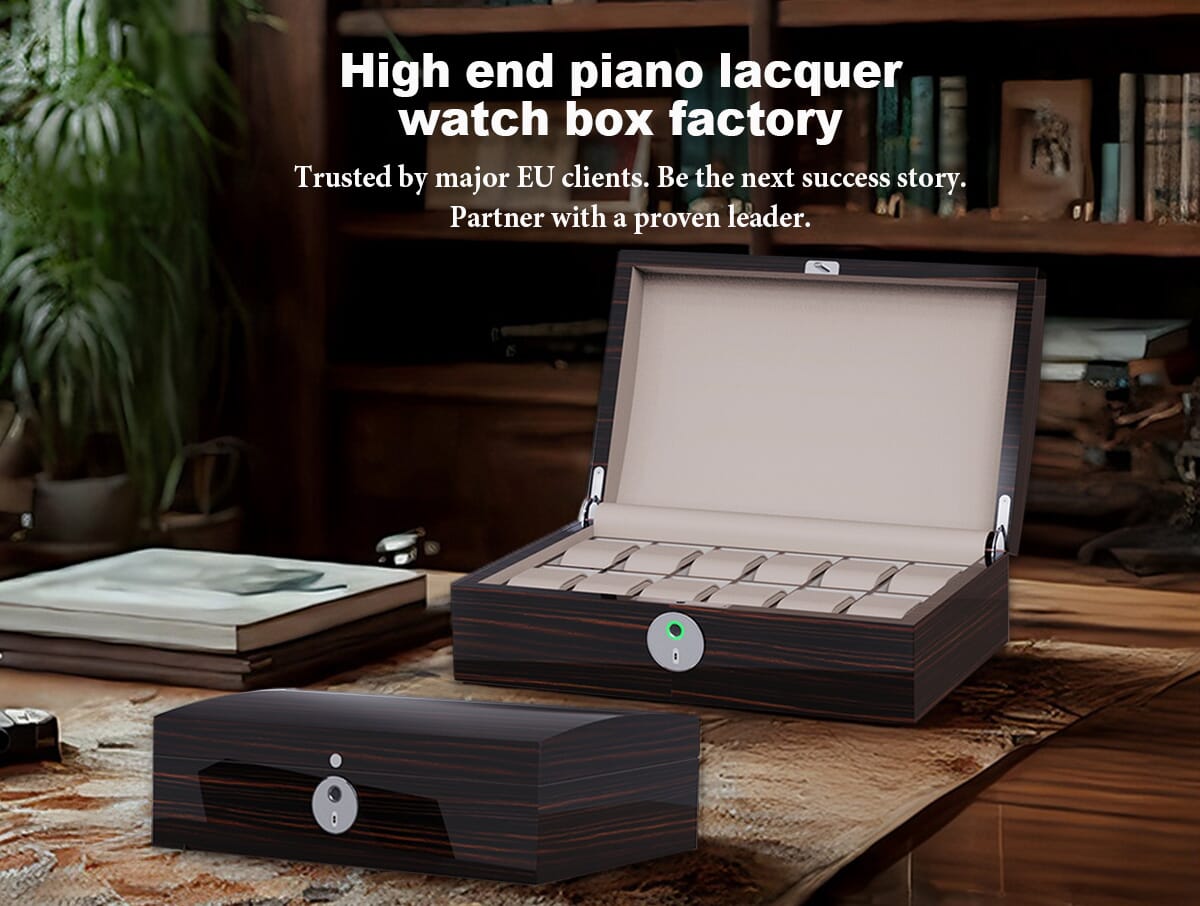
| Piano Lacquer Watch Box | 300 – 500 units | 100 units |
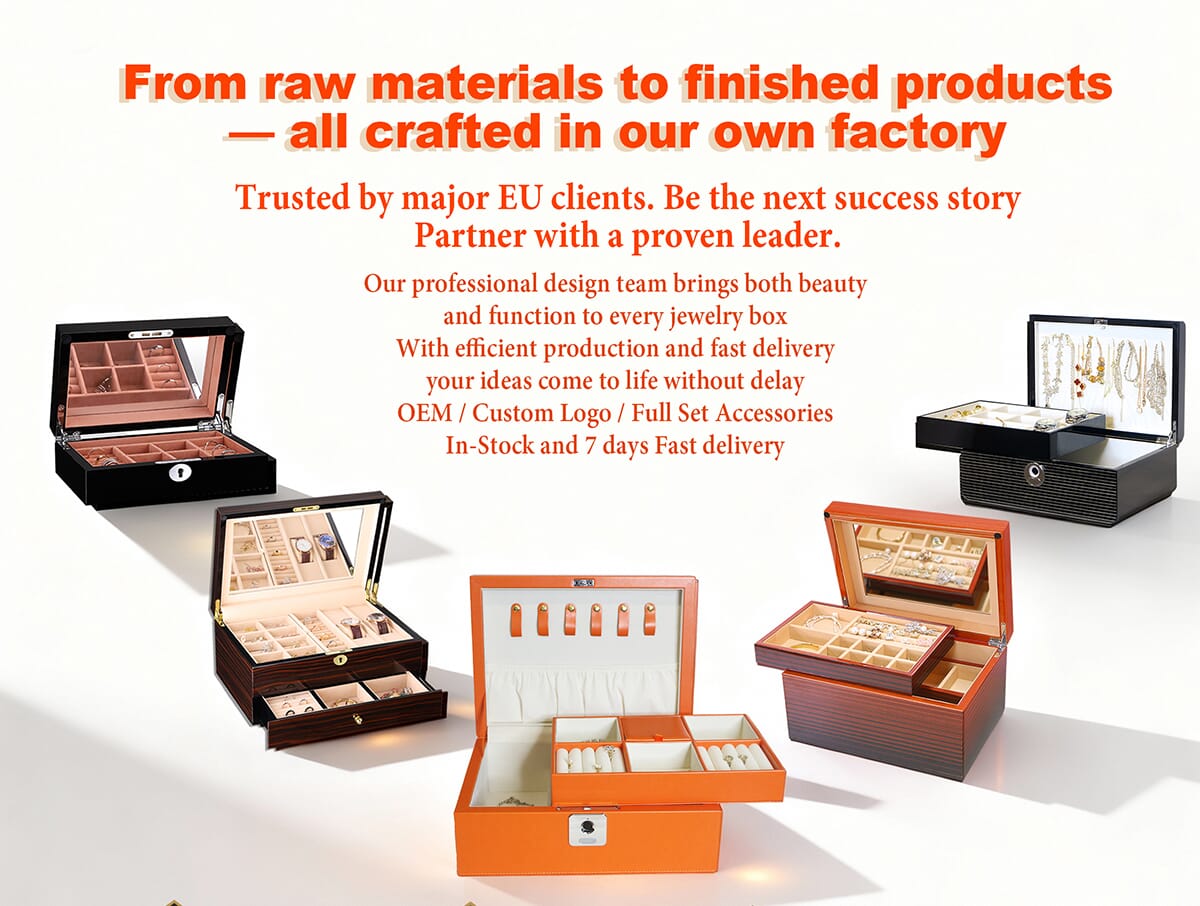
| Jewelry Box (Custom) | 300 – 500 units | 100 units |
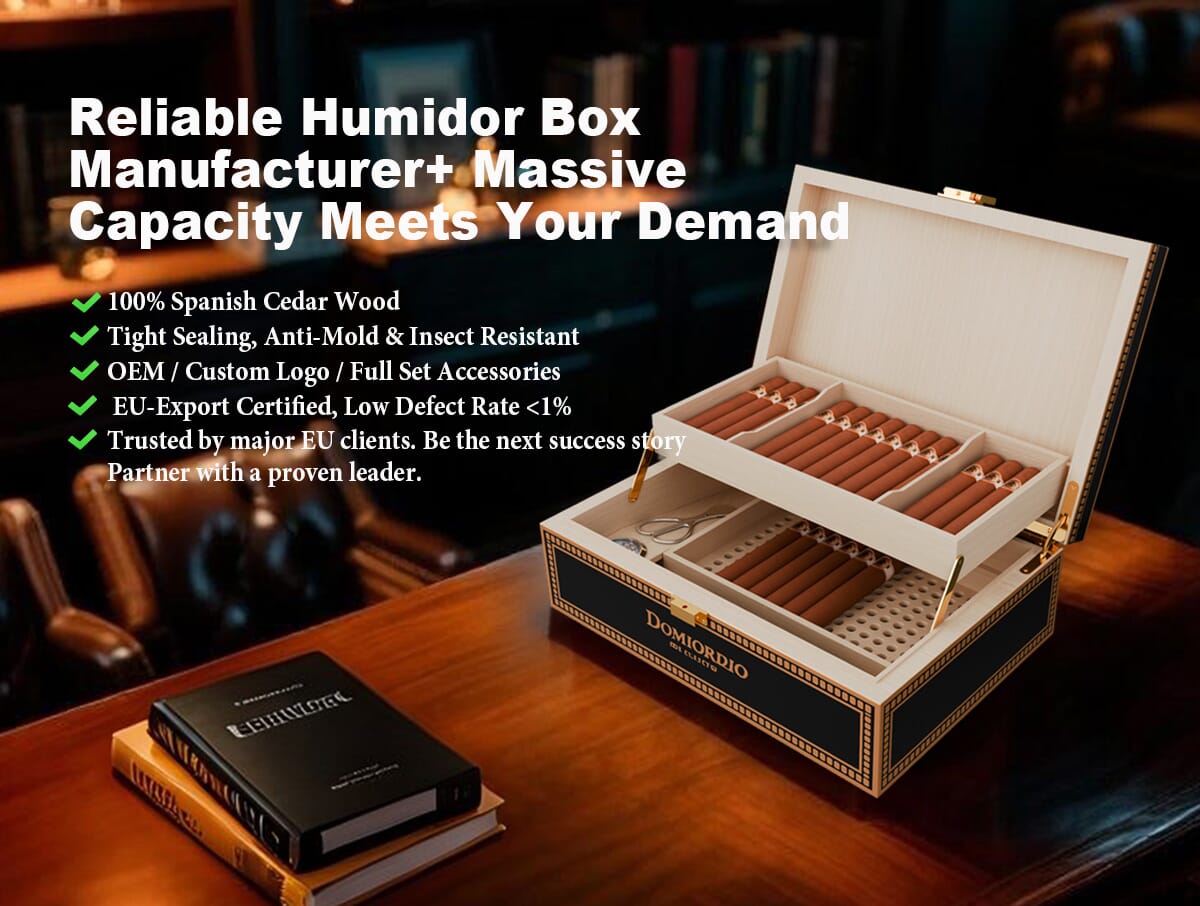
| Cigar Humidor | 500 – 1,000 units | 100 units |
| Perfume / Gift Box | 300 – 500 units | 100 units |
| Watch Roll (Leather) | 200 – 300 units | 100 units |
| Watch Stand / Display | 200 – 300 units | 100 units |
Sources: T.WING-PAK supplier benchmarking, 2024–2025 industry pricing surveys.
Image Suggestion: Infographic: Side-by-side bar chart — Industry Standard MOQ vs T.WING-PAK MOQ for each product category. Brand colors (#1A5276 and gold). Suitable for website embed and Instagram carousel.
2. Our Solution: Dual-Line Production Architecture
T.WING-PAK engineered around this constraint rather than accepting it. Instead of running a single production track and forcing all order sizes to compete for the same capacity, we built a deliberately tiered production floor:
| Production Line | Order Range | Key Features | Lead Time |
| Small-Batch Line | 100 – 500 units | Dedicated die-board team, independently assigned personnel, zero overlap with high-volume lines, 100% unit-level QC | 15 – 25 days |
| High-Volume Line A | 500 – 500,000 units | Continuous production, bulk efficiency, export carton packaging | 25 – 40 days |
| High-Volume Line B | 500 – 1,000,000 units | Priority export runs, volume pricing tiers, global logistics coordination | 30 – 45 days |
The critical design principle: the Small-Batch Line and the High-Volume Lines are operationally independent — in both equipment and personnel.
On the small-batch side, we assign dedicated team members whose sole responsibility is preparing die-boards and managing production for each small-batch order. These personnel do not rotate onto the high-volume lines. Their scheduling, their quality checkpoints, and their workflow are entirely separate.
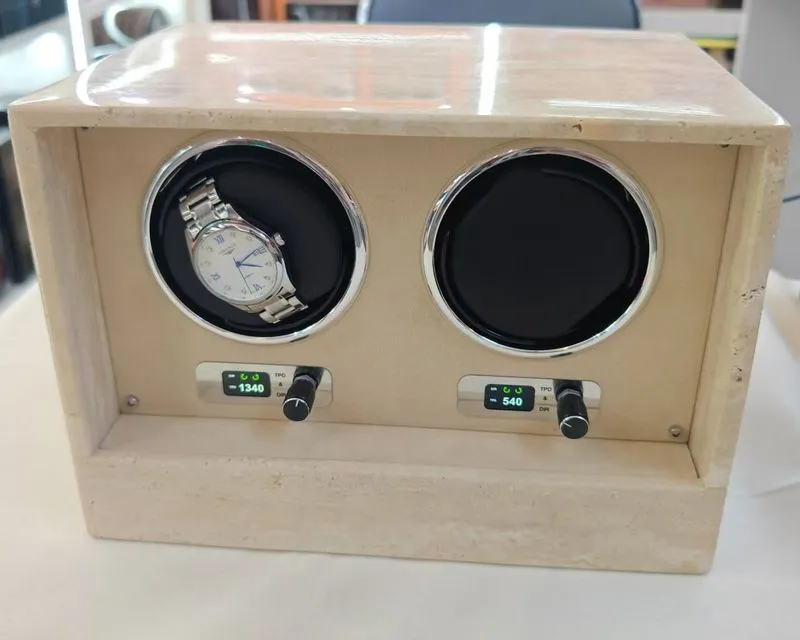
This means a 200-unit custom piano-lacquer watch winder order and a 50,000-unit jewelry box production run can be active on our floor at the same time — without either one creating scheduling pressure, personnel conflicts, or quality compromise for the other.
Image Suggestion: Diagram: Flow chart showing order routing by size — 100–500 units flow to Small-Batch Line (dedicated die-board team + independent QC); 500+ units flow to High-Volume Lines A or B. Clean minimal iconography. Suitable for website How It Works section.
3. Quality Standards Are Identical Across All Order Sizes
A common assumption in the industry is that low-MOQ orders receive lower-grade materials or abbreviated quality control. At T.WING-PAK, this is explicitly not the case.
Every unit — whether part of a 100-unit test run or a 100,000-unit bulk order — is processed through the same production standards:
| Standard | Specification |
| Piano Lacquer Coats | 10 – 12 coats, 4 – 5 sanding passes |
| QC Inspection Rate | 100% in-line inspection, defect rate < 2% |
| Motor Noise Level | < 10 dB (Japanese silent motor) |
| Surface Durability | Full gloss retained after 2 – 3 years |
| Hardware Salt Spray Test | Passed (rust & moisture resistance) |
| Certifications | UL / CE / RoHS / FSC |
| Formaldehyde | Compliant with EU & US indoor air quality standards |
Our defect rate is maintained below 2% across all order sizes. On the Small-Batch Line, this is enforced through 100% unit-level inspection at each production stage — not sampling, not batch-level checks. Every piece is individually verified before it moves to the next step.
Image Suggestion: Photo series: QC inspection process on the small-batch line — inspector examining lacquer finish under bright light, hardware pull-test, motor operation verification. 3–4 photos in a grid or carousel format.
4. Why Low MOQ Is a Brand Strategy, Not a Discount
Brands that use low MOQ effectively treat it as a strategic tool, not a cost-saving shortcut. Here’s how our partners typically approach it:
Phase 1 — Proof of Concept (MOQ 100–200 units)
Commission a small run to validate the design, photograph products for the catalog, and pitch to retail partners. Investment stays controlled while the concept is tested in the real market.
Phase 2 — Market Entry (MOQ 200–500 units)
After design is locked, a second run fills initial retail stock or launch inventory. The small-batch line handles this independently, without disrupting any ongoing high-volume production.
Phase 3 — Scale (MOQ 500–50,000+ units)
With validated design and confirmed market demand, the brand scales to high-volume production. At this stage, pricing is renegotiated at volume tiers, and the high-volume lines take over.
Brands that follow this pattern consistently achieve faster time-to-market and lower total packaging capex than those who wait until they can commit to a large MOQ from the start.
Image Suggestion: Timeline graphic: 3-phase brand journey — Proof of Concept → Market Entry → Scale. Horizontal arrow layout with T.WING-PAK production line type shown at each phase. Clean and minimal.
5. Who This Model Is Built For
Our low-MOQ capability is specifically valuable for:
Independent watch brands launching their first branded packaging and needing a controlled run before a crowdfunding campaign or initial retail listing.
Jewelry houses testing a new gift box design for an upcoming seasonal collection without committing to 500+ units of an unproven concept.
Luxury fragrance labels entering a new market (e.g., North America or the Gulf region) and requiring test quantities of gift boxes before scaling distribution.
Corporate gift programs requiring premium branded packaging in specific, often irregular quantities for annual VIP gifting, events, or key-account campaigns.
Watch & jewelry distributors sourcing custom-branded packaging for their house brand without the inventory risk of a full production run.
6. Certifications and Compliance
For brands entering the European or North American market, packaging compliance is non-negotiable. T.WING-PAK products hold the following certifications — applicable regardless of order size:
• UL (Underwriters Laboratories) — electrical safety for motorized watch winders
• CE — European conformity for sale in the EU market
• RoHS — restriction of hazardous substances, required for EU electronics compliance
• FSC — Forest Stewardship Council certification for responsibly sourced wood
• Formaldehyde compliance — all wood materials meet EU and US indoor air quality standards
All certifications are maintained across both the Small-Batch and High-Volume production lines and are available for documentation upon request.
7. Getting Started
Starting a custom packaging project with T.WING-PAK follows a straightforward sequence:
Step 1 — Send us your brief (product category, design reference, quantity, target market)
Step 2 — Receive a 3D design concept within 8 hours
Step 3 — Approve design and receive formal quotation
Step 4 — Confirm sample (15–20 day sample lead time)
Step 5 — Approve sample and release production
Step 6 — Delivery with full QC report
Kathy Mong | Business Development
T.WING-PAK Mfg. Co. Ltd., Guangzhou, China
kathy@twing-pak.com | kathy@twingpak.com.cn
+86-39100335 | WhatsApp: +86-13431139311