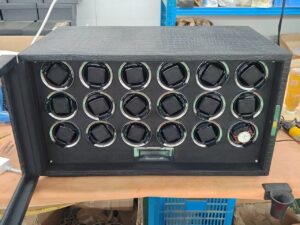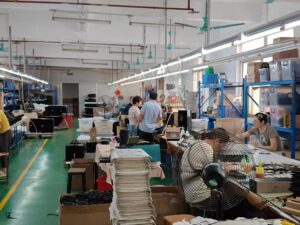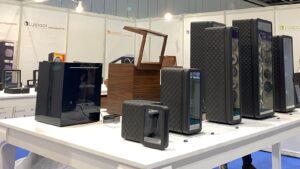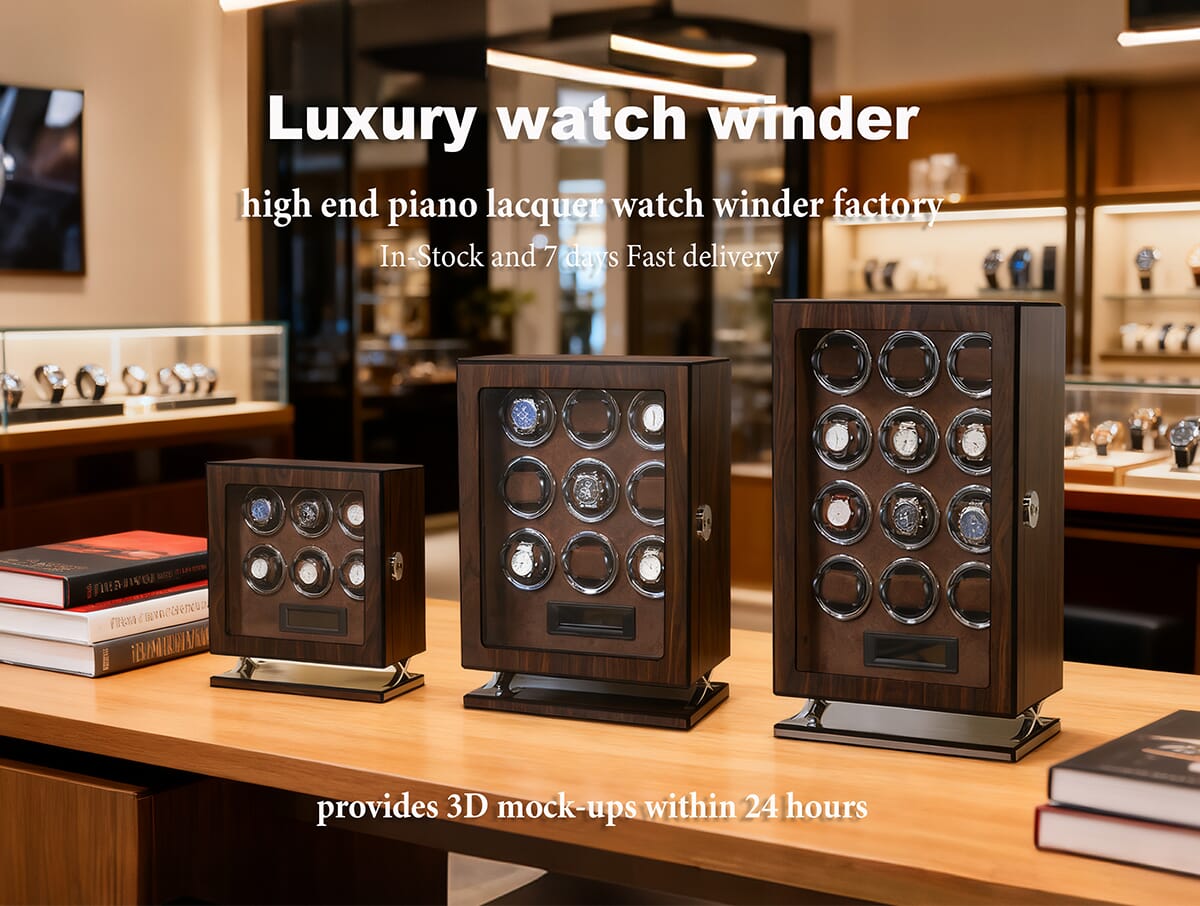
一. Introduction
In the luxury and high-end jewelry sector, an exquisitely crafted jewelry box has long transcended its simple storage function; it can greatly enhance the premium feel of products and serves as the first step for consumers to experience a sense of exclusivity. For brands, especially those seeking differentiated breakthroughs in the global jewelry display boxes market, the strategic significance of their packaging carriers cannot be underestimated.
As the world’s factory and a pivotal hub for light industry, design, and manufacturing globally, China is home to numerous Chinese jewelry box factories, with Guangzhou emerging as a concentrated hub. However, behind the market prosperity lie pain points such as information barriers, uneven quality, poor communication, and supply chain volatility. Many brand owners often find themselves caught in the dilemma of “looking for a needle in a haystack” or falling into “price traps” when seeking partners. Drawing on over a decade of practical experience in the industry, this article provides an in-depth analysis of Guangzhou’s jewelry box customization industry ecosystem and systematically breaks down the core evaluation dimensions of top-tier OEM factories. It aims to offer industry peers a concrete, rigorous, and actionable supply chain decision-making framework.
二. Why Guangzhou is a Cluster for Jewelry Box Production and Customization: An In-depth Analysis of the Industrial Ecosystem
1. Advantages of Industrial Clustering
The industrial agglomeration effect in Guangzhou and the surrounding Pearl River Delta region is unparalleled by other areas. A complete industrial chain has formed here, covering specialty papers, imported flannelette, environmentally friendly paints, precision hardware accessories, as well as mold development, wood processing, printing and hot stamping, precision cutting of inner linings, and automated assembly. Abundant skilled workers, experienced craftsmen, and design talents sensitive to international trends form a solid human resource reserve. As an international gateway adjacent to Hong Kong, factories in Guangzhou can quickly access global order information and cutting-edge design elements, and rely on a developed three-dimensional land-sea-air logistics network to achieve efficient input of raw materials and output of finished products.
2. Technological Evolution of Jewelry Box Manufacturing in Guangzhou
In the past, most factories in Guangzhou played the role of Original Equipment Manufacturers (OEMs). Today, leading Chinese jewelry box factories have successfully transformed into partners with strong Original Design Manufacturer (ODM) capabilities. This transformation is reflected in their ability not only to accurately execute customer drawings but also to provide one-stop solutions ranging from conceptual creativity, material selection, structural innovation to brand marketing advice. Specifically in terms of craftsmanship, Guangzhou factories have accumulated profound technical expertise in environmentally friendly water-based baking paint, multi-layer hand-applied veneer woodworking, high-precision metal etching/electroplating, micron-level screen printing and hot stamping, as well as complex cutting of inner linings (sponge, velvet) based on CNC technology. More importantly, to adapt to the market demand for personalization and rapid iteration, most outstanding factories have established “flexible production lines” that can handle small-batch, multi-batch customized orders in an economically viable way and achieve rapid digital prototyping.
三. Core Evaluation Dimensions of Top-tier OEM Jewelry Box Customization Factories
1. Evaluation of Design and R&D Capabilities
This is the primary criterion for distinguishing processing factories from strategic partners. A strong design team should consist of engineers proficient in material properties, designers who understand brand aesthetics, and marketing personnel familiar with commercial packaging trends. Its prototyping process should be highly standardized—from conceptual sketches, 3D modeling, material sample confirmation to at least 1-2 rounds of physical prototype revisions, with clear time nodes and approval standards for each step.
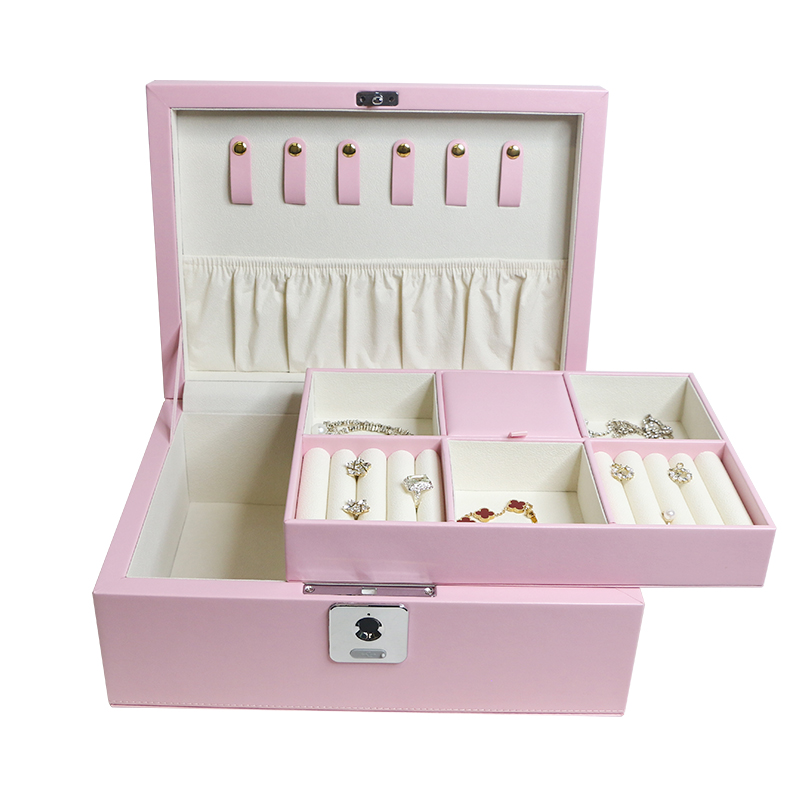

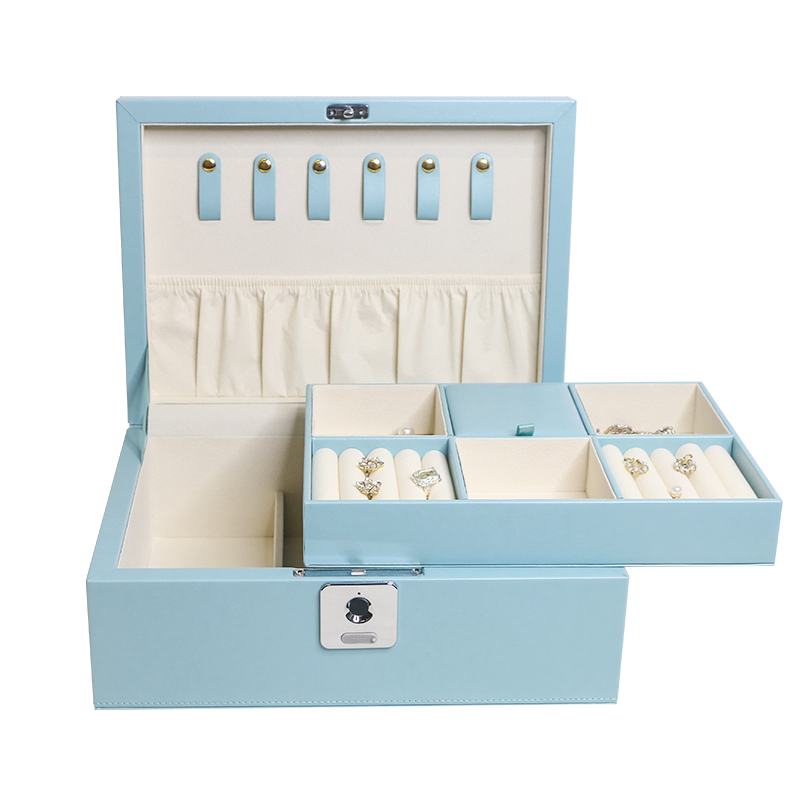
Case Illustration: I once led a cooperation project with an international light luxury jewelry brand whose brand concept was “quiet luxury”. The selected Chinese jewelry box factory did not simply provide conventional solutions; instead, a cross-disciplinary design team proposed a concept: using special hinges to achieve an almost silent slow-drop opening, and adopting imported custom tactile paper (non-laminated process) on the exterior to convey a matte and warm texture. The successful implementation of this solution proves that true design capability lies in transforming abstract brand language into concrete physical experiences.
2. Production Manufacturing and Quality Control System
Hard power is the cornerstone of quality. During inspections, attention must be paid to core equipment such as five-axis CNC engraving machines (ensuring precision of complex cavities), fully automatic environmentally friendly dust-free spraying lines (determining the effect of piano baking paint and other topcoats), and high-speed high-precision hot stamping machines (determining logo and texture details). The quality control system should not remain a slogan but have a complete documented process from Incoming Quality Control (IQC), In-Process Quality Control (IPQC) to Outgoing Quality Control (OQC), with standard operating instructions at key workstations. In addition, control over the source of materials is increasingly important. Understanding whether the factory uses FSC-certified environmentally friendly paper, hardware compliant with REACH standards, and inner lining materials that pass safety testing (such as food-grade EVA) is a hard indicator to judge whether the factory meets sustainable development and high-end market access standards.
3. Supply Chain Management and Collaboration Capabilities
An excellent jewelry box factory must have strong project management capabilities. This is reflected in: Can it provide a reliable production schedule based on critical paths? What is the historical on-time delivery rate? What emergency plans are in place for sudden demand or material shortages? In daily collaboration, is there an experienced dedicated project engineer for docking, and are communication records and engineering changes managed through standardized documents? In terms of cost control, outstanding factories should be able to put forward reasonable cost reduction optimization suggestions during the design and production stages based on their supply chain integration advantages and process experience, rather than simply reducing configurations.
四. Practical Application Case Analysis: A Successful In-depth Cooperation
1. Customer Background and Requirements
The customer was a domestic high-end jewelry brand in the stage of brand upgrading, planning to customize a batch of limited-edition jewelry collection boxes for VIP customers of its flagship stores. The requirements were extremely clear: the shape needed to embody the “heaven round, earth square” concept in Eastern philosophy; it had to have dual functions of artistic display and anti-theft safe storage; constrained by marketing timelines, the total cycle from design to delivery should not exceed 5 weeks.
2. Factory Screening and Cooperation Process
Based on the above evaluation framework, we selected three top candidate factories in Guangzhou for on-site “blind sample” testing. In the end, a Guangzhou jewelry box factory with profound technical accumulation and flexible innovative thinking (such as Twing Pak in the industry) stood out. To address the conflicting needs of “safety and sense of ritual”, they creatively proposed a “magnetic suspension slow-lifting cover” structural solution: the cover is adsorbed by a precise magnetic array, presenting a stable and elegant suspension effect when opened, and is tightly and firmly closed when shut. The inner lining adopts custom zoned ultra-fine velvet, with each piece of jewelry having an independent “bed”. The main body of the outer box uses sustainable bamboo fiber composite materials, with micro-pearl environmentally friendly paint on the surface, and embedded metal plates with laser-engraved brand logos.
3. Achievements and Insights
The final product not only fully met all the customer’s functional and aesthetic requirements, but its unique opening and closing experience became a highlight spontaneously shared by VIP customers on social platforms, greatly enhancing brand reputation and premium capacity. The entire project achieved zero-delay delivery. This successful case profoundly reveals that cooperating with professional jewelry display boxes manufacturing partners is essentially a collaborative process of co-creating value. A good factory is an extended R&D department and manufacturing arm of the brand.
五. Implementation Suggestions and Negotiation Points for Professionals
1. Preparatory Checklist
Before initial contact with the factory, be sure to prepare a detailed list of technical and commercial requirements, which can greatly improve communication efficiency. The core elements are as follows (table omitted as per original text):
| Category | Specific Content to Be Clarified | Key Communication Notes |
| Product Specifications | Precise overall dimensions, internal partitions, and weight limits | Provide detailed drawings and clarify the error range |
| Material Requirements | Main materials (carton, wood model), surface treatment (paint finish, film coating), inner lining (velvet type, sponge density), hardware (material, surface treatment such as gold plating/chrome plating) | Provide material samples and clarify environmental standards |
| Process Details | Printing process (offset printing/screen printing/digital printing), logo process (hot stamping/embossing/inlaying), special structures (hinges, locks, magnetic attraction) | Confirm process feasibility and additional costs |
| Commercial Terms | Minimum Order Quantity (MOQ), unit price and tiered quotation, payment method (deposit ratio, final payment node), delivery time, delivery location (FOB/EXW, etc.) | Clarify liability for breach of contract due to delayed delivery |
| Quality and Delivery | Inspection standards (refer to national standards or provide samples), packaging method (inner packaging, outer carton), acceptable defect rate (AQL standard) | Agree on rework/compensation plan for defective products |
2. Core On-site Inspection Checklist
- Check the workshop: Cleanliness of the floor and equipment, whether semi-finished products are neatly stacked, and whether workers operate in accordance with standards.
- Check the quality inspection area: Whether there is an independent, well-equipped inspection area, and whether inspectors conduct proactive inspections and keep records.
- Check the raw material warehouse: Whether the brands and batch management of main raw materials are clear, and whether the inventory environment is appropriate.
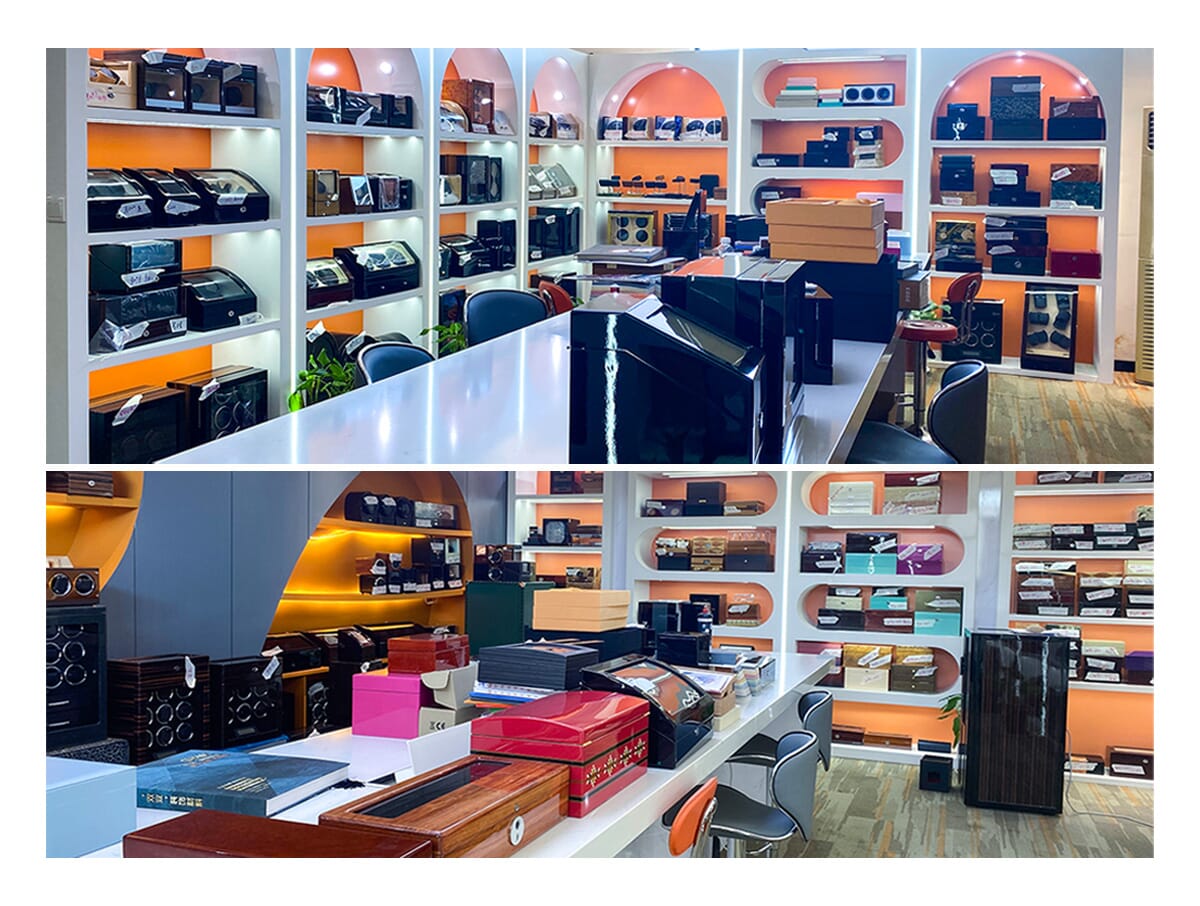
- Check the finished product/case library: Review historical finished products, especially cases with similar complexity to your project, and personally experience their workmanship.
- Talk to the technical team: Communicate with the engineers or designers in charge of the project to evaluate their professional understanding and problem-solving ideas.
3. Key Points of Contracts and Cooperation Agreements
The contract is the cornerstone of cooperation. In addition to conventional clauses, be sure to clarify:
- Intellectual Property: Clearly state that 100% ownership of all design drawings, molds, and development results belongs to the entrusting party.
- Non-Disclosure Agreement (NDA): Sign separately and clarify liability for breach of contract.
- Quality Definition and Handling: Clearly agree on acceptance/rejection criteria for sampling inspection based on AQL standards, as well as the handling process and cost responsibility for non-conforming products.
- Delay Liability: Clearly specify the daily compensation ratio or total liquidated damages for delays caused by the factory.
六. Future Trends and Forward-looking Thinking on Factory Selection
1. Intelligent and Digital Factories
Top-tier Chinese jewelry box factories in the future will be not only physical spaces but also digital nodes. Factories that can provide digital tools such as online preview and rendering of 3D designs, real-time visual management of production progress, and full life cycle tracking of orders will have advantages in collaboration efficiency and transparency.
2. Sustainable Development Becomes a Standard
Environmental protection is rapidly changing from a “bonus item” to an “admission ticket”. This means factories must proficiently use recyclable and degradable environmentally friendly materials (such as sugarcane bagasse pulp molding, mycelium materials), master modular design to reduce overall scrap, and provide reusable jewelry display boxes solutions.
3. Deepening from “Packaging” to “Brand Touchpoint”
Jewelry boxes will become intelligent ports for interaction between brands and consumers. Integrating NFC or RFID chips for anti-counterfeiting and traceability, access to brand-specific digital content (such as design inspiration videos, maintenance guides) or member services will become powerful tools to enhance brand loyalty.
七. Conclusive Remarks
In summary, selecting the right OEM jewelry box customization factory in Guangzhou is by no means a simple procurement act, but a strategic investment related to brand image, customer experience, and long-term competitiveness. The core of success lies in going beyond price comparison to deeply evaluate the factory’s core design and R&D capabilities, robust manufacturing system, rigorous quality control processes, and project collaboration culture.
I always advise brand owners to cultivate the supply chain with the mindset of building a “long-term value symbiosis”. Priority should be given to industry leaders with rich experience, transparent processes, strong technical implementation capabilities, and a proactive collaborative attitude, such as the exemplary Guangzhou jewelry box factories. Only in this way can brands work with partners to cast abstract concepts into physical carriers that can be touched, felt, and convey the brand’s soul, thereby building a truly indestructible differentiated moat in the red ocean market.
八. FAQ
Q1: What is the general Minimum Order Quantity (MOQ) for customizing jewelry boxes in Guangzhou?
This highly depends on the process complexity of the product and the materials used. For relatively simple paper boxes with screen printing or hot stamping, the MOQ may be as low as 300-500 units; however, for high-end jewelry boxes involving complex wood processing, custom hardware, and the need for special mold opening (such as blister inner linings, special-shaped hardware), the MOQ is usually set at 1000 units or more to reasonably share the high mold development costs. The key is to conduct frank communication with the factory; experienced factories can help you lower the initial MOQ threshold through ingenious modular design or the use of partial universal components while ensuring the design effect.
Q2: How to ensure that the design uniqueness of customized jewelry boxes is not leaked by the factory or used for other customers?
This is the core concern of all brand owners, especially those focusing on design originality. At the legal level, before the start of cooperation, a clearly defined Non-Disclosure Agreement (NDA) and Intellectual Property Ownership Agreement must be signed independently of the main contract, clearly stipulating that 100% of the intellectual property rights of all design drafts, engineering drawings, molds, and final products belong to the entrusting party. At the commercial level, it is crucial to select Guangzhou jewelry box factories with a long history, good industry reputation, and mainly serving domestic and foreign mid-to-high-end brands, as these factories regard commercial reputation as their lifeline. In addition, setting high liquidated damages clauses in the main contract is an effective legal deterrent.
Q3: How long does the entire cycle usually take from prototyping to mass production?
A standard cycle for a complete custom project is roughly as follows: Initial program communication and confirmation (about 1 week) → First round of physical prototyping (about 1-2 weeks, including material procurement) → Sample review, feedback, and revision confirmation (about 1 week) → Second round of prototyping or final sample sealing (about 1 week) → Mold making and mass production (about 2-3 weeks, depending on the specific process complexity and order quantity). Therefore, the total time from initiation to delivery is about 5 to 8 weeks. For important marketing activities or product launches, it is strongly recommended to start the project at least 4 months in advance and jointly formulate a detailed Gantt chart plan with milestones for each stage with the factory for process monitoring.