Related reading
- Custom Watch Winder & Watch Box OEM: A B2B Buyer’s Guide
- How to Choose an OEM Watch Winder Manufacturer: A Buyer’s Checklist
- How to Specify a Commercial Watch Winder Motor
- Single vs Multi Watch Winder: Which Should Your Brand Launch First?
Choosing a custom watch winder factory is the single biggest quality decision in a private-label program. The factory you pick decides how quiet the motor runs, how straight the stitching stays after a year on a shelf, and whether your reorder looks exactly like your first order. Yet many B2B buyers still select suppliers from marketplace listings alone – and discover the difference only after customer returns arrive. This checklist explains how to evaluate a watch winder manufacturer the way professional procurement teams do, before any money changes hands.
Why the Factory Decision Matters More Than the Price List
Two suppliers can quote nearly identical prices for the same single watch winder and deliver completely different products. The reason is that a watch winder is a mechatronic product, not just a box with a motor in it. Cabinet tolerances, motor mounting, gear alignment and firmware presets all interact. A factory that assembles and tests its own winding modules can hold those variables together; a trading company that subcontracts everything cannot. When your brand sells a single automatic watch winder under its own name, that factory capability is what customers experience as “it just works”.
Check 1: A Real Production Floor, Not a Showroom
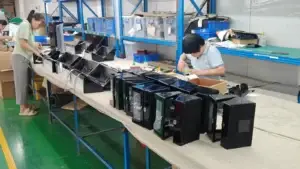
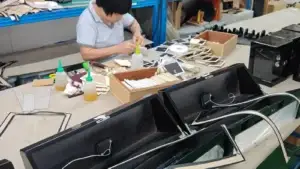
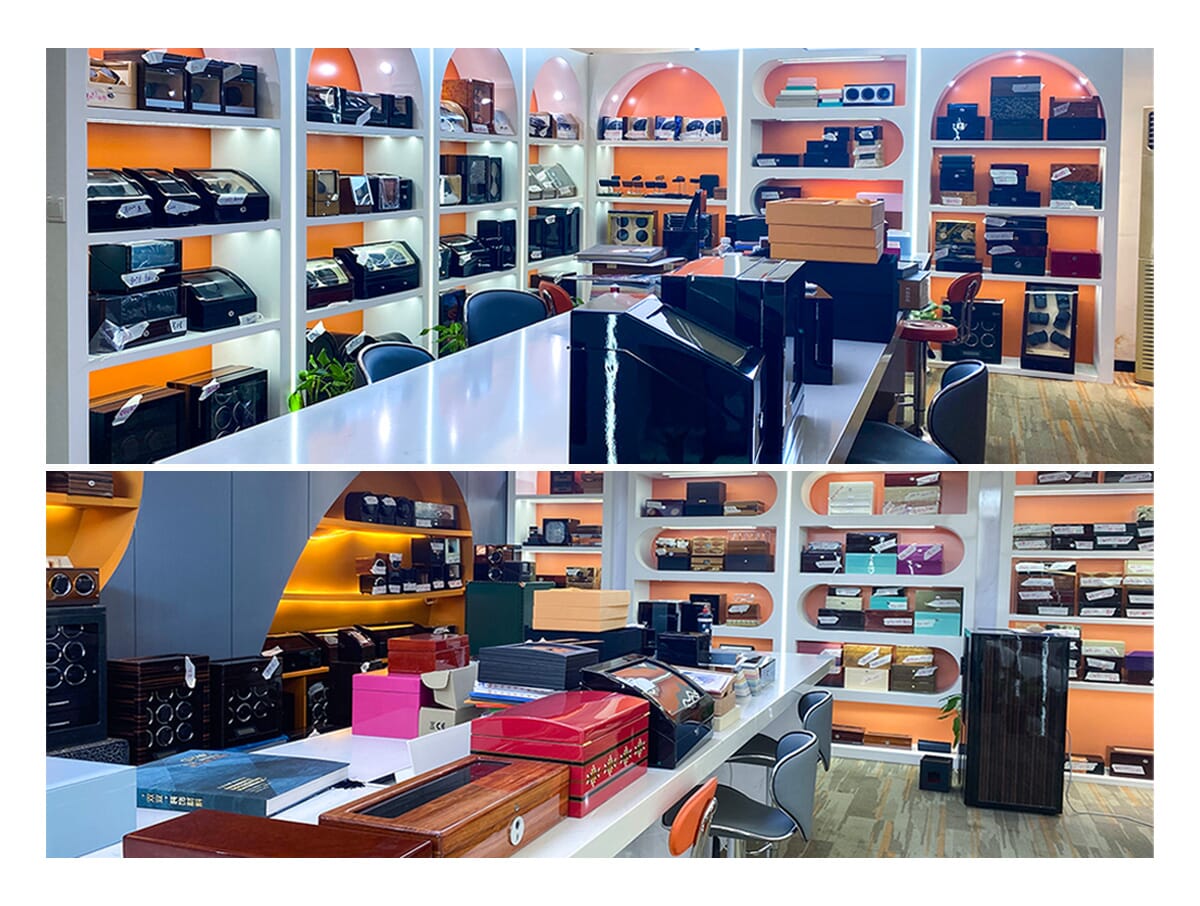
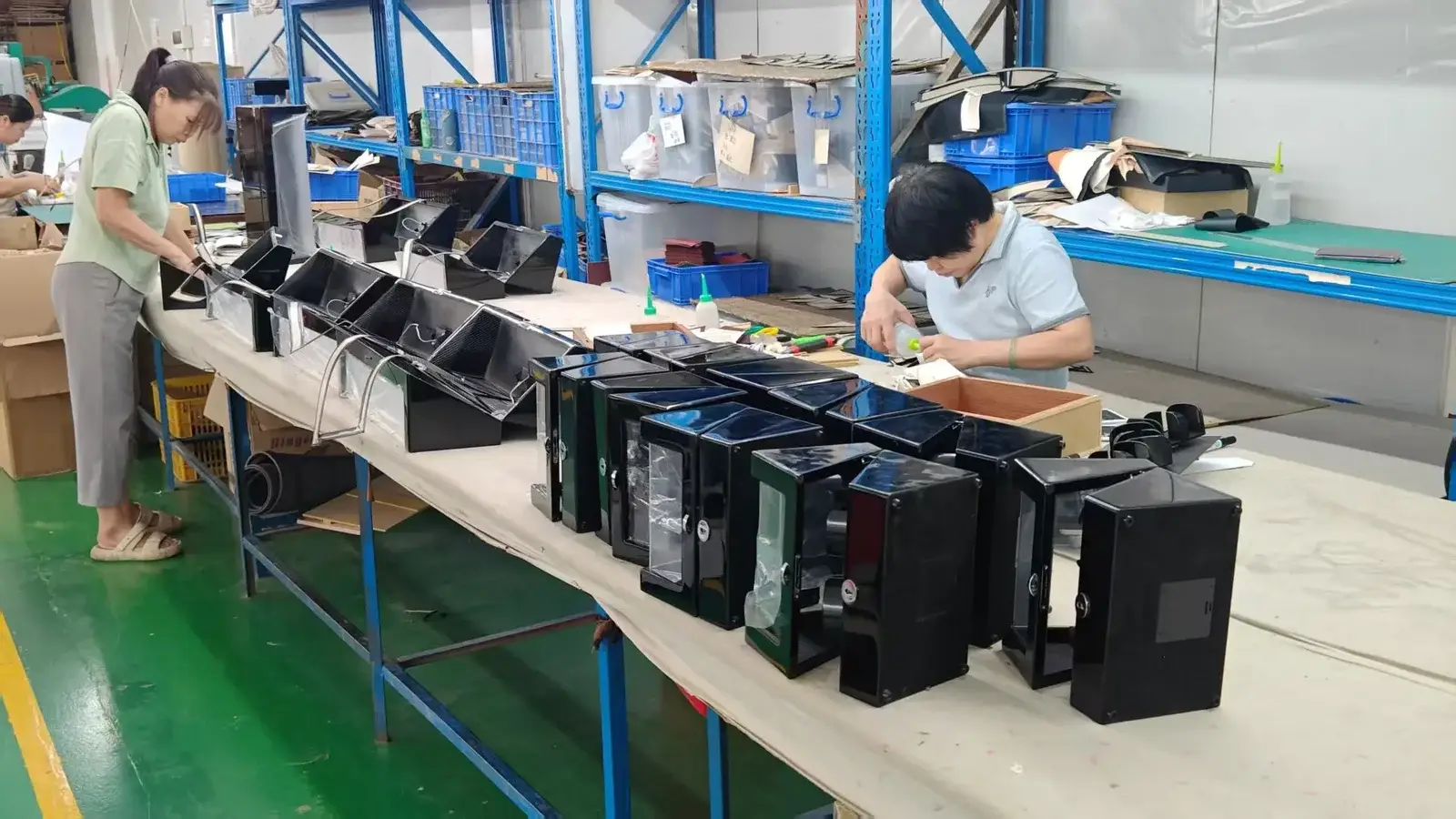
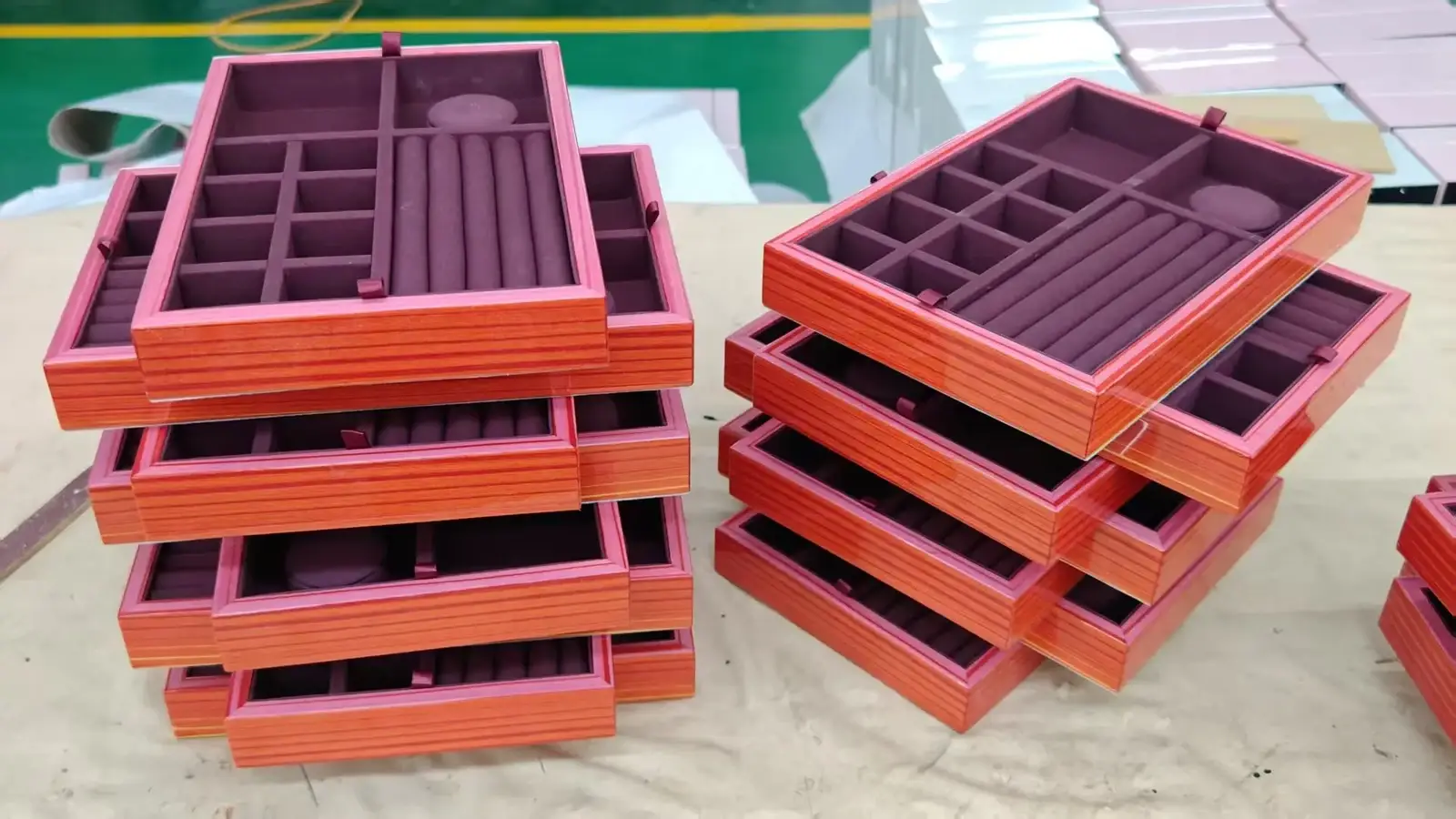
A genuine custom watch winder factory controls the core processes in-house: woodworking or molding for cases, wrapping and stitching, rotor assembly, and final testing. During a factory audit – virtual or on-site – look for dedicated stations for each stage rather than one general assembly room. Ask which processes are outsourced and to whom. There is nothing wrong with outsourcing commodity steps, but if the motor module, the electronics and the case are all bought elsewhere and merely screwed together on site, you are buying from an assembler, not a maker. That difference shows up in your ability to request changes mid-project.
Check 2: Motor and Electronics Ownership
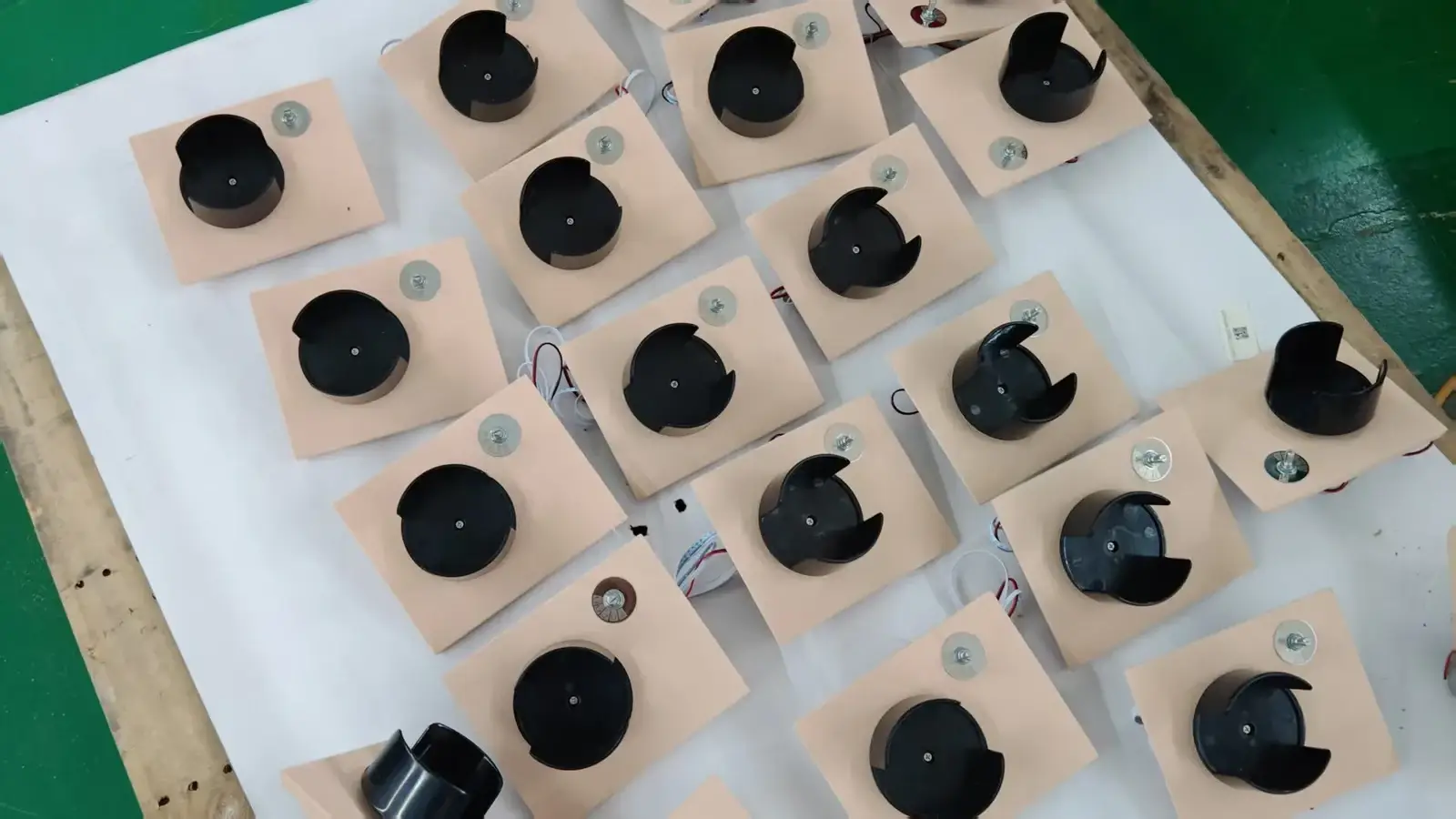
The winding module is where most quality complaints originate: noise, stalled rotors, inconsistent TPD and early failures. A capable factory specifies its own motor class, tests noise levels against a decibel target, and programs rotation presets itself. Expect a maker to discuss motor selection for commercial watch winders in concrete terms – start-up torque, sound pressure under load, MTPA heat behavior – rather than simply claiming a “Japanese motor”. Ask to see the test bench. In our own production, every winding module is run through noise and endurance checks before a case is closed, because a winder that cannot pass a quiet-room test will fail the customer’s bedroom test.
Check 3: Programmable TPD and Rotation Presets
Windability is a brand promise your retail customers will test. A factory-grade product offers selectable turns per day and direction – clockwise, counter-clockwise and bi-directional – so one SKU can serve most automatic movements. If the terminology feels unfamiliar, our TPD settings guide explains the standard preset ladder and which watches belong where. Ask the factory how presets are implemented: a labeled touchscreen or dial that a consumer can understand without a manual is a sign of mature design; hidden DIP switches inside the case are not.
Check 4: Sampling Discipline – From 3D Rendering to Working Sample
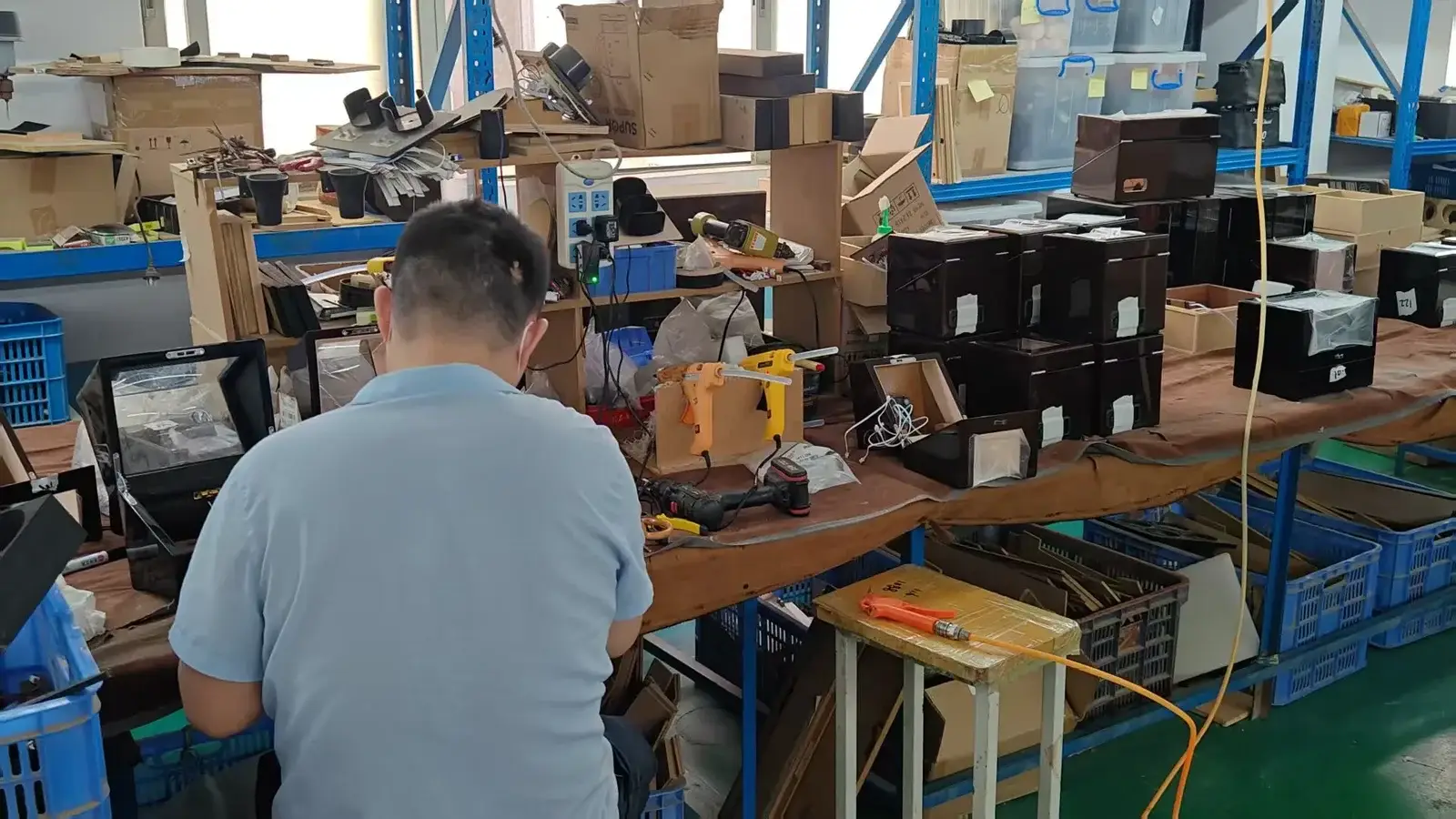
How a factory handles samples predicts how it will handle your bulk order. A disciplined OEM flow looks like this: you send a logo, dimensions and material preference; the engineering team returns a 3D rendering within hours, not weeks; and a physical sample with real materials, stitching and an operating module follows in days. Our own program commits to 3D renderings within 8 hours and a physical sample in 7 days from confirmed specifications. When auditing any supplier, ask what specifically the sample includes – a sample with a borrowed motor tells you nothing about the module you will receive at volume, so insist on a production-representative module.
Check 5: Quality Control and AQL Sampling
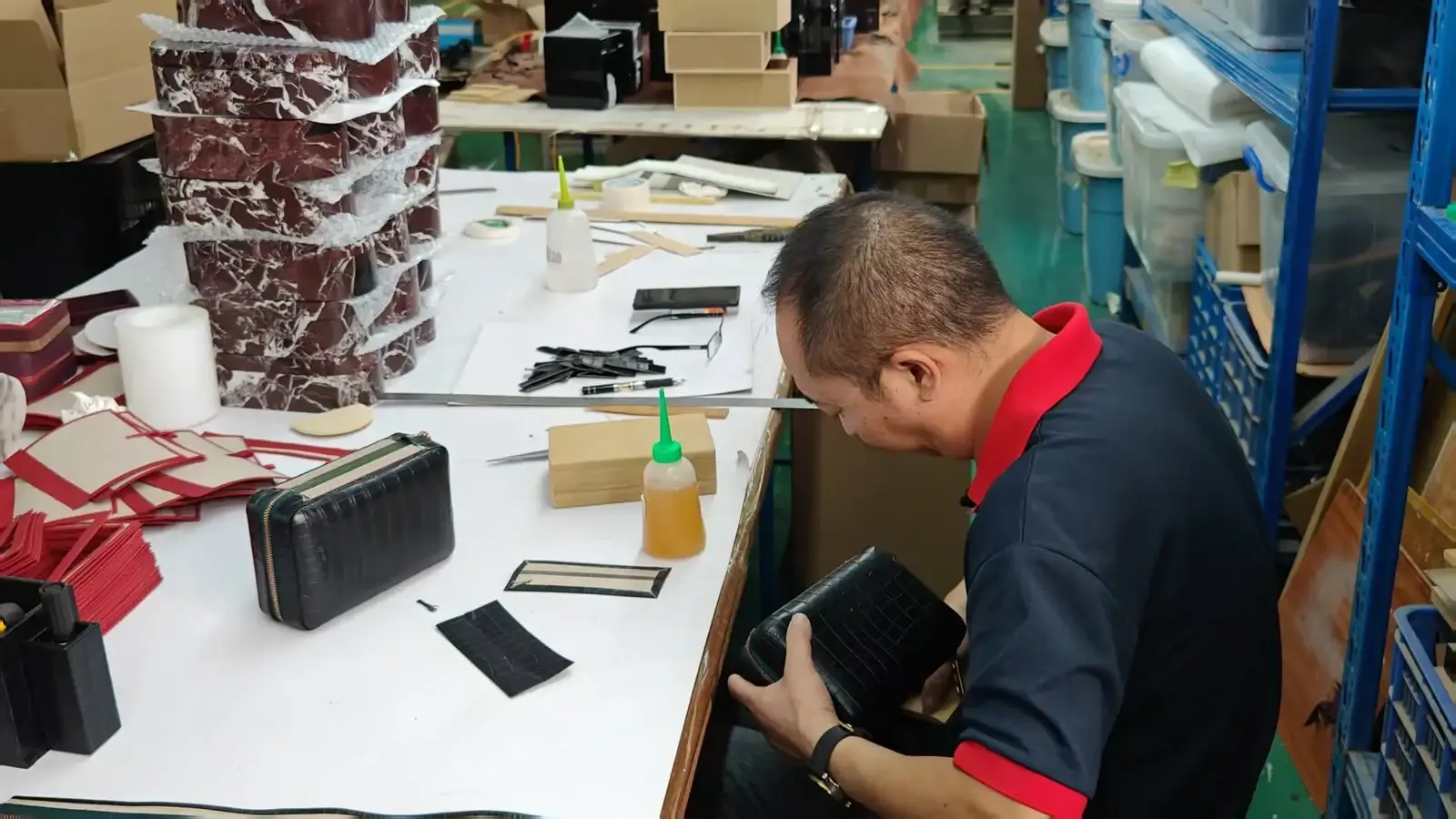
Bulk quality lives or dies on statistical control. Ask the factory which AQL level it samples against, what defects are classified as critical versus major, and what happens to a failed lot. For watch winders, a reasonable QC plan covers appearance (lacquer orange peel, leather grain mismatch, stitching drift), function (noise, TPD accuracy, rotor stall), and safety (power supply certification). A factory that quotes AQL numbers unprompted is a factory that has failed audits before and fixed them. One that says “we check every piece by eye” has no system at all – no custom watch winder maker can sustain manual-only inspection at scale.
Check 6: Materials, Compliance and Sustainability
European and North American retailers increasingly ask for documentation, not adjectives. A maker should state clearly which regulations its materials comply with – for example REACH and RoHS-relevant requirements for coatings, adhesives and power supplies – and offer certified wood options such as FSC-sourced substrates, which we explain in why FSC-certified wood matters for packaging. Water-based, low-VOC adhesives and finishes are now standard for export programs. If a supplier cannot produce a material compliance statement for the exact paint and glue in your sample, treat that as a blocker, not a formality.
Check 7: Range Depth – From Single Unit to Cabinet
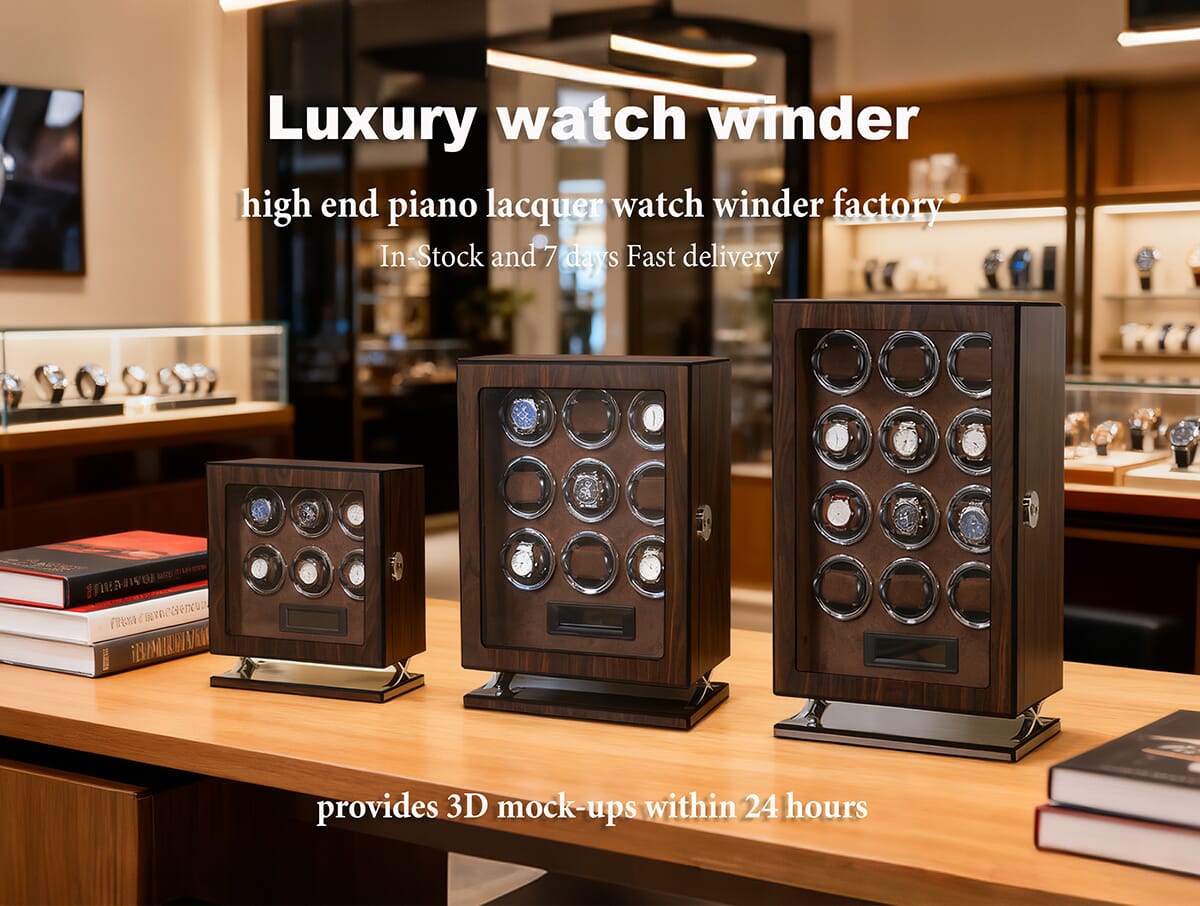
Brands rarely stay at one SKU. You may launch with a single winder, add a double for couples’ gifting, then extend into a multi-rotor watch winder cabinet for collectors. A factory with genuine platform thinking can extend your design language across the range – same leather, same hardware, same cushion – so the collection reads as one family. Before committing, ask to see two projects where the client scaled from a single model to a lineup, and check that the shared components actually match. Our single vs multi watch winder comparison shows how the range decision affects margins and return rates.
Check 8: Communication and Project Management Signals
Soft signals predict hard outcomes. How fast does the factory answer a technical question – with a precise reply plus a rendering, or with a generic catalogue? Does a named engineer own your project, or does the conversation restart with every message? Can they tell you, without checking, the current lead time on your target configuration? For OEM programs our stated rhythm is simple: quotations and renderings within one working day, samples in 7 days, bulk in 20 to 30 days from sample approval at an MOQ of 50 to 100 pieces. Whatever factory you choose, hold them to numbers like these in writing.
Red Flags: You May Be Talking to a Trader
None of these prove a supplier is a middleman, but three or more together should lower your trust:
- Refuses a virtual factory tour or offers only edited video clips.
- Cannot explain the winding module’s motor, noise target or TPD implementation.
- Quotations change materially between messages for identical specifications.
- Sample arrives with a different module than the bulk quotation specifies.
- No AQL, noise or endurance testing can be documented.
Frequently Asked Questions
What is a reasonable MOQ for custom watch winders?
For a true factory program, an OEM minimum order quantity of 50 to 100 pieces per design is realistic, with minor logo customization sometimes allowed on existing platforms. Anything dramatically lower usually means semi-custom branding rather than a genuinely tailored product.
How long does a custom watch winder sample take?
After specifications are confirmed, a working sample should ship within about 7 days; 3D renderings for approval should arrive within 8 hours. Longer timelines usually indicate outsourced engineering.
How long is bulk production for OEM watch winders?
Bulk production of 20 to 30 days from sample approval is a dependable planning figure for orders at the 50-100 piece MOQ and moderately above, including QC and packing.
What noise level should a quality watch winder meet?
A well-built winder with a quality motor should run below roughly 10 dB at typical listening distance – quiet enough for a bedside table. Ask how the factory measures it.
How do I verify a factory without visiting China?
Request a live video walkthrough of specific production stages, ask for a sample built with the production module, demand AQL and noise test records, and start with a small first order placed directly against written specifications.
Auditing a custom watch winder factory for your brand? Guangzhou T.wing-Pak Mfg Co., Ltd. manufactures winders and watch boxes end to end – 3D renderings within 8 hours, samples in 7 days, bulk in 20-30 days from an MOQ of 50-100 pieces, with AQL-based QC on every batch.
Send your logo, slot count and target market for a factory-direct quotation and virtual tour.