Picking between a single watch winder and a multi-watch model is one of the most common decisions in this category, for both consumers and the retailers who serve them. This article compares one, two, four and six-position formats, explains who needs a winder at all, and gives a simple method for matching configuration to collection size. Retail buyers and brand planners can use it to build a balanced watch winder range.
Who Needs a Watch Winder, and How Many Positions?
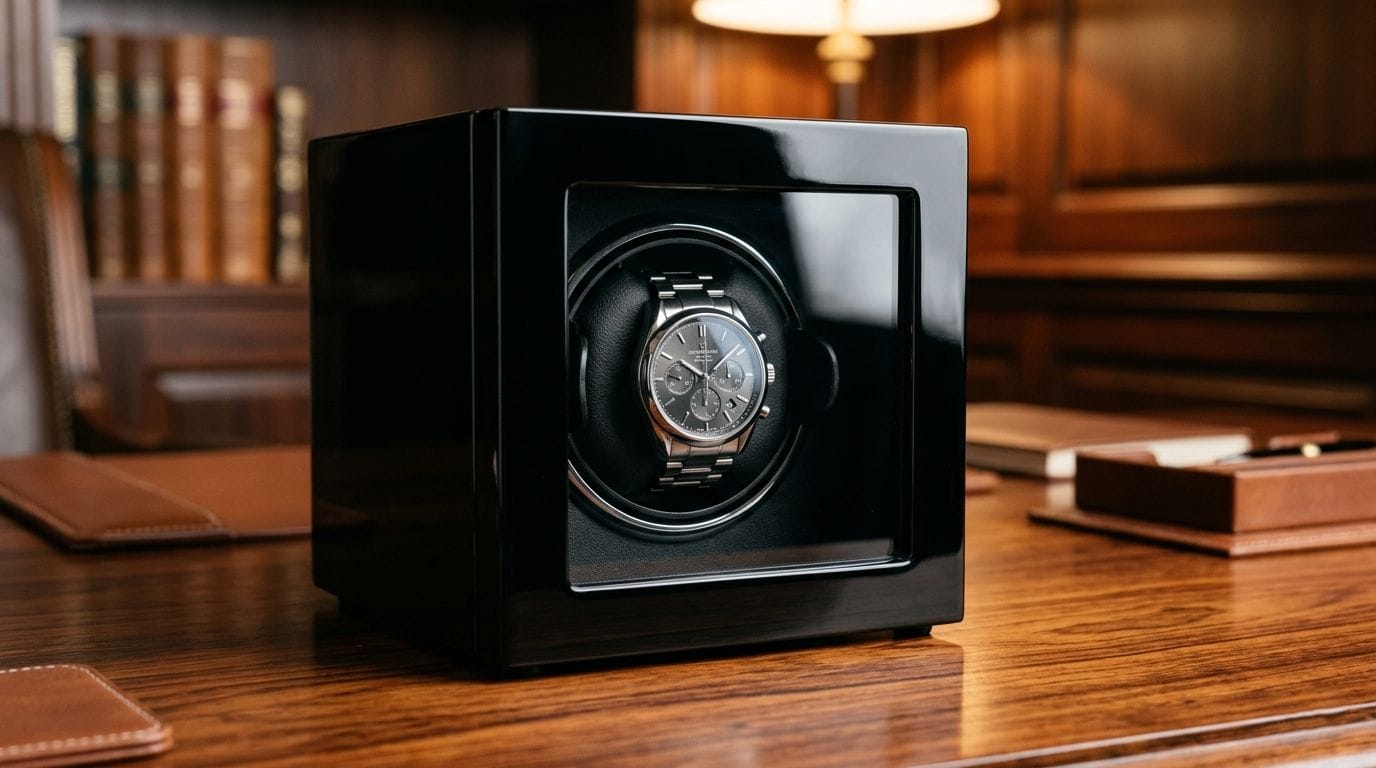
A watch winder rotates an automatic watch to imitate wrist movement so the mainspring stays charged while the watch is off the wrist. It only helps automatic watches: it cannot wind a manual watch, and it does nothing for a quartz watch (The 1916 Company). Most automatic watches offer a power reserve of roughly 36 to 48 hours, so a watch left alone for several days will stop (T3).
Who benefits most
- Owners of complication-heavy automatics, such as perpetual calendars, that are annoying to reset.
- Collectors with three or more automatic watches who do not wear each one every few days (Mio Jewelry).
- Owners who prefer a safe, tidy display place over a drawer.
Who may not need one
If someone owns one automatic watch and wears it daily, or rotates through several watches often, the power reserve rarely runs out (T3). Owners of quartz and manual watches also gain little. Being honest about this helps your retail team build trust and cut returns.
Comparing Winder Formats and Choosing by Collection Size
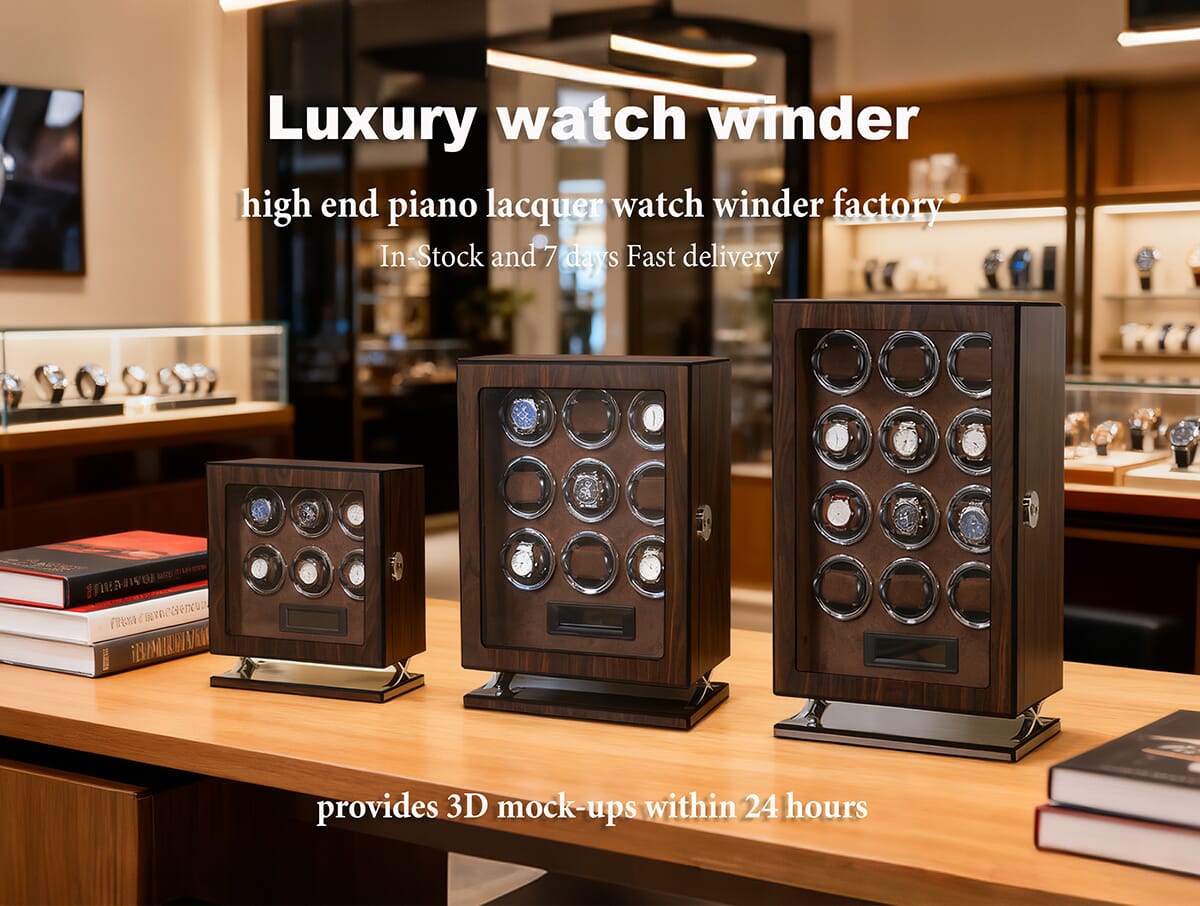
The table summarizes typical formats. Layouts and specifications vary by manufacturer, so use it as a planning guide rather than a fixed standard.
| Format | Best for | Advantages | Trade-offs |
|---|---|---|---|
| Single position | One prized automatic, gift buyers | Compact, lower price, easy to place on a desk or bedside | Several units needed for a collection |
| Double position | Couples, owners of two main watches | Good entry into multi-watch use; one power supply | Limited growth room |
| Four position | Growing collections | Balanced size and capacity; often adds storage slots | Larger footprint |
| Six position and above | Serious collectors and display use | Centralized storage; independent settings per slot in better models | Higher price; heavier shipping |
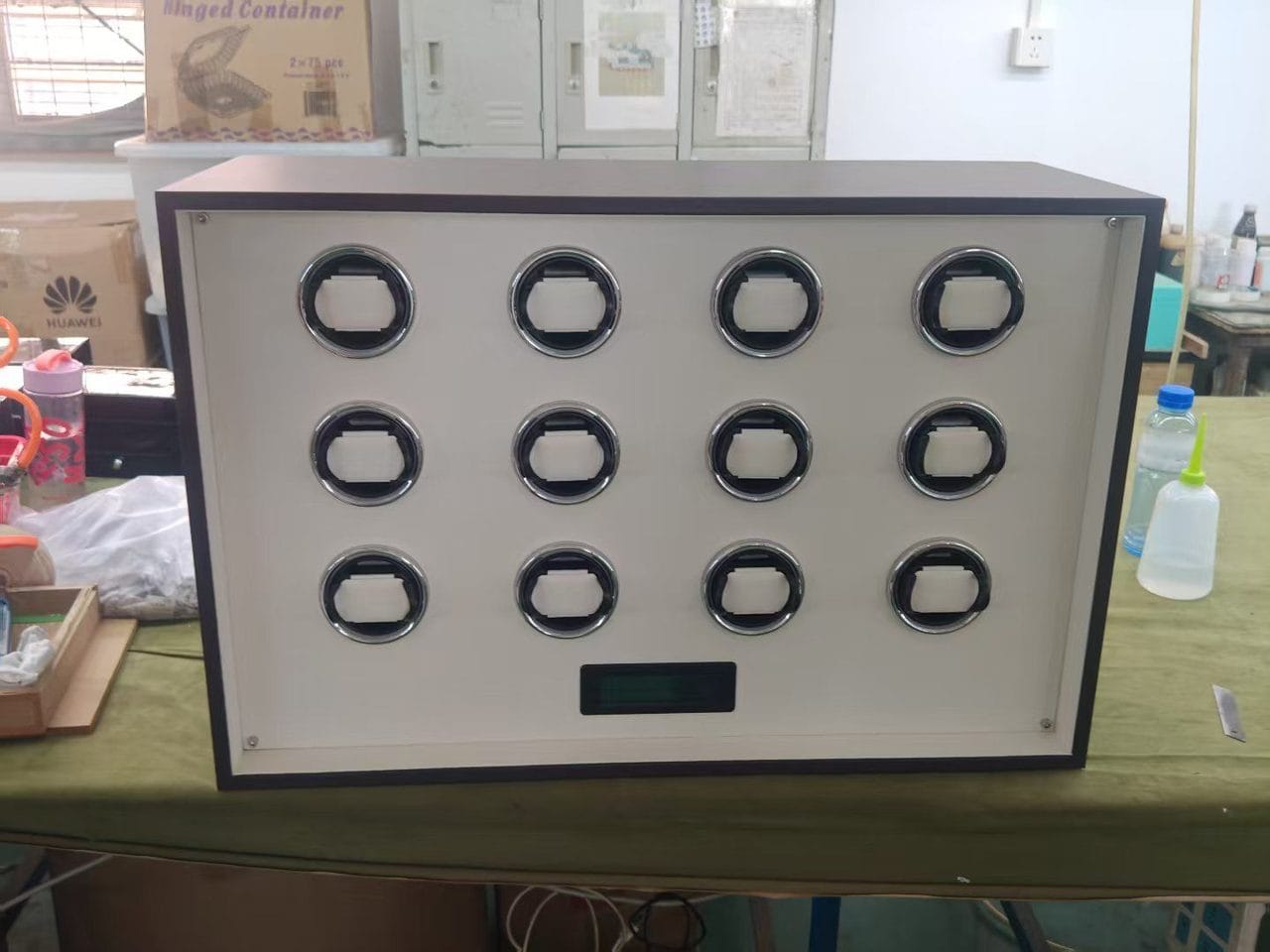
A five-step method to recommend the right size
- Count the automatic watches. Exclude quartz and manual pieces from the rotating slots.
- Estimate wear frequency. Watches worn weekly or less are the strongest candidates for winding.
- Check the movements. Note any unidirectional chronographs or unusual TPD needs, because they require adjustable settings.
- Plan for growth. Suggest a size one step above current needs when budget allows.
- Confirm space and power. Measure the display location and check for a nearby outlet or battery option.
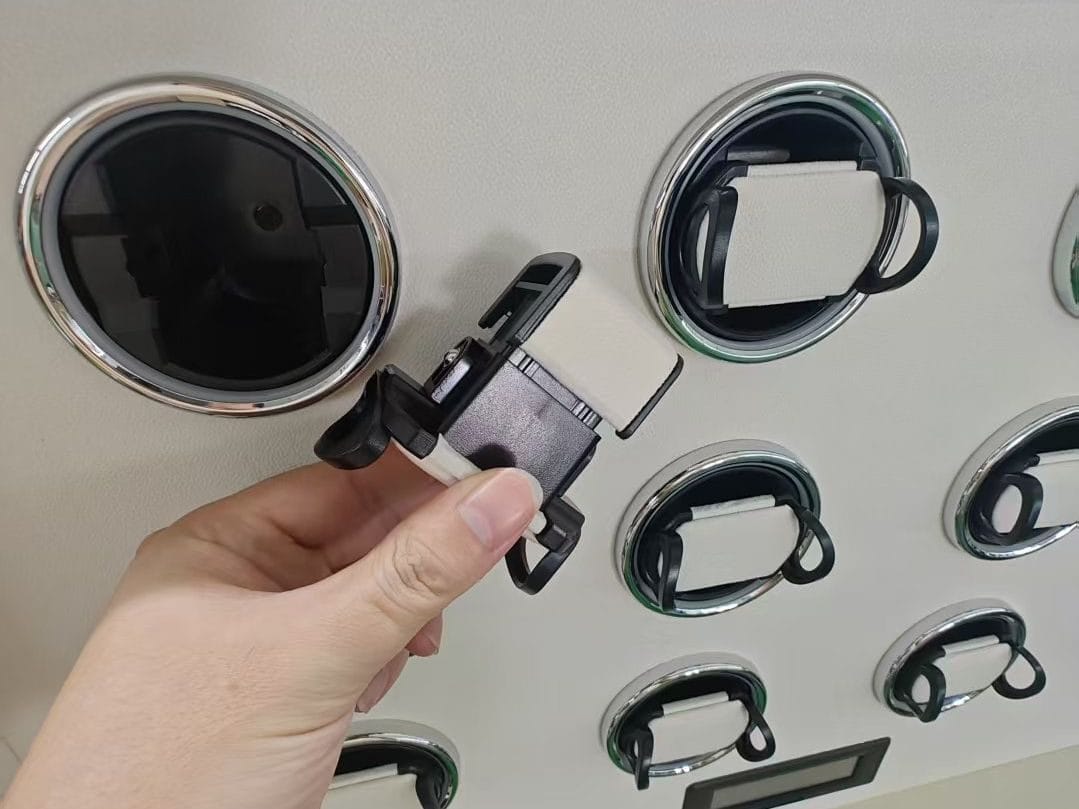
Features that matter in multi-watch models
Larger collections are often mixed, so individual TPD and direction control for each slot is valuable; premium multi-slot winders commonly offer it (Rotation Horlogère). Static slots for quartz or manual watches add practical value, and a lockable lid helps with security. Quiet operation is essential for bedroom or office use.
Summary and Next Steps
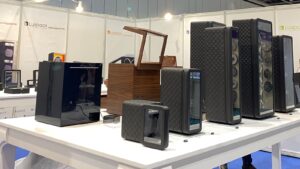
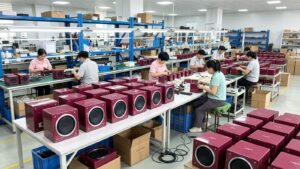
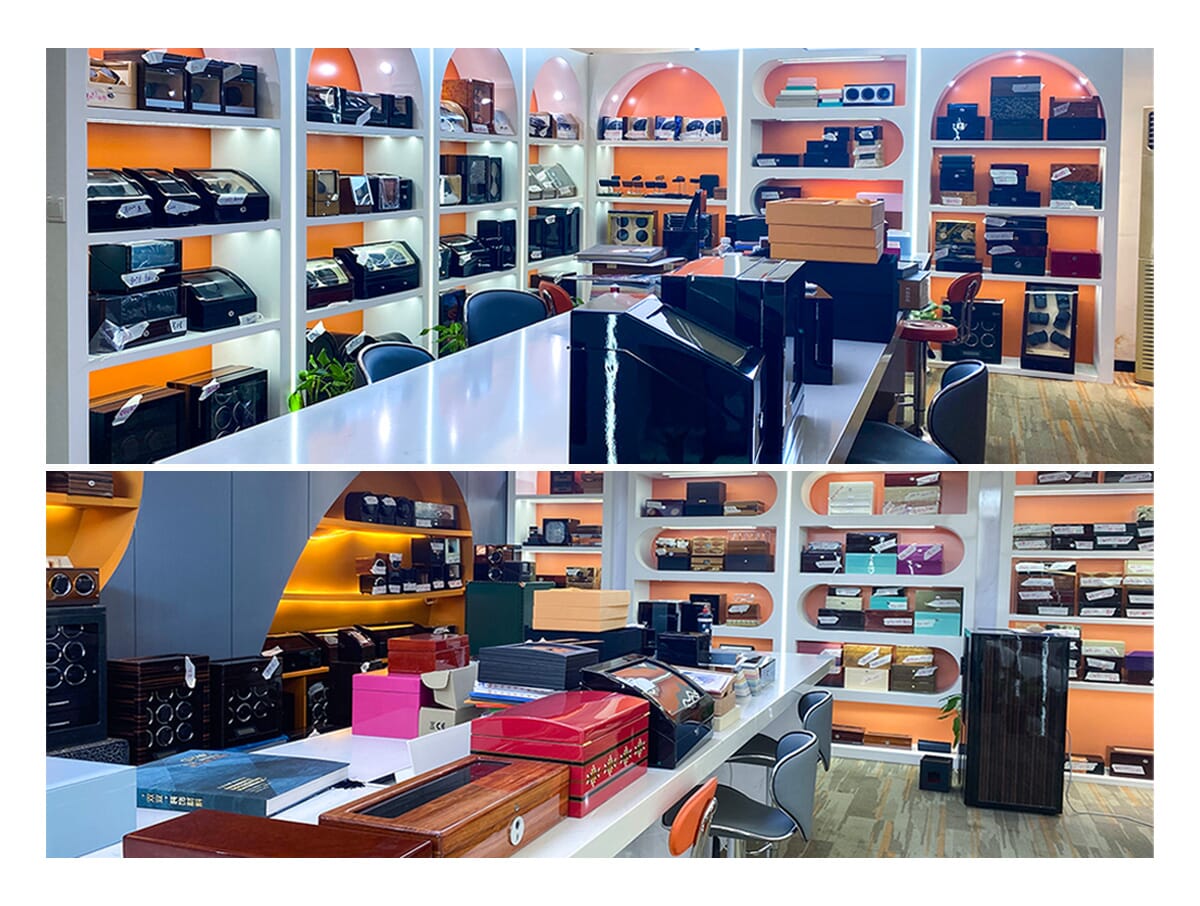
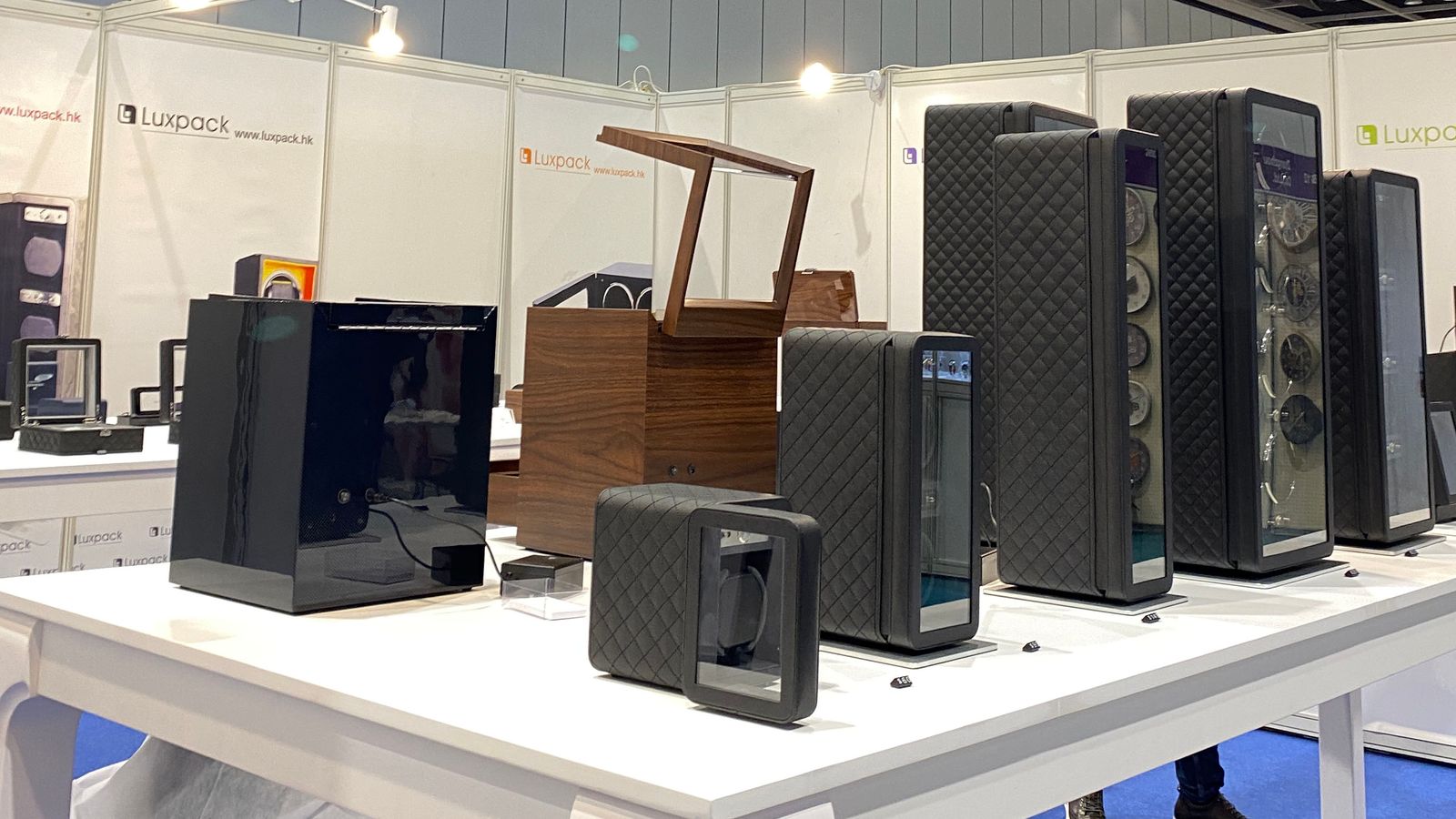
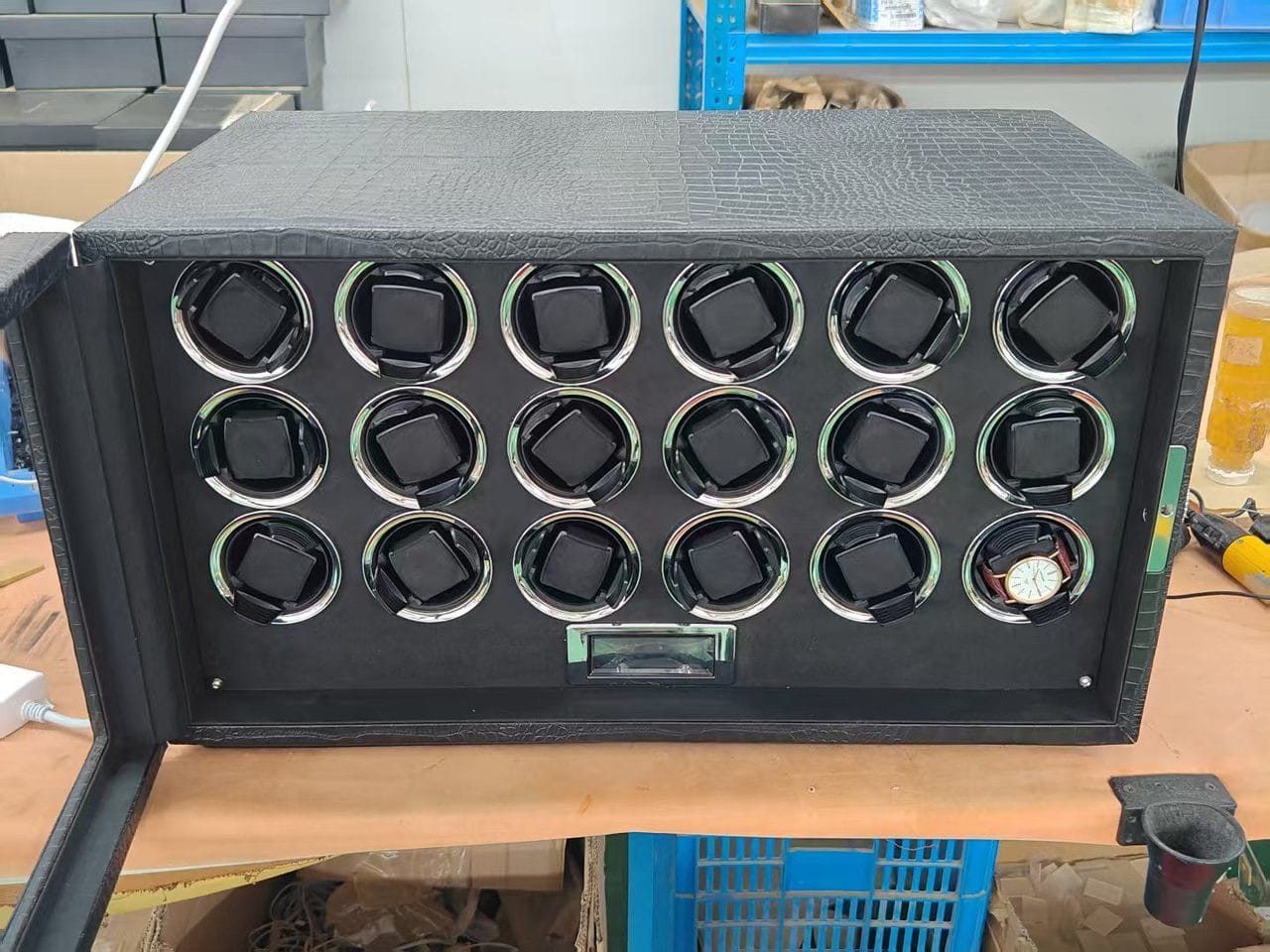
The right watch winder follows the collection: single units for one special watch, double and four-position models for growing owners, and six-position or larger cases for serious collectors. A balanced catalog that spans these sizes, with adjustable TPD and some static storage, gives retailers the widest coverage with the fewest SKUs. Guangzhou T.wing-Pak Mfg Co., Ltd. manufactures this full spectrum in-house – from single-head gift winders to 12-rotor-plus biometric cabinets – so brands can consolidate the entire range with one factory. For sourcing criteria, see our OEM watch winder manufacturer checklist..
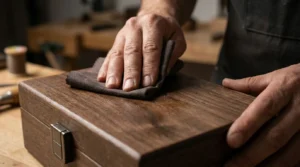
Planning your next watch winder range? Guangzhou T.wing-Pak Mfg Co., Ltd. builds single, double, four, six and 12-rotor-plus models with piano lacquer or wood veneer finishes and full OEM/ODM branding – 3D renderings within 8 hours, functional prototypes within 7 days.
Custom projects start from an OEM minimum order quantity of 50 to 100 pieces, with bulk production lead times of 20 to 30 days from sample approval. Contact us with your SKU plan and target market to receive a tailored quotation.
Frequently Asked Questions
1. Who actually needs a watch winder?
Owners of automatic watches that are worn only occasionally, especially models with calendar complications that are tedious to reset.
2. Do quartz or manual-wind watches need a watch winder?
No. A winder cannot wind a manual watch and does not help a battery-powered quartz watch.
3. Is a multi-watch winder better than several single winders?
A multi-watch unit saves space and is simpler to manage, while single units offer placement flexibility. The choice depends on collection size and display goals.
4. Should every slot in a multi-watch winder rotate?
Not always. Many collectors also own quartz or manual watches, so a mix of rotating and static slots is practical.
5. How many positions should a retailer stock?
A balanced range usually spans single, double, four and six-position models, adjusted to your own sales data.
Sources
- T3 – Do you need a watch winder?
- The 1916 Company – Guide to Watch Winders
- Mio Jewelry – Watch Winders and Accessories
- Rotation Horlogère – Best winder for an automatic watch
Related reading
- Watch Winder TPD Settings Explained: How to Match Turns Per Day to Any Movement
- How to Choose an OEM Watch Winder Manufacturer: A B2B Buyer Checklist
- How to Specify a Commercial Watch Winder: Motor Engineering, TPD Calibration and Antimagnetic Standards
- High-Gloss Piano Lacquer vs. Natural Wood Veneer Watch Winder Cabinets