Choosing the right watch winder setting starts with one number: turns per day, or TPD. This guide explains what TPD means, how rotation direction changes the result, and how to configure a watch winder for Rolex, Omega and chronograph movements. Retailers and brand teams can use it to train sales staff, write clearer manuals and answer customer questions with confidence.
Understanding TPD, Direction and Pause Cycles
TPD refers to the number of rotations a winder makes within 24 hours to keep an automatic movement sufficiently wound (Barrington). Inside every automatic watch, a weighted rotor spins as the wearer moves and tightens the mainspring. The winder reproduces that motion mechanically.
Why a winder does not wind continuously
The aim is not to keep the mainspring at maximum tension. Instead, the winder pauses so the watch can use some power, then rotates again to top it up and hold a steady level (T3). A well-designed unit therefore combines active turning periods with rest periods across the day.
Overwinding: the real risk
Most automatic watches contain a slip clutch. Once the mainspring is full, the clutch lets the rotor keep moving without tightening it further (T3). The practical risk is excess wear from unnecessary rotation, so the usual advice is to start with the lowest effective TPD recommended for the movement.
Rotation direction in plain terms
- Clockwise (CW): the platform turns one way only; suited to movements that wind in that direction.
- Counterclockwise (CCW): the opposite direction; suited to movements that wind that way.
- Bidirectional: the platform alternates, and it fits most modern automatic watches.
Direction matters because some movements, particularly unidirectional chronographs, do not gain power from both directions. On a 7750-based watch, a standard 650 TPD bidirectional setting delivers only about 325 turns that actually count (Barrington).
Recommended Starting Settings and How to Apply Them
Treat the figures below as starting points drawn from published retailer guides, and always confirm against the watch manufacturer’s documentation for the specific caliber.
| Watch family | Commonly cited TPD | Direction | Source |
|---|---|---|---|
| Rolex Day-Date | 650 | Bidirectional | Rotation Horlogère |
| Rolex Submariner / GMT-Master II | 650–800 | Bidirectional | Rotation Horlogère |
| Modern Omega (Co-Axial) | 650–800 | Bidirectional | Bob’s Watches |
| ETA 2824 / Rolex 3135 class | About 650 | Bidirectional | Barrington |
| Unidirectional chronograph (e.g. 7750-based) | Often higher, check caliber data | Single direction | Barrington |
How to set a watch winder in six steps
- Identify the movement. Find the caliber in the watch manual or on the manufacturer’s website.
- Find the recommended TPD and direction. Use official guidance first and a trusted TPD database second.
- Select the lowest effective TPD. Choose the nearest preset that meets the requirement.
- Set the direction mode. Use bidirectional unless the movement requires one direction.
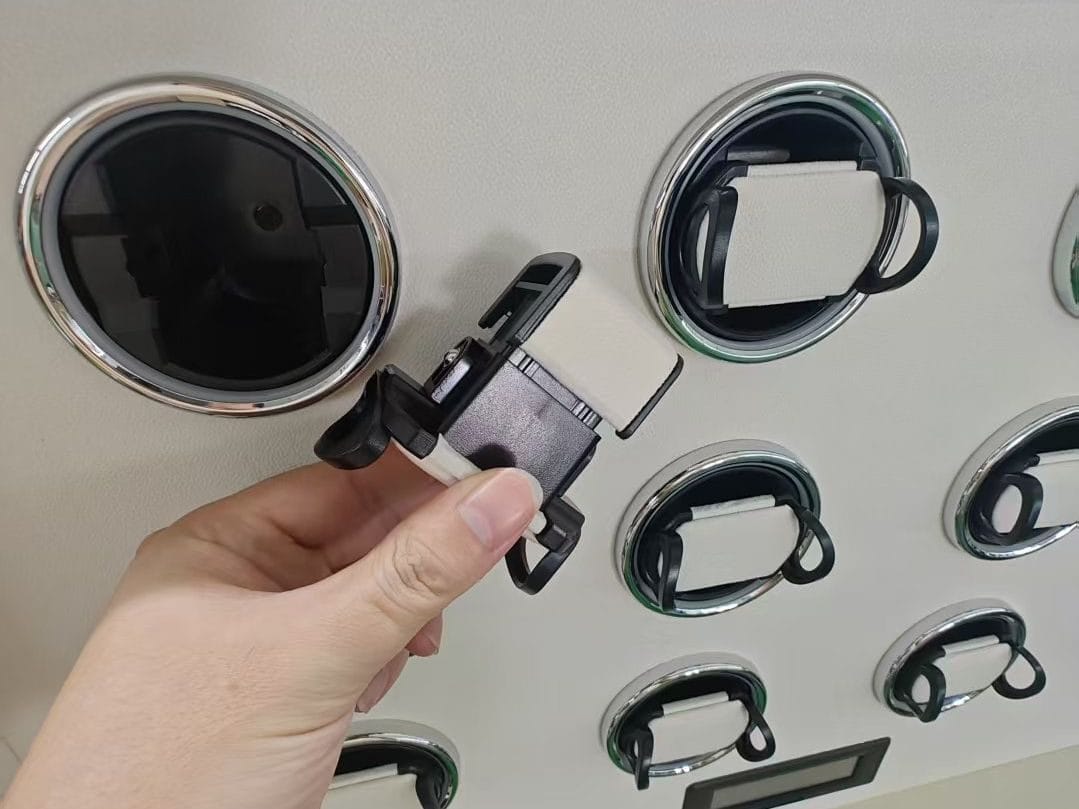
- Secure the watch. Fit it snugly on the cushion, with the crown pushed in or screwed down.
- Observe for one week. Check the power reserve and time accuracy each day, then adjust the TPD if the watch stops or drifts.
Selection advice for product planning
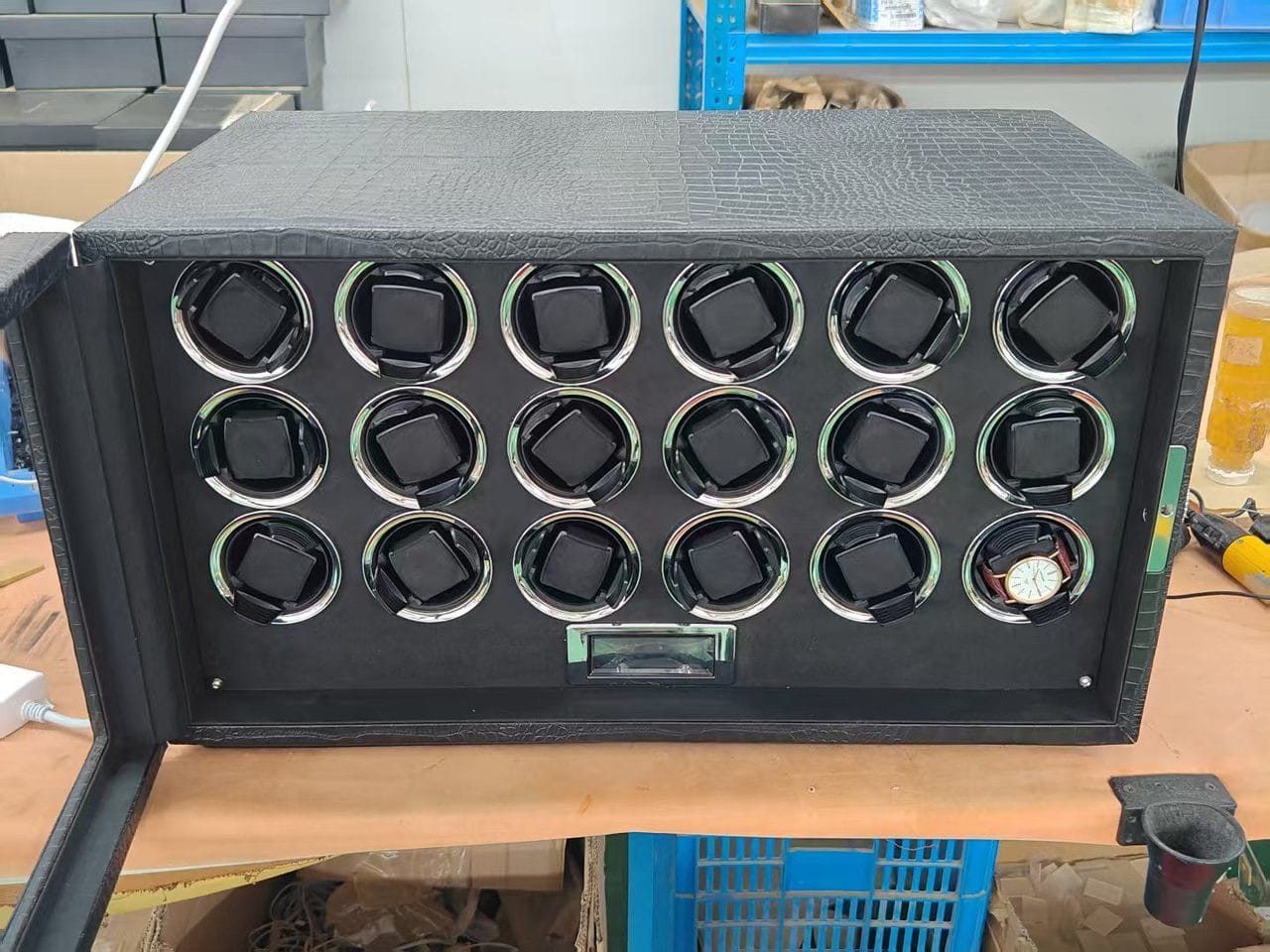
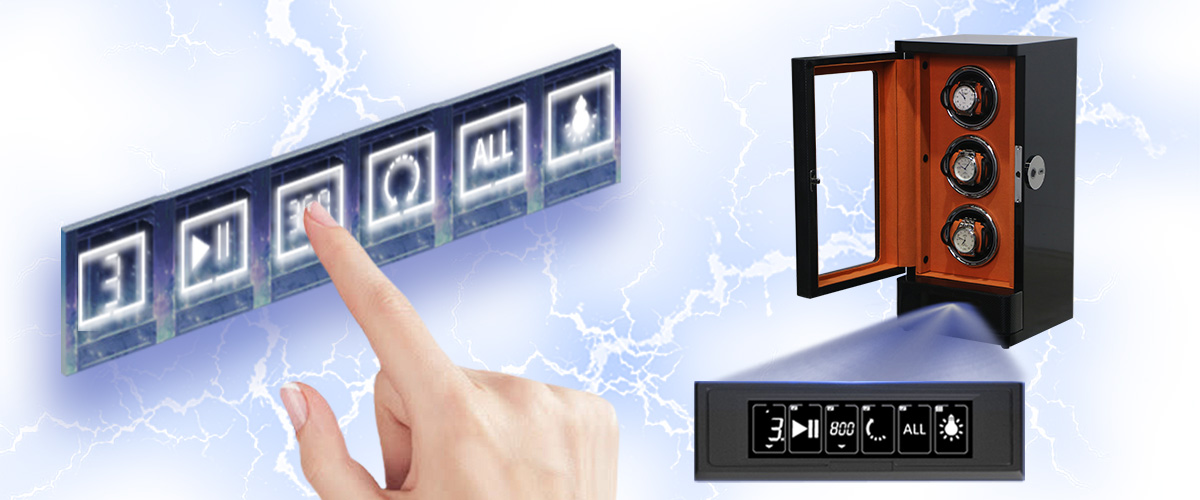
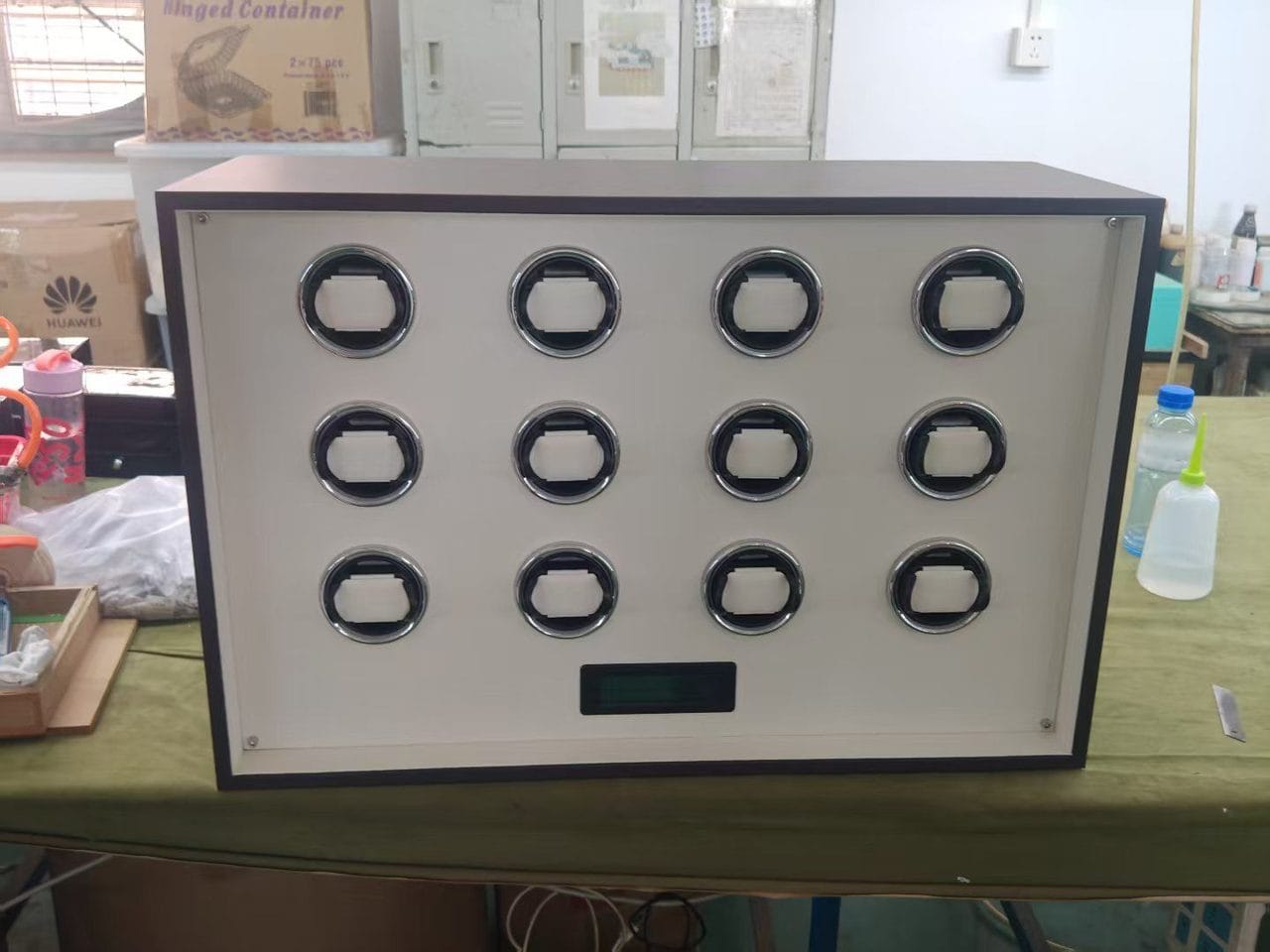
If you design or source a watch winder range, offer at least a handful of TPD presets and all three direction modes in one platform. This lets one SKU serve most customers, reduces confusion at the point of sale, and keeps returns related to settings low. For multi-watch units, individual settings per position are especially useful in mixed collections.
Summary and Next Steps
TPD and direction are the two controls that decide whether a watch winder helps or simply spins. Start from published guidance, use the lowest effective setting, and verify with a week of observation. Brands that print these steps in the manual see fewer support questions.
Frequently Asked Questions
1. What does TPD mean on a watch winder?
TPD means turns per day, the number of platform rotations completed in 24 hours to keep an automatic watch wound.
2. Can a watch winder overwind an automatic watch?
A correctly set unit is generally not a risk, because the slip clutch prevents extra tightening once the mainspring is full. Using the lowest effective TPD remains the safest approach.
3. What TPD should I use if I do not know my watch’s requirement?
Begin with 650 TPD in bidirectional mode, a commonly cited default for many Rolex, Omega and ETA-based watches. Then confirm with the manufacturer and observe the watch.
4. Why does my chronograph still stop on a winder?
Some chronograph movements wind in one direction only. A bidirectional setting wastes half the turns, so the watch needs a higher TPD or a single-direction mode.
5. Should a watch winder run non-stop?
No. Quality winders alternate active turning with pauses, which imitates natural wear.
Related reading
- How to Specify a Commercial Watch Winder: Motor Engineering, TPD Calibration and Antimagnetic Standards
- How to Choose an OEM Watch Winder Manufacturer
- Which Are the Top 10 Watch Winder Factories in China