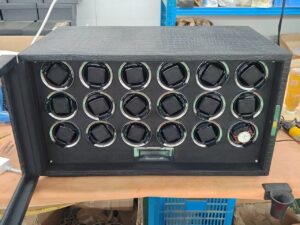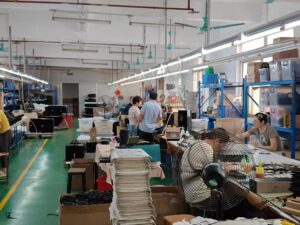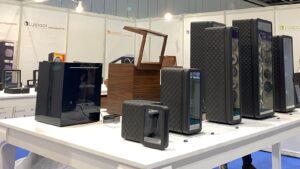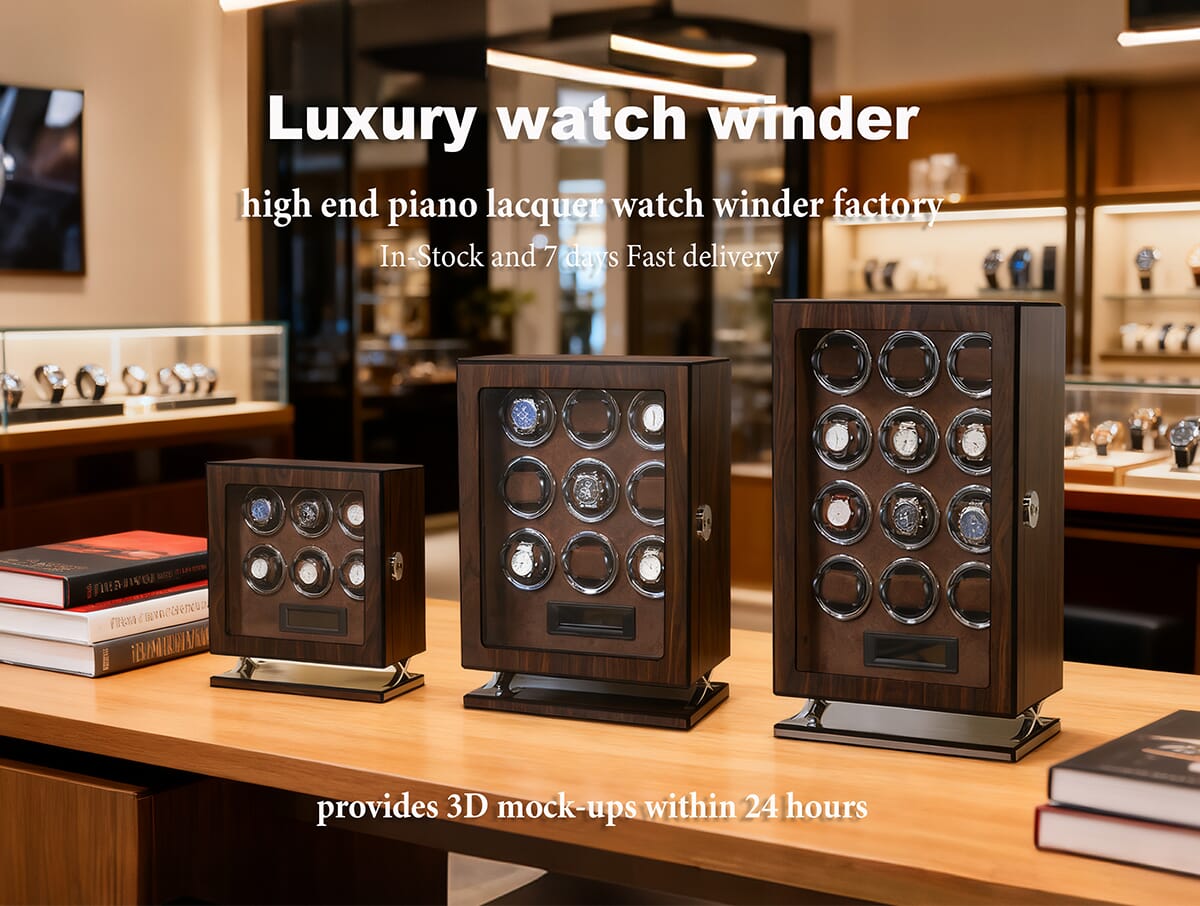
The global market for custom watch boxes is driven by a fundamental truth in luxury retail: the watch case that holds your product is the first brand experience your customer has. It shapes perception before the dial is ever seen. For brand owners, private-label retailers, and corporate gifting companies, custom watch boxes represent one of the highest-ROI brand investments available — a tangible brand asset that customers keep, display, and share on social media long after the purchase.a
This guide addresses the complete OEM sourcing process for custom watch boxes, from material selection and design differentiation to factory vetting and production management. Whether you are launching a new watch brand or upgrading existing packaging for an established line, these decision frameworks will help you source with confidence and efficiency.
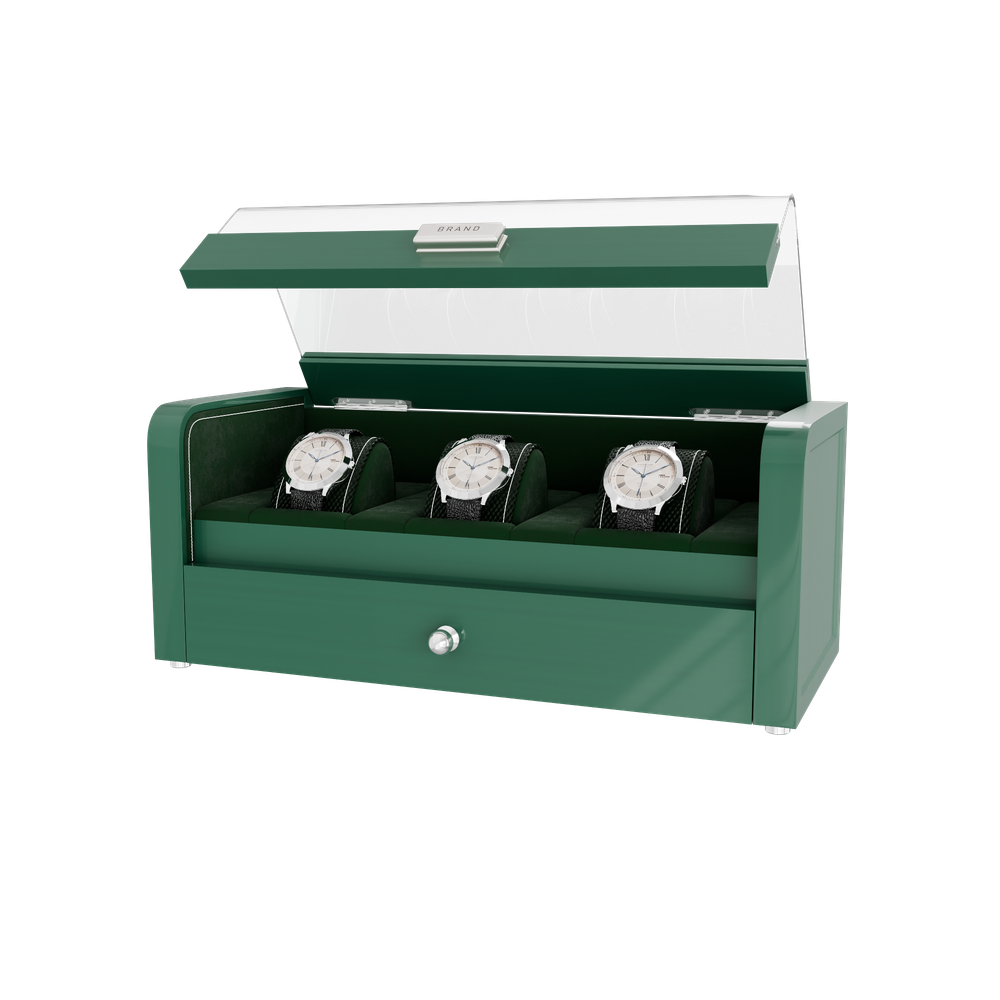
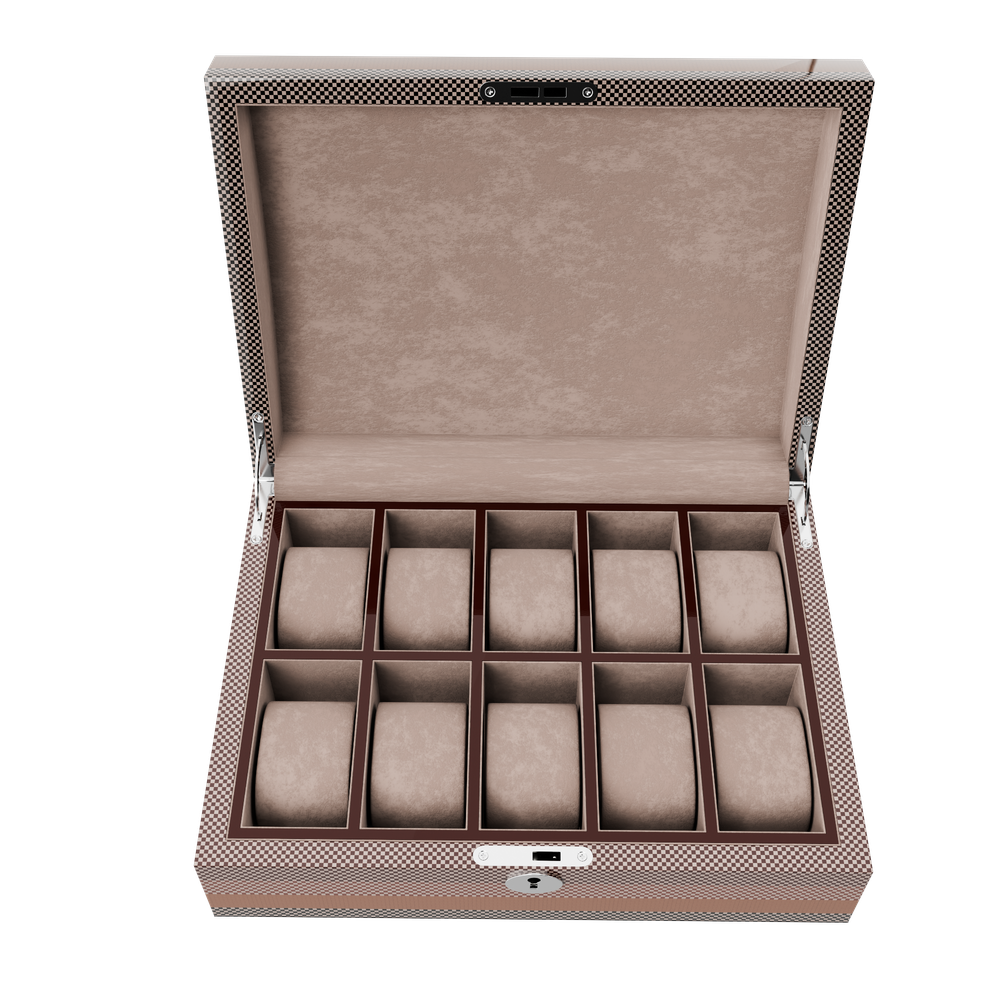
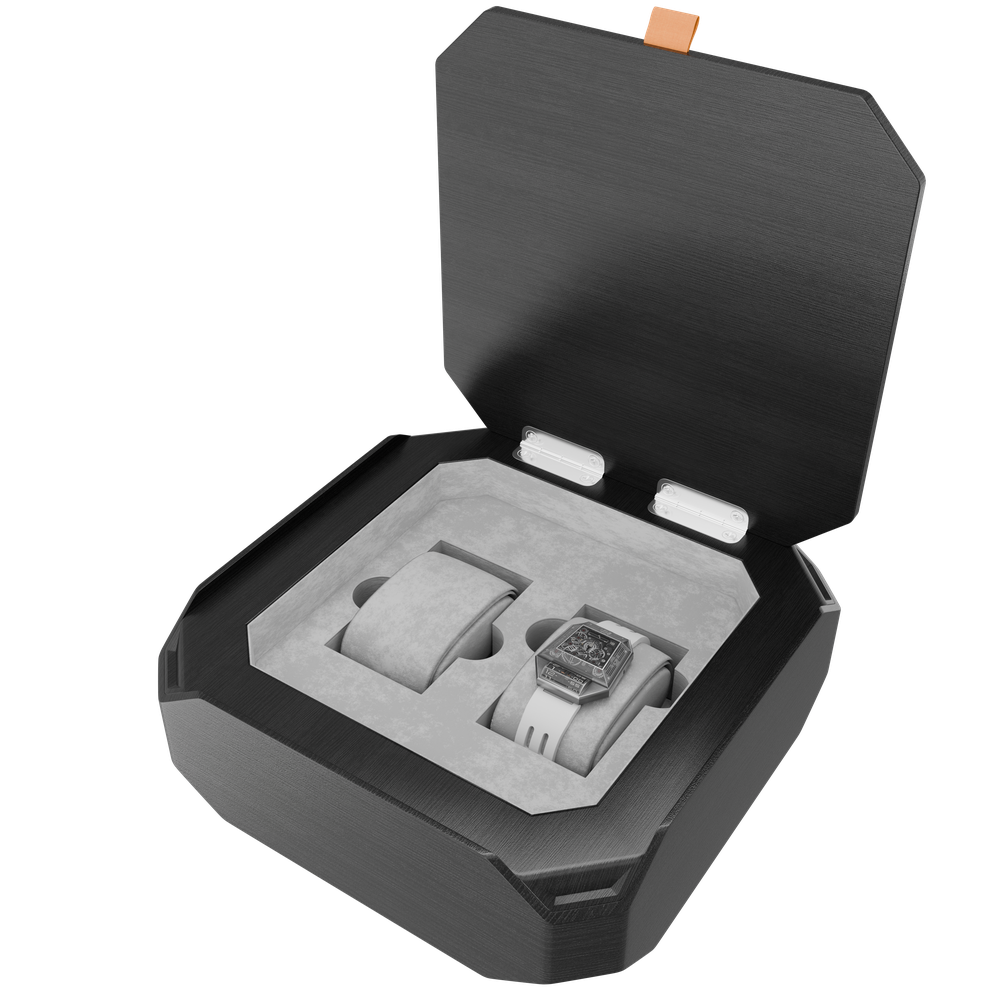
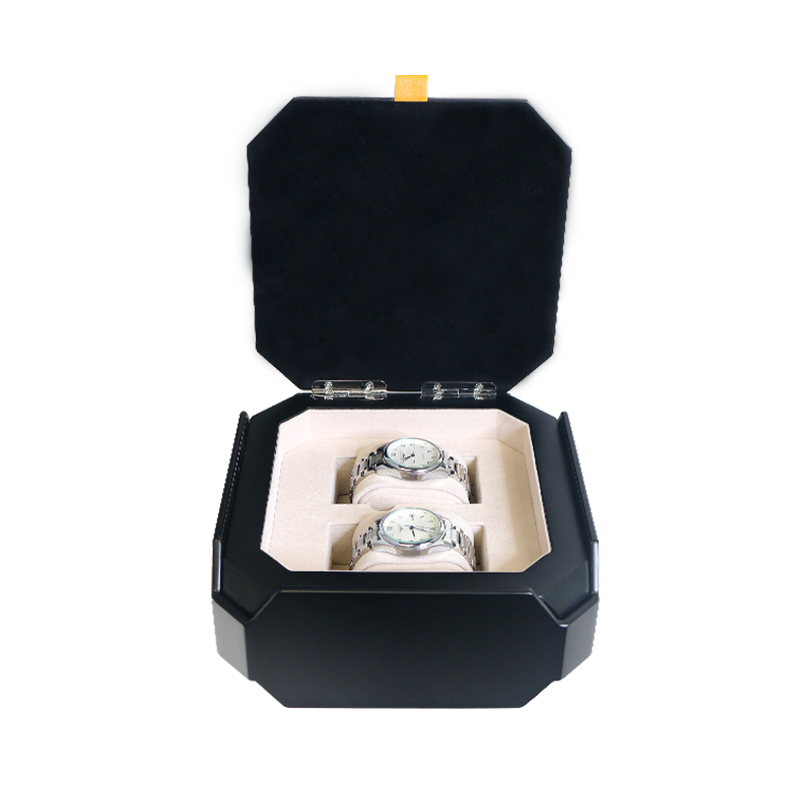
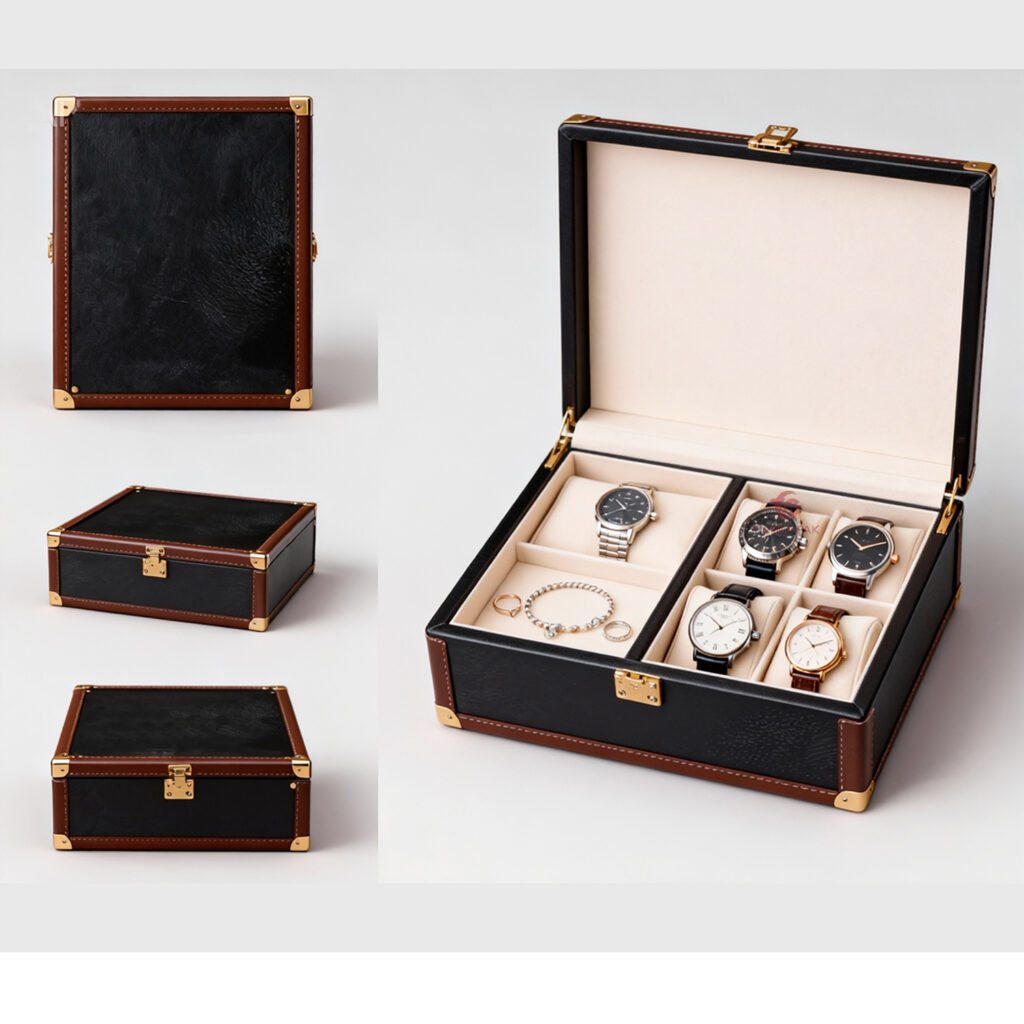
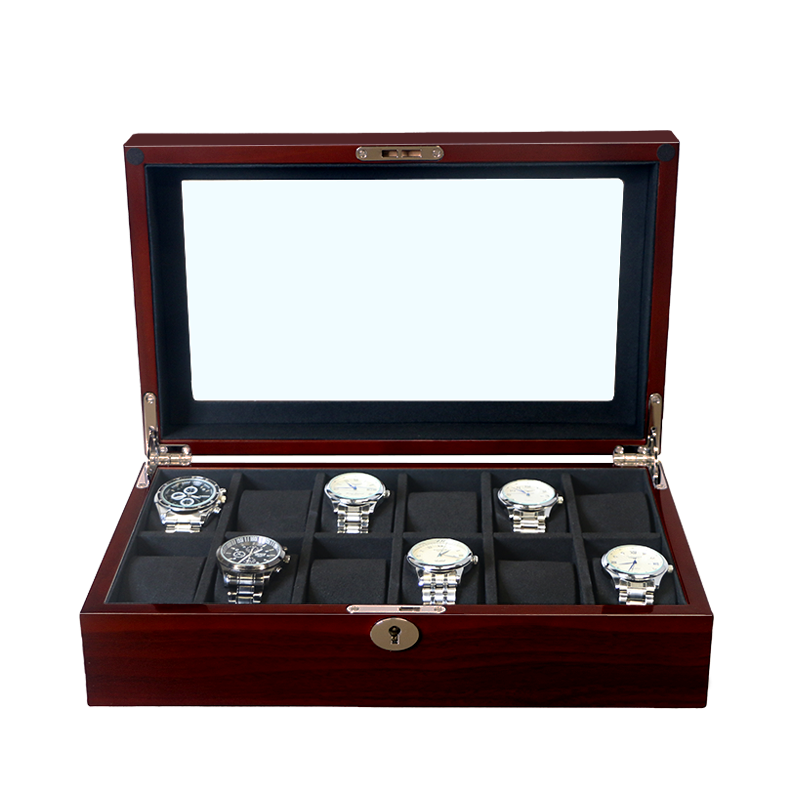
1. Defining Your Watch Case Requirements
Before contacting any manufacturer, establish clear specifications across four dimensions: the physical watch case dimensions (accommodating your specific dial diameter, lug width, and strap or bracelet clearance), the target material category (wood, leather, composite, or hybrid), the price point per unit at your projected order volume, and the certification requirements for your target markets.
A common mistake among first-time buyers is approaching factories with vague briefs — requesting a “nice watch case” without specifying dimensions, materials, or price targets. This leads to mismatched samples, wasted lead time, and frustration on both sides. Professional OEM relationships begin with precise technical specifications that enable accurate quoting and realistic timeline commitments.
2. Material Categories for Custom Watch Boxes
Solid Wood Watch Case Box
Wood remains the dominant material for premium custom watch boxes because it delivers the weight, texture, and finish depth that communicates luxury. Rubberwood provides the best balance of cost, sustainability, and workability for volumes above 500 units. Pine offers a lighter-weight alternative at lower cost. Walnut and ebony veneers on rubberwood cores create exotic-wood aesthetics without the material cost of solid exotic timber.
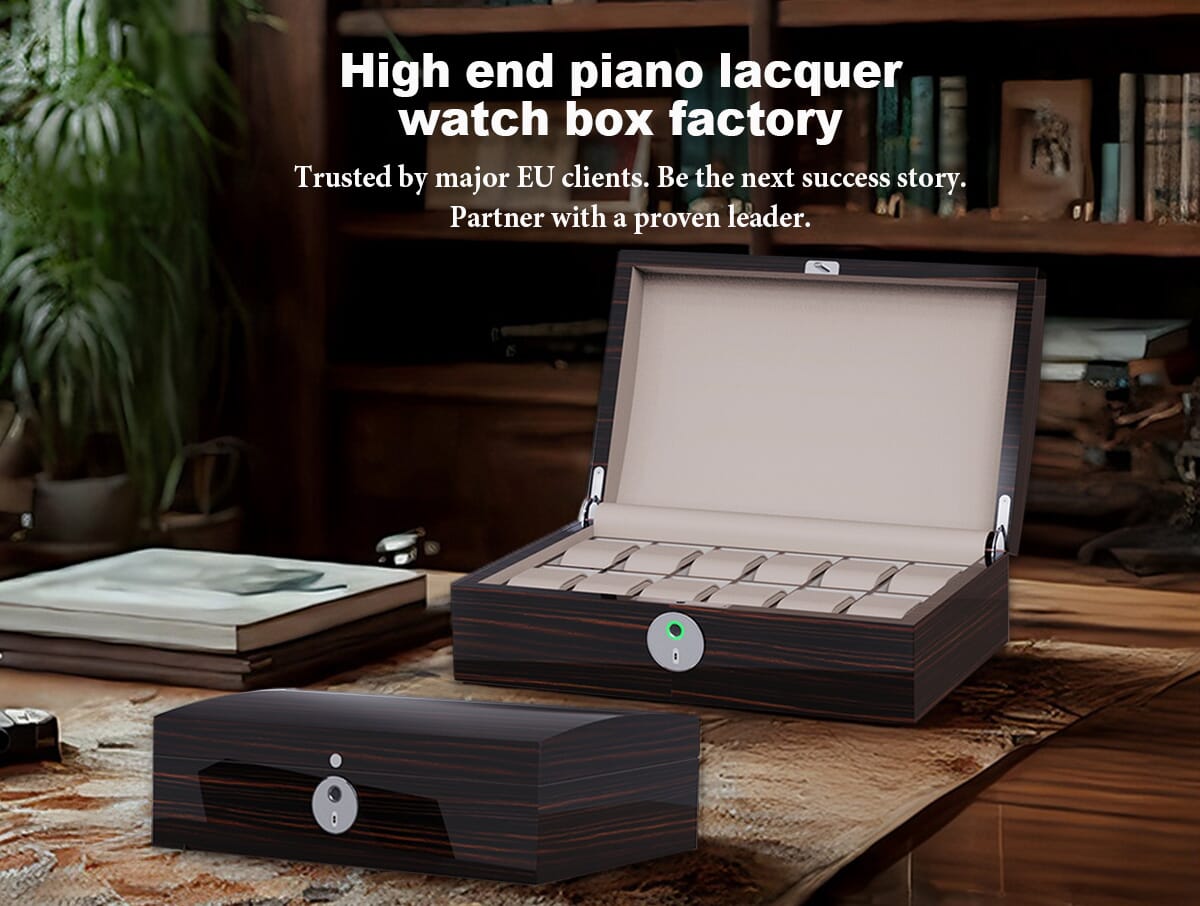
A wooden watch case box with piano lacquer finish — properly executed in 12 to 13 coats — offers two to three years of showroom-quality surface integrity. This durability makes wood the preferred material for watch brands positioning above $200 retail.
Leather Watch Box Construction
The leather watch box segment serves buyers targeting sophisticated, travel-oriented aesthetics. Construction methods include full leather wrapping over a rigid chipboard core, leather covering over wood substrate for added weight and rigidity, and hand-stitched leather with visible seam detailing for artisanal positioning. Leather options range from bonded leather and PU leather at the entry level, through split leather in the mid-range, to full-grain cowhide and exotic leathers for ultra-premium programs.
When sourcing a leather watch box, specify the leather type, tanning process, edge finishing method, and hardware material in your RFQ. These details determine whether your finished product looks and feels like a $30 accessory or a $300 luxury item.
3. Creating a Unique Watch Box That Differentiates Your Brand
Differentiation in custom watch boxes comes from five design levers that most buyers underutilize: custom exterior shapes beyond the standard rectangle, signature opening mechanisms (sliding panels, book-style hinges, rotating lids), branded interior experiences with custom pillow shapes and logo integration, multi-sensory elements including scented linings and textured surfaces, and modular configurations that allow customers to reconfigure the box for different uses after purchase.
The unique watch box opportunity: Less than 15% of watch brands invest in genuinely differentiated packaging design. The remaining 85% source from the same catalog of rectangular hinged boxes that make every brand look interchangeable. For emerging watch brands competing against established names, a unique watch box design creates an outsized brand impression that can compensate for lower brand awareness.
4. OEM Factory Selection Criteria
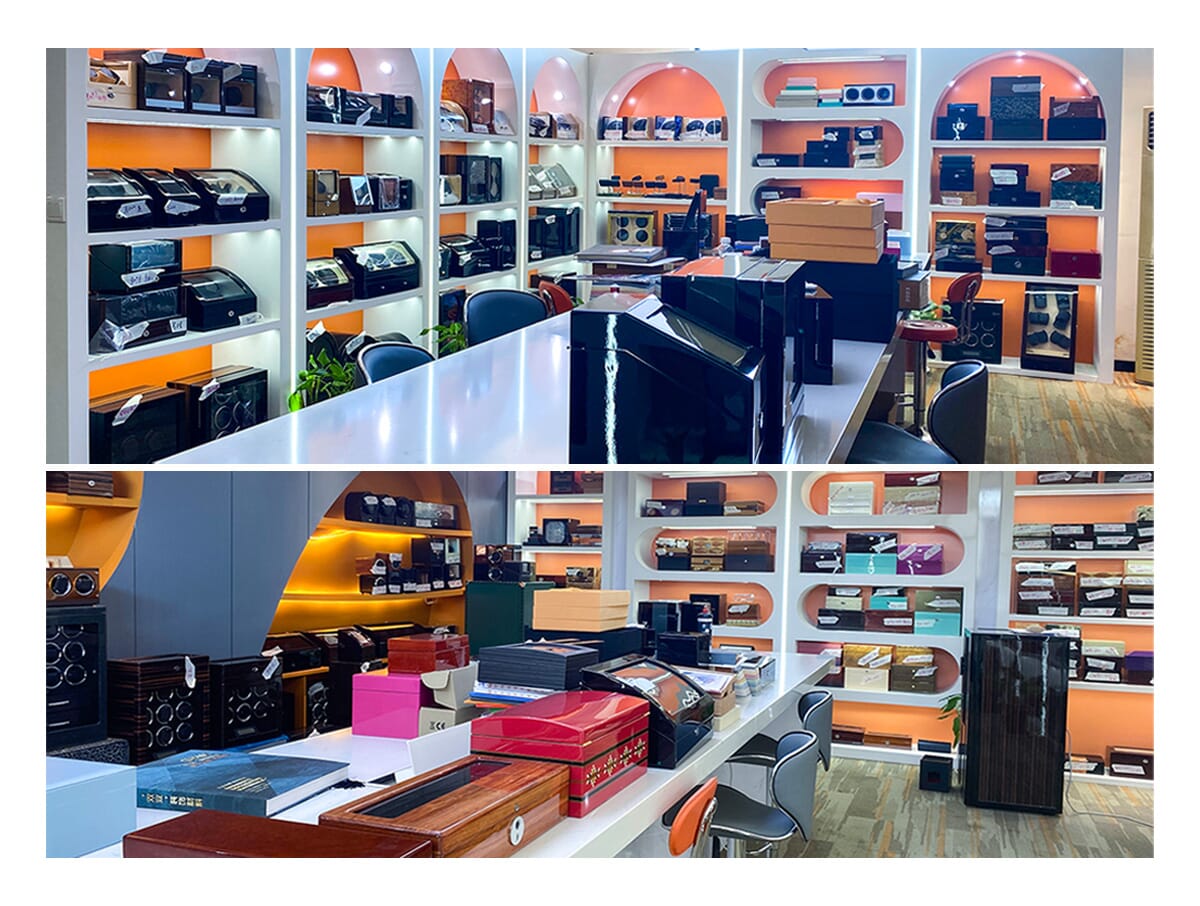
Not every packaging factory is equipped for custom watch boxes at the quality level luxury brands require. Evaluate potential suppliers against these seven criteria: production capacity and current utilization rate, in-house design engineering with 3D rendering capability, material sourcing network with verifiable supply chain documentation, lacquer and finishing capabilities with sample verification, certification portfolio covering your target markets, quality control infrastructure including AQL inspection standards, and communication responsiveness measured during the quotation process.
A factory that delivers 3D mockup renderings within 8 hours, maintains sub-2% defect rates, and holds UL/CE/RoHS/FSC certifications demonstrates the operational maturity required for serious OEM partnerships. See how T.WING-PAK meets these benchmarks.
5. Pricing Structure and Cost Drivers
Custom watch boxes pricing varies based on six primary cost drivers: material selection (MDF vs. solid wood vs. leather), finish complexity (matte vs. piano lacquer vs. specialty coatings), hardware specification (generic vs. custom-engraved), interior material and construction, order volume tiering, and logistics requirements including inner box and master carton specifications.
As a benchmark, expect FOB pricing in the range of $4 to $12 per unit for wood-based custom watch boxes at MOQs of 100 to 500 units, $12 to $25 for piano-lacquer premium specifications, and $15 to $40 for full-leather or exotic-material constructions. Prices decrease 15 to 30 percent at volumes above 1,000 units as material purchasing and setup costs are amortized across larger runs.
6. Managing the Production Timeline
A well-managed custom watch box project follows a predictable timeline from initial brief to delivery. Concept and 3D rendering takes three to five business days, with expedited services available in as little as eight hours from leading manufacturers. Sample production requires seven to twelve days. Sample revision, if needed, adds five to seven days. Mass production spans 25 to 45 days depending on volume and finish complexity. Quality inspection and packing takes three to five days. Ocean freight adds 25 to 35 days to most destinations; air freight reduces this to five to seven days at higher cost.
Explore T.WING-PAK’s full range of watch box and watch case options to see how 19 years of OEM experience translates into reliable custom production capabilities.
Total timeline from brief to warehouse delivery typically falls between 60 and 90 days for a first order. Repeat orders with established tooling and approved specifications can be compressed to 35 to 50 days.
Ready to Start Your Next Project?
Email: kathy@twing-pak.com | WhatsApp: +86-134-3113-9311 | www.twing-pak.com
MOQ 100 pcs | 3D mockup in 8 hours | UL / CE / RoHS / FSC Certified