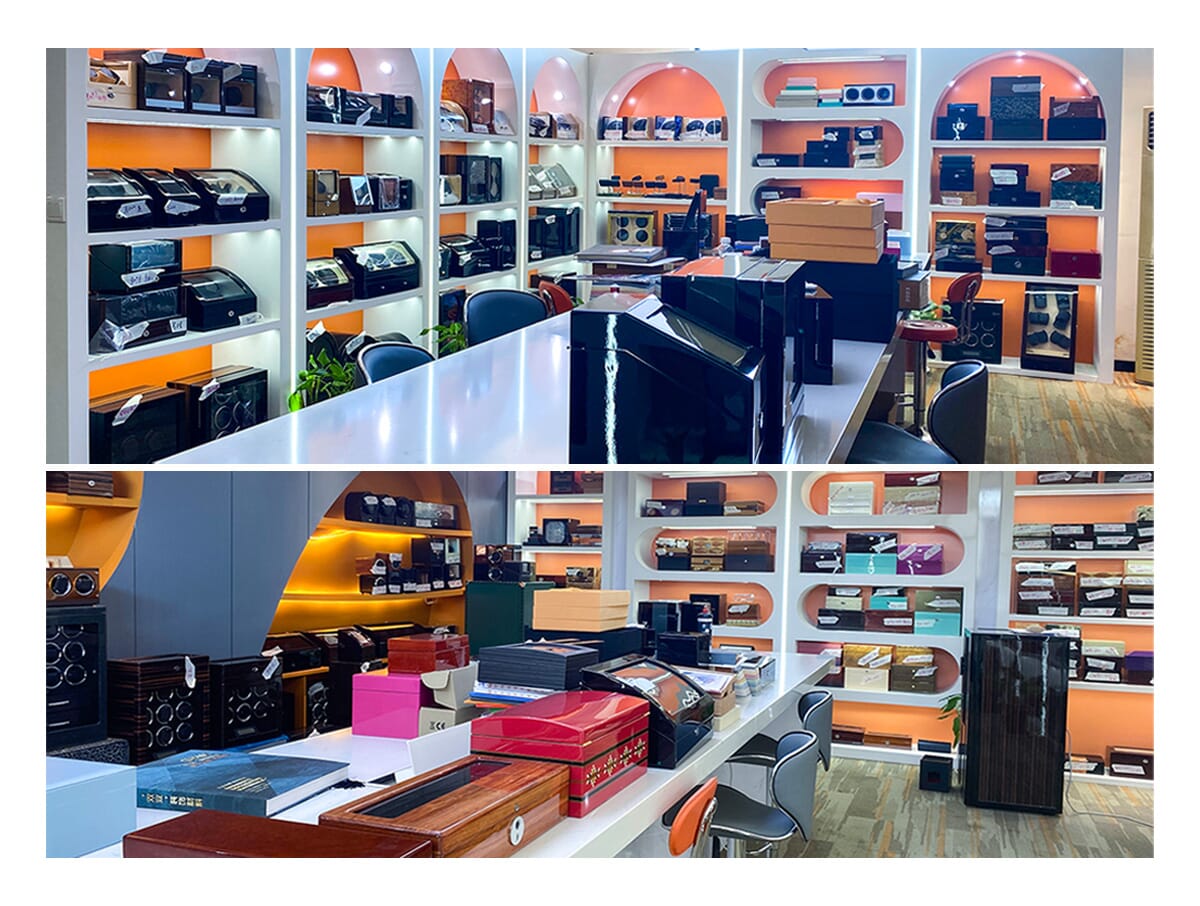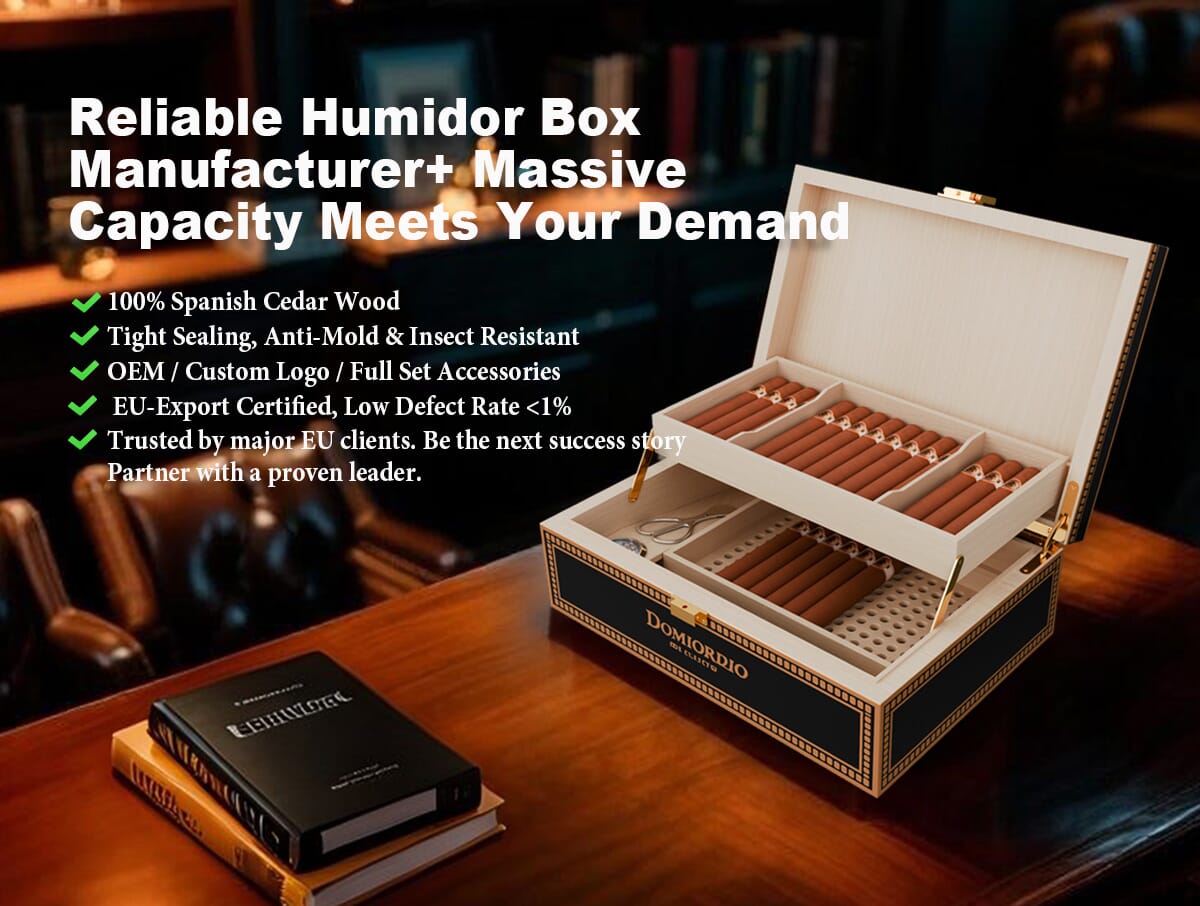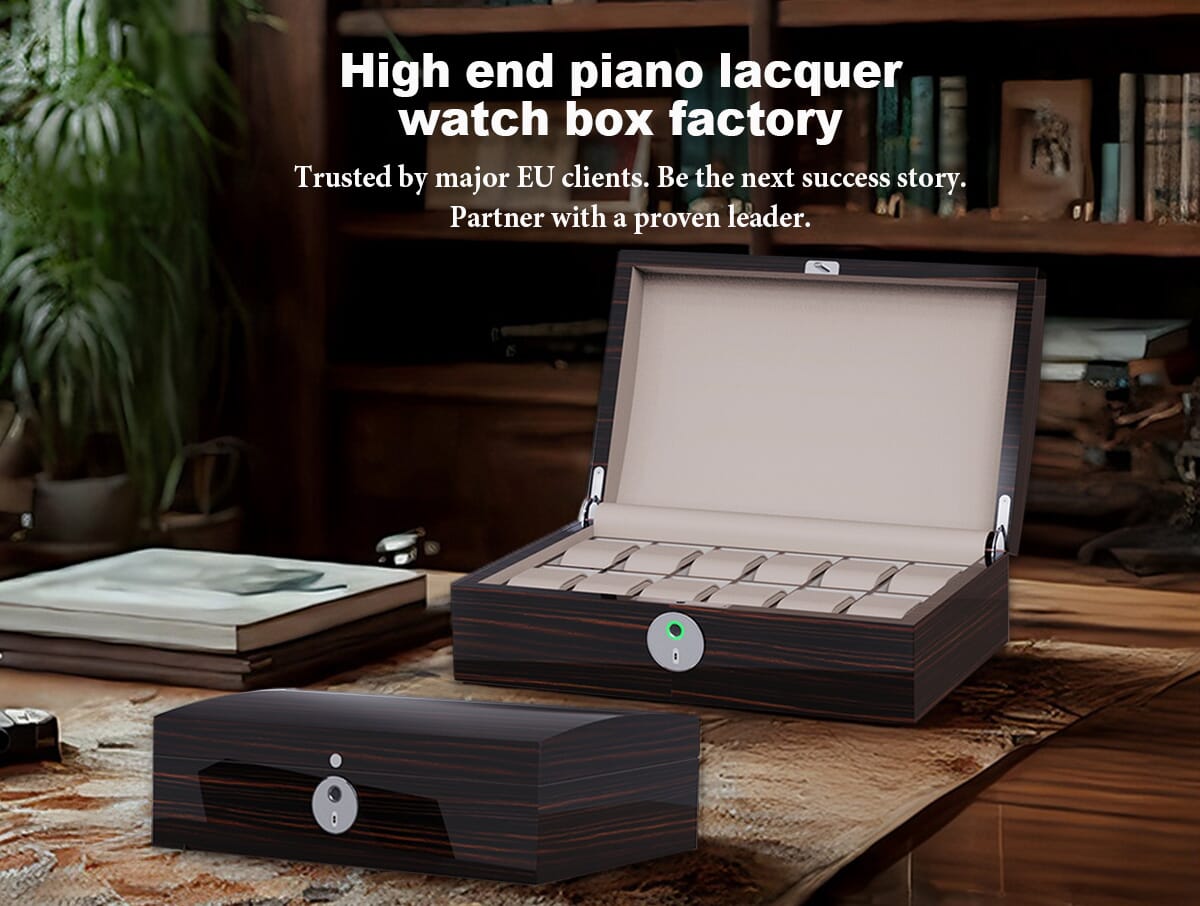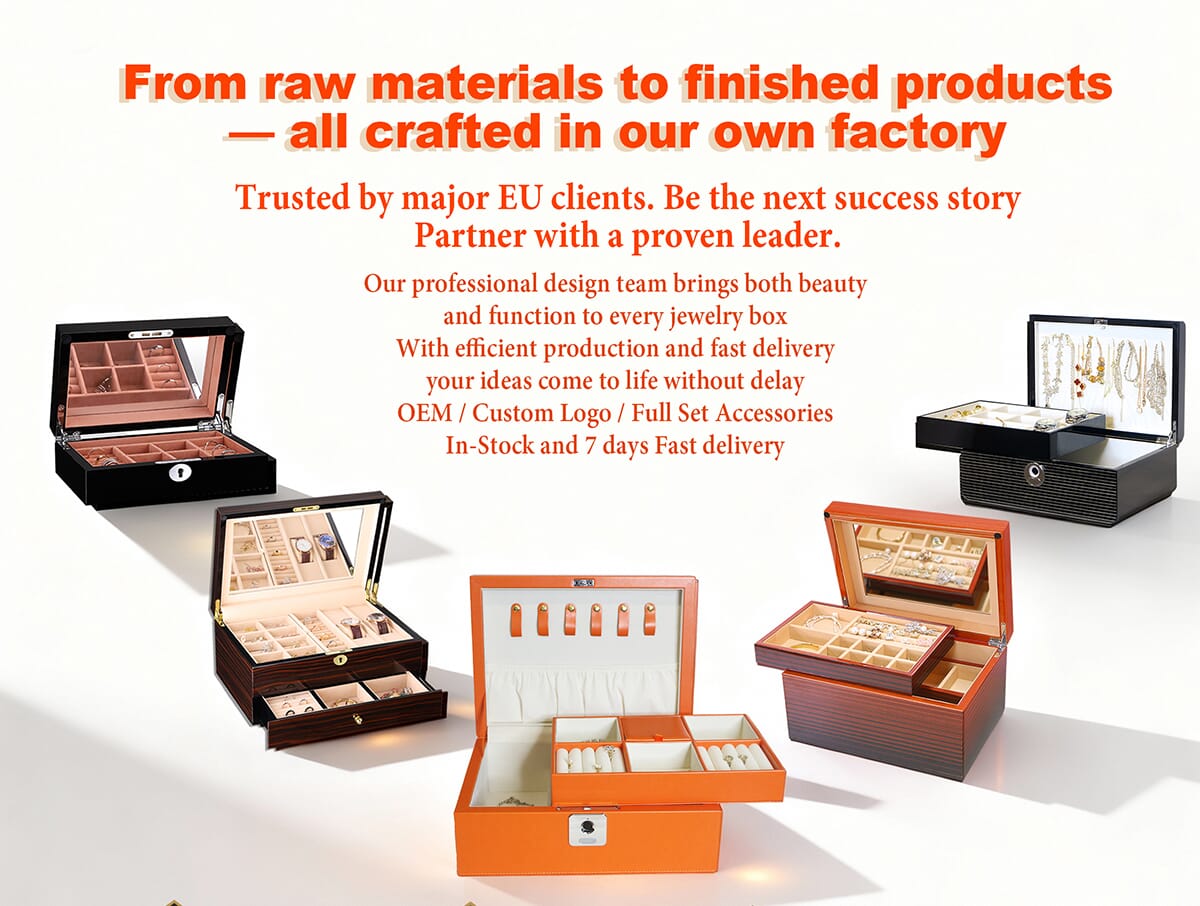
In the contemporary jewelry market, packaging has become a strategic component of product value rather than a secondary accessory. For emerging and niche jewelry brands, the box is often the first physical touchpoint that communicates craftsmanship, positioning, and brand philosophy. Yet many smaller labels face a structural challenge: they need highly customized packaging, but their order volumes are too limited for conventional mass-production suppliers. This is where a Small batch processing custom jewelry box factory creates tangible commercial value.
Unlike large-scale packaging manufacturers optimized for volume efficiency, a small batch processing custom jewelry box factory is designed to serve brands that require lower minimum order quantities, more flexible prototyping, and shorter development loops. For independent jewelers, boutique designers, concept stores, and direct-to-consumer brands, this model supports experimentation without exposing the business to excessive inventory risk. It also enables more precise alignment between brand identity and physical presentation.
This article examines the role of small-batch custom manufacturing in the jewelry packaging sector, the operational and branding benefits it offers, the technical factors buyers should evaluate, and how niche jewelry brands can use small-batch packaging as a lever for growth. It also includes practical application cases and cooperation examples involving small independent brands, along with implementation recommendations for professionals managing procurement, product development, or brand strategy.
The Market Need for Small-Batch Custom Jewelry Packaging
The growth of independent jewelry labels has changed the economics of packaging procurement. Many emerging brands launch with limited SKU ranges, test collections seasonally, and operate across online, pop-up, and boutique retail channels. Their packaging requirements are often sophisticated, but their purchasing volumes remain modest. Traditional factories focused on standardization and volume may impose high minimum order quantities, long lead times, or limited customization options, making them unsuitable for such businesses.
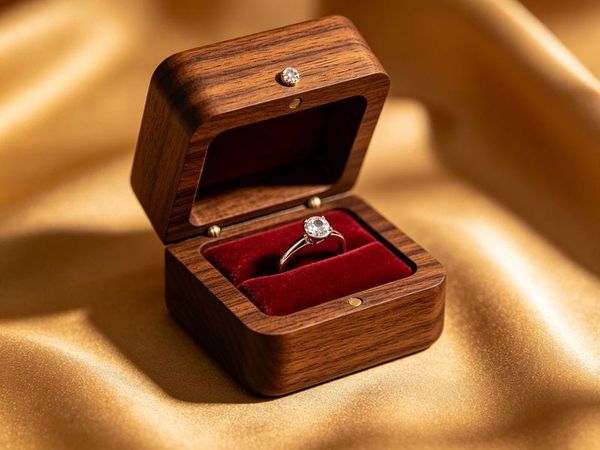
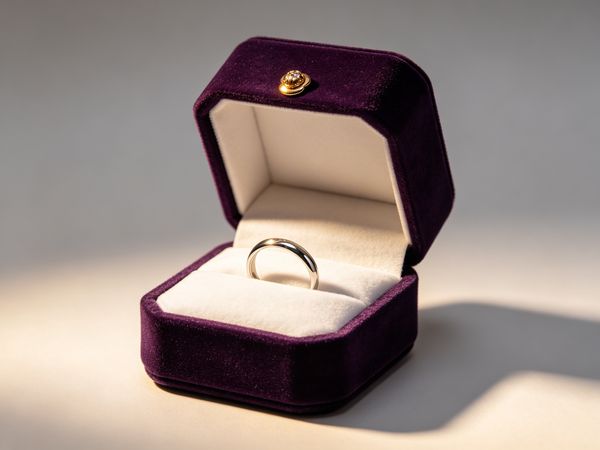
A Small batch processing custom jewelry box factory addresses this gap by offering lower-volume production with meaningful design flexibility. Instead of forcing buyers into generic stock solutions, the factory can produce tailored Jewelry Boxes that match specific product dimensions, visual identities, and channel requirements. This is particularly important in categories such as rings, necklaces, bracelets, and gift sets, where insert structure, tactile finish, and opening experience all contribute to perceived value.
From a financial perspective, small-batch production also supports leaner inventory management. A niche brand can validate packaging performance in the market before scaling up, reducing the risk of carrying obsolete stock after a repositioning, rebrand, or collection adjustment. This flexibility is especially valuable in premium and design-led markets, where aesthetics evolve rapidly and packaging must remain aligned with brand storytelling.
What Defines a High-Quality Small Batch Processing Custom Jewelry Box Factory
Not all small-batch suppliers deliver the same level of technical or operational competence. For professional buyers, several characteristics distinguish a reliable partner from a basic workshop.
Flexible Minimum Order Quantities Without Sacrificing Quality
The central promise of a small batch processing custom jewelry box factory is flexibility. However, true flexibility does not mean reduced production standards. A capable supplier should be able to deliver short-run orders while maintaining consistent structure, logo application, lining precision, and surface finish. This is critical for niche brands whose market differentiation depends heavily on detail.
When sourcing Jewelry Boxes, buyers should therefore assess not only minimum order quantity but also the supplier’s sampling discipline, quality assurance process, and material consistency across repeated orders. Short production runs can be efficient only when the underlying workflow is technically controlled.
Advanced Material and Finish Options
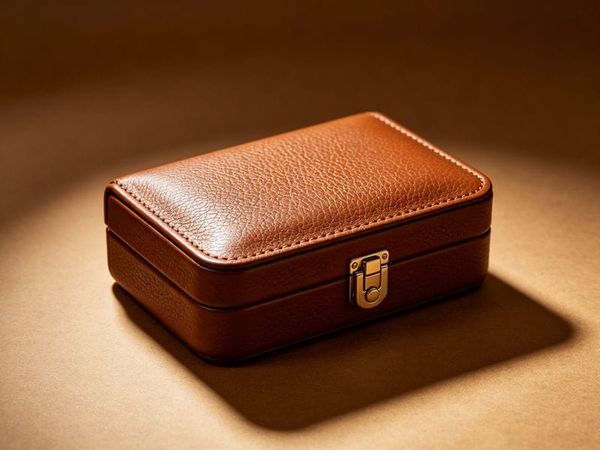
Customization is meaningful only when a factory offers a broad and well-managed material library. Rigid board, specialty paper, velvet, microfiber, flocking, satin, PU, and composite materials are all common in jewelry packaging. Among these, Jewelry Box-Leather solutions are especially relevant for premium niche brands because they combine tactile sophistication with strong logo presentation potential.
A strong factory should be able to recommend appropriate material combinations according to brand positioning, expected retail environment, transit conditions, and price sensitivity. The best small-batch programs are not simply decorative; they are engineered to balance aesthetics, protection, and commercial viability.
OEM Development Capability for Emerging Brands
Niche brands often require more support during development than established corporations. They may need guidance on box dimensions, insert structure, printing methods, or logo placement. A professional Small batch processing custom jewelry box factory should therefore function as a collaborative OEM partner rather than merely a contract producer.
This includes reviewing design files, proposing structural adjustments, recommending more scalable material choices, and building prototypes that account for both product fit and visual coherence. Many buyers begin by reviewing the supplier’s about-us information to understand its specialization, production scope, and approach to client cooperation.
Why Small-Batch Packaging Is Especially Valuable for Niche Jewelry Brands
Large jewelry companies benefit from economies of scale, but smaller brands compete through specificity, narrative coherence, and distinctiveness. For these businesses, packaging is an integral part of the brand experience. A niche jewelry label often sells not only a physical object but also a concept: handcrafted intimacy, artistic rarity, ethical sourcing, or cultural identity. Generic packaging weakens that message.
A small batch processing custom jewelry box factory allows niche brands to express such differentiation through customized Jewelry Boxes, tailored insert formats, brand-specific colors, and carefully selected textures. A minimal ring collection may call for understated matte paper and blind embossing, while a romantic bridal capsule may require a refined Jewelry Box-Leather design with soft interior lining and magnetic closure.
Furthermore, niche brands frequently need packaging systems that extend beyond the box itself. A matching Jewelry Stand can support visual merchandising in pop-up stores, trade fairs, and independent boutiques. When boxes and displays are designed together, the brand appears more cohesive and more credible to wholesale buyers and end consumers alike.
Operational Benefits Beyond Aesthetics
The benefits of working with a small batch processing custom jewelry box factory are not limited to brand presentation. There are also significant operational advantages that affect cost control, demand forecasting, and market responsiveness.
Reduced Inventory Risk
For small brands, over-ordering packaging can strain cash flow and storage capacity. Customized Jewelry Boxes may become unusable if collection dimensions change or if the brand updates its identity system. Small-batch production lowers this risk by allowing companies to order in phases, test market response, and revise packaging before committing to larger volume runs.
Faster Iteration Cycles
Emerging brands often adjust their positioning based on customer feedback, wholesale discussions, or campaign results. A responsive Small batch processing custom jewelry box factory can support faster revisions in color, insert type, logo finish, or sleeve design, enabling brands to refine their presentation without waiting for large inventory depletion.
Better Alignment With Seasonal and Limited Collections
Independent jewelry businesses often rely on capsule launches, artist collaborations, and limited holiday editions. Small-batch production is well suited to these formats. Instead of ordering thousands of units, a brand can commission a targeted packaging run using premium finishes such as Jewelry Box-Leather for a special release while using more standardized formats for evergreen lines.
Actual Application Case: Packaging Strategy for a Boutique Direct-to-Consumer Ring Brand
A practical example can be seen in the operational needs of a boutique direct-to-consumer ring brand launching its first fine jewelry collection online. The brand planned an initial release of 300 units across four ring styles and wanted packaging that reflected understated luxury without committing to excessive inventory. A large supplier would likely have required high minimums and standardized templates, making customization economically inefficient.
Instead, the company partnered with a Small batch processing custom jewelry box factory to develop a short-run rigid box program. The factory proposed compact Jewelry Boxes with velvet slot inserts, foil-stamped logos, and a neutral color palette aligned with the brand’s visual identity. For premium gift purchases, it offered an upgraded Jewelry Box-Leather option in a smaller quantity for VIP orders and influencer seeding.
The result was a packaging system that matched the brand’s launch scale while preserving a high-end customer experience. Customer reviews highlighted the perceived quality of the unboxing process, and the brand retained the flexibility to refine logo placement and outer sleeve design in subsequent production rounds. This case illustrates how small-batch manufacturing supports both cash-flow discipline and premium brand building.
Brand Cooperation Success Case: A Niche Artisan Label Expands Into Wholesale
A successful cooperation example can be drawn from a small fictional artisan jewelry label, Mirelle Studio, which specialized in handcrafted gemstone pendants and sold primarily through social commerce and weekend design markets. As the brand began negotiating with concept stores, it discovered that its existing pouch-based presentation did not meet retailer expectations for display readiness and perceived value.
Mirelle Studio selected a Small batch processing custom jewelry box factory after reviewing its about-us profile, development support, and low-volume sampling capabilities. The factory designed a packaging family consisting of necklace boxes, ring boxes, and a compact Jewelry Stand for trade-show presentation. To support the brand’s natural mineral aesthetic, the exterior used muted textured paper, while the interior insert was engineered to hold pendants securely during transport and in-store display.
For the brand’s premium gemstone line, the factory additionally developed a limited series of Jewelry Box-Leather packaging with understated metallic branding. Within two selling seasons, the fictional label gained placement in several boutique retailers, partly because the upgraded presentation made the collection more credible in wholesale environments. The collaboration demonstrates that for niche brands, packaging can become a gateway to channel expansion.
Brand Cooperation Success Case: Small-Batch Packaging for a Designer Bridal Brand
A second fictional case involves Elan Verre, a niche bridal jewelry brand producing bespoke accessories in low annual volumes. Because each collection was highly curated, the company needed packaging that felt exclusive yet adaptable to frequently changing assortment sizes. It also required elegant retail presentation tools for bridal trunk shows and appointment-based selling.
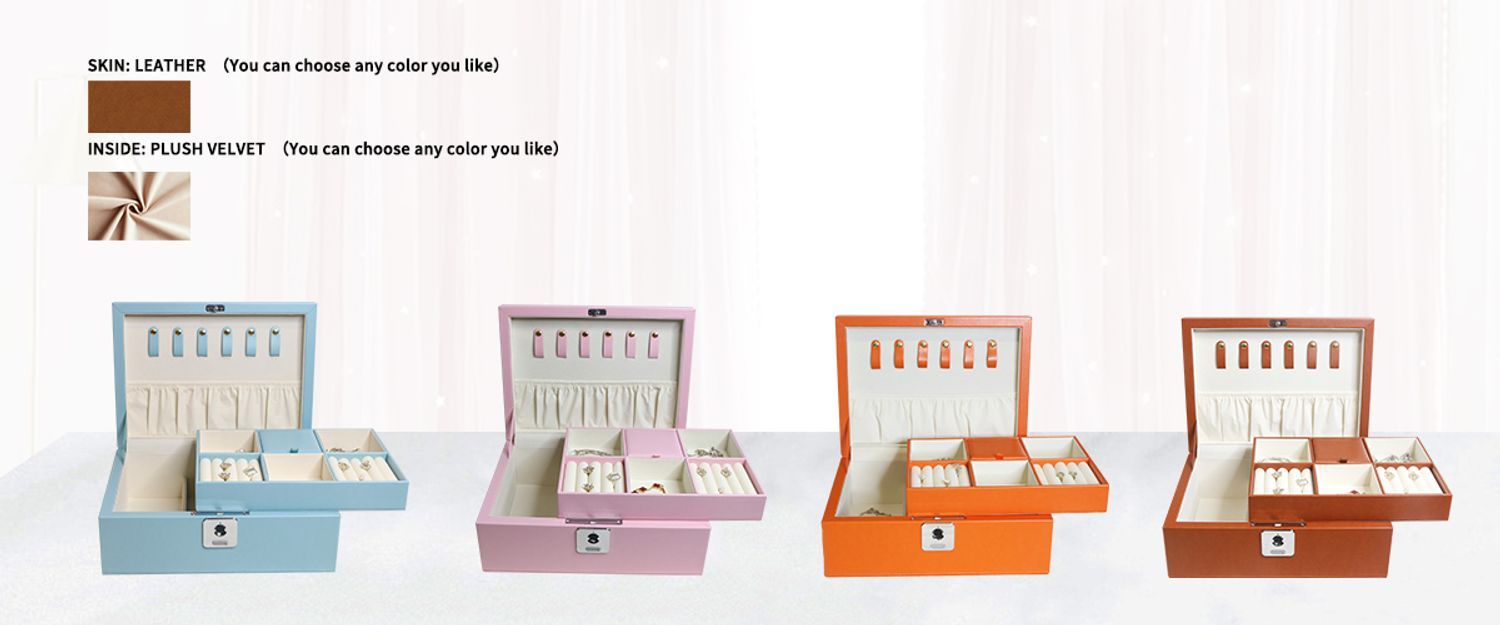
The brand worked with a small batch processing custom jewelry box factory to develop a modular system of Jewelry Boxes using interchangeable inserts for earrings, necklaces, and hair accessories. Macaron colors Jewelry Box-Leather line was produced for bespoke orders, while a coordinated Jewelry Stand supported in-person fittings and bridal exhibitions. The factory’s low minimums enabled the brand to order according to appointment schedules rather than speculative annual forecasts.
This fictional collaboration improved both presentation quality and operational precision. The brand reduced unused packaging inventory, maintained visual consistency across events, and strengthened its premium positioning among bridal consultants and private clients. The case reinforces the argument that small-batch customization is not a compromise; in many specialized markets, it is the most rational and efficient sourcing model.
Implementation Recommendations for Professional Buyers
For brands considering cooperation with a small batch processing custom jewelry box factory, several practical steps can improve both development efficiency and commercial outcomes.
- Define packaging objectives before design begins. Clarify whether the priority is premium positioning, gifting impact, e-commerce protection, retail display, or cost control.
- Prepare technical briefs with accurate product measurements, target quantities, desired materials, artwork files, and channel-specific requirements.
- Request prototypes and assess them under real conditions, including packing, shipping, retail placement, and customer unboxing.
- Use differentiated packaging tiers. Standardize most Jewelry Boxes for operational efficiency, but reserve Jewelry Box-Leather for premium collections or special campaigns.
- Integrate merchandising tools early. A coordinated Jewelry Stand can improve both trade-show performance and boutique display quality.
- Review the supplier’s about-us information, sampling responsiveness, and communication discipline before committing to repeat orders.
- Scale gradually. Begin with a controlled run, evaluate market response, and then expand specifications or quantities based on evidence rather than assumption.
Key Risks to Avoid When Selecting a Small-Batch Supplier
Although the small-batch model offers flexibility, buyers should still approach supplier selection rigorously. One common mistake is assuming that low MOQ alone indicates suitability. Some workshops can accept small orders but lack the process discipline required for repeatable quality. In jewelry packaging, inconsistent logo placement, poor insert fit, or material variation can damage brand perception.
Another risk is underestimating the importance of structural engineering. Attractive Jewelry Boxes that fail to secure delicate products may increase breakage, tangling, or customer dissatisfaction. This is especially problematic for e-commerce brands shipping directly to consumers.
Brands should also avoid excessive customization without demand validation. It is often more effective to partner with a small batch processing custom jewelry box factory that can propose modular solutions, allowing selective upgrades without creating unnecessary complexity or cost escalation.
A Small batch processing custom jewelry box factory plays a critical role in the growth of modern niche jewelry brands. It provides the flexibility, development support, and manufacturing adaptability required by businesses that need premium packaging without mass-production volumes. For independent labels, boutique designers, and emerging direct-to-consumer brands, small-batch customization enables stronger brand expression, lower inventory risk, and more agile market testing.
When supported by thoughtful material selection, disciplined prototyping, and coordinated accessories such as Jewelry Stand solutions, customized Jewelry Boxes can become a meaningful driver of perceived value and channel credibility. The most effective strategy is not simply to purchase packaging, but to develop it as part of a broader brand system. In that context, a capable small batch processing custom jewelry box factory becomes not only a supplier, but a strategic partner in sustainable brand building.
FAQ
Why is a small batch processing custom jewelry box factory suitable for niche brands?
Because niche brands often need low minimum order quantities, flexible design revisions, and customized packaging that reflects a distinct brand identity without creating excessive inventory pressure.
When should a brand choose Jewelry Box-Leather packaging?
Conclusion
Jewelry Box-Leather is most suitable for premium collections, bespoke orders, VIP gifting, and retail contexts where tactile sophistication and elevated presentation directly influence perceived value.
Can Jewelry Boxes and Jewelry Stand items be developed together?
Yes. Developing Jewelry Boxes together with a coordinated Jewelry Stand helps ensure visual consistency across packaging, retail presentation, and trade-show merchandising.
How should buyers evaluate a supplier before cooperation?
Buyers should review the supplier’s about-us information, sample quality, communication speed, material options, structural expertise, and consistency across short-run orders before entering a long-term agreement.