Wolf Watch Winder Beginner’s Guide: How to Use Effectively for Optimal Automatic Watch MaintenanceWolf Watch Winder Beginner’s Guide: Mastering Effective Use for Superior Watch Care
Imagine this: It’s Monday morning. You reach for your prized automatic wristwatch, only to find it has stopped over the weekend. Now, you face the tedious task of resetting the time, date, and perhaps even more complex functions. The soul of an automatic watch lies in motion, derived from the movement of your wrist. But what happens when it’s not on your wrist? This is where precision engineering meets intelligent guardianship. The Wolf watch winder emerges as the definitive solution, representing over a decade of expertise in blending sophisticated design with functional watch care. This guide is designed for the novice collector, walking you through every step to harness your winder’s potential, transforming it from a mere box into a strategic tool for optimal automatic watch maintenance. Understanding how to use watch winder devices correctly is not just about convenience; it’s a professional investment in the longevity and performance of your timepieces.
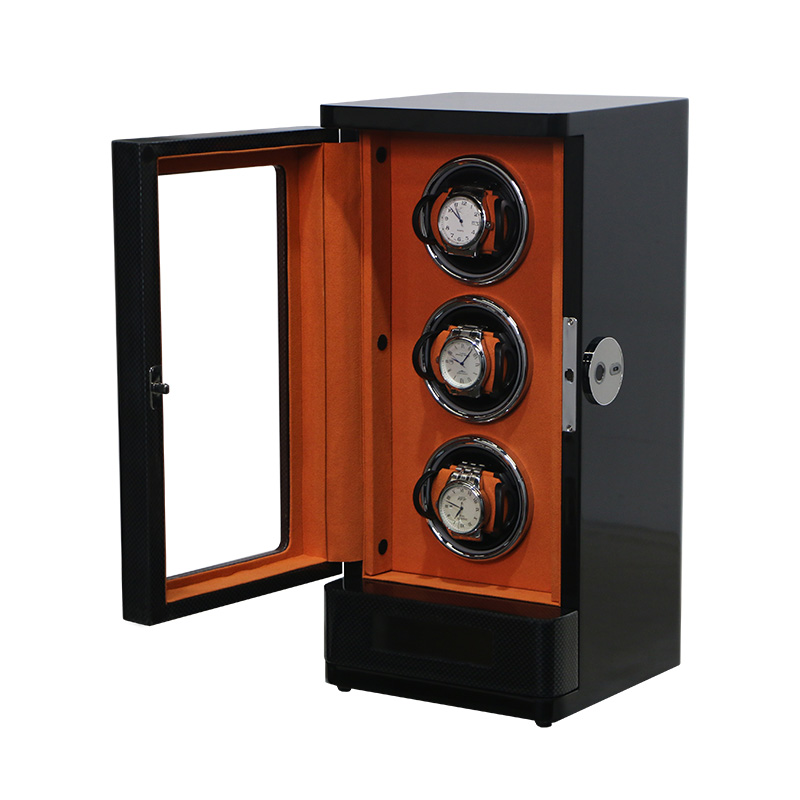
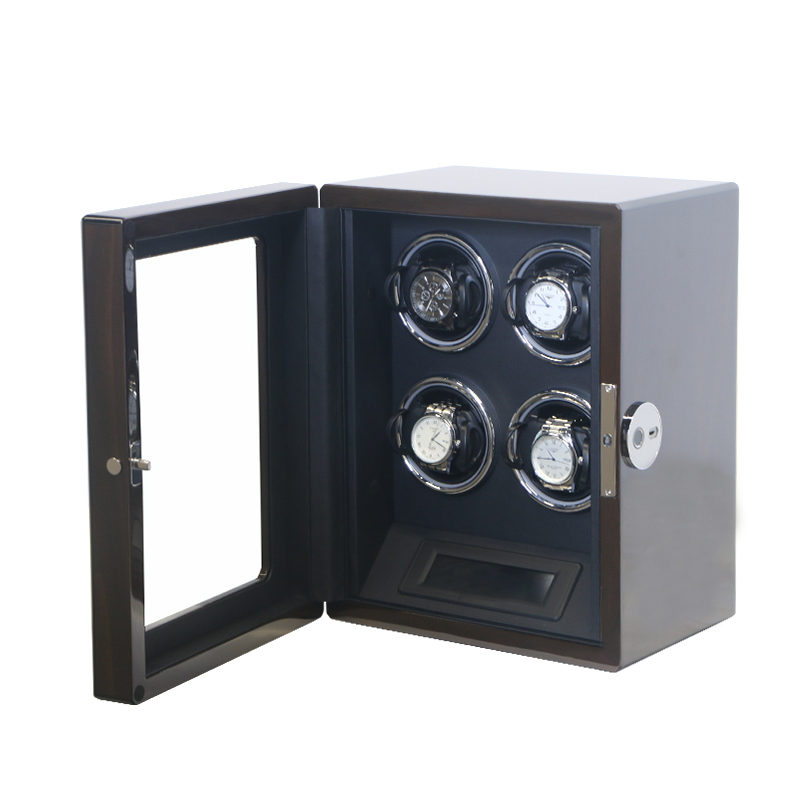
Foundational Knowledge: What is a Watch Winder and Why is it Essential?
The Heartbeat of an Automatic Watch: The Mainspring and Kinetic Energy
An automatic mechanical watch is powered by a coiled mainspring, much like a tiny, sophisticated spring. As you wear the watch, a weighted rotor (the “automatic”) swings with your arm’s motion, gradually winding this spring and storing energy—typically 24 to 48 hours’ worth. This is its power reserve. Consistent winding is crucial beyond just keeping time; it ensures the delicate oils lubricating the myriad of gears and jewels remain evenly distributed, preventing them from congealing. A watch at rest for prolonged periods is akin to a body in stagnation; its mechanics benefit from regular, gentle “exercise.”
The Role of a Watch Winder: Simulating Wear, Sustaining Life
A wolf watch winder acts as a personal trainer for your watch. It mimics the subtle motions of the human wrist, providing controlled rotation to keep the mainspring optimally tensioned. This prevents the watch from stopping, thereby eliminating the constant need for resetting time and calendar complications. For watches with perpetual calendars or moon phases, which are complex and tedious to readjust, a winder is practically indispensable. It ensures your collection is always ready to wear, accurate, and in its best mechanical state.
The Wolf Advantage: Precision and Protection
Not all winders are created equal. Cheap, generic models may offer inconsistent rotation speeds, excessive vibration, or noisy operation, potentially causing more harm than good. A Wolf watch winder distinguishes itself through precision engineering. Features like programmable turns per day (TPD), ultra-quiet coreless motors, and plush, non-abrasive interiors are designed specifically for sensitive watch movements. Choosing Wolf means opting for a tool that prioritizes the long-term health of your investment, a cornerstone of professional automatic watch maintenance.
Unboxing and Familiarization: Getting to Know Your Tool
Initial Inspection and Component Identification
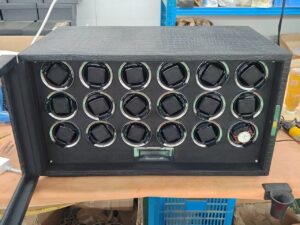
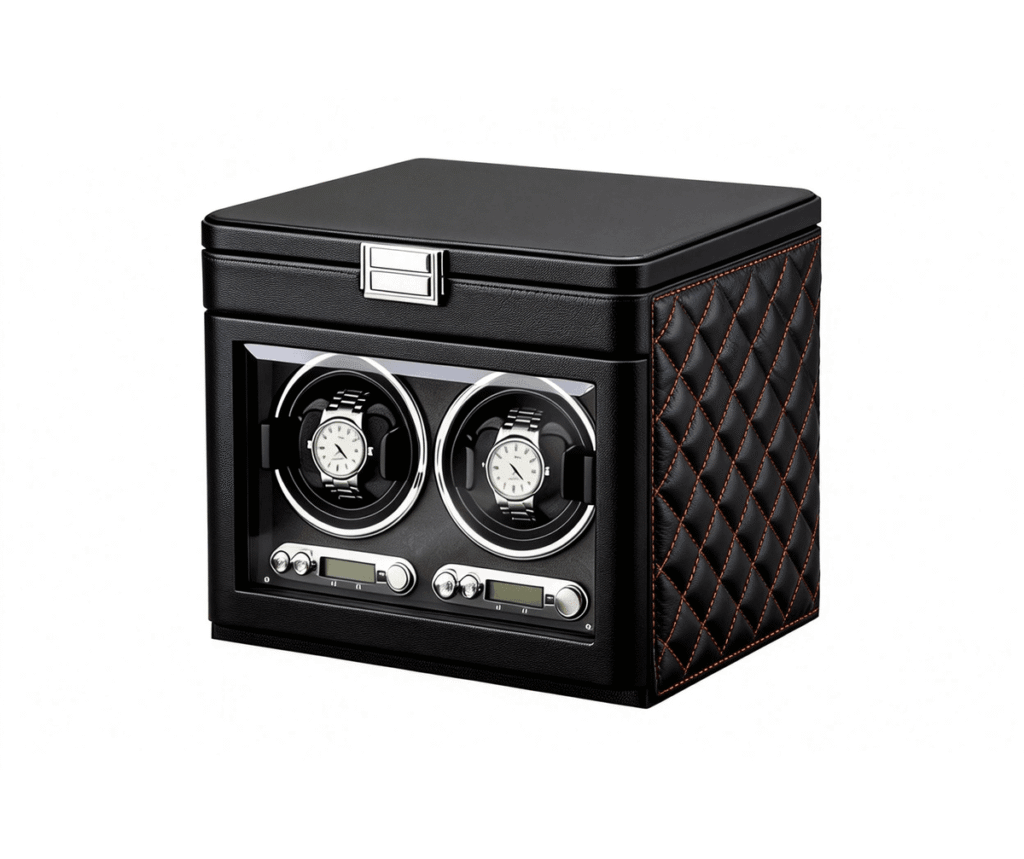
Upon unboxing your Wolf watch winder, you will typically find the following key components: the main unit (with its control interface), one or more watch pillows (cushions) of varying sizes, a power adapter, and a user manual. We advise keeping the original packaging for potential future storage or transportation. Take a moment to appreciate the build quality—the sturdy exterior and the soft, protective interior lining, often made from premium materials, are your first indicators of Wolf’s commitment to watch care.
Selecting the Correct Watch Pillow
This is a fundamental yet critical step. Using the wrong pillow can stress the watch strap or case. Most Wolf winders come with adjustable or interchangeable pillows.
- For metal bracelets: Use a wider, flatter pillow that allows the bracelet to curve naturally without forcing the links apart.
- For leather or rubber straps: A slimmer pillow is ideal. Ensure the strap is fastened (on the first or second hole) around the pillow without excessive tightness, which can deform the strap over time.
Securing the watch properly is among the first and most important watch winder tips for any owner. Core Operations: Setting the Perfect Program for Your Timepiece
Step One: Placement and Securing the Watch
Mastering how to use watch winder devices starts with safe handling. Follow these steps:
- Gently open the watch compartment’s lid or door.
- Select and insert the appropriately sized pillow.
- Place your watch onto the pillow, ensuring the case back rests comfortably against it. For watches with protruding crowns, position the watch so the crown does not press against the side of the compartment.
- Secure any strap around the pillow, avoiding overtightening.
- Close the compartment securely.
The goal is a snug, immobile fit that prevents the watch from shifting during rotation, yet without applying pressure that could damage the case or crystal. Step Two: Understanding and Setting the Rotation Mode (TPD & Direction)
This is the heart of effective automatic watch maintenance via a winder. Your Wolf watch winder will offer programmable settings.
- Turns Per Day (TPD): This is the total number of rotations the winder will complete in a 24-hour cycle. Too few TPD may not fully wind the watch; excessive TPD is generally unnecessary and can, in theory, increase wear. A common safe range for many watches is between 650 and 900 TPD. The key is to match your watch’s specific requirement.
- Rotation Direction: Watches wind via clockwise (CW), counter-clockwise (CCW), or bidirectional rotation. This is determined by the design of the watch’s winding mechanism.
Critical Action: Before setting your winder, consult your watch’s manual. If unavailable, reputable online databases (often provided by winder manufacturers like Wolf or watch service sites) list recommended TPD and direction for thousands of models. This research is a non-negotiable part of learning how to use watch winder tools correctly. Step Three: Configuring Rest Mode and Powering On
Modern, high-quality winders like Wolf feature “rest” or “sleep” modes. This cycles between periods of rotation and pause (e.g., rotate for 5 minutes, rest for 55 minutes), better simulating the natural rhythm of human wear rather than constant motion. This is a crucial feature that prevents potential over-winding (though most modern watches have slip-clutches to prevent this) and conserves energy. Set your desired rest cycle using the winder’s controls. Once all settings are configured, plug in the power adapter and switch the unit on.
Practical Case Study: Programming for Two Classic Watches
Let’s apply these principles with concrete examples, valuable watch winder tips in action:
Case A: Rolex Submariner (e.g., Caliber 3235)
Recommended Settings: ~650-800 TPD, Bi-directional rotation.
On Your Wolf Winder: You would program the TPD selector to 750, set the direction to “Bi-Directional,” and configure a rest cycle (e.g., 15 min rotation / 45 min rest). This provides ample, gentle winding tailored to this robust movement.
Case B: Patek Philippe Calatrava (e.g., Caliber 324 S C)
Recommended Settings: ~800-1000 TPD, Clockwise rotation.
On Your Wolf Winder: Program the TPD to 900, set the direction to “Clockwise,” and apply a similar rest cycle. The higher TPD and specific unidirectional setting cater to the needs of this finer dress watch movement.
These cases illustrate the importance of individualized settings. One universal program does not fit all—research is key.
Advanced Techniques and Long-Term Maintenance
Strategy for Multi-Watch Winders
If you own a multi-watch Wolf watch winder, develop a strategy. Consider designating permanent slots for watches with complex functions (like perpetual calendars) that are most troublesome to reset. Simpler three-hand watches can be rotated into available slots as needed. Ensure there is sufficient space between compartments to avoid magnetic interference or accidental contact.
When Should You Turn the Winder Off?
Intelligent watch care sometimes means knowing when to pause. Turn off and unplug your winder:
- During extended travel or storage periods exceeding several months.
- When a watch is sent for professional servicing. A serviced movement should rest initially as per the watchmaker’s instructions.
Caring for Your Wolf Watch Winder
To ensure your winder itself remains in top condition, follow these simple watch winder tips:
- Regularly dust the exterior and interior with a soft, dry, lint-free cloth.
- Place the winder in a stable location with good ventilation, away from direct sunlight, extreme temperatures, or high humidity (e.g., not in a bathroom).
- Avoid placing heavy objects on top of the unit.
Avoiding Pitfalls: Common Misconceptions Clarified
Misconception 1: “A watch winder will overwind and damage my watch.”
Clarification: Most modern automatic watches have a mechanism (a slipping bridle or clutch) that prevents the mainspring from being wound beyond its capacity. A properly programmed Wolf winder, with correct TPD and rest cycles, poses no overwinding risk.
Misconception 2: “Using a winder replaces the need for professional servicing.”
Clarification: A winder is a superb tool for daily automatic watch maintenance, but it cannot replace complete movement service. Friction, oil breakdown, and wear still occur over years. Watches typically require professional disassembly, cleaning, and re-lubrication every 3-7 years.
Misconception 3: “The winder must run 24/7 without interruption.”
Clarification: As emphasized, the rest mode is a vital feature. Constant rotation is unnatural and unnecessary. The intermittent cycle better mirrors real-world use and is gentler on the movement.
Conclusion: Let Precision Become a Habit
Effectively utilizing your Wolf watch winder is a four-step journey: Know Your Tool, Know Your Watch, Set Precisely, and Maintain Regularly. By understanding your winder’s functions, researching your timepiece’s specific needs, and applying the tailored programming and watch winder tips outlined here, you transition from a passive owner to an active custodian. Your Wolf watch winder is more than a convenience; it is a strategic ally in preserving the mechanical integrity, accuracy, and readiness of your automatic watch collection. It embodies a sophisticated approach to watch care, ensuring that each piece in your collection remains a reliable and precise companion for years to come. Invest the time to set it right—your watches deserve nothing less.
Frequently Asked Questions (FAQ)
Q1: Can I use my Wolf Watch Winder for a quartz or manual-wind watch?
A1: Quartz watches are battery-powered and do not require winding; placing one in a winder is unnecessary. Manual-wind watches must be wound by hand via the crown; a winder cannot perform this action. However, a Wolf winder can serve as an excellent, dust-free, and secure display case for any watch in your collection when powered off.
Q2: Is the watch winder noisy? Will it disturb my sleep if placed in a bedroom?
A2: Wolf winders are engineered with high-quality, coreless motors specifically designed for ultra-quiet operation. The noise level is typically minimal—often a faint, gentle hum that is inaudible in a normal room environment. They are perfectly suited for bedrooms, studies, or offices. For absolute peace of mind, run it for a full cycle in a quiet room during the day to personally gauge its sound profile.
Q3: What should I do if I cannot find the recommended TPD and rotation direction for my specific watch model?
A3: If research fails, employ a conservative, “universal safe mode” setting on your Wolf watch winder. A setting of 750 TPD with bi-directional rotation, coupled with a rest cycle, is suitable for the vast majority of modern automatic watches with common ETA, Sellita, or Miyota base movements. It provides sufficient winding without being excessive. This is a practical application of general watch winder tips when specific data is unavailable.