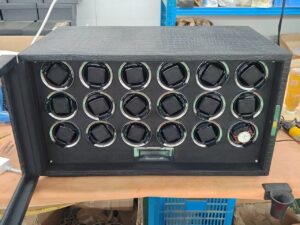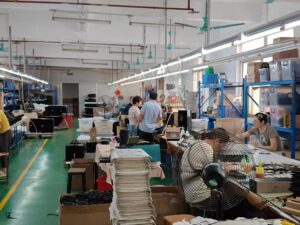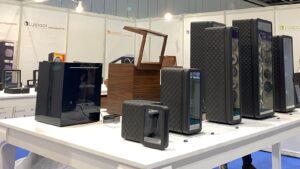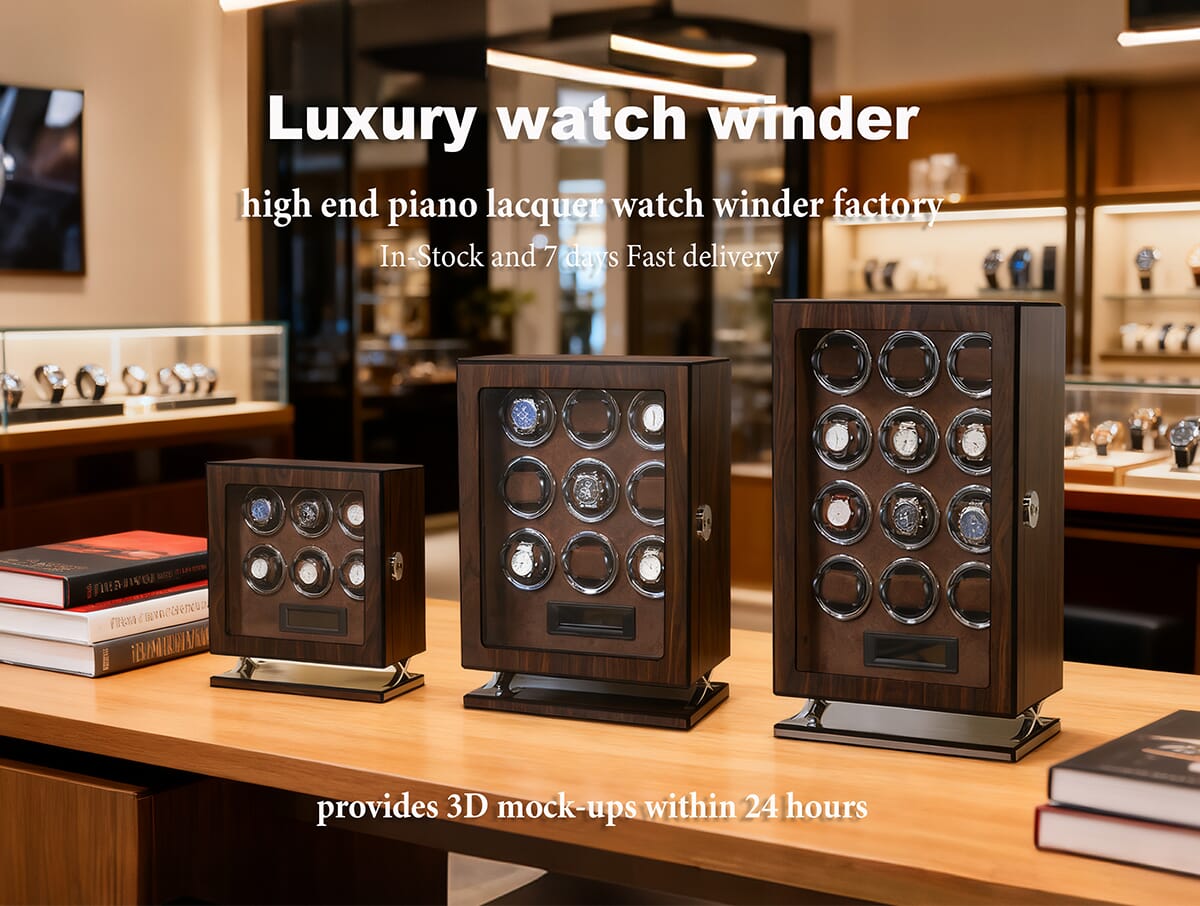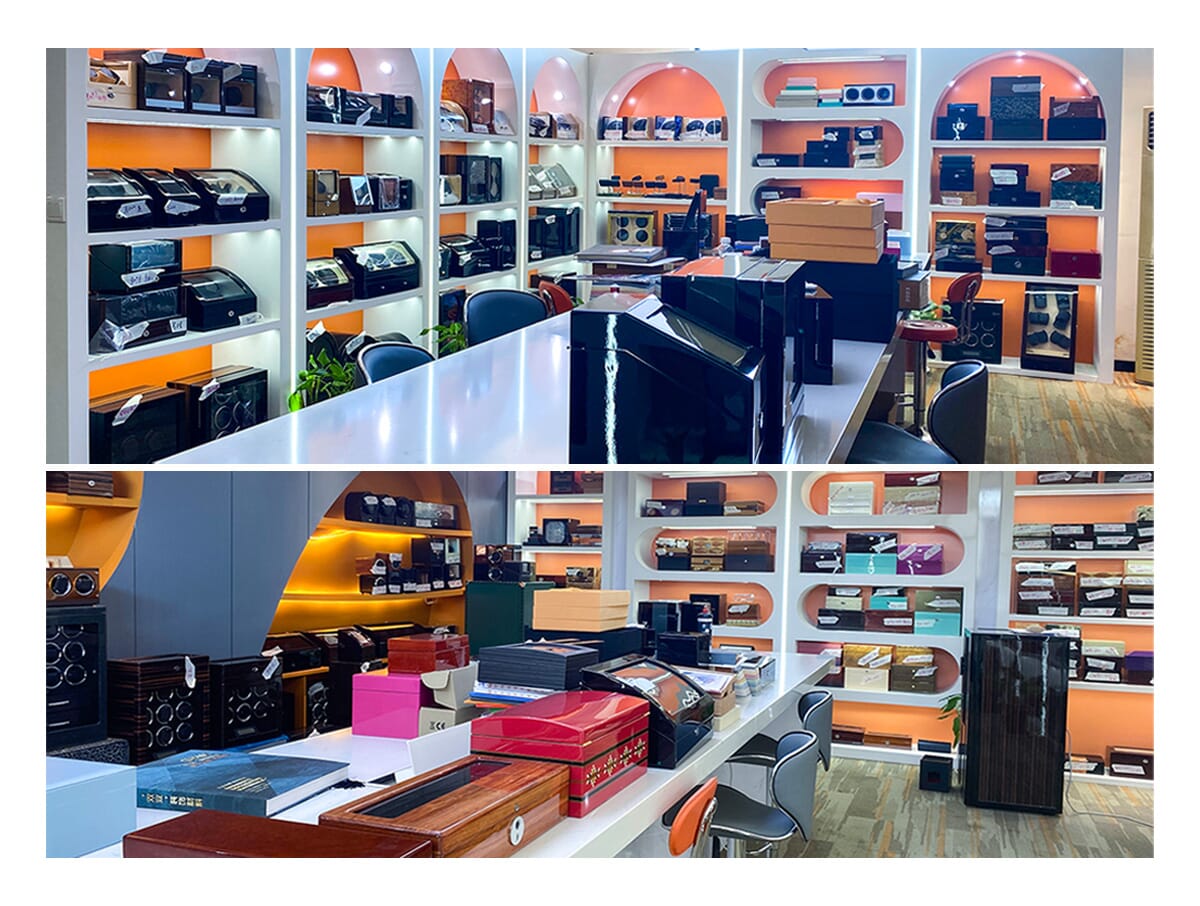
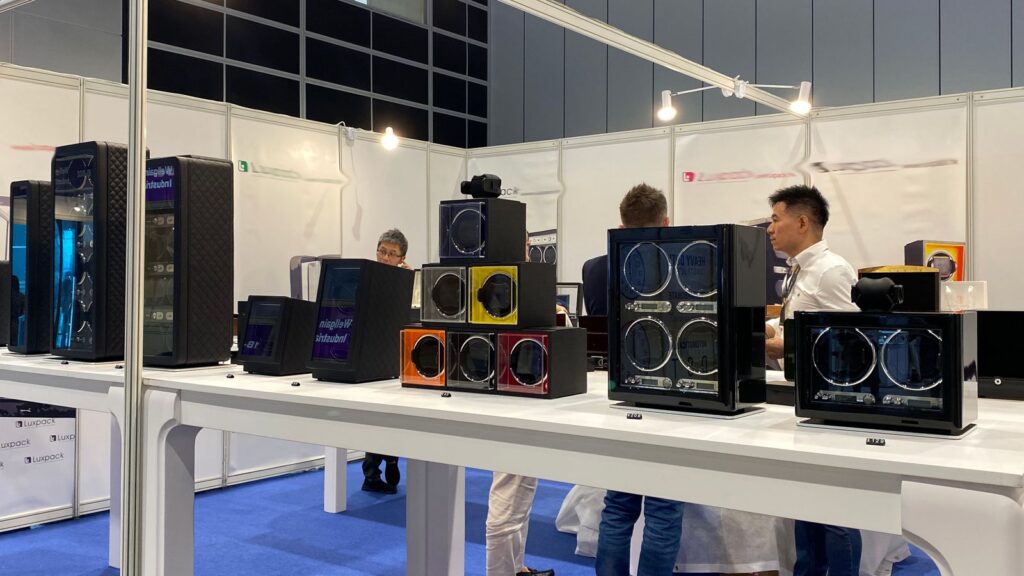
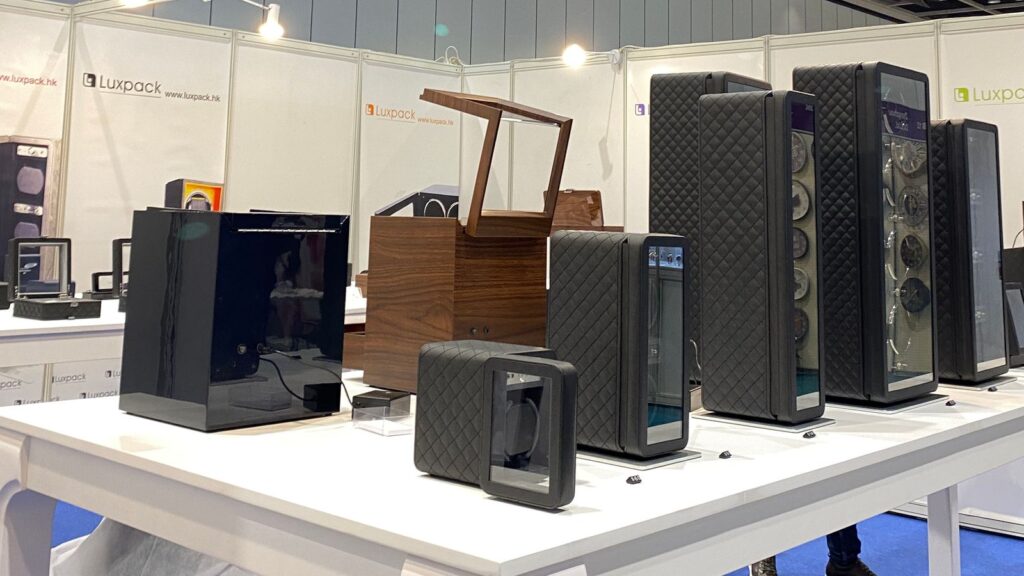
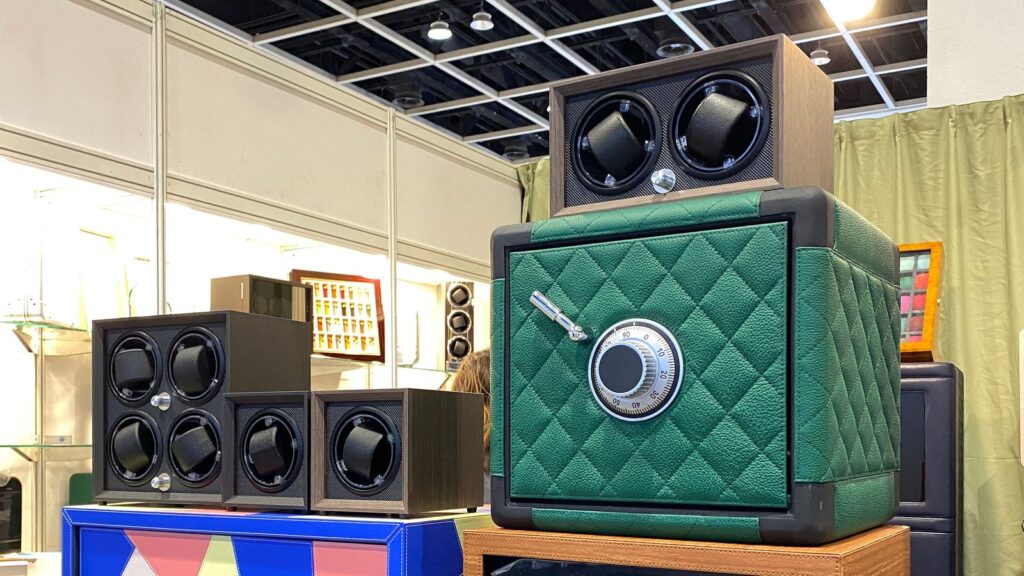
Most B2B buyers only ever see a factory through a WeChat message, a quotation PDF, and a folder of sample photos. That’s not a factory — it’s a sales pitch. So instead of telling you what we say about our own process, here’s what actually happens between the moment your design brief lands in our inbox and the moment a finished watch winder leaves our Nansha, Guangzhou workshop.
Context worth knowing first: the automatic watch winder category isn’t a niche curiosity anymore. Global market value stood at roughly USD 1.74 billion in 2025 and is on track for USD 2.85 billion by 2034, a 7.5% CAGR pulled forward by a growing base of mechanical-watch owners who need their pieces wound, protected, and displayed. (Source: Intel Market Research) That growth is exactly why the gap between factories that can scale reliably and factories that can’t matters more every year.
Step One: Design, Measured in Hours, Not Weeks
Every project starts with a brief — sometimes a finished CAD file, sometimes a napkin sketch of what a client wants their winder to feel like on a shelf. Our in-house design team turns that into a first 3D concept render within roughly 8 hours. That speed isn’t a marketing number; it’s what happens when structural design, motor engineering, and finishing all sit under one roof instead of being coordinated across three separate subcontractors by email.
Step Two: The Motor — Where “Silent” Either Means Something or It Doesn’t
We build around Japanese Mabuchi motors, engineered to run below 10dB — quiet enough to sit on a nightstand overnight without becoming background noise. TPD (turns per day) is configurable across a 300–2,200 range, which covers everything from a gentle single-watch program to a multi-directional setup for complicated complications. Before any unit ships, motors go through an aging test — commonly run over 48 hours — specifically to catch inconsistent units before they reach a customer, not after.
Step Three: The Finish That Takes Longer Than the Rest of the Build Combined
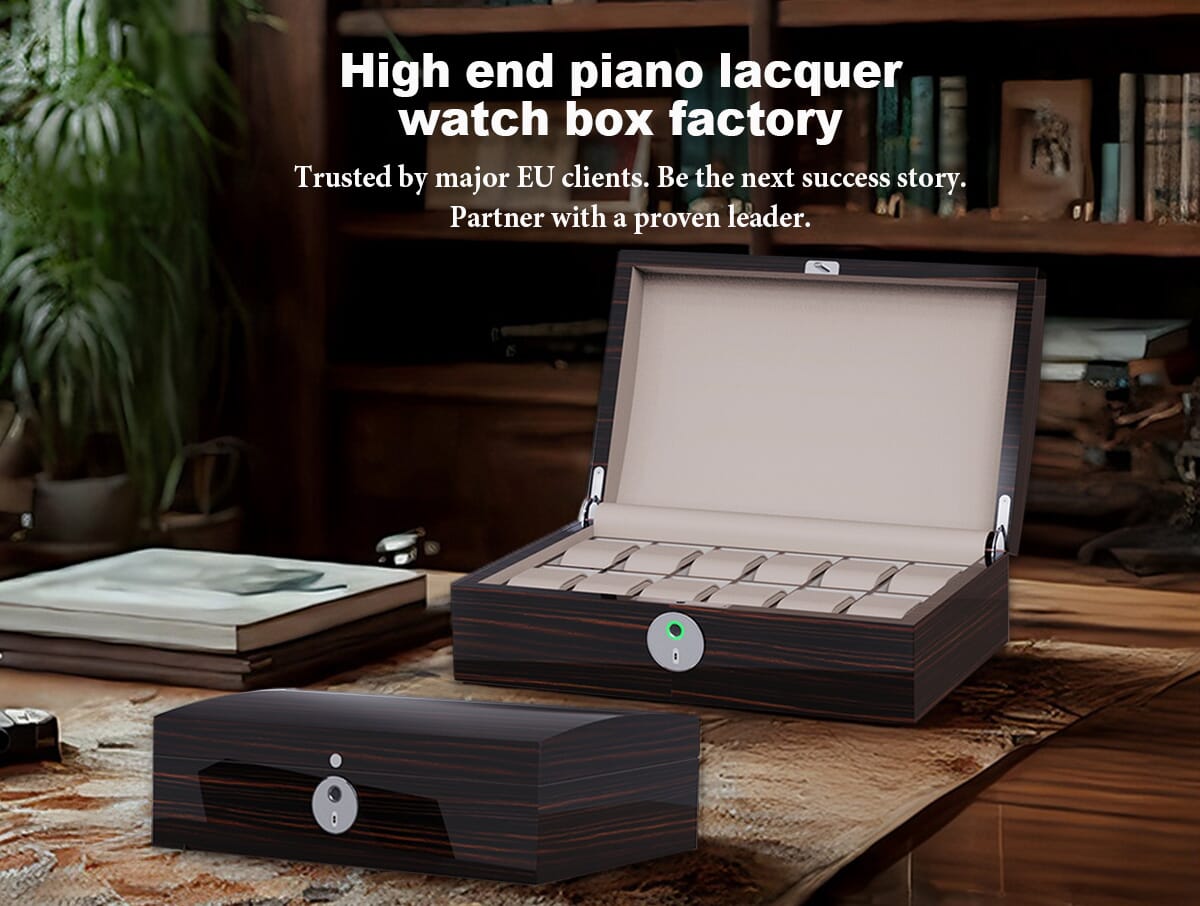
Piano lacquer finishing is where most of the actual craftsmanship time goes. Our process runs 12–13 coats, each one adding the layered depth that makes a finished box or winder look like it has real weight and dimension under light — and, more practically, resist the micro-scratching and fading that shallow 3–5 coat finishes show within a year or two of retail handling and daily use.
Step Four: Quality Control That Doesn’t Rely on Sampling
Every unit runs through incoming material inspection, in-process inspection, and outgoing quality control before packing — 100% individual inspection, not statistical sampling. That staged process is how we hold defect rates at or below 2% across roughly 800,000 units a year rather than letting inconsistency compound at scale. We also send progress photos and video updates during inspection stages so clients aren’t waiting until the container ships to find out how their order actually looks.
Step Five: Compliance That Actually Clears Customs
UL, CE, RoHS, and FSC certifications aren’t back-office paperwork — they’re what lets our OEM clients in North America, Europe, and the Middle East move product through customs and onto shelves without a compliance delay. We hold all four, and we’ll show you the actual certificates, not just logos on a slide.
| Capability | What we operate at |
|---|---|
| Design turnaround | ~8 hours to first 3D render |
| Motor | Japanese Mabuchi, <10dB, TPD 300–2,200 |
| Finish | 12–13 coat piano lacquer |
| Defect rate | ≤2%, 100% unit inspection |
| Annual output | 800,000+ units |
| MOQ | From ~100 units on customized designs |
| Certifications | UL / CE / RoHS / FSC |
If you’d like the fuller breakdown of how these stages connect end to end, our manufacturing capabilities page covers the full process, and our watch winder product range shows the configurations — single through twenty-four-unit builds — that come out the other end of it.
Why This Matters More Than a Lower Quote
A cheaper quote from a factory that can’t answer these five questions specifically isn’t actually cheaper — it’s a cost you haven’t paid yet. Nineteen years of running this exact process for distributors, boutique brands, and private-label sellers is what lets us quote a real number instead of an optimistic one, on the first call.
Want to See This Floor for Yourself?
What part of the process would you want to see first — the motor assembly line, the lacquer booth, or the QC station? Tell us in a comment or message, and we’ll set up a live video walkthrough of exactly that part of the factory, no scripted sales tour. We answer every inquiry personally.
Request the Full Catalogue →