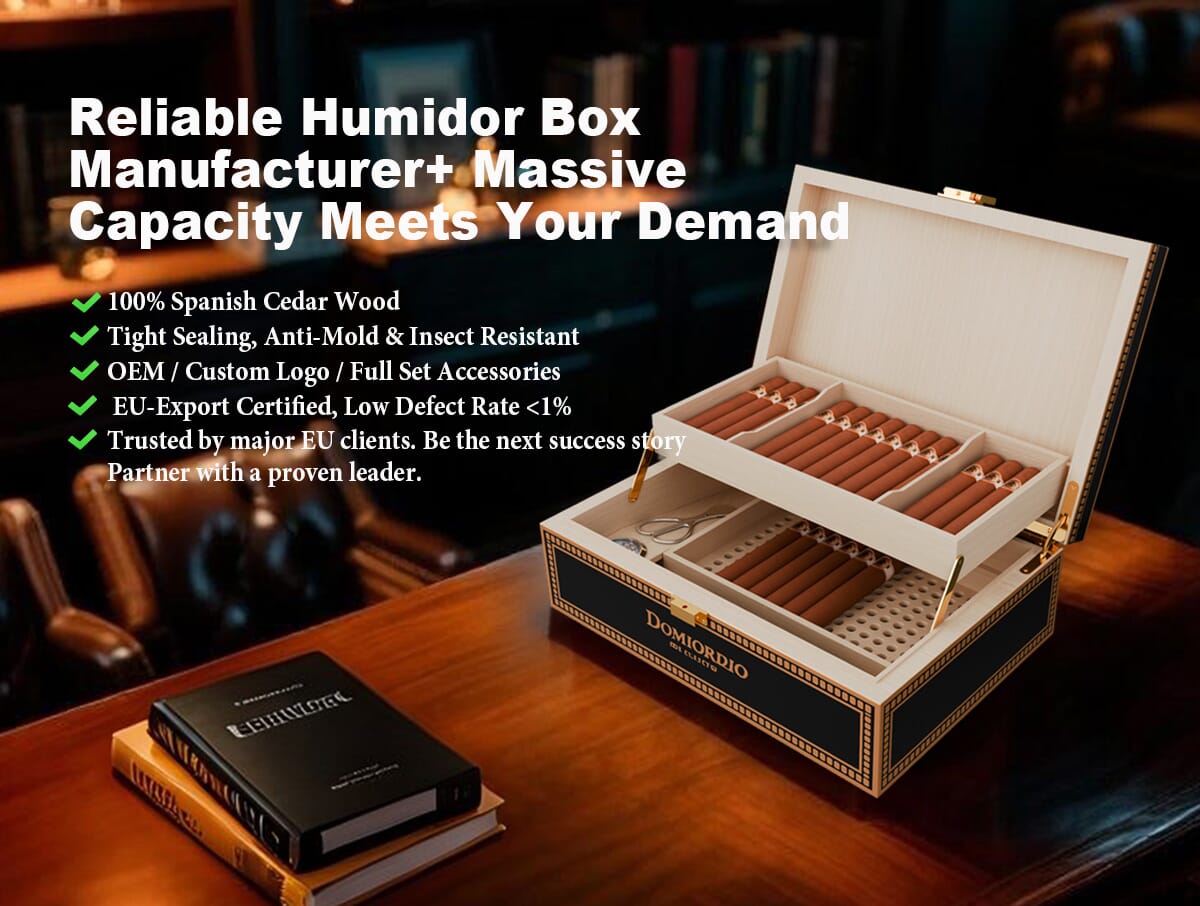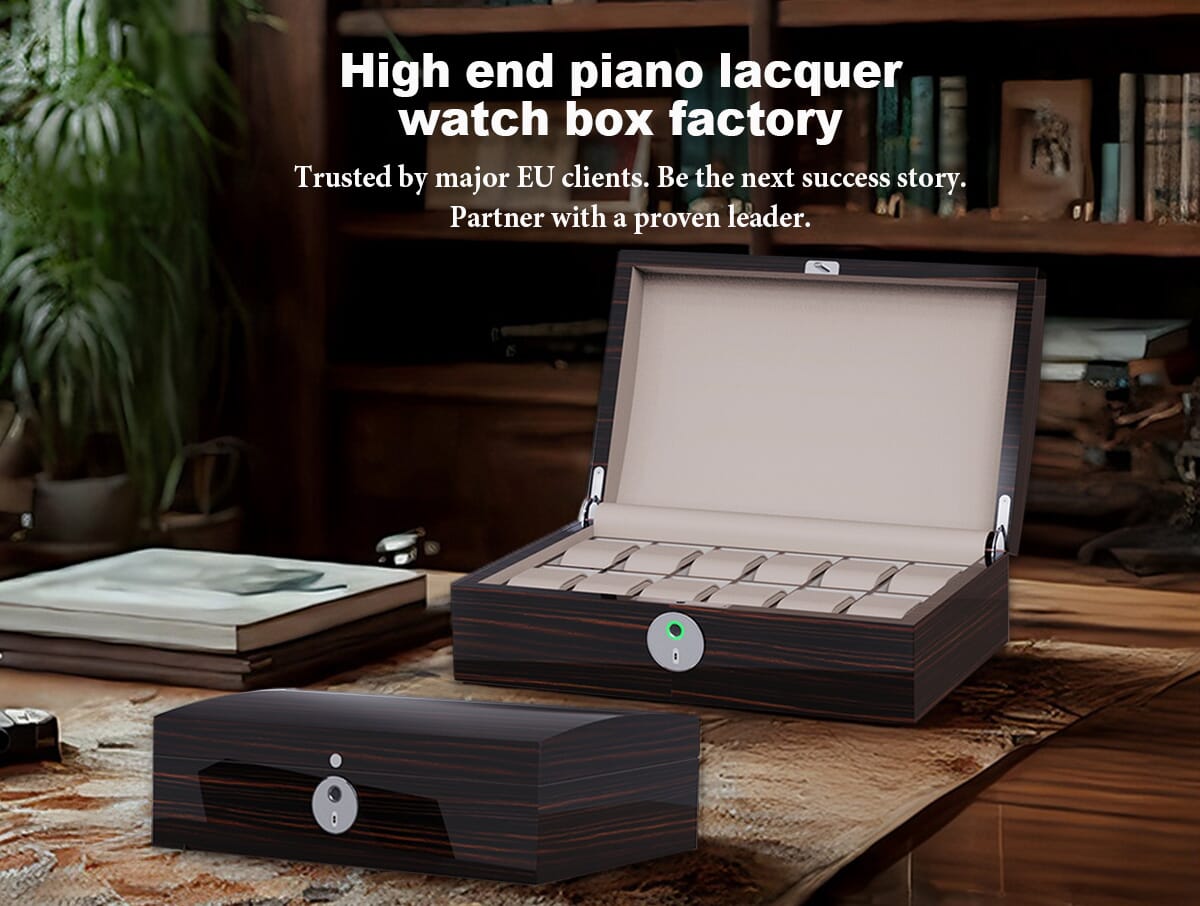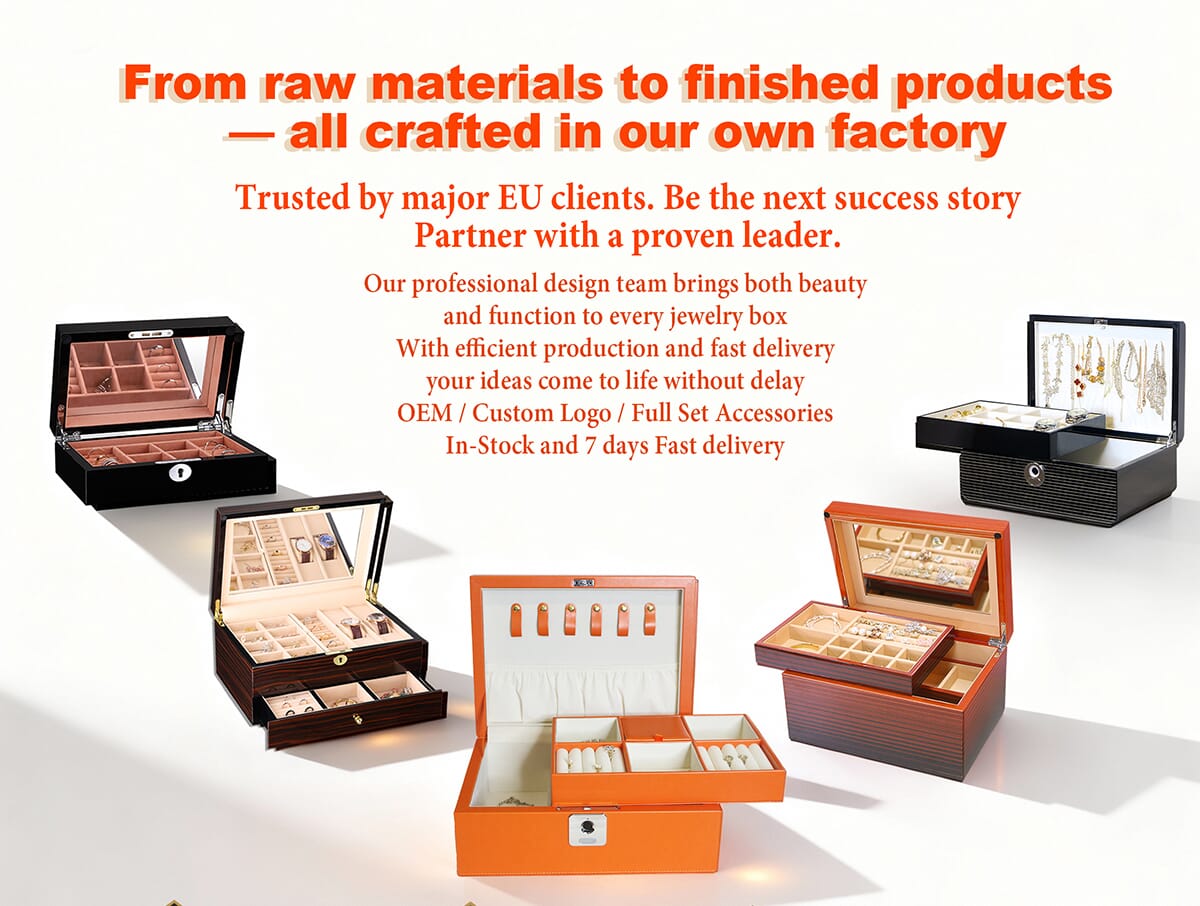
In the US watch market, luxury watch packaging boxes are not just a container – they are the first physical contact a customer has with your brand, the last thing they see before the product, and the object many of them keep on the dresser for years. Guangzhou T.wing-Pak Mfg Co., Ltd. works with watch brands, jewelry retailers, corporate gift programs and sourcing teams across North America to build custom watch gift boxes, magnetic closure boxes, rigid presentation boxes and lower-impact packaging programs that improve protection, shelf presentation and conversion at the same time.
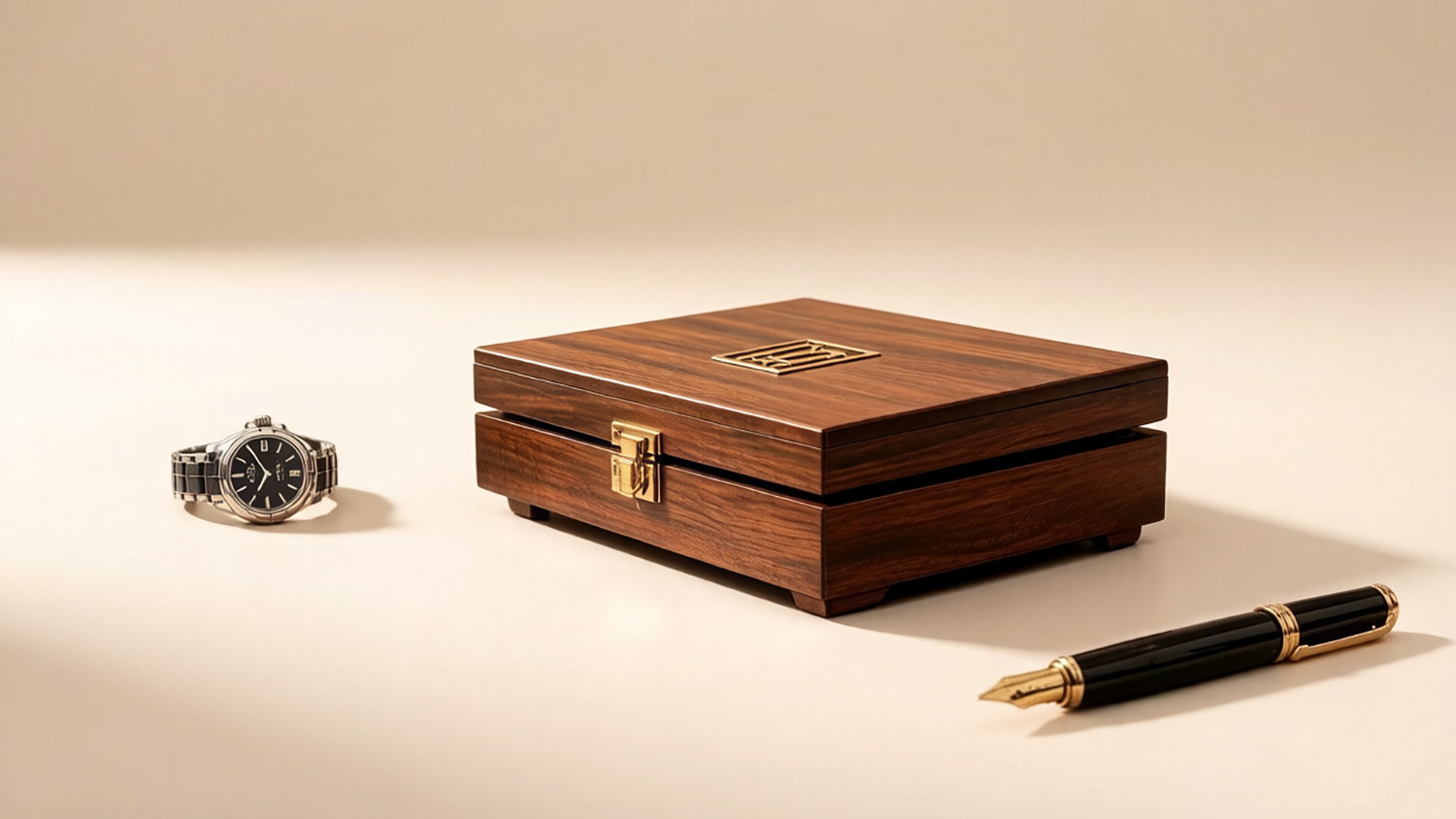
What Counts as a Luxury Watch Packaging Box
A complete watch packaging system is five parts working together: the outer shell, the insert or cushion, the protective layer, the literature slot (warranty card and manual), and the brand identity elements – logo, foil, ribbon, or plate. Get any one of them wrong and the other four stop mattering.
The category covers a wide vocabulary, and it helps to know the terms your supplier will use: custom watch boxes, luxury watch gift boxes, watch presentation boxes, rigid watch boxes, branded watch packaging, magnetic closure watch boxes and eco-friendly watch packaging. Structurally, most programs fall into five families:
- Rigid setup boxes (the classic two-piece “lid and base” gift box) – highest perceived value, slowest to assemble.
- Magnetic closure boxes – a single-piece book-style box with hidden magnets; the current default for mid-to-high-end watch launches.
- Hinged flip-top boxes – display-friendly, often used for collector and limited editions.
- Drawer or slide boxes – strong reveal moment, good for watch plus accessory sets.
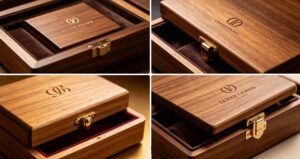
- Wooden and leatherette cases – the premium tier, used when the box itself is part of the product.
Three jobs have to be done at once. Structural protection absorbs the knocks, scuffs and dust of shipping and retail handling. Visual presentation carries the brand positioning through material, color and finish. And the experience – how the lid lifts, how the watch sits in the cushion, how it re-closes – is what customers actually remember and film.
How Structure and Materials Protect the Watch
Better protection is not simply “thicker walls.” It is a matched system: shell strength on the outside, energy absorption in the middle, and a soft, non-abrasive surface where the watch actually touches.
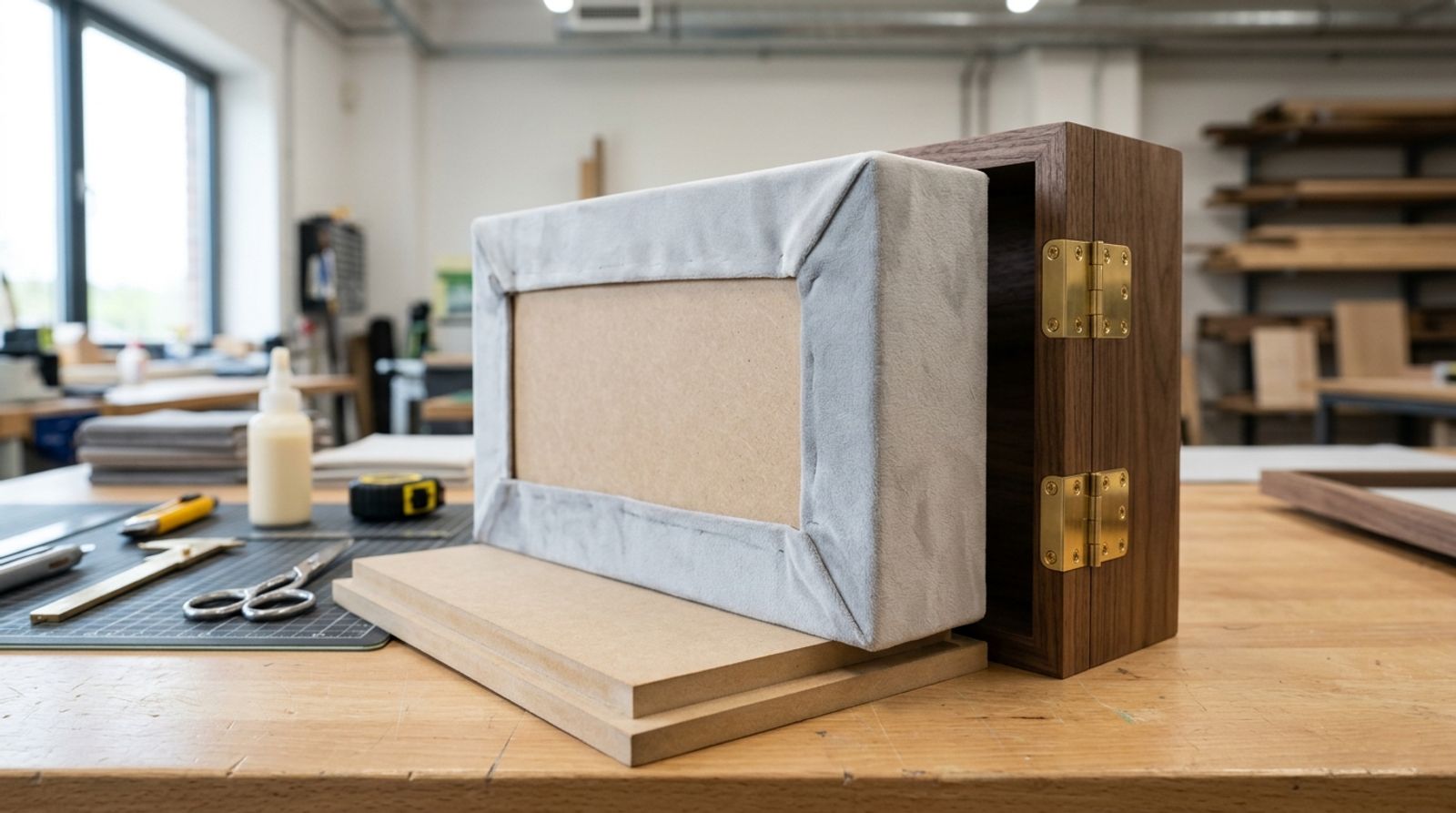
Inserts are where most of the engineering happens. EVA, PU foam, flocked foam, velvet-wrapped forms and high-density sponge are each cut to your case diameter, strap width and display angle. For mechanical watches and limited editions, specify a multi-layer build: a rigid greyboard or solid-board shell for compression strength, a cushioning mid-layer, and a soft velvet insert or microfiber lining so the polished case and bracelet never rub against a hard surface.
US e-commerce and cross-border shipping add three variables worth designing for: drops, vibration, and humidity swings. Keep the internal fit snug so the watch cannot shift; leave dedicated space for the manual, warranty card and extra strap so nothing rattles loose; and avoid oversized cartons, which both raise dimensional weight and give the product room to move.
Branding Finishes That Actually Carry Identity
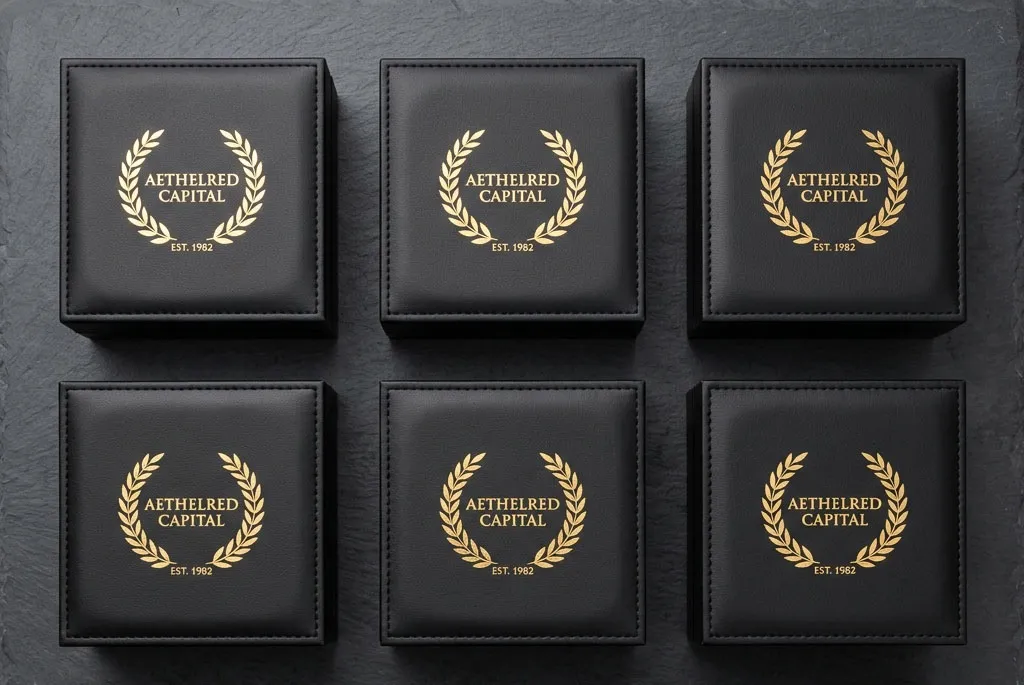
Finishing is where packaging stops being generic. T.wing-Pak applies hot foil stamping (gold or silver), embossing and debossing, silk screen printing, spot UV, magnetic closures and custom woven ribbons to luxury watch packaging boxes, and the choice should follow your brand system rather than the trend cycle.
A few combinations work consistently in the US market. Deep textured paper with gold foil suits classic, collector and corporate gift lines. Off-white specialty paper with blind embossing reads minimalist, modern and sustainability-forward. Wood grain, soft-touch lamination and fabric wraps signal handcraft and tactile quality for heritage brands.
The discipline is restraint: finishes should serve identity and budget, not stack effects. Lock down these details at the sampling stage – logo size, foil temperature, paper grain, magnet pull strength, insert color and open-close feel – because a color shift or a weak magnet discovered after mass production is a reprint, not a tweak.
Sustainability and Compliance for US and EU Shipments
Environmental performance is now a sourcing criterion, not a bonus slide. Three frameworks come up in nearly every packaging review.
ISO 18601 extends environmental management to the design and use of packaging systems, tying it to source reduction, reuse, recycling and material management requirements. ISO 18601
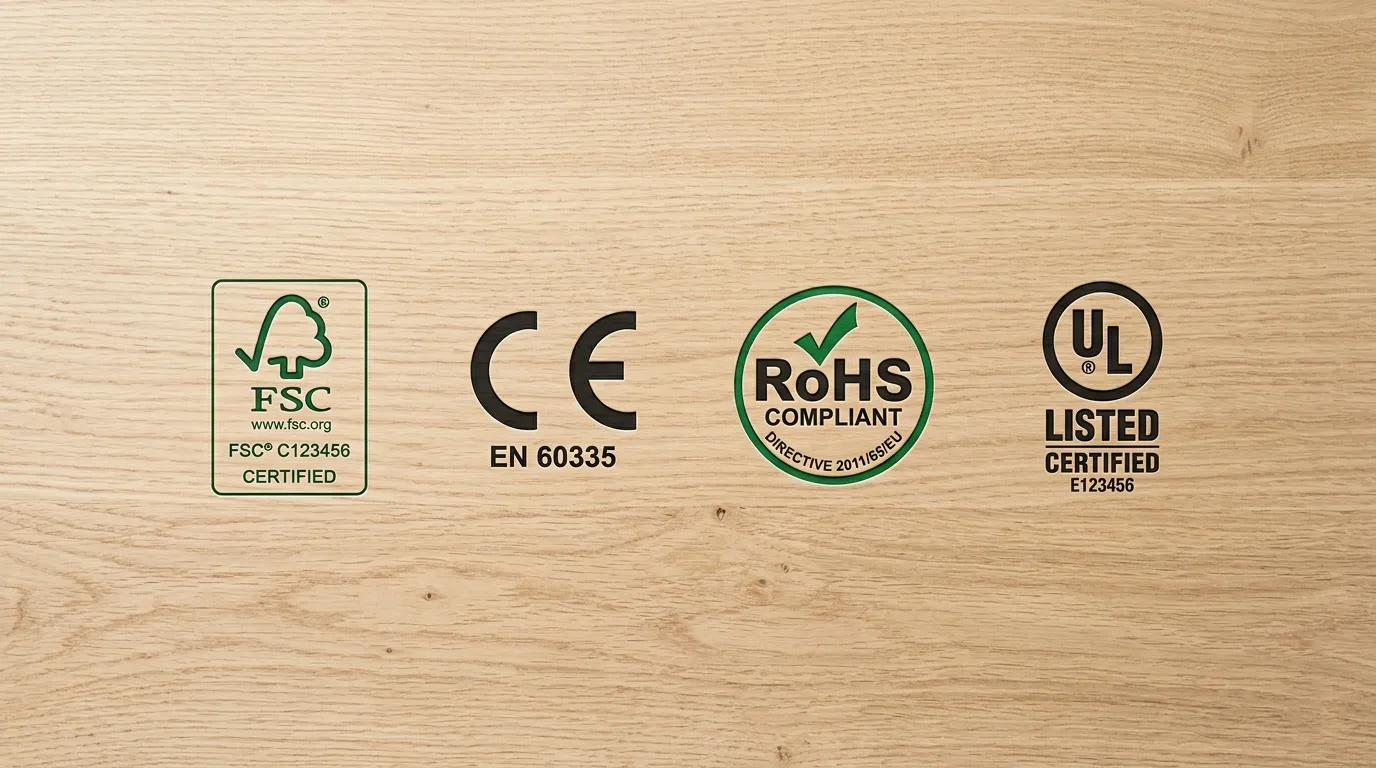
FSC states that packaging converters using FSC-certified or controlled forest material can apply for chain-of-custody certification and use the relevant trademarks to communicate responsible sourcing to customers. FSC paper and packaging
EU PPWR – for European shipments, Regulation (EU) 2025/40 entered into force on 11 February 2025 and generally applies from 12 August 2026. It covers the full packaging life cycle: recyclability, restricted substances (including a 100 mg/kg limit on lead, cadmium, mercury and hexavalent chromium combined), recycled content, labeling, and extended producer responsibility. European Commission: packaging waste
For US brands, add one more: environmental marketing claims are governed by the Federal Trade Commission’s Green Guides (16 CFR Part 260), which require claims like “recyclable,” “compostable” or “made with recycled content” to be substantiated and qualified. Several US states have also adopted packaging extended producer responsibility laws, so check the states you ship into before you print a claim on the box.
Practical specification options include FSC-certified paper and board, plastic-reduced or plastic-free construction, water-based or low-odor inks, separable components, and recyclable paper-based inserts. Which labels you may use depends on your supply chain documentation and your target market – confirm before artwork is locked.
How to Brief a Packaging Supplier So the First Sample Is Right
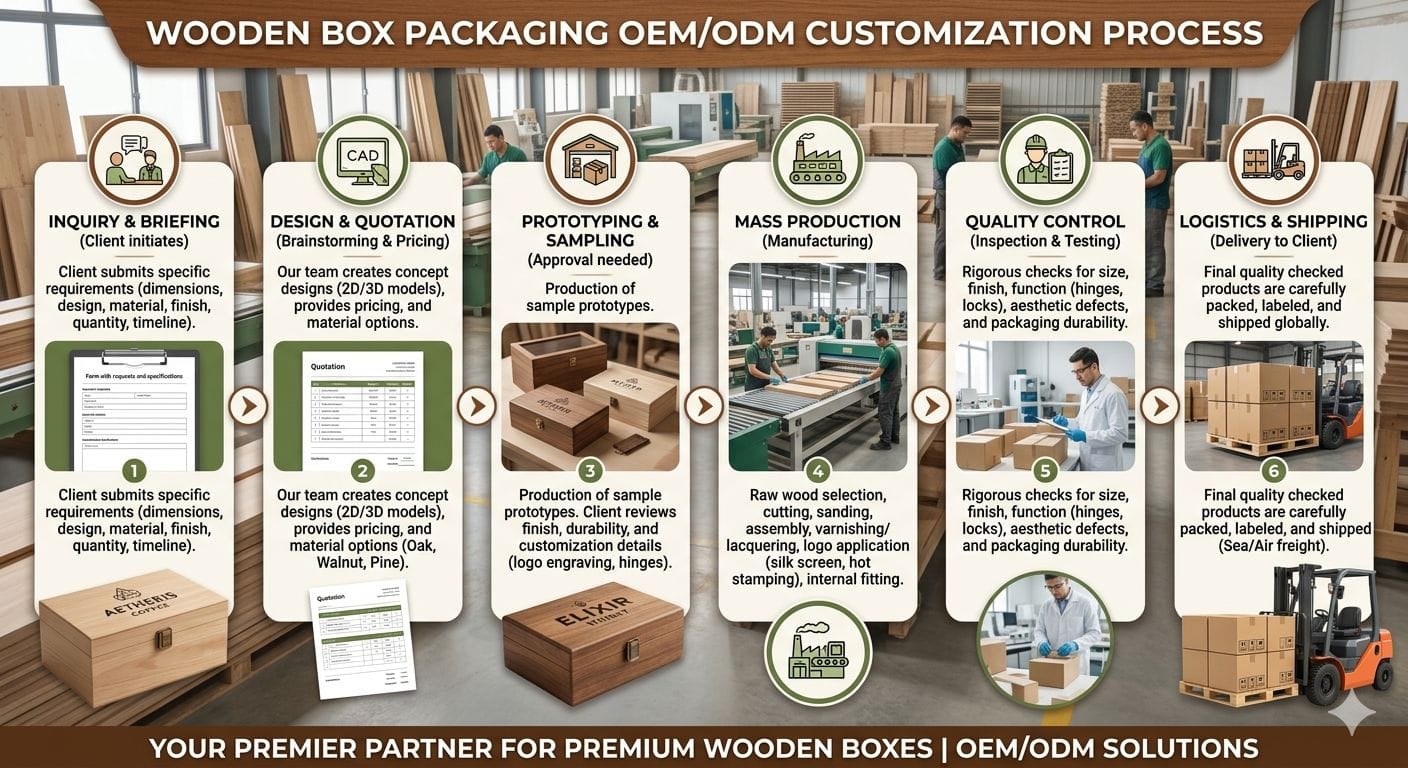
From concept to volume delivery, a predictable supply chain matters more than one beautiful render. T.wing-Pak supports requirement capture, structural design, material selection, sampling, color proofing, packaging testing and mass production.
Send this in your first RFQ and you will get an accurate quote and a shorter sampling loop:
- Watch case diameter and thickness (US buyers: most automatic cases run 36-52 mm, roughly 1.4-2.05 in), plus strap or bracelet type.
- Estimated order quantity per model and per year.
- Target market – US only, US plus EU, or additional regions.
- Logo files (vector preferred) and brand color references.
- Desired lead time and target budget range per unit.
- Whether you need slots for a manual, warranty card, extra strap or tool.
If you are still in development, start with a single sample set: confirm the open-close feel, insert fit, print quality and transit protection before committing to tooling. For a product family, build one unified packaging system and differentiate models by size and color rather than reinventing the structure each time – it lowers cost per unit and makes your shelf line readable.

Build Your Watch Packaging Program With T.wing-Pak
The right luxury watch packaging boxes fold product protection, brand expression and responsible sourcing into a single system – and that system is specifiable, testable and repeatable. Whether you need a magnetic closure box for a direct-to-consumer launch, a rigid gift box for a retail rollout, or a wooden case for a limited edition, the fastest path is a structural proposal against your actual watch dimensions.
Send Guangzhou T.wing-Pak Mfg Co., Ltd. your watch specifications, logo file and target quantity, and you will receive a packaging structure recommendation, material options and a factory-direct quotation within 24 hours. Request a quote today and move your next watch program from artwork to production this quarter.
Frequently Asked Questions
1. What box structures can be customized for luxury watch packaging?
Common structures include magnetic closure boxes, hinged flip-top boxes, drawer or slide boxes, rigid two-piece gift boxes, book-style boxes and combination gift sets. Non-standard designs can be engineered around your watch dimensions, strap form and accessory count.
2. What insert materials are used in watch packaging?
EVA, PU foam, flocked foam, sponge, velvet and paper-based inserts are the usual options. Higher-value watches typically use a composite build that balances shock absorption, scratch protection and display angle.
3. Can we print or apply our brand logo on the box?
Yes. Hot foil stamping in gold or silver, embossing and debossing, silk screen printing, UV printing, spot-color printing and custom woven ribbon logos are all available. Final effect is confirmed against your logo file and the chosen surface material.
4. Are sustainable materials available for watch packaging boxes?
Yes – FSC-certified paper and board, recyclable paperboard, reduced or eliminated plastic components, paper-based inserts and separable structures. Whether a specific eco-label may be used depends on your supply chain documentation and the regulations of your target market.
5. What information should we provide to start a custom project?
Product dimensions, watch photos or 3D files, vector logo source files, purchase quantity, target market, lead time, budget and functional requirements for the packaging. With complete information, your supplier can return structural drawings and an accurate quote faster.