T.WING-PAK Case Study: From a “Stalled” Inquiry to Passing the Three Major European and American Certifications in One Go
An Inquiry That Had a Client Stumped for Three Months
Earlier this year, we received an inquiry from a client in Germany. He runs a mid-to-high-end watch accessory brand, mainly selling watch boxes and watch winders. He was planning to expand his product line from small-batch online sales to officially entering boutique stores and dealer channels in several European countries.
It sounded like a promising start to a partnership, but during our first video conference, the client raised an issue:
“We approached two other suppliers before. Their samples were good, but both got stuck at the certification stage – FSC, CE, RoHS. They either weren’t familiar with the processes or could only provide one of the certificates. We’ve been delayed for three months because of this, and our dealers keep pushing us.”
This isn’t an isolated case. In fact, this is a sentiment we’ve heard repeatedly over the years while serving clients in Europe, America, and the Middle East: “The product itself is fine; certification is the real bottleneck.”
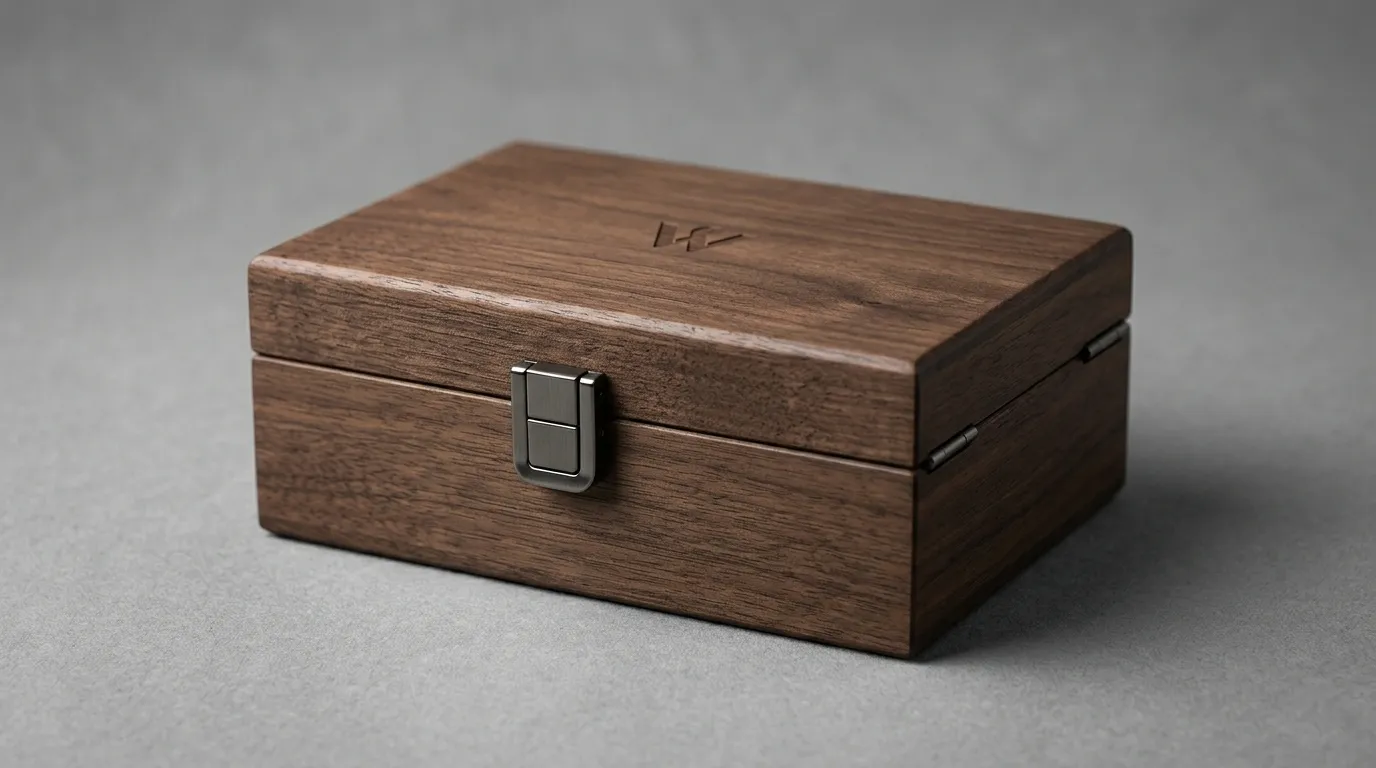
I. Why “Environmental Certification” Is an Invisible Hurdle for Exporting Wooden Box Packaging
For many clients new to exporting to European and American markets, certification is often underestimated. They focus on product design, materials, and pricing, but overlook the fact that wooden box packaging without proper compliance certifications can be directly rejected at customs, during platform audits, or even during retailer stocking reviews.
Specifically, when sourcing custom wooden box packaging, overseas clients typically face pressure from three types of certifications:
1. Material Source Compliance – FSC Certification
The EU and the US are increasingly strict about the origin of wood products. FSC (Forest Stewardship Council) certification proves that the wood used comes from certified sustainably managed forests, not involving illegal logging or destructive deforestation. For brands targeting European and American markets, especially those with ESG (Environmental, Social, and Governance) disclosure requirements, FSC is not a “bonus” but a “prerequisite.”
Many clients who try to handle this themselves by contacting forestry certification bodies and navigating the procedures often find it takes months, and they might not even find a certified supply chain willing to accommodate small-batch orders.
2. Chemical Safety Compliance – RoHS Certification
RoHS restricts the content of hazardous substances like lead, cadmium, and mercury in products. It was originally a mandatory standard for electronics but has recently extended to wooden box products containing metal parts and electronic components (like the motors and circuit boards in watch winders). If the motors and circuit boards inside a watch winder don’t pass RoHS testing, the entire shipment faces a high risk of being detained or returned during EU customs clearance.
3. Safety and Quality Compliance – CE Certification
CE certification covers the basic safety requirements for products circulating in the European market. Products with electronic components (like watch winder motors), in particular, must have a CE mark declaring compliance with relevant EU health, safety, and environmental regulations. Without a CE mark, a product is essentially considered “illegal to sell” in the EU market.
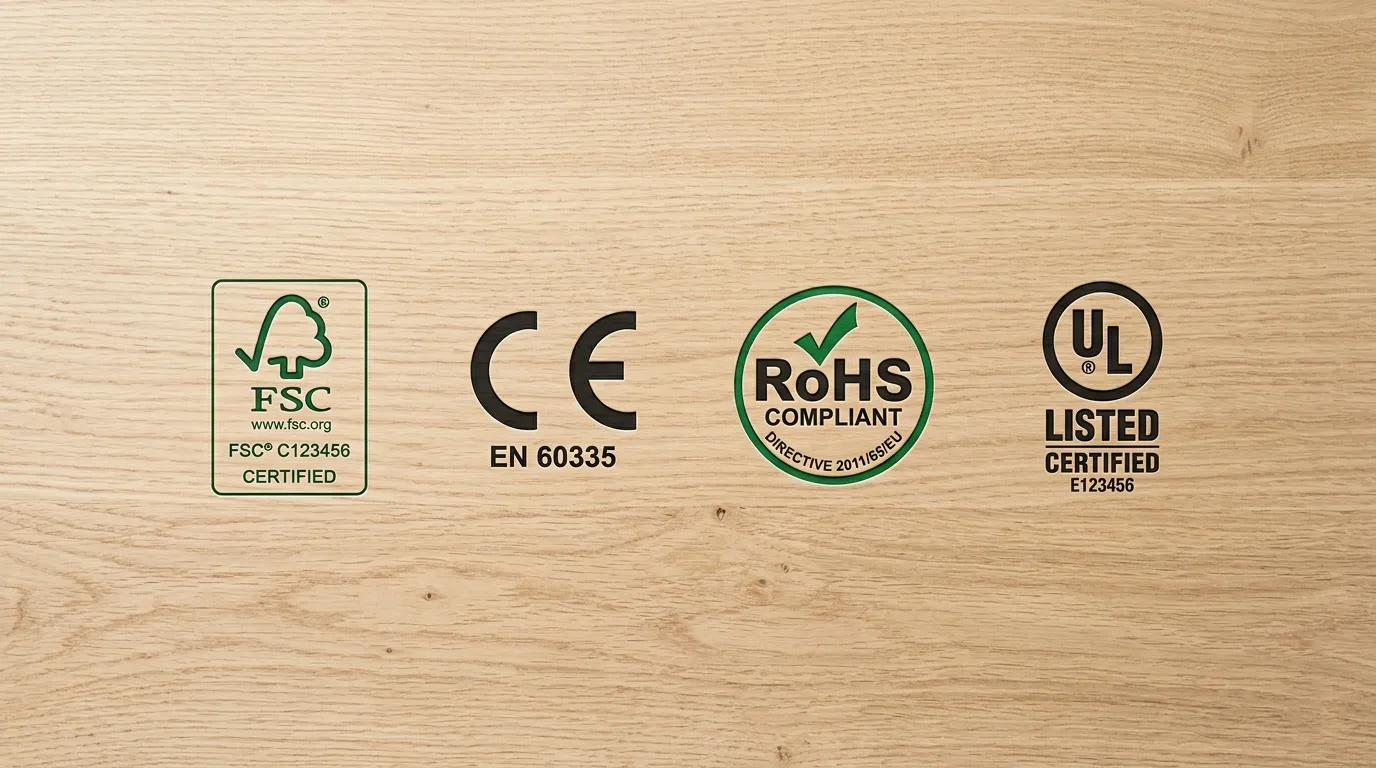
II. How We Helped This German Client Secure All Certifications at Once
Returning to the German client’s case. After understanding his pain points, we didn’t rush to quote. Instead, we did three things first:
Step 1: Assess the Current Certification Status
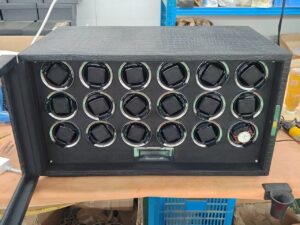
We first identified which components of the client’s product line needed certification and what type. The watch boxes mainly involved wood source (FSC) and formaldehyde emission standards for paint/glue. The watch winders, however, because they have built-in motors and circuit boards, additionally required CE and RoHS. This step seems simple, but many suppliers overlook the “electronic components in watch winders” detail, leading to rework later.
Step 2: Provide a One-Stop Certification Package Explanation
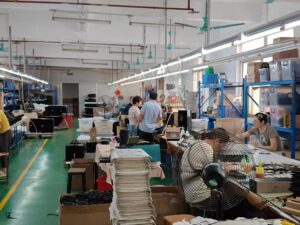
T.WING-PAK’s own production lines and supply chain system consistently maintain a high pass rate for UL, CE, RoHS, and FSC certifications. This means the client doesn’t need to separately contact certification bodies, pay independent testing fees, or risk samples passing but mass production failing certification standards. We compiled the certification documents and test reports into a clear information package, provided it directly to the client, making it easy for him to present to local dealers and customs.
Step 3: Offer Customized Design Suggestions for the Client’s Product
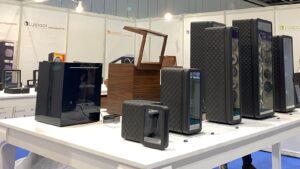
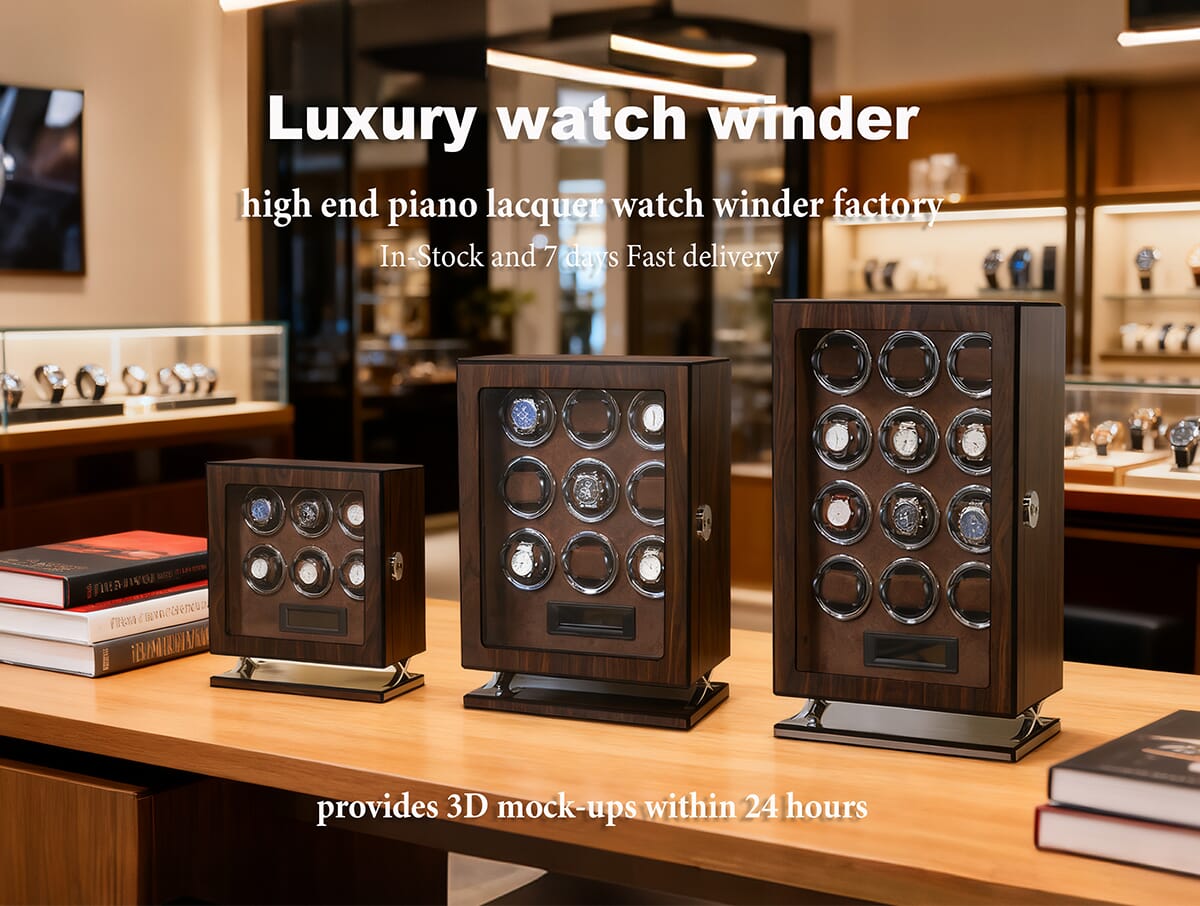
Considering the client’s brand positioning leans towards “modern minimalism and understated luxury,” we didn’t just recommend standard styles. Instead, we suggested a change to the inner lining material: replace the common synthetic suede with Alcantara eco-suede lining, which better aligns with the sustainability narrative. This not only complements the sustainable concept conveyed by the FSC certification but also appeals to European consumers’ growing preference for “eco-friendly + textured” materials. For the exterior, we recommended a matte piano lacquer finish. Compared to traditional glossy lacquer, it better suited the understated, high-end aesthetic of his website and was less prone to showing fingerprints and scratches.
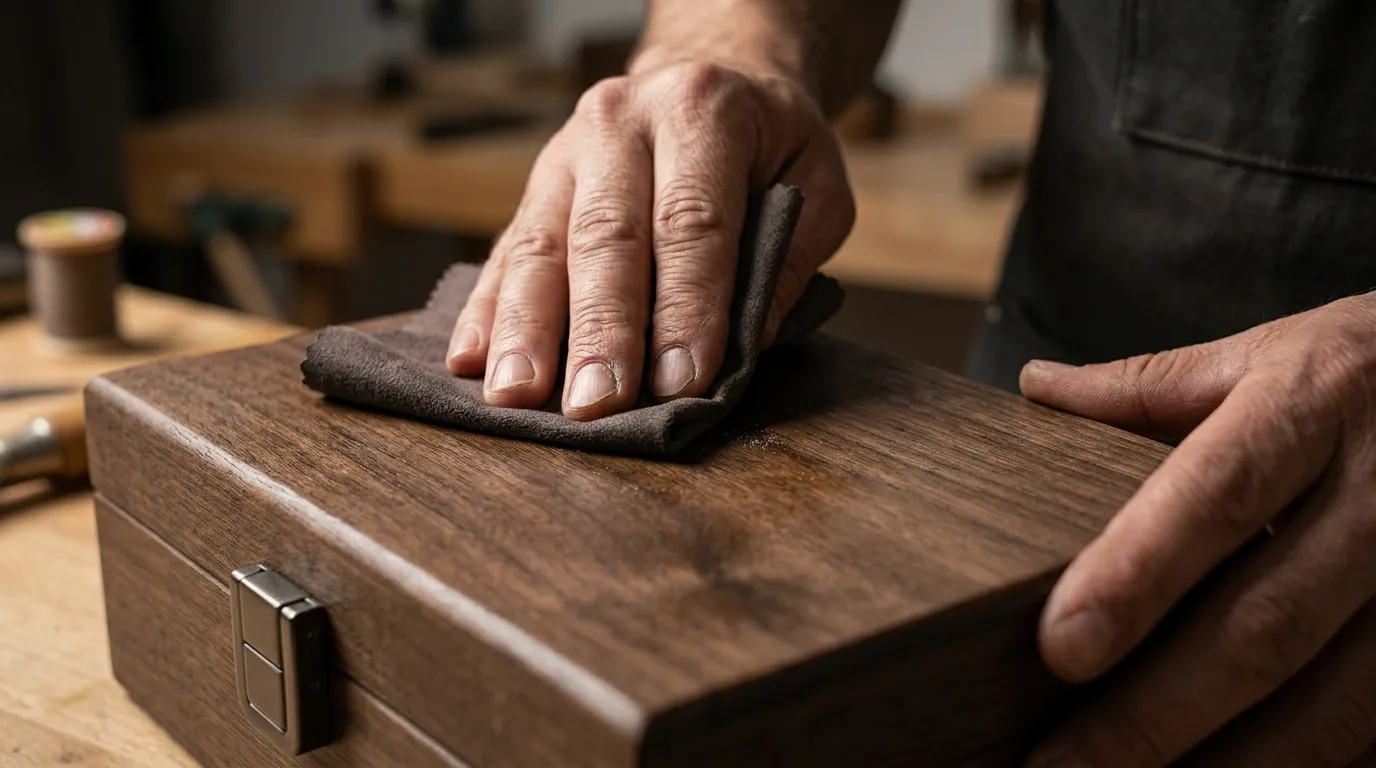
III. From Sample to Mass Production: How Certification Runs Through the Entire Production Chain
Many think certification is just “getting a certificate,” but it’s more like an invisible quality control line running through the entire process. In this collaboration, we broke down certification management into four stages:
1. Raw Material Stage
All wood purchases come from FSC-certified forests, with suppliers providing traceability documents to ensure sustainability standards are met from the source.
2. Craftsmanship Stage
The piano lacquer process involves 12-13 spray coats and 4-5 rounds of sanding. The formaldehyde emissions from the paints used comply with the EU E1 environmental standard, preventing the entire shipment from being rejected due to non-compliant coating materials.
3. Hardware and Electronic Components Stage
The watch winder’s built-in Japanese silent motors (noise <10dB, TPD adjustable within 300-2200 RPM range) and circuit boards have each passed RoHS testing individually. All external metal parts have undergone salt spray testing to ensure humidity resistance and rust prevention – a crucial factor for clients exporting to humid climates (like coastal areas in Southeast Asia and the Middle East).
4. Finished Product Full Inspection Stage
At the finished product stage, we insist on 100% full inspection rather than random sampling, strictly controlling the defect rate within 2%. This ensures that every box shipped overseas clears customs inspections smoothly at the client’s location, without a few defective items hindering the clearance efficiency of the entire batch.
The advantage of this system is that the client doesn’t have to shuttle between different certification bodies and testing stages. All certification-related work is addressed “in a package” on the production side. As we often say – “Certification isn’t an extra service; it’s part of our standard production criteria.”
IV. What This Partnership Brought the Client
Returning to the German client’s case, this cooperation proceeded smoothly within expectations:
Certification timeline significantly compressed: The client estimated the certification process would take at least 6-8 more weeks, but leveraging our existing certification system and documentation package, we compressed it to under 2 weeks.
One-time customs clearance, zero delays: The first shipment passed German customs inspection without any detention or additional testing fees due to certification issues.
Differentiated design implemented: The combination of eco-suede lining and matte piano lacquer finish became a key “selling point story” for the client at local dealer exhibitions, helping him establish a clearer brand identity among similar products.
Established long-term partnership: After the first order, the client has already planned to include jewelry boxes in the next phase of cooperation and enjoy re-order benefits.
V. Suggestions for Those Preparing to Export Wooden Box Packaging
If you are also considering exporting custom wooden box packaging products (watch boxes, watch winders, jewelry boxes, cigar boxes, perfume boxes, etc.) to Europe, America, the Middle East, or other markets with strict environmental compliance requirements, here are some practical tips based on our 19 years of front-line experience:
- Confirm the certification requirements of your target market in advance: Different countries and different product categories (especially those containing electronic components) may require different certifications. The sooner you identify these, the more rework you can avoid later.
- Choose suppliers with a proven, stable certification record: Don’t just look at sample quality. Many clients have fallen into the trap of samples passing but mass production failing certification standards.
- Turn environmental certification into part of your brand narrative, not just a compliance document: Design details like FSC eco-suede lining can often be a reason why end consumers are willing to pay a premium for your product.
- Allow reasonable lead times for certification and production: Especially for first-time collaborations or new product introductions, it’s advisable to allocate sufficient time for sample evaluation and certification coordination, rather than starting the process right before the dealer stocking deadline.
Conclusion
Environmental certification has never been an “extra hurdle”; it is a “passport” for wooden box packaging to truly enter high-end retail channels in Europe and America. For T.WING-PAK, what 19 years of deep cultivation in the luxury packaging industry has accumulated is not just hard strengths like piano lacquer craftsmanship and Japanese silent motors, but also a comprehensive service capability that transforms the certification process from a “pain point” into a “competitive advantage” for our clients.
If you are struggling with similar certification issues, please feel free to contact our team. We can provide a free feasibility assessment based on your product category and target market before deciding on the next steps for design and production.