Introduction
When we talk about high-end product packaging, wooden boxes aren’t just there to protect the stuff inside — they also say a lot about your brand and what it’s worth. Think about a nice cigar box, a classy wine box, or even a keepsake gift box. The kind of wood you choose? That decides everything: how much it costs, how it looks, how well it holds up, and how green it is too.
However, faced with materials such as solid wood, MDF, and HDF, companies often struggle to make decisions. This article provides an in-depth analysis of commonly used wood types for wooden box packaging, combined with real-world cases and key data, to offer a scientific and practical material selection guide – helping you find the optimal balance between quality and cost.
1. Solid Wood: The Classic Choice, A Symbol of Quality
1.1 Types and Characteristics of Solid Wood
Solid wood is the most traditional packaging material, preferred in the high-end market for its natural grain and exceptional durability.
- Common types:
- Pine: Lightweight, economical, suitable for mass production.
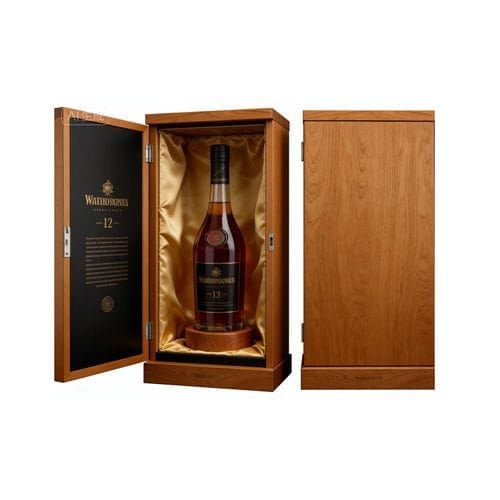
- Oak: Hard, attractive grain, often used in mid-to-high-end wine boxes.
- Walnut: Dark, high-end, a signature material for premium cigar boxes.
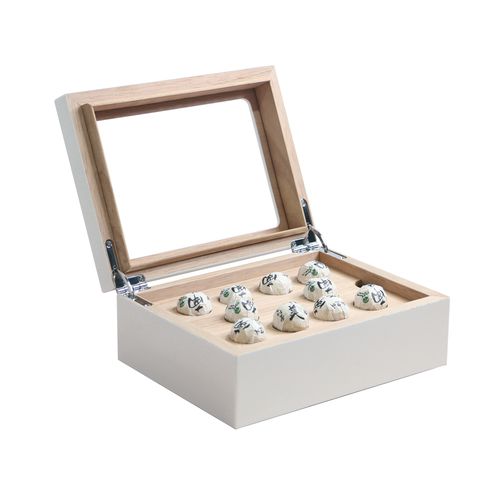
- Cherry: Reddish-brown, elegant, ideal for gift packaging.
- Key characteristics: Naturally eco-friendly (no chemical treatment), repairable, unique texture.
- Note on weakness: Sensitive to humidity – moisture content must be controlled.
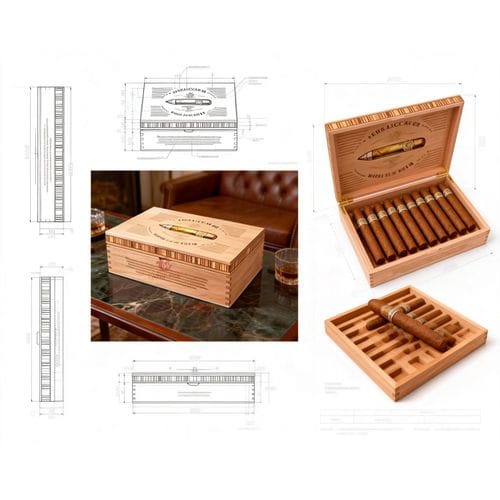
1.2 Real Case: High-End Cigar Brand’s Solid Wood Humidor
Case highlights
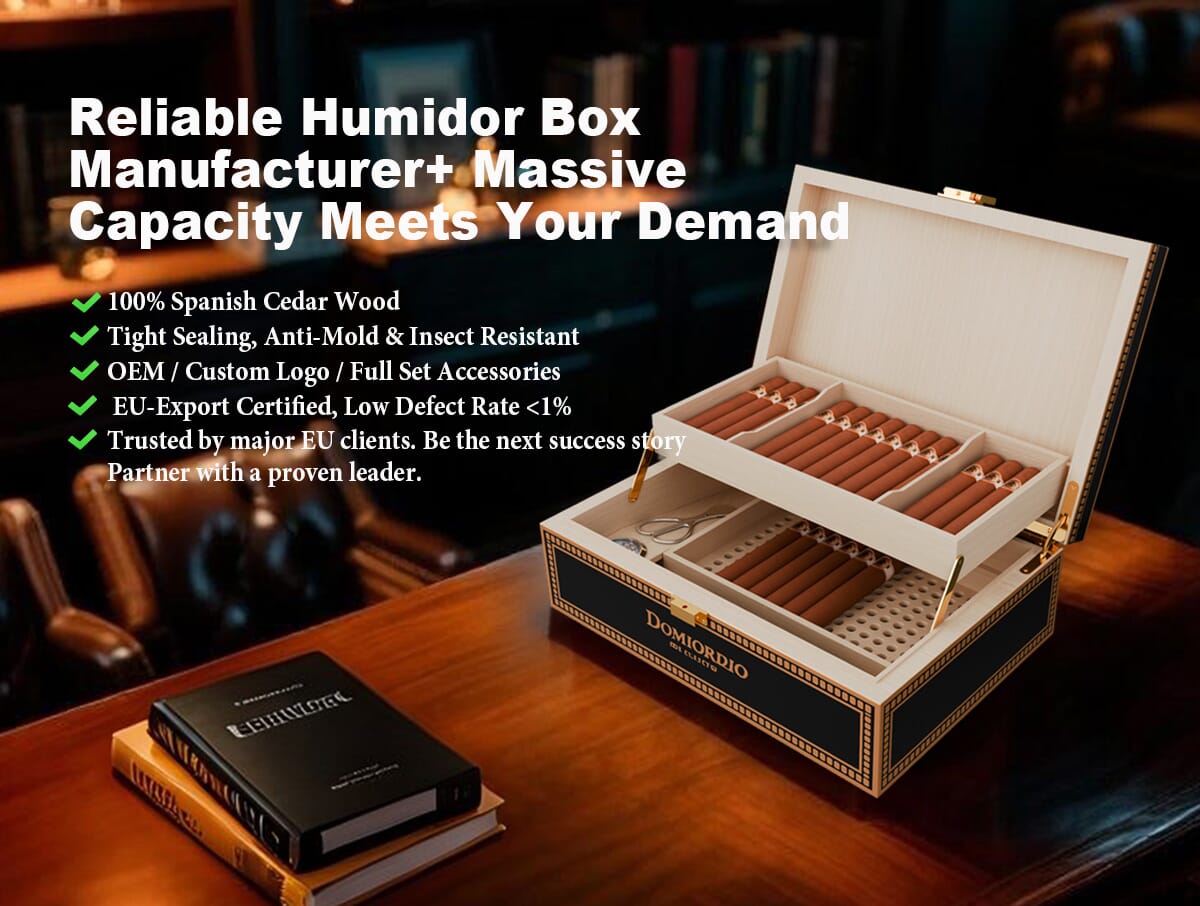
Uses North American black walnut solid wood, retains natural grain, fitted with an internal humidification system.
Business impact: Product price increased by 30%, average price **200–500∗∗;comparableMDFproductonly200–500∗∗;comparableMDFproductonly50–100.
Customer feedback: The solid wood cigar box’s feel and durability far exceed those of engineered boards, becoming the cornerstone of the brand’s premium image.
Conclusion: For products pursuing brand value, solid wood is an irreplaceable choice.
1.3 Pros & Cons and Selection Advice
| Advantages | Disadvantages |
|---|---|
| Strong premium feel | High cost (2–3 times that of engineered boards) |
| Excellent durability | Sensitive to humidity (requires moisture content 8–12%) |
| Customizable natural grain | Heavy, increasing shipping costs |
| Eco-friendly, repairable |
Selection advice:
- ✅ Suitable for high-end products with sufficient budget and brand focus (premium cigar boxes, prestige wine boxes).
- ✅ Pay attention to moisture-proof treatment.
- ✅ Prioritize FSC-certified sustainable solid wood.
2. MDF and HDF: Economical & Practical, Flexible Processability
2.1 Definition & Characteristics of MDF
MDF (Medium Density Fiberboard)
Made from wood fibers and adhesive, density approx. 600–800 kg/m³.
- Core advantages: Smooth surface, easy to machine – suitable for veneering, painting, or laminating to simulate the look of solid wood.
- Cost: Only 30–50% of solid wood.
- Applications: Mid-range wine boxes, gift boxes, electronic accessory packaging.
- Limitation: Relatively weak moisture resistance – requires proper environment.
2.2 Advantages & Limitations of HDF
HDF (High Density Fiberboard)
Density > 800 kg/m³, significantly stronger and more moisture-resistant than MDF.
- Performance advantages:
- Moisture resistance 30–50% better than MDF
- Load-bearing capacity approx. 40% higher
- Smooth surface suitable for precision engraving
- Limitations:
- Heavy (increases logistics costs)
- Faster tool wear during machining
- Eco-friendliness depends on adhesive (pay attention to formaldehyde emission class)
- Cost: Approx. 20% more than MDF, still far lower than solid wood.
2.3 Real Case: A Wine Brand’s MDF Box
Case highlights
Uses MDF for wine boxes, covered with wood-grain foil, with foam inserts for protection.
Cost advantage: Unit cost only **3–5∗∗vs.3–5∗∗vs.8–12 for solid wood – a 60% reduction.
Result: Achieved a solid-wood-like appearance, annual sales increased by 15%.
Takeaway: For mid-range products with tight budgets, MDF can meet both appearance and protection needs while keeping costs under control.
2.4 Environmental Standards & Selection Advice
- Environmental standards: Prioritize E1 or E0 grade boards (formaldehyde emission ≤0.124 mg/m³); look for CARB or FSC certifications.
- Selection advice:
- MDF: Suitable for large-volume, budget-sensitive mid-range products (gift boxes, standard wine boxes).
- HDF: Suitable for packaging requiring higher strength or moisture resistance (e.g., wine boxes for sea freight).
- ⚠️ Note: Although HDF is more moisture-resistant than MDF, long-term contact with liquids still requires solid wood or metal lining.
3. Other Common Woods & Innovative Materials
3.1 Plywood & Particleboard
- Plywood: Made by gluing multiple thin wood layers. High strength, resistant to warping – suitable for large packaging (instrument cases, heavy wine boxes). Cost lies between MDF and solid wood, with better moisture resistance than MDF. Recommended for export products.
- Particleboard: Lowest cost, but poor load-bearing and moisture resistance – only suitable for single-use or very low-end products.
3.2 Eco-Friendly Recycled Wood Materials
Industry trend: Using waste wood, bamboo, and other renewable resources combined with bio‑based adhesives to significantly reduce carbon footprint.
- Example: An eco‑brand uses recycled bamboo fiberboard for wine boxes, achieving compressive strength of 12 MPa at a cost comparable to traditional MDF.
- Significance: Provides a new option for companies committed to sustainability.
4. How to Choose Wood Based on Your Needs: A Practical Guide
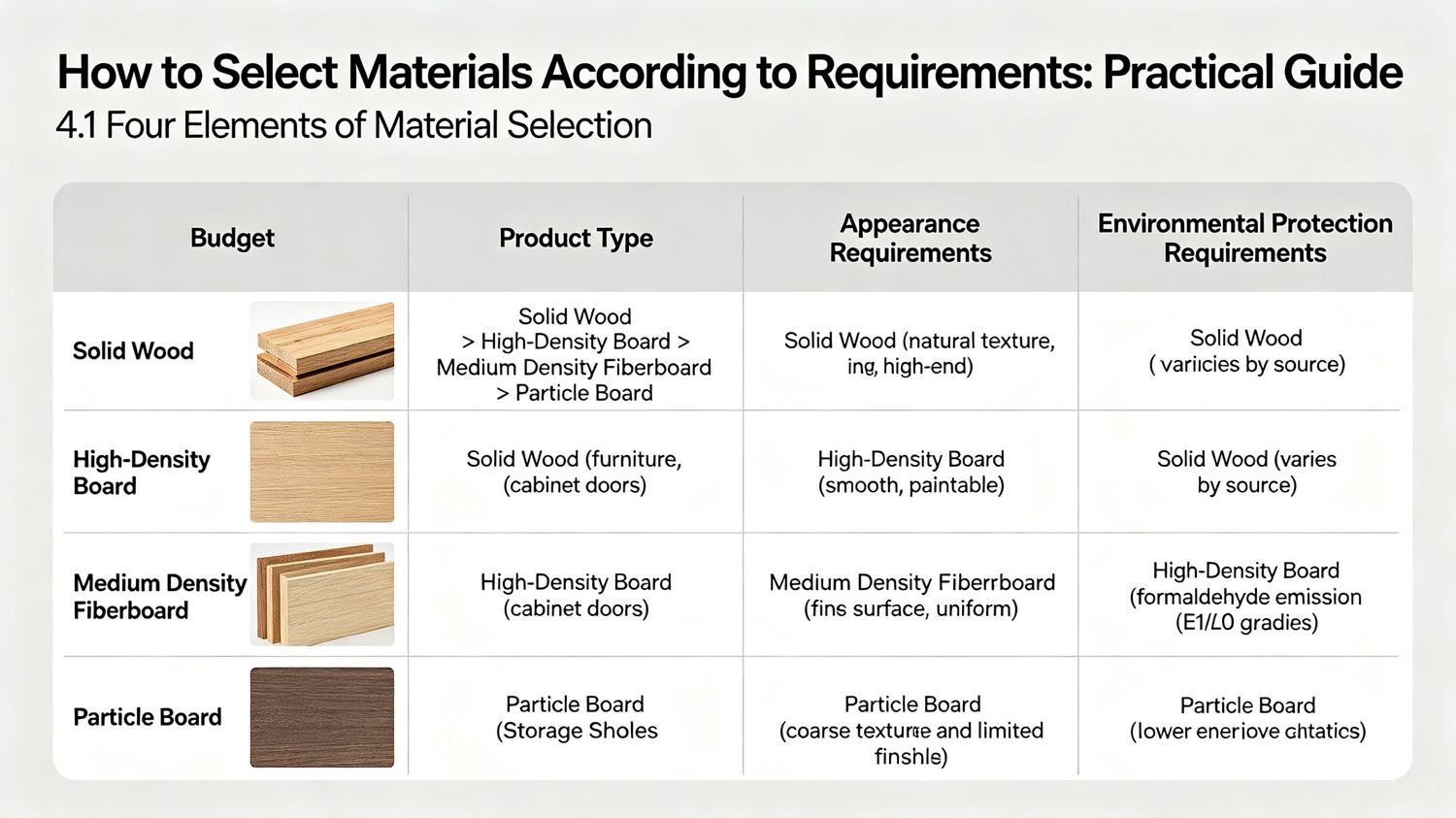
4.1 The Four Selection Factors
| Factor | Solid Wood | HDF | MDF | Particleboard |
|---|---|---|---|---|
| Budget | High | Medium‑High | Medium‑Low | Low |
| Product type | Cigars, premium wine | Mid‑high wine, export packaging | Mid‑range wine, gift boxes | One‑time, low‑end packaging |
| Appearance | Natural grain | Precision engraving, uniform surface | Veneer simulation | Not important |
| Environmental requirement | FSC certified | E1 or better | E1 or better | Not recommended |
4.2 Implementation Advice
- Small batch customization: Choose solid wood – cooperate with local woodworking shops; unit cost can be reduced by 15–20%.
- Mass production: Choose HDF or MDF – work with professional packaging manufacturers; use molding processes to save 20–30%.
- Export products: Need moisture and mold protection – prioritize HDF or treated plywood and add a moisture‑proof coating.
Conclusion
The wood selection for wooden box packaging must take into account cost, quality, environmental impact, and product positioning.
| Material | Positioning | Typical applications |
|---|---|---|
| Solid wood | First choice for high‑end market | Cigar boxes, premium wine boxes |
| MDF / HDF | Balances economy with process flexibility | Mid‑range products |
Key Recommendations
- Clarify product goals and test samples first.
- Pay attention to environmental certifications (E1, FSC, etc.) to enhance brand image.
- Use case data to make rational decisions.
Call to action: Start from your own needs – test with a small batch first, then scale up.