How to Source Watch Winders from China: The Complete OEM/ODM Buyer's Guide
Everything brand owners, distributors, and retailers need to know before placing their first (or next) watch winder order with a Chinese manufacturer — from factory vetting and motor selection to lacquer quality benchmarks and certification requirements.
Why China Dominates Watch Winder Manufacturing
China produces an estimated 85% of the world's watch winders. The concentration of specialized woodworking factories, motor suppliers, and lacquer finishing lines in the Pearl River Delta region — particularly Guangzhou, Dongguan, and Shenzhen — creates an ecosystem that no other manufacturing hub can replicate at the same cost-to-quality ratio.
For B2B buyers sourcing from outside China, this concentration is both an advantage and a challenge. The advantage is clear: access to the world's deepest supply chain for precision wood packaging. The challenge is distinguishing between the hundreds of factories that appear on sourcing platforms — many of which are trading companies without actual production facilities.
The 6 Critical Evaluation Criteria for Watch Winder Factories
1. In-House Lacquer Finishing Capability
The lacquer finish is the most visible quality indicator on any watch winder. It is also the process most commonly outsourced by smaller factories, which introduces quality inconsistency and adds lead time. A manufacturer with in-house lacquer lines controls the entire finishing process — from wood preparation through final polishing — and can adjust parameters in real time during production.
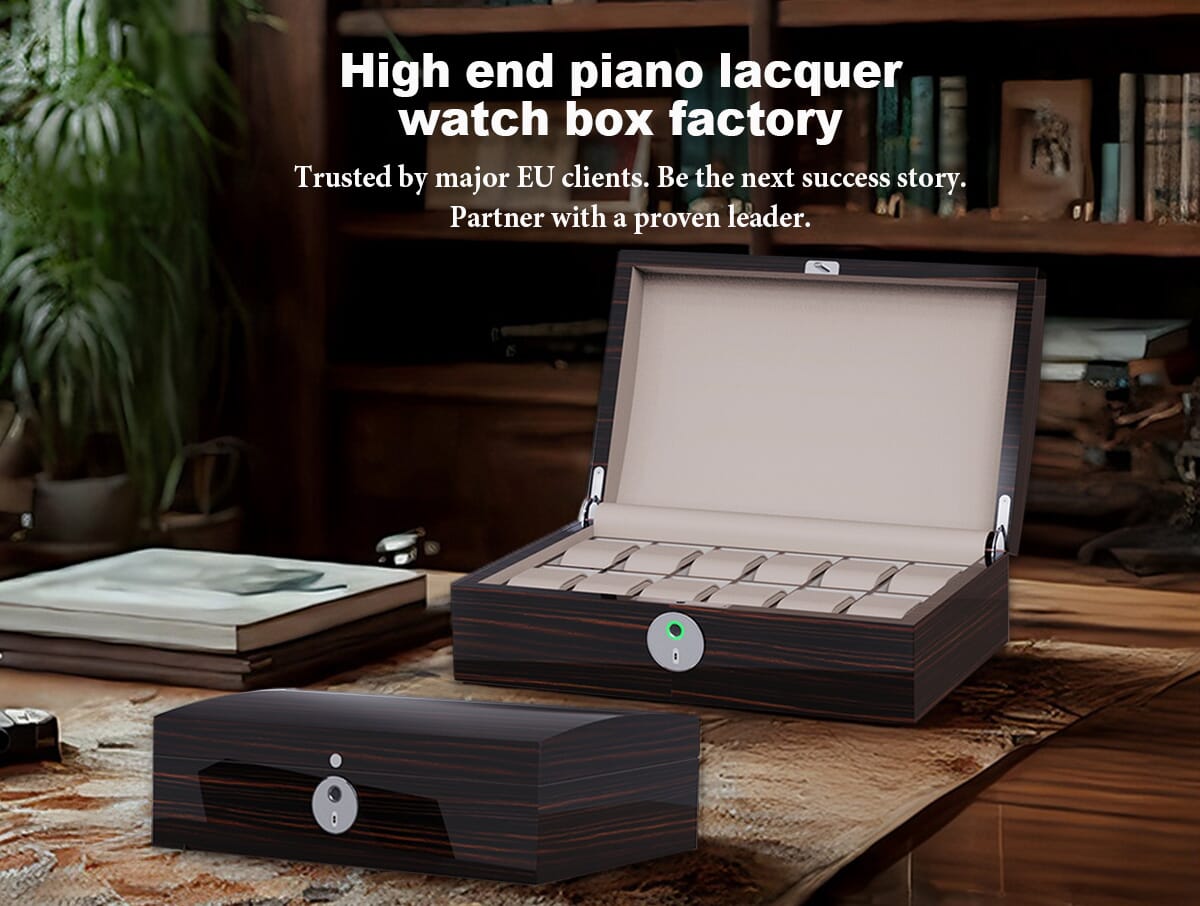
The industry benchmark for a premium piano lacquer finish is 12 to 13 coats, including 2 to 3 primer coats, 4 to 5 color coats, and 5 to 6 clear topcoats, with wet-sanding between each layer. This multi-coat process produces a surface depth and mirror-like reflection that maintains its appearance for 2 to 3 years under normal use. Budget factories typically apply 4 to 6 coats total, resulting in a thinner finish that shows wear within 6 to 12 months.
.png "How to Source Watch Winders from China: The Complete OEM/ODM Buyer's Guide 1") | -e1786670857122.png "How to Source Watch Winders from China: The Complete OEM/ODM Buyer's Guide 2") |  |
2. Motor Quality and Noise Level
The motor is the functional core of every watch winder. Japanese Mabuchi motors remain the gold standard in the industry, operating at under 10 decibels with adjustable TPD (turns per day) settings ranging from 300 to 2,200. These motors are rated for over 50,000 hours of continuous use, translating to roughly 5 to 6 years of uninterrupted operation.
When evaluating a factory's motor offering, request the specific motor model number and origin documentation. Some manufacturers advertise "Japanese motors" while actually using Chinese-made replicas that produce 20 to 30 decibels of noise — enough to be audible across a quiet room — and have failure rates 3 to 5 times higher within the first year of use.
3. International Certifications
Watch winders contain electric motors and, in many models, LED lighting and power adapters. These components trigger mandatory safety and environmental compliance requirements in virtually every developed market.
| Certification | Required For | What It Covers |
|---|---|---|
| UL | United States, Canada | Electrical safety testing for motor, adapter, and wiring |
| CE | European Union | Electromagnetic compatibility and low-voltage safety |
| RoHS | EU, increasingly global | Restriction of hazardous substances in electronics |
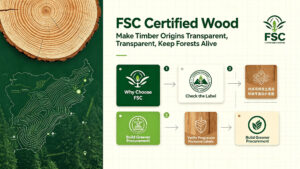
| FSC | Global (voluntary but valued) | Responsibly sourced wood materials |
A manufacturer that holds all four certifications — UL, CE, RoHS, and FSC — has already invested in the testing infrastructure and supply chain documentation required for seamless entry into North American, European, and Middle Eastern markets. This eliminates customs delays and reduces compliance risk for the buyer.
4. Minimum Order Quantities (MOQ) and Flexibility
MOQ is often the first filter in any sourcing conversation. Most mid-size Chinese watch winder factories set their MOQ at 200 to 500 units per SKU. Larger factories producing for mass-market retailers may require 1,000 units or more. At the other end, a small number of premium manufacturers offer MOQs as low as 100 units — a critical threshold for new brands testing the market, boutique retailers, or distributors launching a new product line without committing to large inventory positions.
Low MOQ capability is not simply a matter of willingness; it requires a production system designed for flexibility. Factories that can profitably run 100-unit orders typically have modular finishing lines and experienced workers who can switch between product configurations without lengthy retooling.
5. Design and Prototyping Speed
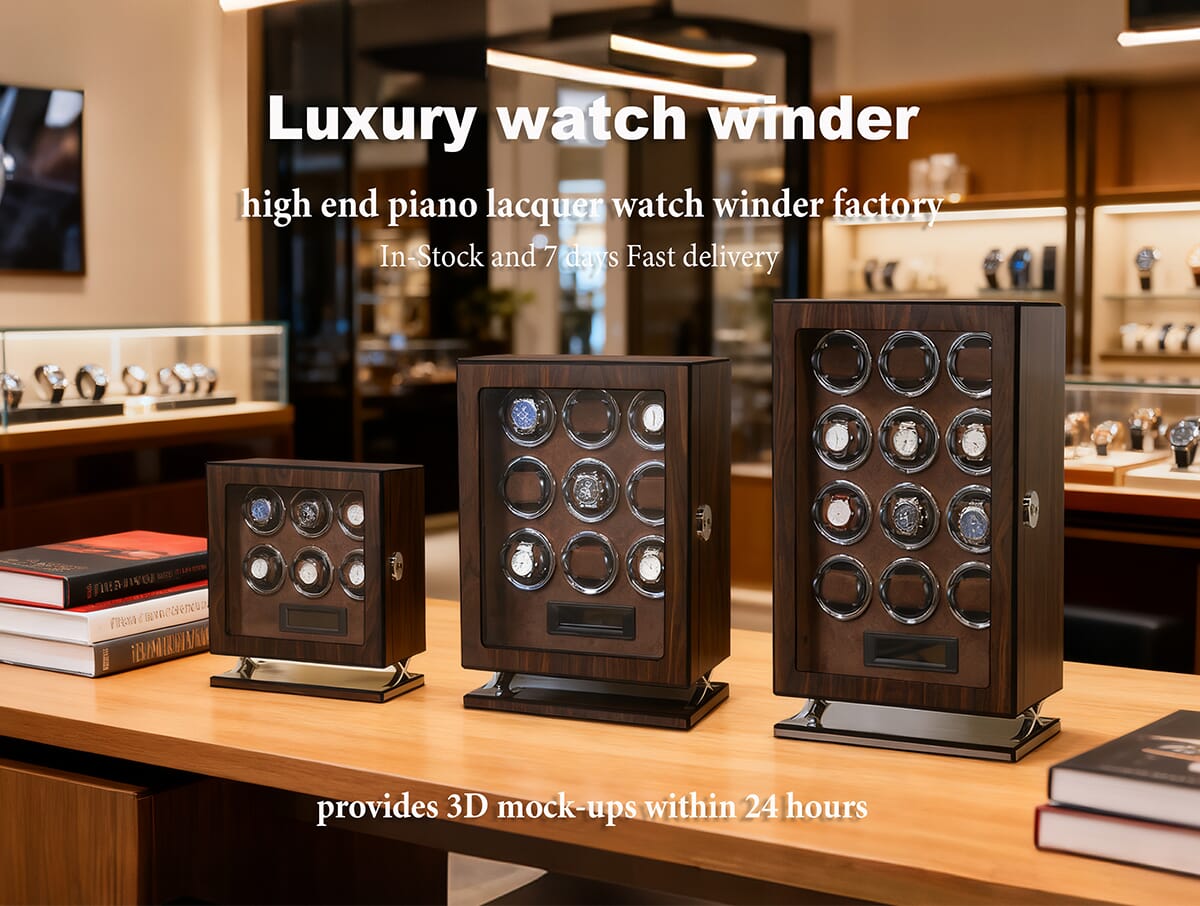
In a competitive market, speed to market matters. The best OEM/ODM watch winder manufacturers offer rapid design iteration as a standard service. A reasonable benchmark is 3D renderings delivered within 24 to 48 hours of receiving a concept brief, with the fastest factories capable of delivering initial renders in as little as 8 hours. Physical prototypes should follow within 7 to 10 business days.
This design speed directly impacts time-to-market. A buyer working with a fast-response factory can move from initial concept to approved production sample in under 3 weeks, compared to 6 to 8 weeks with less responsive suppliers.
6. Quality Control Process
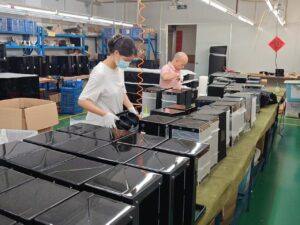
Ask any prospective factory to describe their QC process in detail. The answer reveals more about actual product quality than any catalog specification. Premium manufacturers implement 100% inspection at multiple checkpoints: after wood assembly, after lacquer finishing, after motor installation, and before final packing. A defect rate of 2% or below is considered excellent in the wood packaging industry; rates above 5% indicate systemic process issues.
Factory Vetting Checklist for Watch Winder Buyers
- Verify the factory owns (not rents) its lacquer finishing equipment
- Request motor model numbers and origin certificates
- Confirm UL, CE, RoHS, and FSC certifications with certificate copies
- Ask for the defect rate from the last 3 production runs
- Request 3D rendering turnaround time in writing
- Confirm MOQ and whether it applies per SKU or per order
- Ask for 2 to 3 current client references in your target market
- Visit the factory in person or request a live video tour of the production floor
OEM vs. ODM: Choosing the Right Model
The distinction between OEM and ODM is especially important in the watch winder category because design complexity varies enormously — from simple single-slot travel winders to multi-slot cabinet winders with LED displays, fingerprint locks, and built-in safes.
OEM (Original Equipment Manufacturing) means the buyer provides the complete product design — dimensions, materials, finish specifications, motor requirements, and packaging — and the factory builds to those exact specifications. This model is ideal for brands with established product lines and in-house design teams.
ODM (Original Design Manufacturing) means the factory contributes design capability, offering either modifications to existing models or fully custom designs based on the buyer's concept brief. This model is ideal for buyers who have a market opportunity but need manufacturing and design expertise to execute it. The best ODM partners function as an extension of the buyer's product development team, offering material recommendations, finish options, and engineering solutions that the buyer may not have considered.
Many successful buyer-factory relationships begin as ODM — leveraging the factory's design expertise for the first product — and transition to OEM as the buyer builds internal design capability and market knowledge.
Cost Structure: What Drives Watch Winder Pricing
Understanding the cost structure helps buyers negotiate more effectively and avoid the trap of comparing quotes that are not truly equivalent.
The four largest cost components in a typical premium watch winder are wood material (20–25% of unit cost), lacquer finishing (25–30%), the motor mechanism (15–20%), and labor and overhead (20–25%). Packaging, hardware, and accessories account for the remaining 5–15%.
The lacquer finish is the single largest variable cost. A 12-coat piano lacquer finish costs approximately 3 to 4 times more than a standard 4-coat PU finish. This is why budget and premium watch winders at similar sizes can differ in price by 60% or more — the finish, not the wood or motor, is usually the primary cost driver.
Red Flags When Sourcing Watch Winders
Experienced buyers watch for several warning signs during the evaluation process. A factory that cannot provide specific motor model numbers is likely using generic components. A quoted price significantly below market average for the stated specifications usually means corners are being cut on lacquer coats, motor quality, or wood grade. Reluctance to share certification documents — or providing certificates that name a different company — suggests the factory is a trading company reselling another manufacturer's products. Finally, a factory that quotes identical lead times for matte-finish and piano-lacquer orders does not understand the curing requirements of multi-coat finishing.
Frequently Asked Questions
What is the typical MOQ for custom OEM watch winders from China?
Most established watch winder factories require 200 to 500 units per SKU. Some premium manufacturers with flexible production systems offer MOQs as low as 100 units, which is ideal for new brands, small distributors, and market testing.
What certifications should a watch winder manufacturer have?
For global market access, a manufacturer should hold UL (North America), CE (Europe), RoHS (hazardous substance compliance), and FSC (responsible wood sourcing). These four certifications together cover the regulatory requirements of virtually every major import market.
How many coats of lacquer define a premium piano finish?
A true premium piano lacquer finish requires 12 to 13 coats — including primer, color, and clear topcoats with sanding between each layer. This produces a mirror-like surface that maintains its gloss for 2 to 3 years. Budget finishes with 4 to 6 coats degrade visibly within 6 to 12 months.
What type of motor is best for a high-quality watch winder?
Japanese Mabuchi motors are the industry standard. They operate at less than 10 dB, offer adjustable TPD from 300 to 2,200, and last over 50,000 hours. Lower-cost alternatives typically produce 20 to 30 dB of noise and have significantly shorter lifespans.
How long does custom watch winder development take?
From confirmed design to first shipment, expect 45 to 60 days. This includes 3D rendering (as fast as 8 hours), physical prototype (7–10 days), and production (25–35 days). Piano lacquer finishes add 5 to 7 days due to multi-coat curing requirements.
Ready to Source Your Next Watch Winder?
Get a custom quote with 3D rendering in as little as 8 hours. MOQ from 100 units.
Request a Quote →