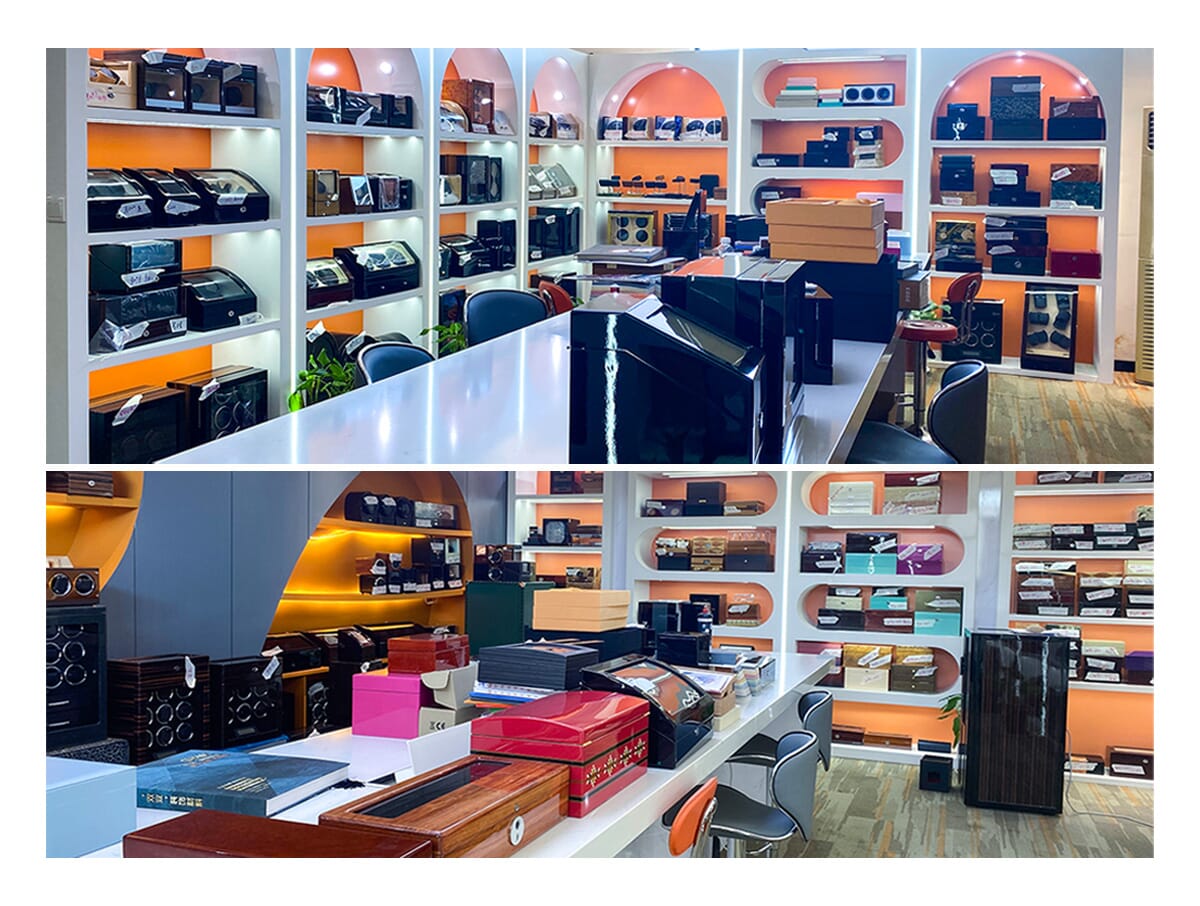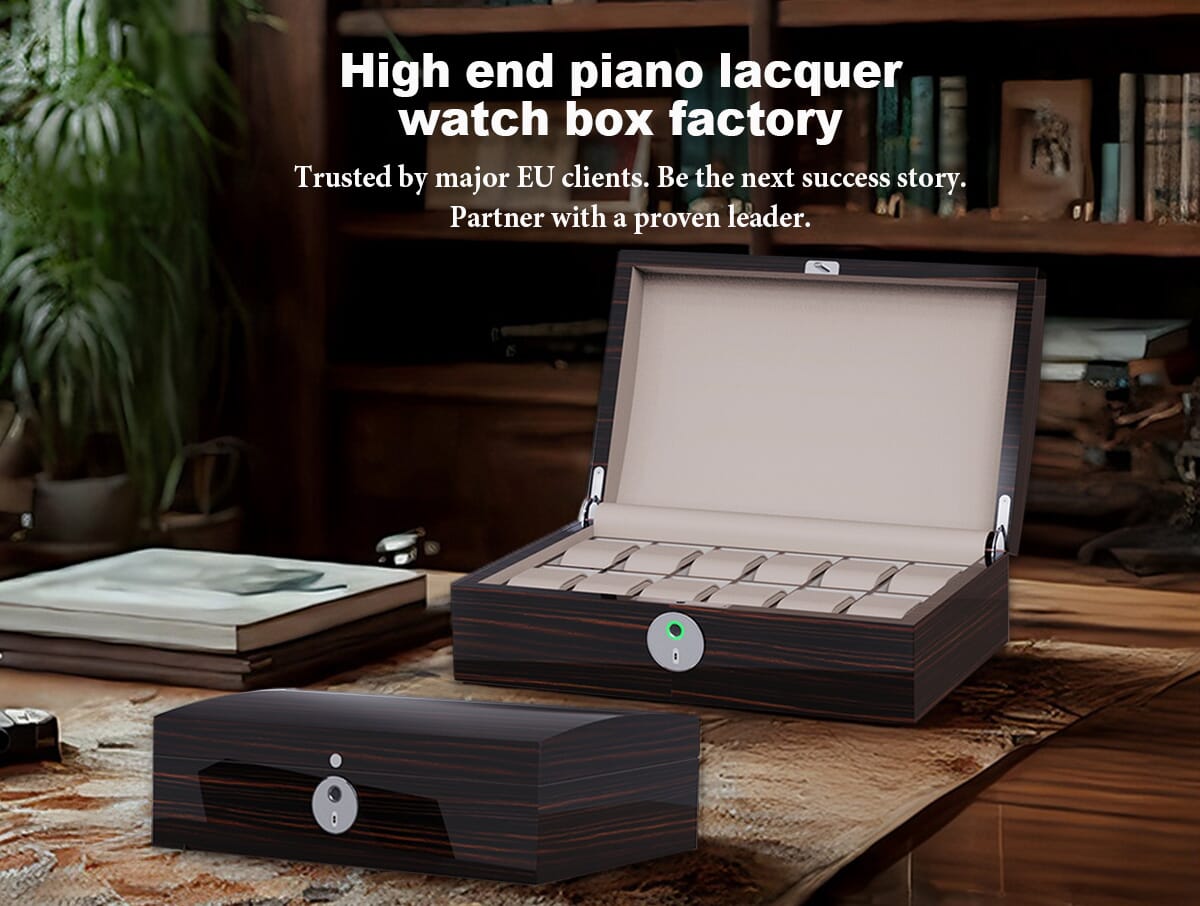
First-time OEM orders rarely fail because the factory was dishonest. They fail because the buyer made a handful of decisions under time pressure — decisions that seemed reasonable in the moment and only look like mistakes once the container arrives. We’ve watched hundreds of first orders go through our own line, and the mistakes cluster around the same five points, almost every time.
 |  |
The category is forgiving less than it used to be, too — as more brands enter watch accessories sourcing and the automatic watch winder market keeps expanding toward a projected USD 2.85 billion by 2034, competition for shelf space and customer trust has gotten tighter, which means a launch that goes wrong on quality is more expensive to recover from than it was a few years ago. (Source: Intel Market Research)
1Negotiating Price Before Locking Specs
It’s tempting to get a number first and work out details later — but price negotiated against a vague spec gets renegotiated anyway once the real specification lands, usually in the factory’s favor. Lock the motor spec, coat count, materials, and MOQ tier first. Negotiate price against that fixed spec, not the other way around.
2Skipping the Physical Sample
Photos are not a sample. A photo can’t tell you the motor noise level, the actual weight and feel of the hardware, or whether the lacquer finish photographs well but feels thin in hand. Approving a design based on renders alone, to save the sample lead time (commonly a few days to two weeks), is the single most common way first orders go wrong at scale.
3Not Asking How Inspection Actually Works
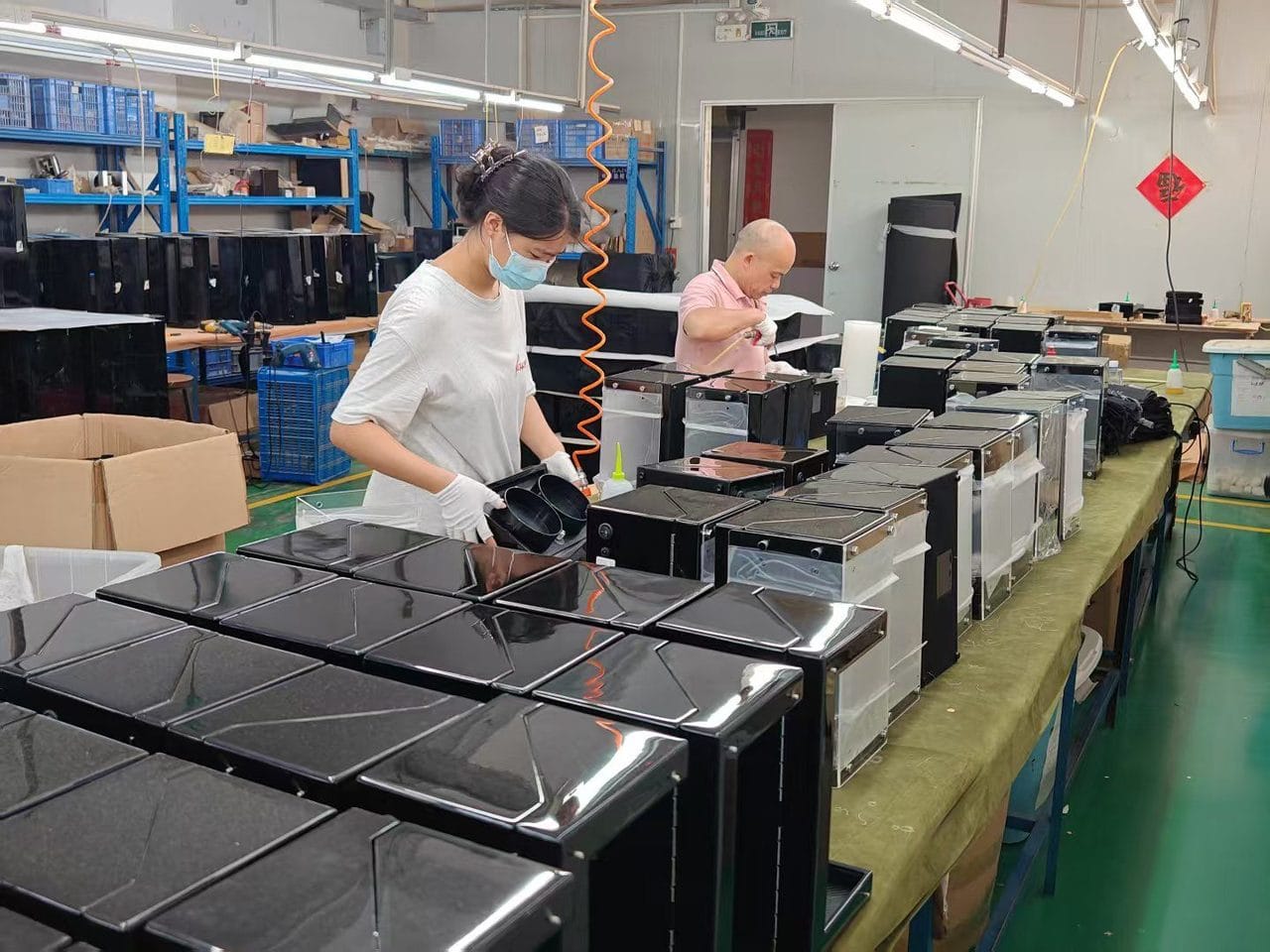
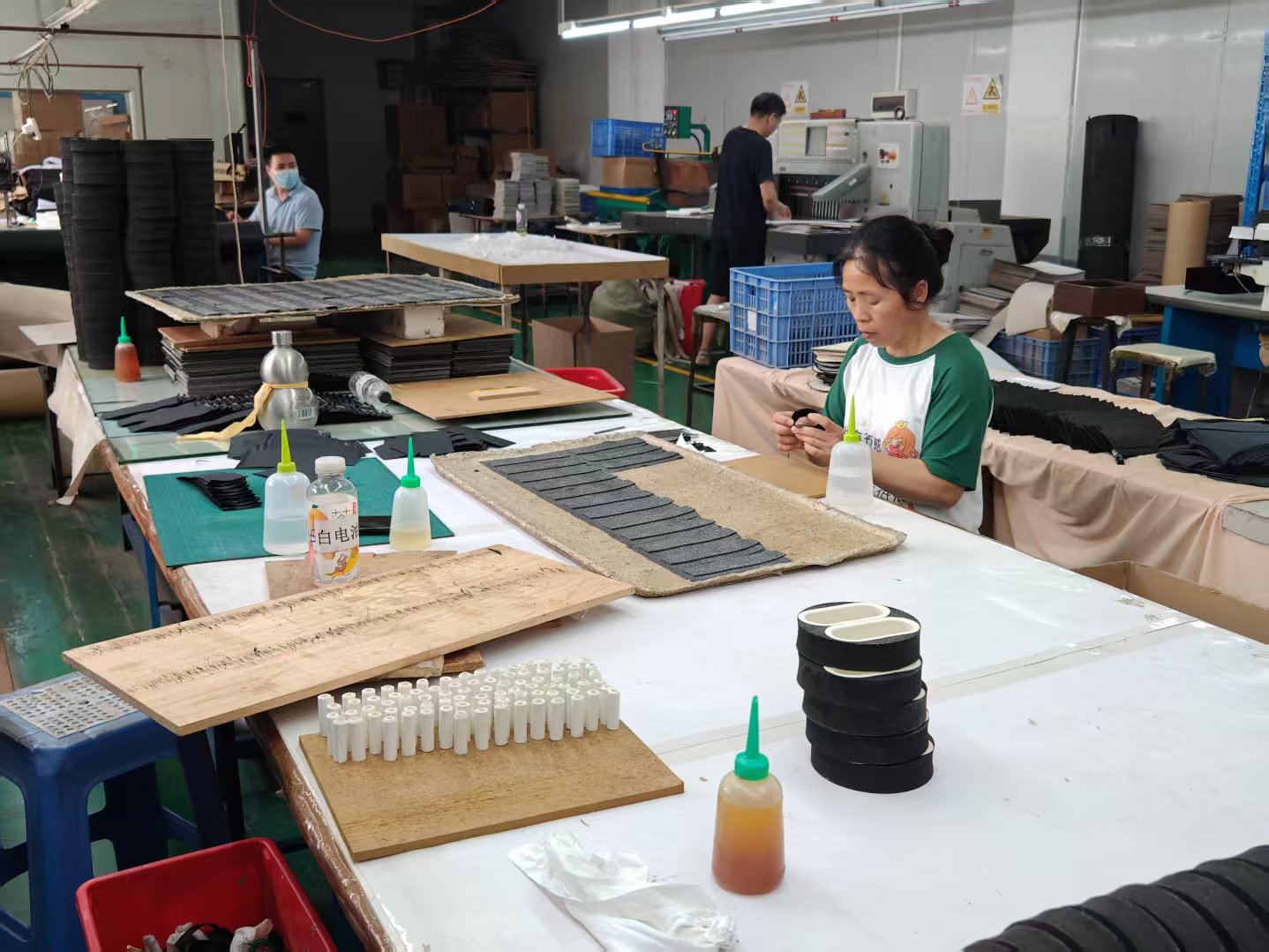
“We check quality” is not an answer. Buyers who don’t ask about inspection coverage — 100% unit inspection versus sample-based spot checks — often don’t find out the difference until a batch of returns starts arriving from their own customers months later. A motor aging test before shipment (commonly run over 48 hours) is one of the clearest signals that a factory is actually catching problems before they ship, not after.
4Ordering the Minimum Without a Real Sell-Through Plan
MOQ flexibility (commonly from around 100 units for a customized design) is genuinely useful — but ordering the bare minimum with no plan for how those units actually sell just delays the real test of the product to a slightly smaller, still expensive, scale. The minimum order quantity should match a real test plan — a specific channel, a specific timeframe — not just the lowest number a factory will accept.
5Treating Certification as Optional Paperwork
UL, CE, RoHS, and FSC documentation isn’t a nice-to-have if you’re importing into North America or Europe — it’s what determines whether your shipment clears customs on schedule or sits in a holding pattern while paperwork gets sorted out after the fact. Buyers who treat this as something to confirm “later” often find out how not-optional it is at the worst possible moment: when a container is already at port.
| Mistake | What it costs you |
|---|---|
| Price before specs | Renegotiated terms once real spec lands |
| Skipping the physical sample | Quality issues discovered at full production scale |
| Not asking about inspection coverage | Defects reach your customers instead of QC |
| MOQ with no sell-through plan | A smaller, still costly, failed test |
| Certification as an afterthought | Customs delays or shipment holds |
None of these mistakes are about the factory being bad-faith — most of them are about buyers not yet knowing which questions matter most on a first order. You can avoid most of this simply by working from a written checklist before you send a deposit; our manufacturing capabilities page lays out exactly what a properly run process looks like at each stage, and our watch winder product range shows the configurations available as a starting point.
About to Place Your First Order?
Tell us where you are in the process — spec sheet drafted, sample requested, or still comparing quotes — and we’ll flag anything on this list you might be missing before you commit. We’d rather catch it now than have you find out the hard way.