Selecting the right watch winder manufacturer is the single highest-leverage decision a watch brand, distributor, or retailer makes in the product development cycle. The wrong factory delivers winders with noisy motors, cracking lacquer, and certification gaps that block market entry. The right factory delivers a finished product that strengthens your brand equity and passes every regulatory checkpoint without rework.
This guide gives B2B buyers a structured evaluation framework built from nearly two decades of OEM/ODM production experience at T.WING-PAK — covering the seven criteria that most reliably predict whether a manufacturer will deliver premium results or costly surprises.
Why Manufacturer Selection Matters More Than Price
A watch winder is not a passive storage box. It is an electromechanical device with a motor, control circuitry, and a precision-finished cabinet — all of which must work together reliably for years. When buyers evaluate manufacturers primarily on unit price, they systematically underweight the cost drivers that dominate total cost of ownership: warranty claims from failed motors, rejected shipments from finish defects, and lost market opportunities from missing certifications.
The global automatic watch winder market is projected to reach approximately $1.2 billion by 2033, driven by growing demand for luxury automatic watches and collector-grade accessories. As the market grows more competitive, the quality gap between premium and budget manufacturers becomes the primary differentiator for downstream brands.
Key Takeaway: Total cost of ownership — including warranty costs, rework rates, and certification compliance — is a more reliable predictor of profitability than unit price alone. A 15% higher unit cost from a premium manufacturer frequently delivers 30–40% lower total program cost.
Criterion 1: Motor Quality and Noise Specifications
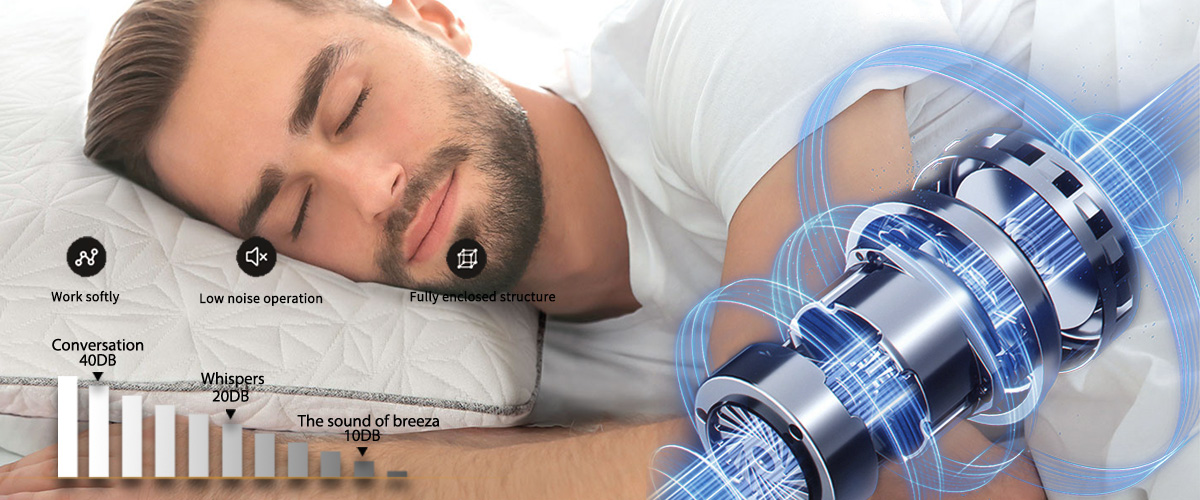
The motor is the heart of a watch winder. It determines operating noise, rotation precision, power consumption, and service life. This is the single component where cutting costs produces the most visible (and audible) quality drop.
What to Specify and Verify
Motor brand and origin: Japanese Mabuchi motors are the industry benchmark for silent, reliable operation in luxury watch winders. Swiss-made motors offer comparable quality at a higher price point. Generic Chinese motors cost less but frequently produce noise complaints and higher failure rates within the first 12 months.
Operating noise: Premium watch winders operate below 10dB — effectively inaudible in a bedroom or office environment. Request a running sample and measure noise at 30cm distance using a calibrated decibel meter. Any reading above 15dB at this distance indicates a motor quality or mounting issue.
TPD range and adjustability: Turns Per Day (TPD) must be adjustable to match different watch calibers. Premium manufacturers offer a 300–2,200 TPD range with programmable rotation modes (clockwise, counter-clockwise, and bidirectional). This range covers virtually all modern automatic watch movements, from basic three-hand calibers to complex perpetual calendars.
Magnetic shielding: Watch winders house electric motors in close proximity to precision mechanical watches. Without adequate magnetic shielding, the motor's electromagnetic field can magnetize the watch movement, causing accuracy drift of several seconds per day. Verify that the manufacturer integrates a dual-protection shielding system between the motor and the watch platform.
Verification Protocol: Request a 72-hour continuous-run sample. After 72 hours, measure noise, verify TPD count accuracy with a rotation counter, and check the motor housing temperature. A well-designed motor should not exceed 5°C above ambient temperature during sustained operation.
Criterion 2: Surface Finish — The Piano Lacquer Standard
Surface finish is the first thing a buyer's customer sees and touches. For luxury watch winders, the industry benchmark is the multi-layer piano lacquer finish — a process borrowed from concert grand piano manufacturing that produces a deep, mirror-like gloss with exceptional durability.
Not all piano lacquer is equal. The quality difference between a 6-coat and a 12-coat process is immediately visible and tangible. Premium manufacturers apply 12–13 coats of lacquer through a process that includes base sealing, multi-stage priming, intermediate sanding at progressively finer grits, color coating, clear coat application, oven curing, and multi-stage machine and hand polishing.
The result is a surface measuring 90 or more gloss units (GU) at a 60-degree angle that maintains its depth and brilliance for 2–3 years under normal use. Budget manufacturers who apply fewer coats produce surfaces that look acceptable initially but develop micro-cracking, yellowing, or orange-peel texture within 6–12 months.
When evaluating finish quality, request sample pieces and examine them under direct lighting at a shallow angle. Look for consistent reflection without waviness, uniform gloss across flat surfaces and edges, and no visible sanding marks under the clear coat. Ask for a gloss meter reading and, for export-grade products, a 48-hour salt spray test report.
Criterion 3: International Certifications for Market Access
Watch winders are electrical products. Every major export market requires specific safety and compliance certifications before the product can legally be sold. Missing or invalid certifications will block your shipment at customs, delay your launch, and potentially expose you to legal liability.
Certification Requirements by Market
| Target Market | Required Certifications | What It Covers | Risk of Non-Compliance |
|---|---|---|---|
| North America (USA, Canada) | UL (Underwriters Laboratories) | Electrical safety, fire risk, component integrity | Customs seizure, retailer rejection, product liability |
| European Union | CE Marking | Health, safety, and environmental protection standards | Market ban, fines up to 2% of annual turnover |
| EU / Global | RoHS | Restriction of hazardous substances (lead, mercury, cadmium) | Product recall, supply chain disruption |
| Global (sustainability) | FSC (Forest Stewardship Council) | Responsible wood sourcing and chain of custody | Loss of ESG-conscious accounts, brand reputation risk |
When evaluating a manufacturer, request copies of all relevant certificates and verify three details: the certificate is current (not expired), the scope covers the specific product categories you need (watch winders, not just "wooden boxes"), and the certificate holder is the factory itself — not a trading company or unrelated entity.
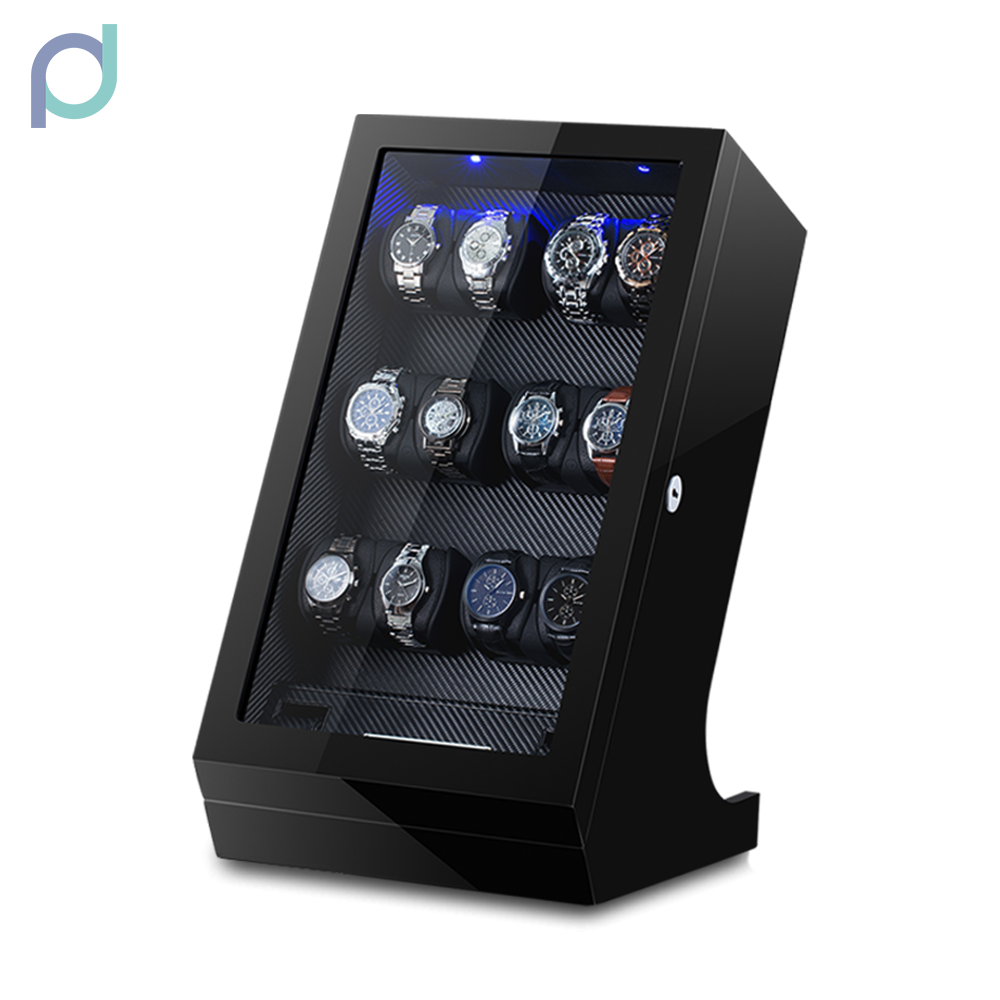 | 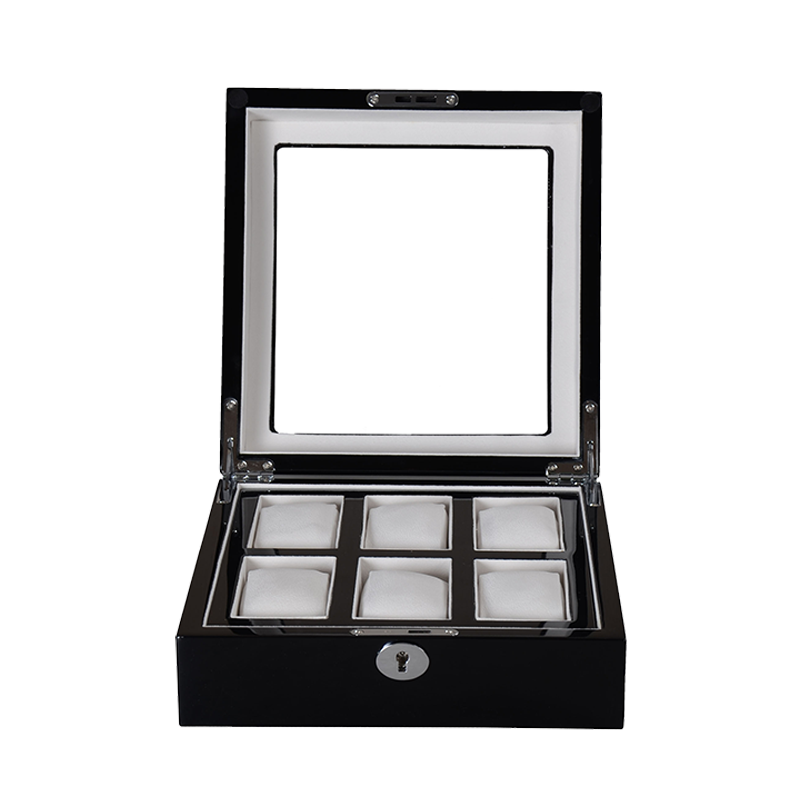 | 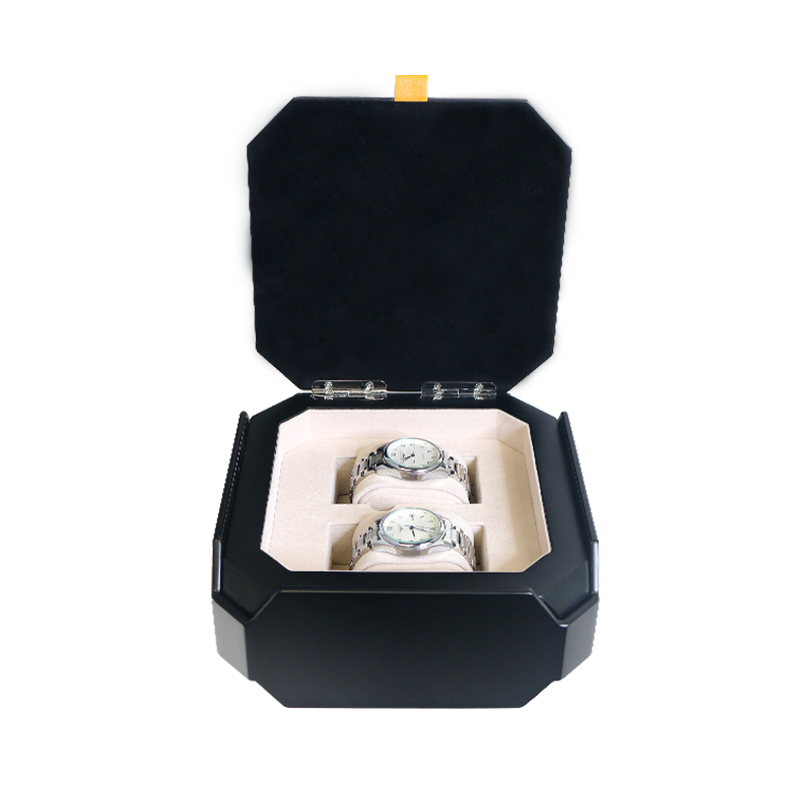 |
Criterion 4: In-House Design and Prototyping Capability
The speed and quality of the design-to-prototype cycle directly impacts your time-to-market. Manufacturers who outsource design work add weeks of communication overhead and typically produce less refined results than factories with integrated design teams.
A strong design capability manifests in three measurable outputs. First, 3D rendering turnaround: an experienced in-house team with senior designers (10+ years experience) can deliver a photorealistic 3D rendering within 8–24 hours of receiving a brief. This rapid iteration cycle allows buyers to evaluate and refine concepts before committing to physical prototypes. Second, physical prototype quality: the factory should produce a prototype within 15–25 days that is functionally identical to the production unit — same motor, same finish, same materials — not a cosmetic mockup. Third, design-for-manufacturing feedback: the best factories don't just execute your design, they improve it. They identify structural vulnerabilities, suggest material optimizations that reduce cost without sacrificing quality, and flag design choices that would complicate production or increase defect rates.
Criterion 5: MOQ Flexibility and Pricing Structure
Minimum Order Quantity (MOQ) is often the first filter in manufacturer selection — and it deserves more nuance than most buyers give it. A manufacturer's MOQ reflects their production system, cost structure, and strategic priorities. Understanding what drives the MOQ helps you negotiate more effectively.
Large-volume factories optimized for commodity production typically require MOQs of 500–1,000 units. This makes sense for their economics but locks out new brands, test-market programs, and specialty distributors who need smaller initial runs to validate demand.
Flexible manufacturers like T.WING-PAK offer MOQs as low as 100 pieces for custom OEM orders, enabling a phased market entry strategy: start with 100–300 units to test market response, then scale to 1,000+ units once demand is validated. This approach significantly reduces market-entry risk for new brands and products.
When evaluating MOQ and pricing, request a tiered pricing schedule showing unit cost at 100, 300, 500, and 1,000+ units. Compare not just unit price but also what's included at each tier: are custom logo branding, specific wood species, custom motor configurations, and branded packaging included or charged as add-ons?
Criterion 6: Quality Control Process and Defect Rate
Quality control in watch winder manufacturing requires inspection at every stage of production — not just a final check before packing. The reason is simple: a finish defect discovered after motor installation means the entire unit must be disassembled, refinished, and reassembled, multiplying the cost of the defect by 3–5x.
A robust QC process includes incoming material inspection (wood moisture content, motor functional test, hardware quality check), in-process inspection (finish quality at each lacquer stage, dimensional accuracy at assembly), and final inspection (100% functional test of motor operation, TPD accuracy, noise measurement, cosmetic inspection under controlled lighting).
The benchmark defect rate for premium watch winder production is ≤2% outgoing quality level (OQL). This means no more than 2 units per 100 shipped should require warranty service within the first year. Ask the manufacturer for their OQL data from the past 12 months, and verify it against customer references if possible.
Red Flag: If a manufacturer cannot provide documented defect rate data or declines to share QC process documentation, treat this as a significant risk indicator regardless of their pricing.
Criterion 7: End-to-End Supply Chain Integration
The most efficient watch winder manufacturers control the entire production chain in-house: from CNC wood machining and surface finishing to motor integration, final assembly, quality inspection, and export logistics. This vertical integration offers three concrete advantages.
Quality continuity: When one team manages every production stage under one roof, quality standards are consistently applied and any issues are caught and corrected immediately — not discovered weeks later when a subcontractor delivers defective components.
Lead time control: Vertically integrated factories can provide reliable lead time commitments because they don't depend on external suppliers' schedules. Typical lead time for a standard OEM order is 30–45 days from sample approval to shipment — compared to 60–90 days for factories that outsource finishing or motor assembly.
Intellectual property protection: When your proprietary design stays within a single factory, the risk of design leakage to competitors is substantially lower than when multiple subcontractors each have access to portions of your product specifications.
Quick-Reference: Premium vs. Budget Manufacturer Comparison
| Evaluation Criterion | Premium Manufacturer | Budget Manufacturer |
|---|---|---|
| Motor | Japanese Mabuchi / Swiss; <10dB; 300–2,200 TPD | Generic motor; 15–25dB; fixed TPD |
| Surface Finish | 12–13 coat piano lacquer; 90+ GU; 2–3 year durability | 4–6 coat spray lacquer; 60–75 GU; 6–12 month durability |
| Certifications | UL + CE + RoHS + FSC (current, in-scope) | CE only or pending certification |
| Design Speed | 3D rendering in 8–24 hours; prototype in 15–25 days | 3D rendering in 5–10 days; prototype in 30–45 days |
| MOQ | 100 pieces (custom OEM) | 500–1,000 pieces |
| Defect Rate | ≤2% OQL with full-process inspection | 5–8% with end-of-line inspection only |
| Supply Chain | Vertically integrated (design → production → logistics) | Multi-vendor assembly with outsourced finishing |
Your Watch Winder Manufacturer Evaluation Checklist
Use this checklist when conducting factory assessments — either virtually or on-site:
- Factory specializes in watch winders (not a general packaging factory)
- Minimum 10 years of dedicated watch winder production experience
- Uses Japanese Mabuchi or Swiss-grade motors with <10dB noise
- TPD adjustable from 300 to 2,200 with multiple rotation modes
- Magnetic shielding integrated between motor and watch platform
- Piano lacquer finish with 12+ coats and 90+ GU measurement
- Current UL, CE, RoHS, and FSC certifications on file
- In-house design team with 3D rendering capability within 24 hours
- MOQ of 300 or fewer for custom OEM orders
- Documented defect rate ≤2% with multi-stage QC process
- Vertically integrated production from wood machining to final packaging
- Willing to provide customer references and sample production reports
Frequently Asked Questions
Ready to Source Premium Custom Watch Winders?
T.WING-PAK has been manufacturing luxury watch winders for global brands, distributors, and retailers since 2007. Get a free 3D rendering of your custom design within 24 hours.
Request a Quote & Free 3D Rendering →