Why Partnering with a Chinese Watch Winder Factory Makes Strategic Sense
For brands that want to create high-end automatic watch winders but don’t want to build their own factory, working with a contract watch winder manufacturer in China is still the most budget-friendly way to get started. According to Import and export trade data statistics from the General Administration of Customs of China, China makes over 78% of the world’s watch accessories.
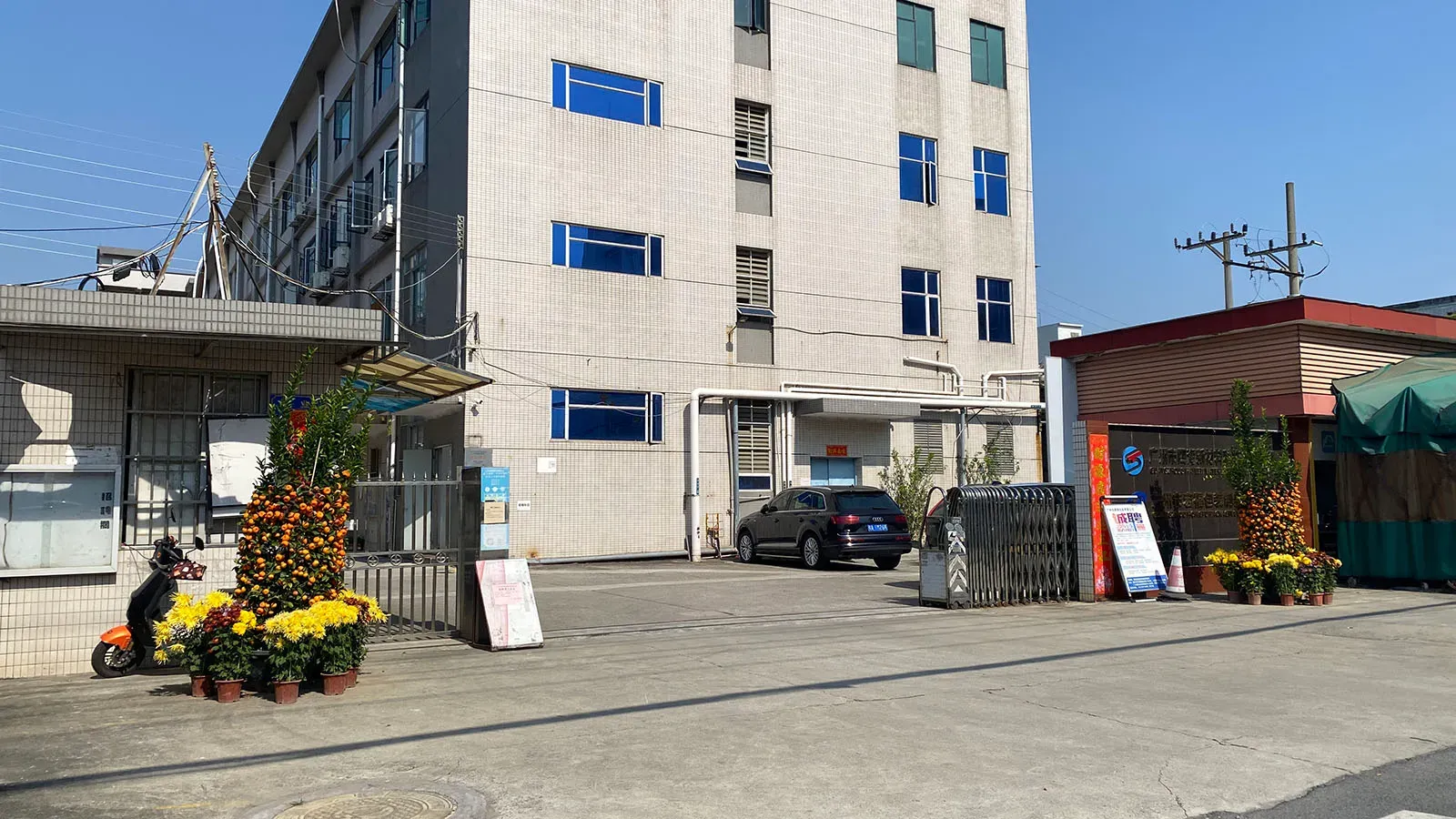
Finding the right partner is not easy. You need someone who:
- Delivers good quality every time
- Respects your designs
- Follows export rules
Many first-time buyers skip this step. Don’t be one of them.
What to Look For
✅ Check their history
Have they worked with big brands before?
✅ Ask for samples
Order a small batch first. Test the quality. Feel the material.
✅ Get IP protection in writing
Sign a clear agreement. Keep your designs safe.
✅ Look for certificates
Do they have CE, FCC, or other papers you need for shipping?
Having spent 15 years advising luxury accessory brands on supply chain decisions across Guangdong, Zhejiang, and Fujian provinces, I’ve seen partnerships thrive and collapse based on how thoroughly the buyer conducted due diligence before signing a single purchase order. This guide distills that experience into an actionable framework.
Author: T.WING-PAK is a supply chain consultant specializing in high-end watch winders, watch boxes, and wooden packaging, with 19 years of frontline experience in the manufacturing area of the Pearl River Delta in China.
Factory Direct vs. Trading Company: Know the Difference Before You Start
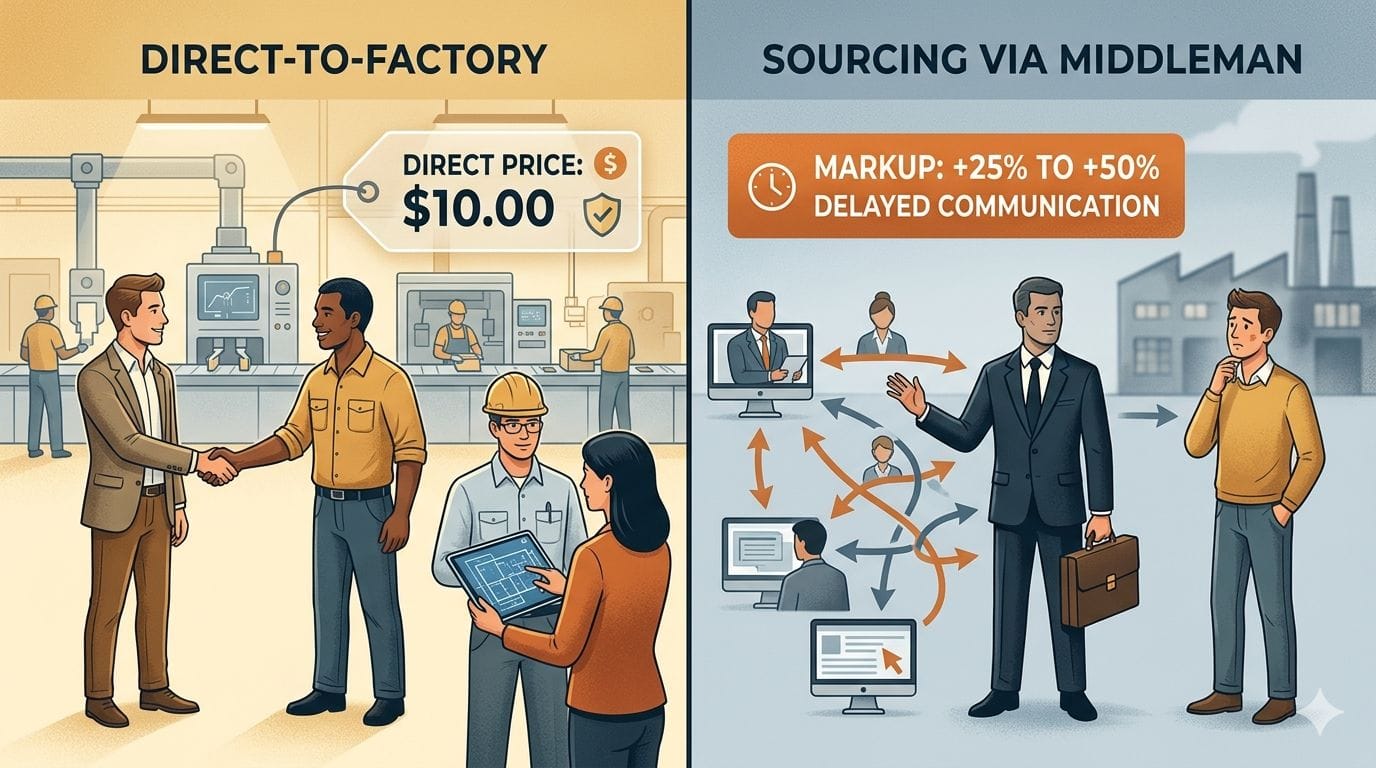
Before you begin your search, it’s critical to distinguish between actual factories and trading companies posing as manufacturers. Trading firms add 15–30% markups without adding production value. They also create communication layers that slow down quality resolution.
| Criteria | Direct Factory | Trading Company |
|---|---|---|
| Price transparency | Full BOM breakdown available | Bundled pricing, limited detail |
| Customization flexibility | High — direct engineering access | Limited — relays requests to factory |
| Lead time control | Shorter, direct scheduling | Longer, dependent on factory queue |
| IP protection | NDA enforceable at source | Additional exposure risk |
| After-sales support | Direct technical team | Middleman delays |
A reliable indicator: ask for a live video tour of the production floor. Genuine manufacturers comply within 24–48 hours. Traders stall or provide pre-recorded footage from unrelated facilities.
Prepare your product details before talking to suppliers to save time and get better results.
Define Your Product Specs First
Talking to suppliers without a clear plan can waste time. It also makes you look new to the business, which some factories might take advantage of. Before you contact a custom watch winder factory in China, create a simple product brief.
Core Technical Features
Use the table below to organize your basic technical requirements:
| Feature | Options |
|---|---|
| Rotation | Clockwise, Counter-clockwise, or Both |
| TPD Settings | Turns Per Day (e.g., 650, 900, 1200) |
| Motor Type | Japanese Mabuchi or Chinese brands |
| Power Source | Plug-in, Battery, or Both |
Materials and Look
Decide on the materials for the outside and inside of the winder:
- Outside Finish: Piano paint, carbon fiber, leather, or wood.
- Inside Lining: Microfiber, suede, or velvet.
Safety and Quality
Make sure the product meets international standards for your market:
- Certifications: CE, FCC, RoHS, or UL.
Why This Matters
Having these details ready shows factories you are a professional buyer. It helps you get accurate price quotes faster and prevents misunderstandings during production.
Changes made to the text:
- Simplified Language: Replaced “specifications” with “details” or “plan,” and “unscrupulous” with “take advantage of.”
- Restructured for Clarity: Used a table for technical specs to make them easier to compare at a glance.
- Shorter Sentences: Broke down long descriptions into direct, actionable points.
- Added Subheadings: Grouped information into “Core Technical Features” and “Materials” to help you find information quickly.
This document becomes your evaluation benchmark. Factories that ask intelligent follow-up questions about your brief demonstrate engineering competence. Those that simply quote a price without clarification are red flags.
Step 2 — Find Candidates Through Multiple Channels
Don’t just use Alibaba. It limits you to companies good at online ads, not great at making products. Use more ways:
Trade Shows and Events
- Canton Fair (Guangzhou)
- Hong Kong Watch & Clock Fair
- Asia Watch Accessories Expo
These are best for checking products in person. You can see sample quality, test communication, and judge factory size by their booth.
Industry Referrals
Ask other watch brands (not competitors) for supplier contacts. Join horological forums and LinkedIn groups about watch supply chains. Get tips from people who’ve done this before.
Regional Manufacturing Areas
Guangzhou and Dongguan have the most watch part makers. If you want a bulk-order watch winder OEM factory in Shenzhen, focus on the Pearl River Delta. Parts suppliers are within 50 km of each other. This cuts lead times and shipping costs.
Step 3 — Do a Factory Audit
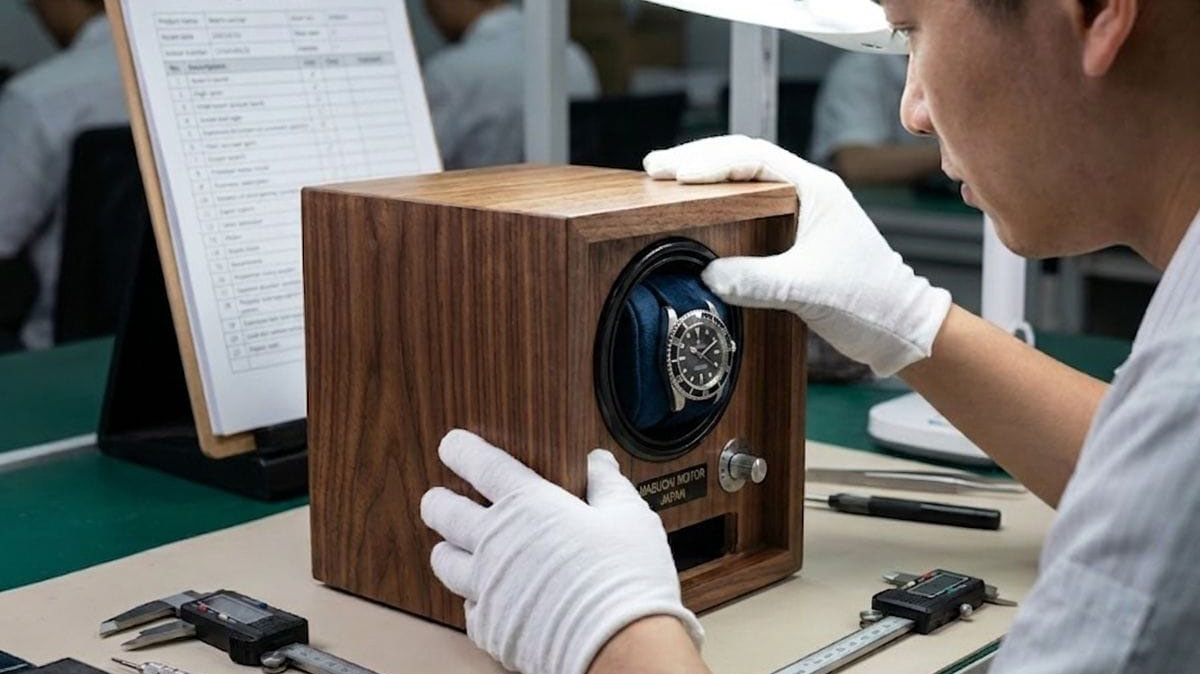
Pick 3 to 5 candidates. Then audit them in person or hire a third party. This separates real factories from small workshops. Use a watch winder factory audit checklist:
Production Capacity and Equipment
Check CNC machines, laser engravers, spray booths, and assembly lines. They must match the claimed output. A factory making 10,000 units per month needs at least 3,000 square meters and 80+ workers.
Quality Management
Look for ISO 9001 as a start. More important: check their internal quality process. This includes checking incoming materials, during production, and at final shipment. Ask for defect rate data from the last 12 months. Good factories show rates below 1.5%.
Compliance and Certifications
For EU and North America exports, your factory must know CE marking, FCC Part 15 (for electronics), and RoHS. Ask for test reports from labs like SGS, TÜV, or Bureau Veritas.
Worker Conditions and Ethics
Big retailers want BSCI or SMETA audits. Even if you sell direct to customers, ethical factories tend to be more disciplined and consistent.
Step 4 — Evaluate Samples with Structured Testing
Never commit to production volume based on catalog images or a single golden sample. Request three distinct sample types:
| Sample Type | Purpose |
|---|---|
| Engineering sample | Tests mechanical function—motor noise levels, rotation accuracy, TPD consistency over 72-hour continuous operation |
| Appearance sample | Evaluates finish quality, color matching, material texture, and branding placement |
| Pre-production sample (PPS) | Represents exact production output including packaging, accessories, and documentation |
When negotiating MOQs for luxury watch winder OEM production in China, samples demonstrate whether the factory can achieve your quality tier at the proposed price point. Budget $200–$500 per sample iteration—this investment prevents $20,000+ mistakes at production scale.
Step 5 — Negotiate Terms That Protect Your Interests
MOQ Comparison Across Supplier Tiers
| Supplier Tier | Typical MOQ | Unit Price Range (USD) | Customization Level |
|---|---|---|---|
| Large factory (500+ workers) | 1,000–3,000 units | $18–$45 | Full custom molds and design |
| Mid-size factory (100–500 workers) | 300–1,000 units | $25–$60 | Semi-custom with existing platforms |
| Small workshop (under 100 workers) | 50–300 units | $35–$80 | Limited to cosmetic changes |
For brands exploring a wholesale automatic watch winder OEM partnership with a Chinese supplier, mid-size factories often deliver the best balance of flexibility, pricing, and attention. Large factories prioritize high-volume clients; small workshops may lack consistency across batches.
Contract Essentials
- Payment terms: 30% deposit, 70% before shipment (standard); negotiate 30/30/40 for orders above $50,000
- Quality clause: Define acceptable defect rate (AQL 2.5 for major defects, AQL 4.0 for minor)
- IP protection: Register designs with China’s National Intellectual Property Administration before production begins
- Tooling ownership: Explicitly state that molds and tooling belong to the buyer
- Penalty clause: Specify compensation for late delivery or quality failures
Step 6 — Manage Ongoing Production Quality
The relationship doesn’t end at the first successful shipment. Consistent quality requires ongoing oversight. Engage a third-party inspection company (such as QIMA or Asia Inspection) for random checks during production runs. Schedule inspections at three stages: initial production (when 10–15% is complete), mid-production, and pre-shipment.
Establish a quarterly business review cadence with your supplier. Discuss defect trends, material cost fluctuations, capacity planning, and upcoming product development. Factories that invest in long-term client relationships deliver measurably better results than those treated as transactional vendors.
Red Flags That Signal an Unreliable Partner
- Prices significantly below market average (often indicates inferior motors or materials)
- Reluctance to provide client references or existing brand partnerships
- No dedicated quality control team or documented QC procedures
- Inability to produce certifications for claimed compliance standards
- Pressure to skip sample approval and proceed directly to mass production
- Frequent changes in your point of contact or sales representative
- Factory location doesn’t match business registration documents
Any single red flag warrants deeper investigation. Two or more should disqualify the candidate entirely.
Building a Private Label Partnership for Long-Term Growth
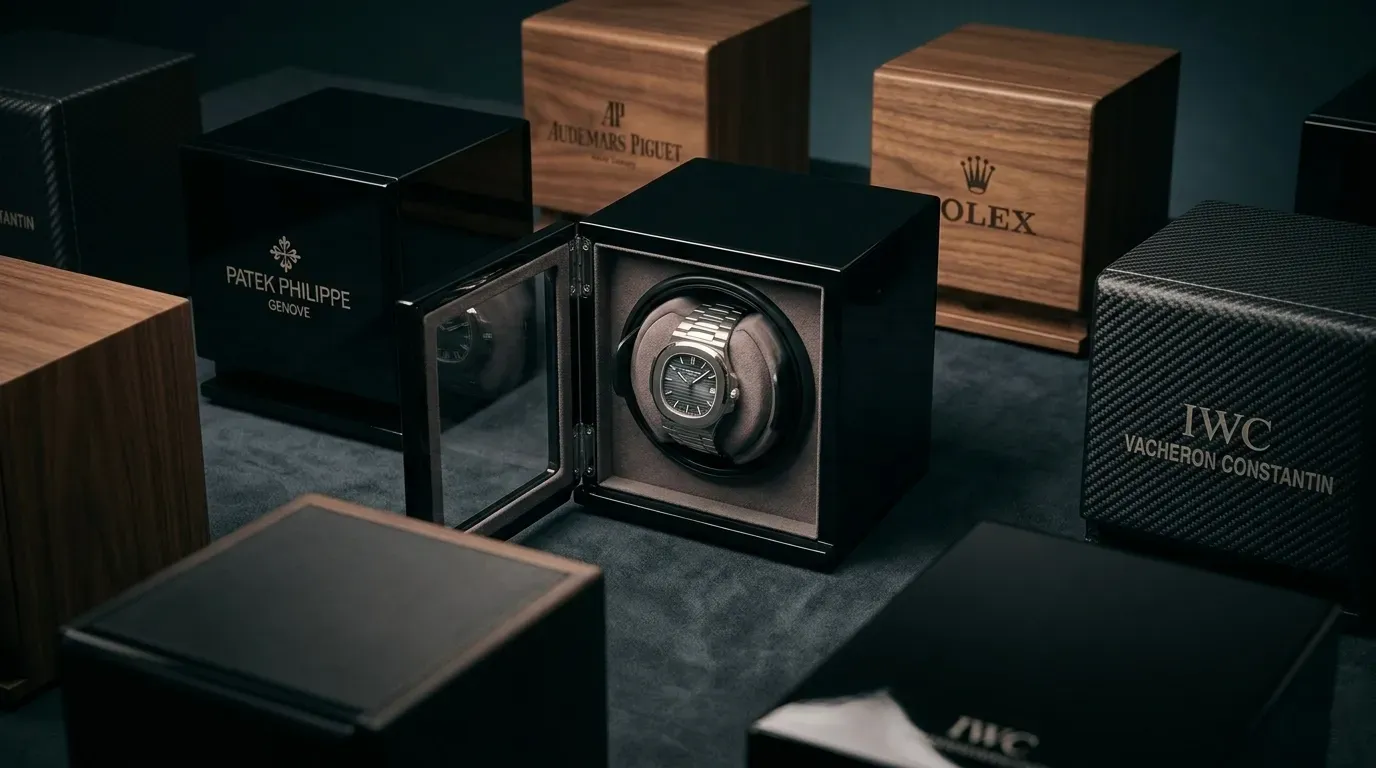
For brands pursuing a private label watch winder export strategy with a Chinese manufacturer, the ideal partner functions as an extension of your product development team. Look for factories that offer in-house industrial design capabilities, rapid prototyping (3D printing within 5 business days), and dedicated project managers who communicate in your timezone.
The strongest partnerships evolve from transactional purchasing into collaborative product development. Share market feedback, competitive intelligence, and sales data with your production partner. Factories that understand your end consumer make better engineering decisions without requiring constant oversight.
Frequently Asked Questions
Schema Markup Suggestion: Wrap this section in
FAQPagestructured data to maximize Featured Snippet and People Also Ask opportunities on Google.
How long does it typically take to go from initial contact to first shipment?
Expect 12–16 weeks for a fully custom product: 2–3 weeks for sample development, 1–2 weeks for revisions, 4–6 weeks for production, and 2–4 weeks for ocean freight. Semi-custom orders using existing platforms can reduce this to 8–10 weeks. Rush orders are possible at 15–25% premium pricing.
What quality certifications should I require from a Chinese winder producer?
Here is the simplified version of your text, using shorter sentences, simpler words, and improved formatting.
Minimum Certifications
- ISO 9001 for quality management.
- CE mark for European markets.
- FCC compliance for North America.
- RoHS ensures material safety.
For Premium Products
- REACH compliance for chemicals.
- UL certification for the power adapter.
Important: Always check certificates with the issuing body. Fake certificates exist.
Can I protect my designs?
Yes. But you must act early.
- Register your patents with China’s CNIPA before sharing drawings.
- Sign a bilingual NDA (English and Chinese). It should say Chinese courts handle disputes.
- Add a non-compete clause. This stops the factory from making the same design for other clients.
- Split production between two suppliers. This way, no single factory has your full product knowledge.
Conclusion: Check Carefully for Success
Finding a good watch winder maker in China takes work. Do not choose based on the lowest price.
Use a 6-step process:
- Write clear product specs.
- Use many channels to find factories.
- Audit the factories.
- Check structured samples.
- Sign protective contracts.
- Manage quality over time.
I have used this method for 19 years. It leads to:
- Consistent product quality.
- Reliable delivery times.
- A partner who grows with your brand.
Next Steps
Start today.
- Prepare a detailed product spec document.
- Contact 3 to 5 qualified factories using the steps above.
Free Resources
- Download our factory audit checklist.
- Download our supplier comparison scorecard.
Get Personal Help
- Book a free 30-minute call with our advisory team.
- We will discuss your product needs and market position.
📧 Email: kathy@twingpak.com.cn
🌐 Website: www.twing-pak.com
📍 Factory: Nansha District, Guangzhou, China
☎️ telephone/WhatsApp:+86 13431139311