In today’s highly competitive wood packaging and premium consumer goods markets, product success no longer depends solely on a single technological breakthrough or pure aesthetic design. Instead, it is the outcome of a deep integration between rigorous engineering R&D and forward‑looking industrial design. For many companies seeking breakthrough innovation, the question “Has our R&D team worked with external industrial designers?” is not merely about project management. It is a core indicator of a company’s innovation capability, resource integration skills, and market sensitivity. Tengxiang Packaging explores the collaborative mechanisms between internal R&D teams and external industrial designers, analyzes successful brand cooperation cases, and provides professionals with highly actionable implementation advice and cross‑functional collaboration guidelines. To better understand our corporate culture and R&D philosophy, please refer to About Us.

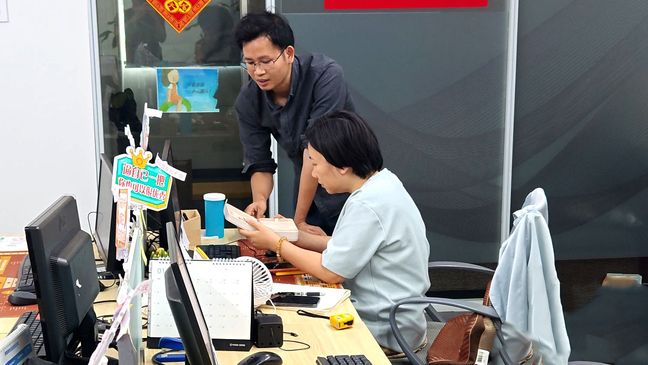
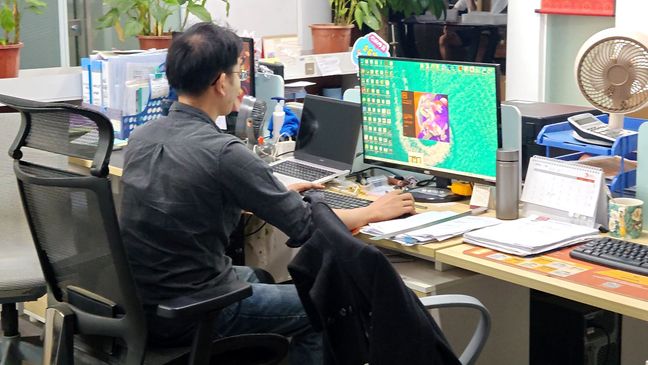
1. Strategic Value of Synergy between Internal R&D and External Design
Traditional linear product development often follows either “design‑led, engineering‑follows” or “engineering‑led, design‑packaged” approaches. However, in the development of high‑end precision packaging and storage devices, such siloed models frequently result in an imbalance between technical feasibility and design aesthetics. Bringing in external industrial designers injects cross‑industry innovation perspectives, cutting‑edge material insights, and a deep understanding of consumer emotional needs into the internal R&D team.
External industrial designers are typically not constrained by the internal R&D team’s established technical paths. They start from user experience (UX) and ergonomic principles to propose conceptual design solutions. The internal R&D team’s role is to transform these concepts into mass‑producible physical entities through rigorous tolerance control, material science testing, and structural mechanics analysis. The constructive tension and synergy between the two groups effectively break down technical barriers, resulting in benchmark products that excel in both functionality and artistry.
2. Analysis of Successful Cross‑Functional Collaboration Cases
To demonstrate the effectiveness of collaboration between R&D teams and external design talents, we analyze four actual projects from niche premium brands. Each details the technical challenges and solutions across different product categories.
Case 1: D.ROCK – Prestige Champagne Box – Ecological Materials and Structural Mechanics Trade‑offs
D.ROCK is a Champagne house from the Champagne region of France. For the launch of a limited‑edition vintage red wine, the brand commissioned a Paris‑based avant‑garde ecological packaging design studio to create a display box that would not only pay tribute to the art of living but also blend heritage with modern aesthetics.
Technical Challenge: The external designer’s concept featured a fully sustainable material palette, but the initial structural strength was insufficient to protect the heavy bottle during transportation and opening. Additionally, the designer wished to incorporate an integrated lighting system that would illuminate the moment the box was opened.
Collaborative Solution: The internal R&D team intervened early and worked intensively with the designer. For the material, the engineers did not reject the ecological approach. Instead, they selected eco‑friendly MDF (medium‑density fiberboard) using CNC cutting, which preserved the natural look while increasing overall compressive strength by 400% and perfectly realizing the cylindrical design. For the lighting system, a miniature solid‑state battery hidden in the base instantly powers embedded Micro‑LEDs when the box is opened; light is softly diffused through an internal acrylic light guide plate. The final champagne box not only fulfilled the designer’s ecological aesthetic but also achieved a structural engineering breakthrough.
Case 2: Aurelia & Co. – Bespoke Jewelry Box – Structural and Aesthetic Reinvention
Aurelia & Co. is a niche brand focusing on independent designer jewelry. Their packaging requirements are extremely high: outstanding protective performance and a ritualistic sense of the moment it is opened. The brand engaged a Nordic minimalist industrial design studio to propose a concept featuring a seamless floating visual design.
Technical Challenge: The external designer required that the jewelry box show no hinges when closed, and that the outer shell be made of ultra‑thin anodized aluminum alloy. This posed significant structural strength and assembly precision challenges for the internal R&D team.
Collaborative Solution: The R&D team and designer carried out three months of joint development. The engineers introduced micro‑hidden damped hinge technology and optimized the internal rib distribution of the aluminum alloy shell using finite element analysis (FEA). For the interior lining, the designer insisted on a specific tactile microfiber velvet. The R&D team resolved the potential tarnishing effect that such velvet could have on silver jewelry in certain humidity conditions by adding an anti‑oxidation coating treatment. The mass‑produced jewelry box perfectly reproduced the designer’s floating visual concept and passed fatigue tests exceeding 20,000 opening cycles.
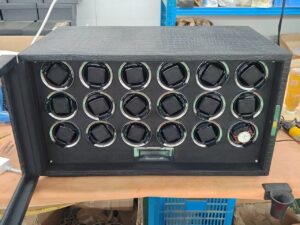
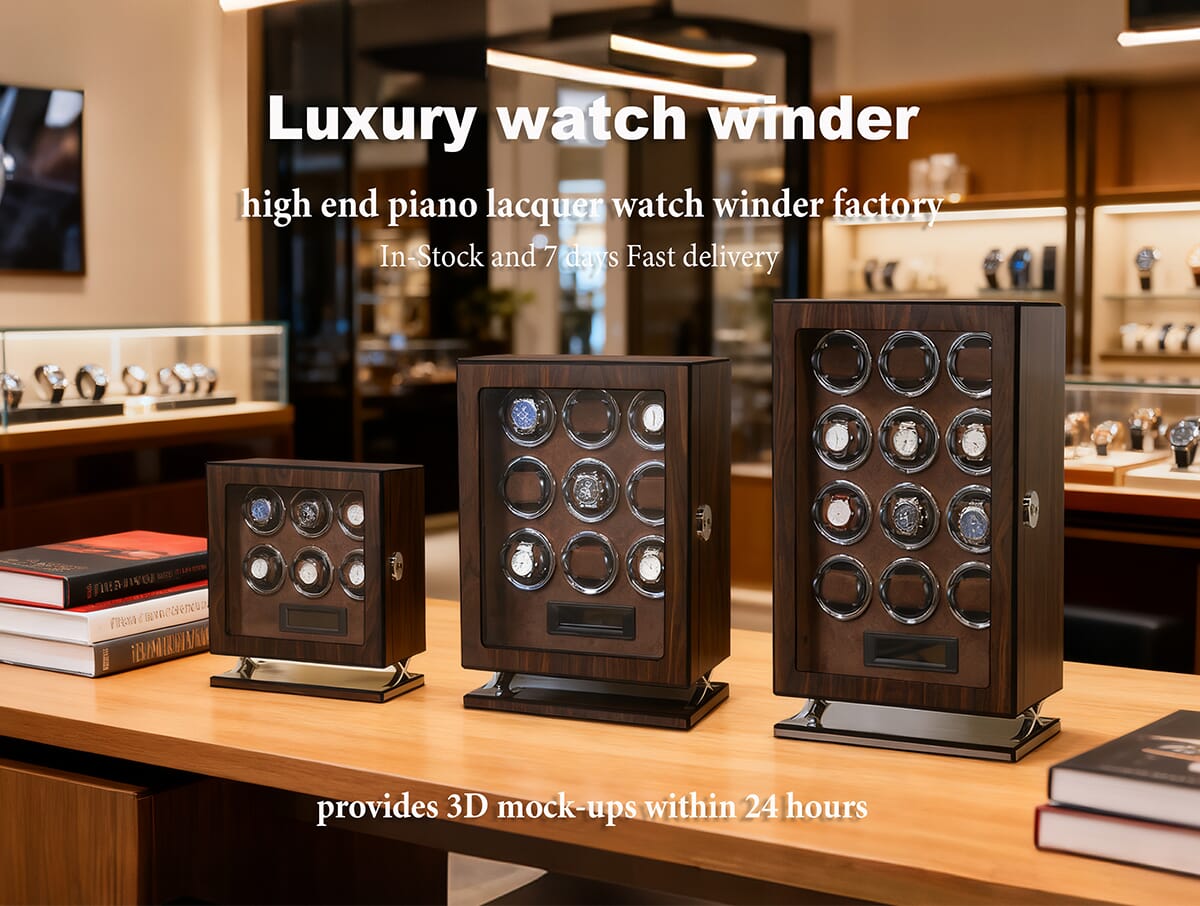
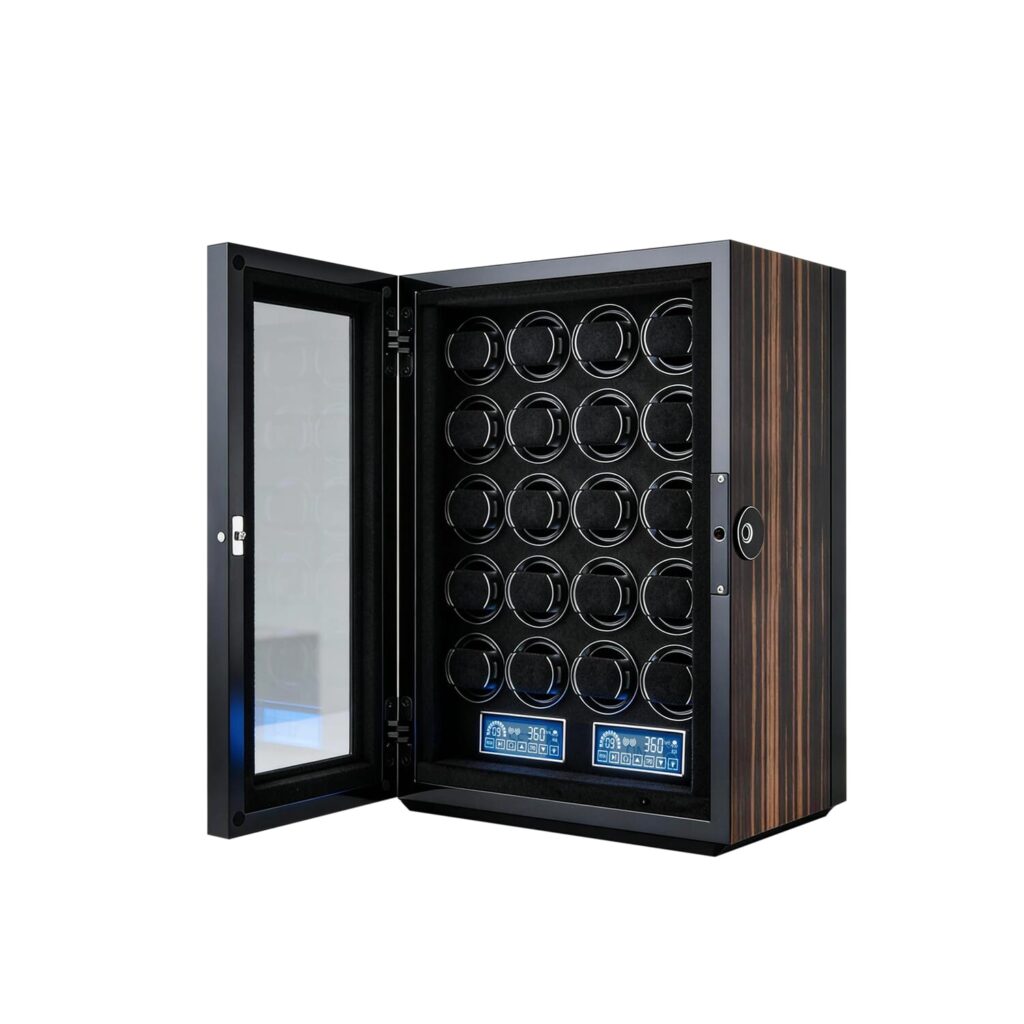
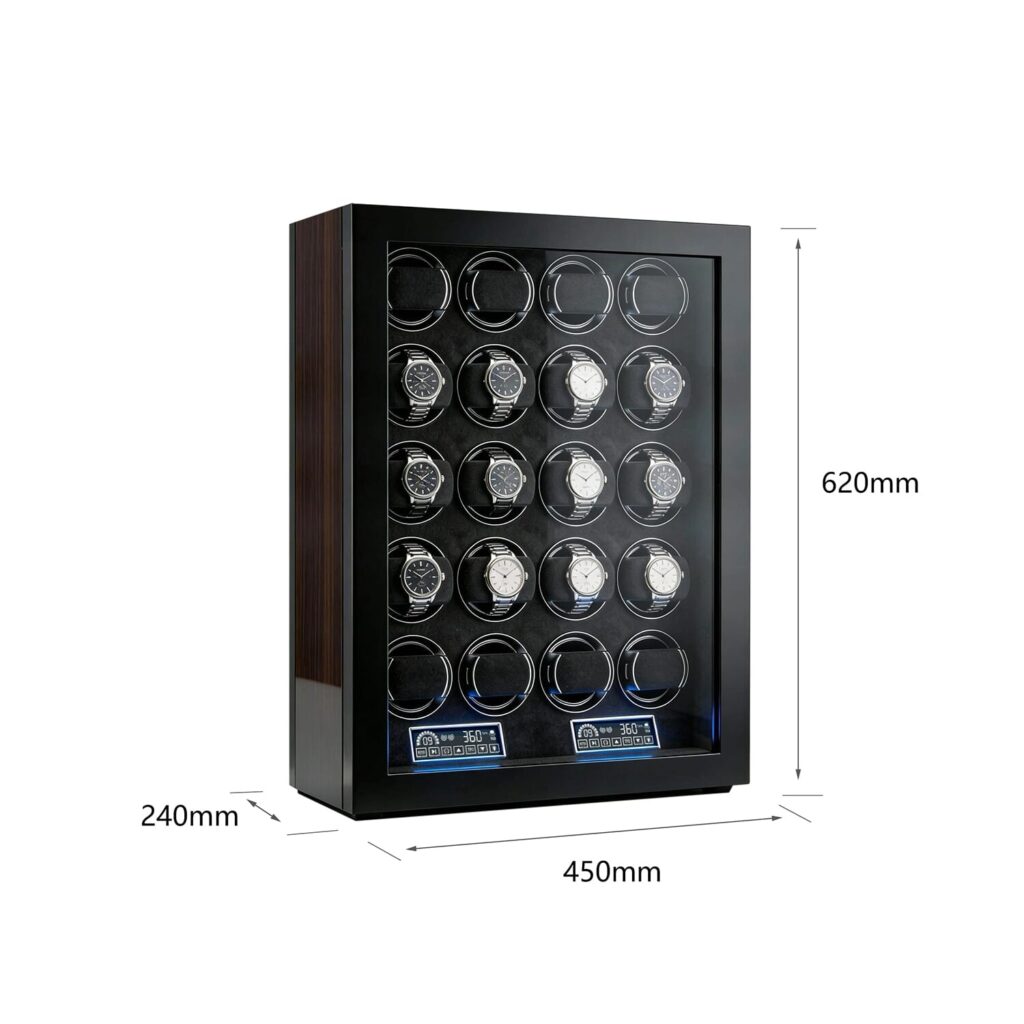
Case 3: Chronos Precision – Flagship Watch Winder – Noise Suppression and Visual Enhancement
Chronos Precision is a Swiss workshop specializing in complex mechanical timepieces. They wanted to launch a watch winder worthy of six‑figure watches, requiring near‑absolute silence during operation and a futuristic mechanical aesthetic.
Technical Challenge: The external designer proposed a large curved tempered glass display window and insisted that the internal mechanical transmission be fully exposed. However, large glass surfaces easily resonate and amplify motor noise, and the exposed transmission also demanded strict anti‑magnetic shielding.
Collaborative Solution: The R&D team and designer adopted a strategy of “engineering optimizes design, design conceals engineering.” A custom brushless DC motor was selected, and a multi‑point floating suspension transmission module was developed to eliminate resonance at the source. For anti‑magnetic protection, a Faraday cage made of high‑permeability alloy was designed around the motor. The external designer ingeniously turned this shielding cover into a decorative piece resembling an aircraft engine turbine. The final watch winder operates at below 10 decibels while delivering stunning industrial aesthetics.
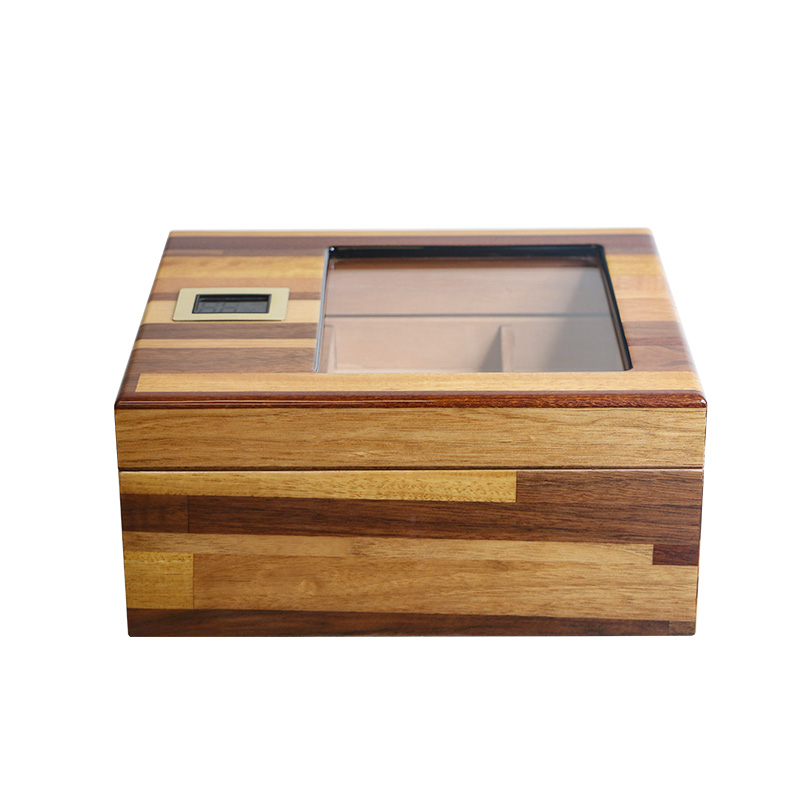
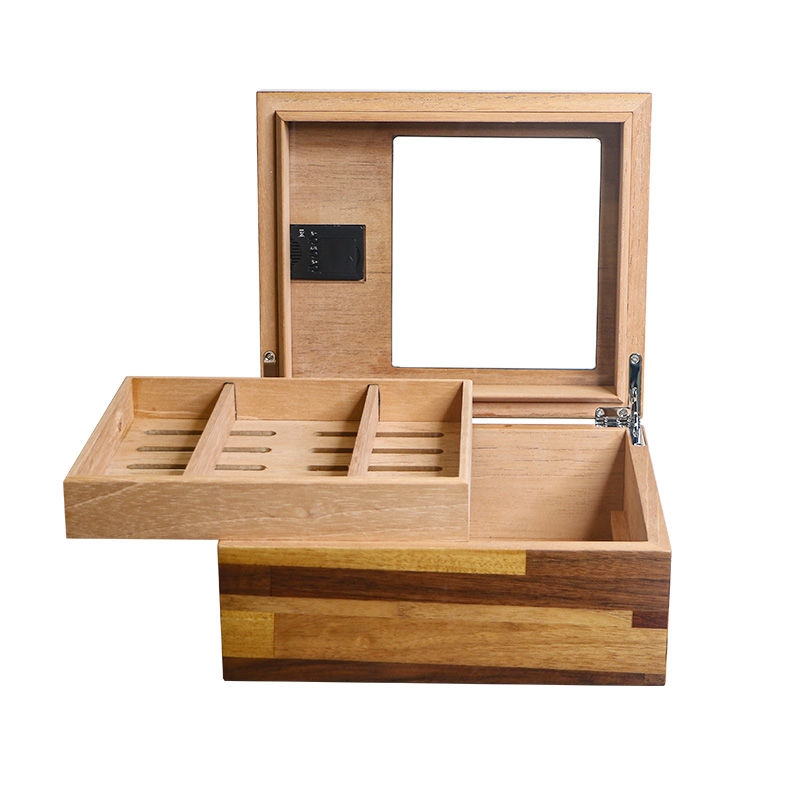
Case 4: Tabacalera – Limited Edition Humidor – Microclimate Control and Material Contrast
Tabacalera is a private club brand serving top‑tier cigar aficionados. They commissioned an Italian luxury furniture designer to develop a humidor that provides precise humidity control and high artistic tension in appearance.
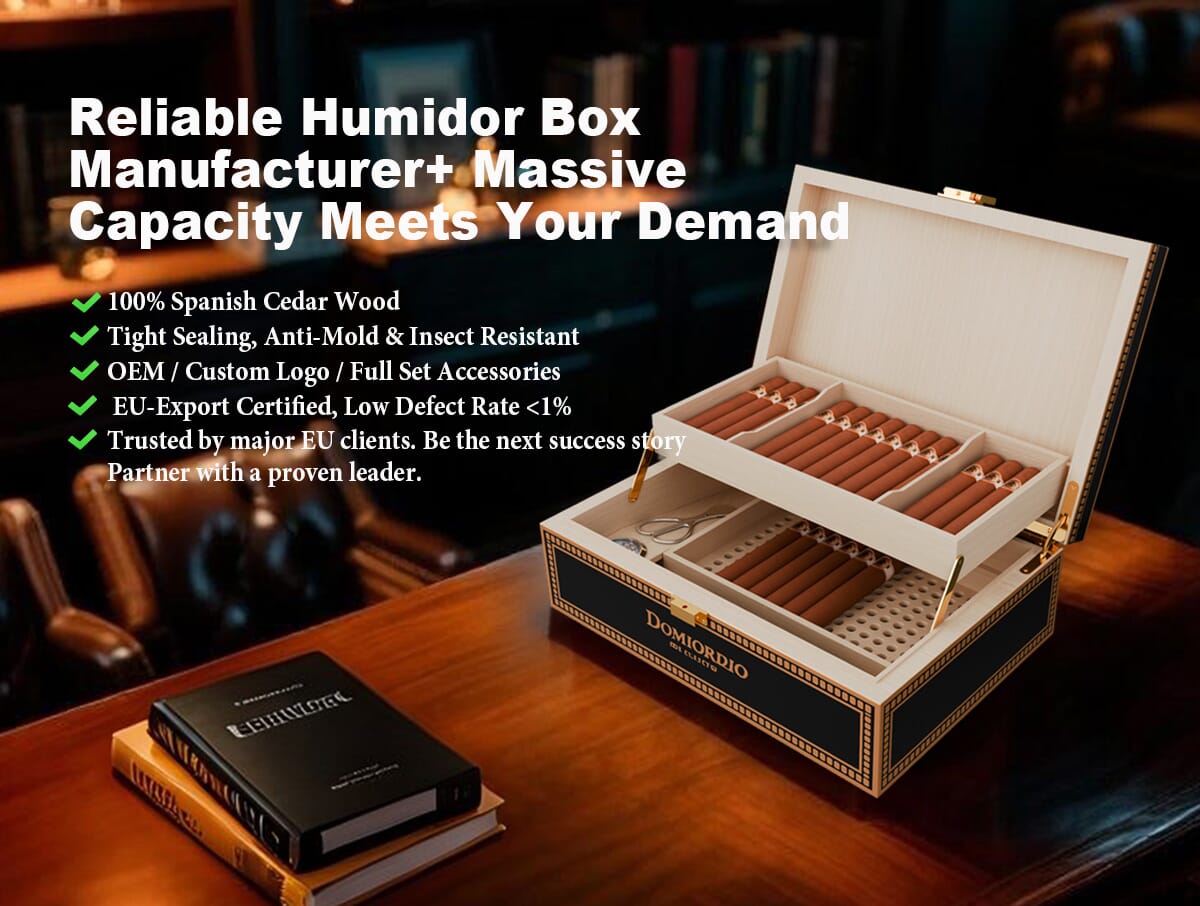
Technical Challenge: The designer chose a combination of natural Spanish cedar and a wood veneer + MDF composite for a luxurious look. Spanish cedar offers a calm, slightly sweet woody aroma that is clean, non‑irritating, and accelerates cigar aging, resulting in a smoother, purer smoke with a light cedar sweetness and a cleaner finish. However, the inherent dimensional instability and aroma migration of natural cedar posed risks to precise humidity control.
Collaborative Solution: After evaluating material characteristics, the R&D team proposed a dual‑chamber isolation solution. The exterior retains the visual impact of marble and carbon fiber, while inside there is an independent microclimate chamber made of aerospace‑grade aerogel insulation and Spanish cedar. The R&D team also developed a hidden active electronic humidity control system. The designer cleverly integrated the system’s intake and exhaust vents into the natural wood grain seams. This humidor breaks the stereotypical image of traditional wooden boxes while maintaining humidity fluctuation within ±1%.
3. Implementation Recommendations and Process Framework for R&D‑Design Collaboration
Transforming external creative ideas into reliable mass‑produced products requires a rigorous collaboration process. Companies should establish a clear responsibility matrix and communication mechanisms. For more details on how we apply these processes to real projects, please see our Services and Collaboration guide.
3.1 Establish an Early Involvement Mechanism
Do not wait until the designer completes all drawings before bringing in the R&D team. From the concept sketch phase, R&D engineers should act as technical advisors to perform preliminary assessments of material forming processes, tooling costs, and electronic component layout. This upfront “technical feasibility analysis” prevents late‑stage disruptive design changes and significantly shortens development cycles.
3.2 Responsibility Boundaries and Cross‑Functional Collaboration Matrix
To ensure smooth project execution, we recommend the following responsibility model, clarifying the core tasks of the external industrial designer and internal R&D team at each stage:
| Development Phase | External Industrial Designer Responsibilities | Internal R&D Team Responsibilities |
|---|---|---|
| Concept Exploration | User research, trend analysis, conceptual sketches, CMF (color/material/finish) proposals | Technology trend input, supplier sourcing, existing process boundary assessment, preliminary cost estimation |
| Design Development | 3D appearance modeling, human‑machine interface design, high‑fidelity renderings | Internal mechanical stack‑up design, DFM (design for manufacturing) analysis, key component selection |
| Engineering Validation (EVT) | Evaluate appearance details of prototypes, confirm and fine‑tune CMF | Functional prototype fabrication, tolerance analysis, basic performance testing, structural optimization |
| Design Validation (DVT) & Mass Production | Sign off samples, participate in resolving cosmetic issues during pilot runs | Tooling evaluation, DFM optimization, reliability testing, QC standards approval |
3.3 Build a Unified Engineering and Design Language
External designers tend toward subjective descriptions (e.g., “a near‑mirror high‑reflection effect on the lacquer surface”), while R&D personnel rely on objective data (e.g., “gloss above 70 GU for piano finish”). Companies need a translation mechanism that converts perceptual requirements into specific engineering metrics. For example, when developing a high‑end jewelry box, the designer’s request for a “premium damping feel” can be addressed by the R&D team sourcing from Chinese suppliers, testing each option, and offering alternatives that best meet the client’s needs.
4. Frequently Asked Questions (FAQ)
How can a company protect its core technical secrets when working with external designers?
Before any substantive collaboration begins, both parties must sign a strict Non‑Disclosure Agreement (NDA). In practice, core technology modules (e.g., a watch winder’s proprietary silent motor control algorithm) can be treated as a black box. Only the external physical dimensions, interface definitions, and thermal design power (TDP) need to be shared with the external designer, without revealing internal implementation details. More information on how we protect client privacy and technical assets can be found on our About Us page.
What if an external designer’s proposal causes manufacturing costs to exceed the budget significantly?
Cost control is one of the most common points of conflict in cross‑functional collaborations. The R&D team should apply Value Engineering (VE) to analyze the cost contribution of each feature. If a particular aesthetic feature (e.g., a special metal inlay on a humidor) is extremely costly but offers limited functional benefit, the R&D team should proactively provide two or more alternative materials or process options for the designer to choose from, finding the best balance between aesthetic compromise and cost control.
What if the external designer is not familiar with specific industry standards (e.g., CE, RoHS)?
This is precisely where the internal R&D team adds critical value. The R&D team must act as the gatekeeper for industry standards. For example, when designing a watch winder with electronic components, the R&D team must communicate clear safety and regulatory constraints to the designer early on – such as leakage protection requirements, flame‑retardant material ratings, motor stability test criteria, and power adapter certifications (EU/US). This ensures the final design can pass global compliance certifications.
How to assess whether an external industrial design team is a good fit for collaboration with our R&D team?
Beyond reviewing their portfolio, it is more important to evaluate their “engineering empathy.” A good design team should have basic manufacturing process knowledge and be willing to work closely with the R&D team during the DFM phase. You can refer to our Services and Collaboration process to see how we have established such an effective evaluation and integration mechanism.
5. Conclusion
Collaboration between an internal R&D team and an external industrial designer is far more than a simple handoff of tasks – it is a deeply integrated co‑innovation process. By establishing early involvement mechanisms, clear responsibility and authority matrices, and data‑driven communication platforms, companies can effectively combine external creative inspiration with internal engineering excellence. Whether pursuing the ultimate mechanical aesthetics of a watch winder, the precise microclimate control of a humidor, or the ritualistic sense and material protection of a jewelry box, successful cross‑functional collaboration significantly enhances product value and market competitiveness.
For companies aiming to build a moat in the premium market, creating an open, inclusive, yet rigorous and efficient R&D‑design ecosystem is the essential path to product evolution. We firmly believe that great products are born at the perfect intersection of rational engineering and emotional design. If you are further interested in our R&D capabilities and cross‑functional collaboration experience, you are welcome to learn more About Us or directly explore the Services and Collaboration section to start your next innovation project.