What Does Servicing an Automatic Watch Involve?
Servicing an automatic watch goes far beyond just a quick clean. It’s a detailed, step-by-step process that ensures your mechanical movement runs smoothly and accurately for years to come. Here’s what a typical automatic watch maintenance cost covers:
- Complete Disassembly: The watchmaker carefully takes apart the case, removes the movement, and breaks down every component, including gears, springs, and the rotor.
- Ultrasonic Cleaning: All parts (except delicate components like jewels or the balance wheel) go into an ultrasonic cleaning machine. This removes old lubricants, dirt, and microscopic debris that can hinder performance.
- Inspection and Replacement of Parts: Each component is inspected for wear and damage. Worn-out parts, such as the mainspring or gaskets, are replaced to maintain water resistance and movement longevity.
- Lubrication: Proper mechanical movement lubrication is critical. Watch oils are applied at specific points to reduce friction and prevent wear on the tiny gears and pivots.
- Reassembly and Regulation: After cleaning and lubrication, everything is reassembled carefully. The watch’s timing is adjusted and regulated to meet manufacturer accuracy standards.
- Pressure Testing and Final Checks: For water-resistant watches, pressure tests make sure seals and gaskets are intact. Finally, the watch undergoes a thorough functional check to ensure everything operates as intended.
This comprehensive service can take several hours or even days depending on the watch’s complexity. While it may seem involved, each step is essential to ensure your automatic watch delivers reliable performance and preserves its value long-term.
Why Is Servicing Automatic Watches More Expensive Than Quartz?
Servicing an automatic watch usually costs more than a quartz watch because of the differences in parts, labor, and complexity.
| Factor | Automatic Watch | Quartz Watch |
|---|---|---|
| Parts | Hundreds of tiny mechanical parts, including gears and springs | Fewer parts, mainly electronic components and a battery |
| Labor | Skilled watchmaker needed for delicate manual work | Less specialized labor since it’s mostly battery replacement and simple repairs |
| Complexity | Mechanical movements require careful calibration, lubrication, and adjustment | Quartz movements are simpler and faster to service |
| Service Duration | Often 2-4 hours or more due to disassembly, cleaning, and testing | Usually less than an hour for battery and basic check |
Automatic watches contain intricate mechanical movements that demand detailed cleaning, oiling, and precise timing checks, which take more time and expertise. The mechanical watch service price reflects this care.
In contrast, quartz watches use a battery for power and fewer moving parts, so servicing is quicker and less involved. That’s why the mechanical watch service price tends to be higher, especially for luxury brands.
This complexity is a key reason why luxury watch repair expenses for automatic watches—like a Rolex overhaul cost—are significantly above quartz servicing.
Average Servicing Costs by Brand Tier
Servicing an automatic watch varies widely depending on the brand and its position in the market. Here’s a quick breakdown of average automatic watch maintenance costs based on brand tiers in the U.S.:
- Entry-Level Watches (Seiko, Hamilton, Orient): These brands typically have more affordable service prices, averaging $150 to $300 for a full mechanical watch service. Their movements are generally simpler, so the process is faster and less expensive.
- Mid-Tier Watches (Oris, Tissot, Longines): For these, expect to pay between $300 and $600. The increase reflects more complex movements and possibly additional features like date complications. Mid-tier watches balance quality and price but servicing still requires skilled labor and specialized tools.
- Luxury Watches (Rolex, Omega): At the high end, servicing costs rise significantly. An official Rolex overhaul can range from $600 up to $1,200 or more, mainly because of the brand’s precision requirements, parts, and craftsmanship involved. Omega services generally fall in a similar range, about $500 to $1,000, depending on the model and complications.
The luxury watch repair expenses also factor in brand-specific parts, pressure testing, and warranty-backed service quality. For those who want to keep their automatic watch running perfectly, these costs are often worth it.
If you want to reduce your expenses but still maintain quality, exploring reputable independent watchmakers can be a smart option, especially for entry-level and mid-tier brands.
For more on maintaining your timepiece, check out detailed discussions about whether watch winders are bad for watches to help extend service intervals.
Can Independent Watchmakers Save You Money?
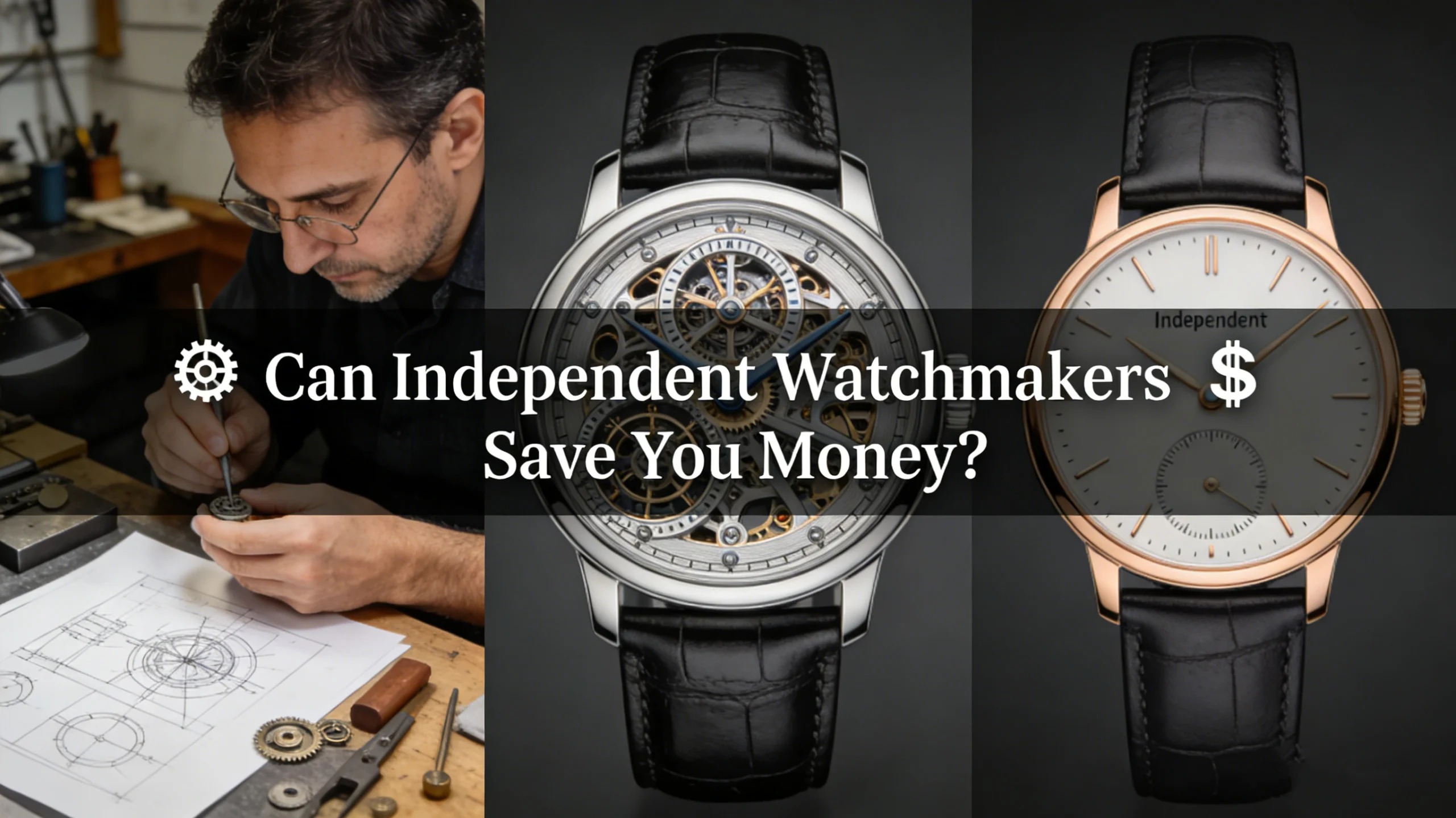
When it comes to servicing your automatic watch, going to an independent watchmaker is often a more budget-friendly choice compared to authorized service centers. Authorized centers, especially for luxury brands like Rolex or Omega, charge premium prices for mechanical watch service, partly because they use genuine parts and follow strict manufacturer guidelines. This means higher overhead and longer wait times, but you get the reassurance of official warranty coverage and factory-trained expertise.
Independent watchmakers usually offer lower mechanical watch service prices because their overhead is less, and they sometimes mix original and high-quality aftermarket parts. This can be a great way to save on your automatic watch maintenance cost, especially if your watch is out of warranty or if it’s an older or vintage automatic watch service. However, the risk is that not every independent shop has experience with every brand or complex movement. You’ll want to verify their reputation, certifications, and ask about the parts they use to avoid surprises.
Ultimately, if your watch isn’t overly complicated and doesn’t require strict factory-level calibration, an independent repair shop can extend your watch’s life without breaking the bank. Just weigh the cost savings against the peace of mind from official servicing—both routes have their pros and cons depending on your watch and budget.
Key Factors Influencing Automatic Watch Service Costs

Several factors affect the cost to service an automatic watch, making prices vary widely depending on your watch’s specifics.
Brand and Movement Type
Luxury brands like Rolex or Omega usually cost more to service because their parts and craftsmanship are more complex and precise. Meanwhile, brands like Seiko or Hamilton usually have more affordable mechanical watch service prices. The movement type also plays a big role; high-end or in-house movements require specialized skills and tools, pushing costs higher.
Complications
Watches with extra features, such as chronographs, GMT functions, or calendars, require more intricate servicing. These complications need extra attention, careful lubrication, and testing—which naturally bumps up the mechanical watch service price.
Parts and Availability
Original replacement parts can be pricey, especially for vintage or luxury automatic watches. If parts are rare or need custom ordering, expect a longer turnaround and higher cost. Sometimes, service centers might have to replace entire components like the rotor to prevent wear, adding to the expense.
Service Frequency and Wear
Regular maintenance can prevent big repairs, but if a watch hasn’t been serviced in years or has been exposed to shocks or moisture, the repair can get more complicated and expensive. Worn or damaged parts, like a gummed-up escapement or dried lubrication, take longer to fix, increasing labor costs.
Understanding these factors helps set expectations for automatic watch maintenance cost and guides you on how often and where to get your timepiece serviced.
For details on proper watch care, consider using a quality automatic watch winder to maintain movement lubrication and reduce service frequency.
Is It Worth Servicing Your Automatic Watch?
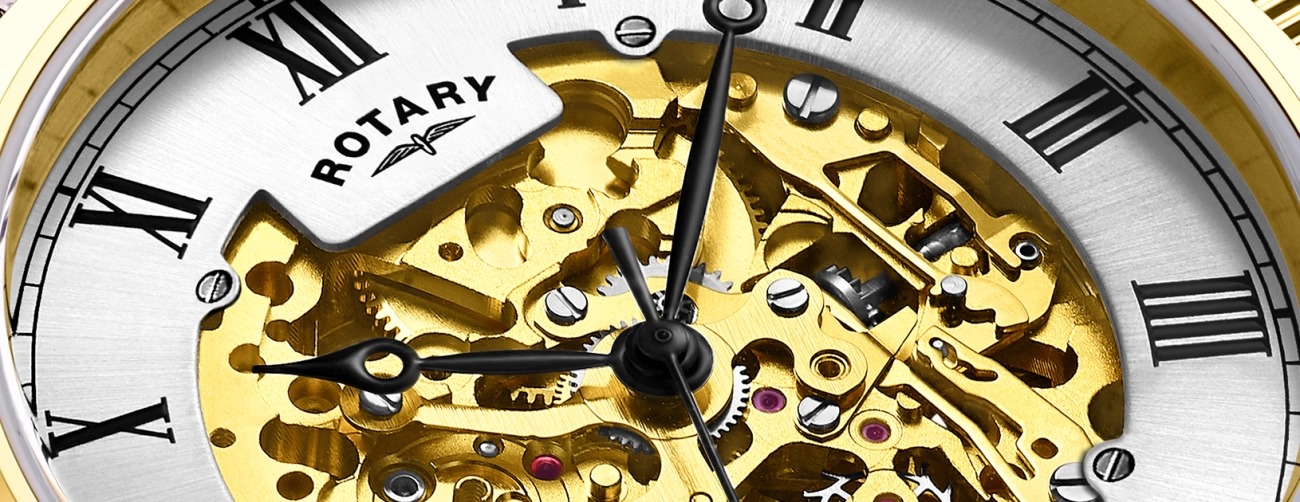
Servicing your automatic watch is usually worth it if you want to keep it running smoothly and maintain its long-term value. Regular maintenance improves accuracy by ensuring the mechanical movement lubrication stays effective, preventing wear on delicate parts like the rotor. It also helps preserve resale value, especially for luxury brands like Rolex or Omega, where a well-documented service history can significantly boost buyer confidence.
That said, servicing might not always be necessary if your watch is older, heavily worn, or inexpensive to replace. For example, some entry-level watches may cost nearly as much to service as to buy new, making overhaul less practical. Also, if your watch hasn’t been used much and shows no signs of timing issues or moisture damage, you might delay servicing a bit longer.
Overall, investing in proper automatic watch maintenance cost ensures your watch stays reliable and retains value—especially if it’s a prized piece or has sentimental worth. If you’re aiming to maximize the lifespan and enjoy precise performance, routine servicing is a smart choice.
Tips to Reduce Servicing Costs and Extend Service Intervals
Keeping your automatic watch in good shape doesn’t have to be expensive. With some simple daily care and smart habits, you can stretch out the time between costly mechanical watch services and save money in the long run.
- Avoid Magnetism and Shocks: Automatic watches are sensitive to magnets and hard impacts, which can throw off the movement’s accuracy. Keep your watch away from magnetic fields (like speakers or phones) and avoid dropping it or hitting it against hard surfaces.
- Regular Cleaning: Wipe your watch regularly with a soft cloth to remove dirt and sweat. This helps prevent corrosion and keeps seals intact, reducing wear and tear.
- Use a Quality Watch Winder: A good automatic watch winder keeps the movement running smoothly when you’re not wearing it. This prevents the lubricants inside the movement from settling or drying out unevenly. If you own a luxury watch like a Rolex, consider investing in a reliable winder designed specifically for it. For more options, check out these automatic winders for watches that help maintain your watch’s health.
- Choose Reputable Independent Watchmakers: Official service centers tend to be pricier. Skilled independent watchmakers often offer quality automatic watch maintenance cost at a lower price, and some even specialize in vintage automatic watch service. Just ensure they have a solid reputation to avoid costly mistakes.
- Keep Service Frequency in Mind: Don’t wait until your watch stops or shows signs of serious wear. Regular checkups every 3-5 years (depending on the brand and use) can catch issues early, saving on expensive repairs.
Following these tips not only reduces luxury watch repair expenses but also keeps your timepiece accurate and reliable for years. Proper care today means fewer headaches tomorrow.
How Often Should You Service an Automatic Watch?
Generally, it’s recommended to service an automatic watch every 3 to 5 years. This timing helps keep the mechanical watch movement lubrication fresh and prevents wear on important parts like the rotor and gears. However, this isn’t a hard rule—how often your automatic watch needs service depends on daily wear, environmental factors, and the specific brand or model.
Signs Your Automatic Watch Needs Service
- Loss of accuracy: If your watch starts gaining or losing time significantly, it’s a clear sign it needs attention.
- Power reserve issues: When your watch stops running earlier than usual or the rotor feels less efficient winding the watch.
- Unusual noises: Grinding or ticking sounds that weren’t there before.
- Condensation or moisture: Any sign of water inside the case means immediate servicing is crucial.
- Physical damage or strong shocks: Drops or bumps can disrupt delicate components.
Ignoring these signs can lead to bigger repairs and higher automatic watch maintenance costs. For those who want to extend intervals between services, regular use of a quality watch winder, like those designed specifically for Rolex and other mechanical watches, can help maintain the movement—check out reliable options like this automatic watch winder collection to keep your watch running smoothly between services. Proper care makes a big difference in long-term ownership cost automatic watch enthusiasts will appreciate.
Brand-specific Service Examples and Cost Comparisons
When it comes to servicing automatic watches, costs vary widely by brand and whether you use an authorized service center or an independent watchmaker. Here’s a quick comparison to help you get a clear idea of what to expect.
| Brand | Authorized Service Cost | Independent Service Cost | Typical Service Time |
|---|---|---|---|
| Rolex | $800 – $1,200 (official overhaul) | $400 – $700 | 4 to 6 weeks |
| Omega | $600 – $900 | $350 – $600 | 3 to 5 weeks |
| Seiko | $150 – $300 | $100 – $200 | 2 to 4 weeks |
| Hamilton | $200 – $400 | $150 – $300 | 2 to 3 weeks |
Rolex Service Costs: Official vs Independent
Rolex official servicing is thorough but pricey, reflecting their luxury status. Overhauls typically include full disassembly, mechanical movement lubrication, replacement of worn parts, and pressure testing. Independent watchmakers can often perform Rolex service at almost half the cost, but remember the potential trade-off is warranty support and original parts assurance.
More Affordable Brands: Seiko and Hamilton
Entry-level automatic watches like Seiko and Hamilton have affordable service prices. These brands use simpler movements with fewer complications, explaining their lower mechanical watch service price. Independent shops generally charge less for these brands without compromising much on quality, helping you save money on maintenance.
Omega Service Pricing
Omega sits in the mid-to-luxury tier and its servicing cost is between Seiko and Rolex. It also demands precise mechanical movement lubrication and timing calibration. Independent watchmakers who specialize in Omega can offer reliable service at a reduced rate, but make sure they have a good reputation for quality and OEM parts use.
For keeping your luxury watches in top condition, consider investing in a high-quality automatic watch winder like the Quad Watch Winder or the elegant Watch Winder 9601 Camphor Tree. These help maintain your watch’s power reserve and reduce wear on the rotor, indirectly supporting longer service intervals.
Understanding these brand-specific servicing costs helps you plan your watch maintenance budget wisely while preserving the long-term value of your timepiece.
Role and Benefits of Automatic Watch Winders

Automatic watch winders are useful tools that keep your watch running when you’re not wearing it. They rotate the watch gently, mimicking the natural wrist movements that keep the mechanical movement wound. This helps maintain the mechanical movement lubrication by preventing oils from settling or drying out, which can extend the time between full services.
How Watch Winders Help
- Keeps the watch ticking: Prevents your automatic watch from stopping, which means no need to reset the time, date, or complications.
- Maintains lubrication: Continuous movement keeps the oil evenly distributed inside the movement, reducing wear on delicate parts.
- Extends service intervals: By keeping the watch in motion, winders can help delay major servicing needs by reducing friction caused by inactivity.
What Winders Can’t Do
- Replace professional servicing: Winders don’t clean, lubricate, or fix parts. Regular professional service is still necessary.
- Prevent mechanical issues: They can’t stop rotor wear or fix timing problems that develop over time.
Choosing a Good Watch Winder
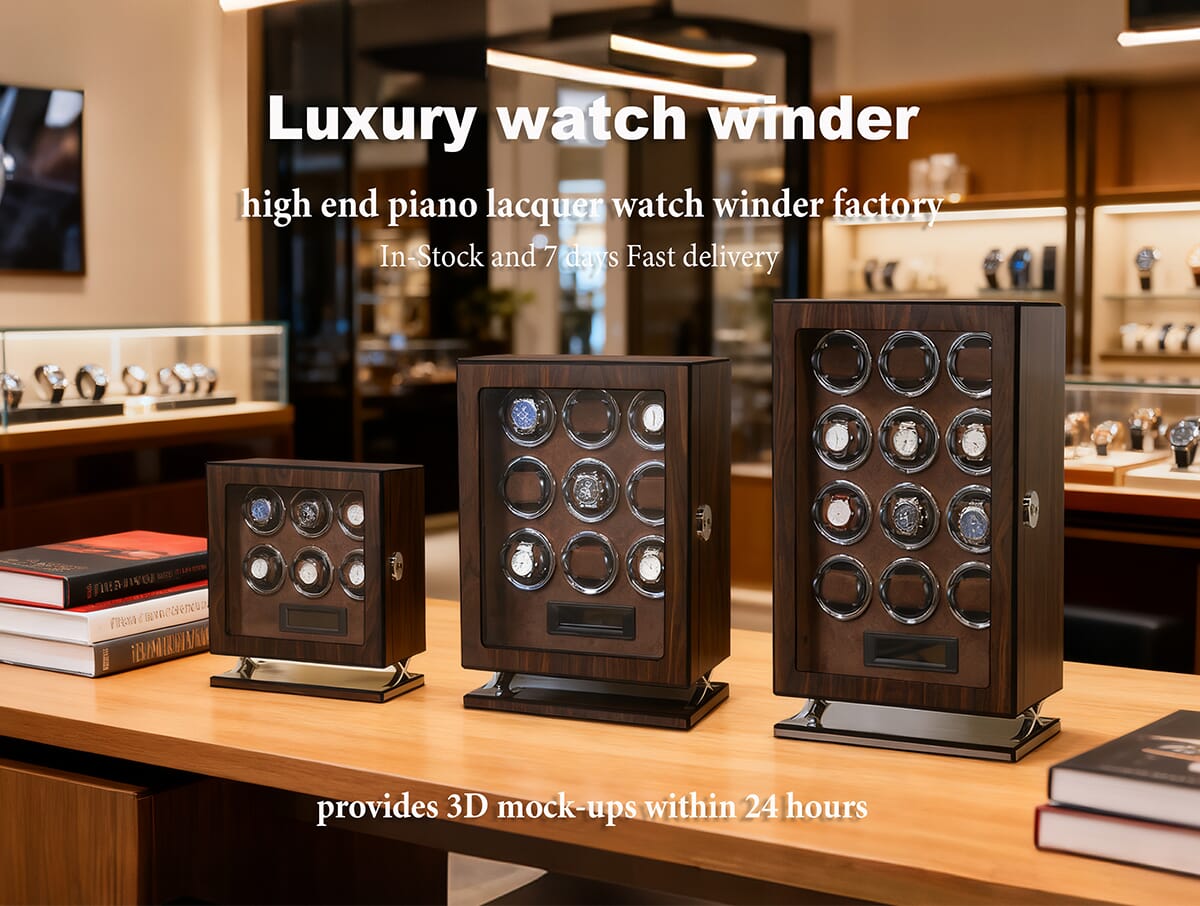
For high-end watches like Rolex or Omega, a quality automatic winder with adjustable settings is a smart investment. Check out options like the custom watch winder safe with secure storage or other reliable models with wood finishes for style and function.
| Benefit | Why It Helps |
|---|---|
| Prevents watch stopping | Saves time resetting details |
| Maintains lubrication | Extends movement lifespan |
| Supports complications | Keeps date, GMT, chronograph accurate |
Using an automatic winder is a practical way to protect your investment and keep your mechanical watch in good shape between full services. Just remember, it’s a complement to—not a substitute for—proper watch maintenance and servicing.
Frequently Asked Questions About Automatic Watch Servicing
How much does it cost to service an automatic watch?
Service prices vary widely depending on the brand and complexity. Entry-level watches like Seiko or Hamilton typically cost between $100 and $200, while luxury brands like Rolex or Omega can exceed $600 for a full overhaul. Mechanical watch service prices reflect the detailed work involved, such as lubrication, cleaning, and timing adjustments.
How often should I service my automatic watch?
Most watchmakers recommend servicing every 3 to 5 years. However, signs like inaccurate timekeeping, unusual noises, or loss of power reserve mean a visit sooner. Regular servicing helps prevent rotor wear and keeps mechanical movement lubrication in good shape.
Do I really need a watch winder?
A watch winder isn’t a must but can help maintain power and lubricate movement evenly when you’re not wearing the watch daily. This can extend service intervals by reducing unnecessary wear. High-quality automatic winders, like those designed specifically for Rolex models, are a good investment for collectors. You can find reliable options such as the watch winder 9831 wood grain or double watch winder to match your collection.
Should I choose an independent watchmaker or an official service center?
Authorized service centers guarantee genuine parts and factory-trained technicians, especially important for luxury brands. However, this can come at a premium price. Independent watchmakers often offer competitive prices and faster turnaround but may not use OEM parts. It’s key to check reviews and certifications to avoid risking your watch’s value or performance.
What influences the cost to service Omega or other luxury watches?
Complications like chronographs or GMT functions, scarcity of parts, and extensive labor all push costs higher. Vintage automatic watch service also tends to be pricier due to difficulty in sourcing parts and specialist skills required.
In short, understanding these factors helps you plan and budget for your automatic watch maintenance cost, keeping your timepiece accurate and valuable for years to come.