Introduction
With so much interest in automatic watches and watch winders, it’s important to clarify common questions people have about these devices. This article answers the most frequently asked questions about watch winders, from how they work to how to choose the best one.
What is a Watch Winder Used For?
A watch winder is a device designed to keep automatic (self-winding) watches ticking when they are not being worn. Automatic watches, unlike quartz watches, rely on the motion of the wearer’s wrist to wind the mainspring, which powers the watch. When a watch is not worn for an extended period, it stops running because the mainspring loses its tension. A watch winder solves this issue by keeping the watch wound and running, ensuring that it’s always ready to wear and keeping the movement lubricated.
How Does a Watch Winder Work?
Watch winders have a rotating mechanism that mimics the natural motion of the wrist. The watch is placed on a rotating base, and the winder will turn the watch in one or both directions to keep the movement running.
Key Components of a Watch Winder:
Motor: The motor inside a watch winder drives the movement that mimics wrist action.
Rotating Platform (Rotor): This is where the watch is placed. The rotor turns in a circular motion, keeping the watch wound.
Settings Control: Most watch winders have a digital or mechanical interface that allows the user to adjust the number of turns per day (TPD) and the rotation direction (clockwise, counterclockwise, or bi-directional).
Power Source: Watch winders can be powered by batteries or plugged into a wall outlet, depending on the model.
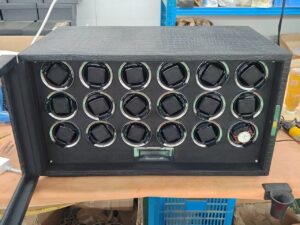
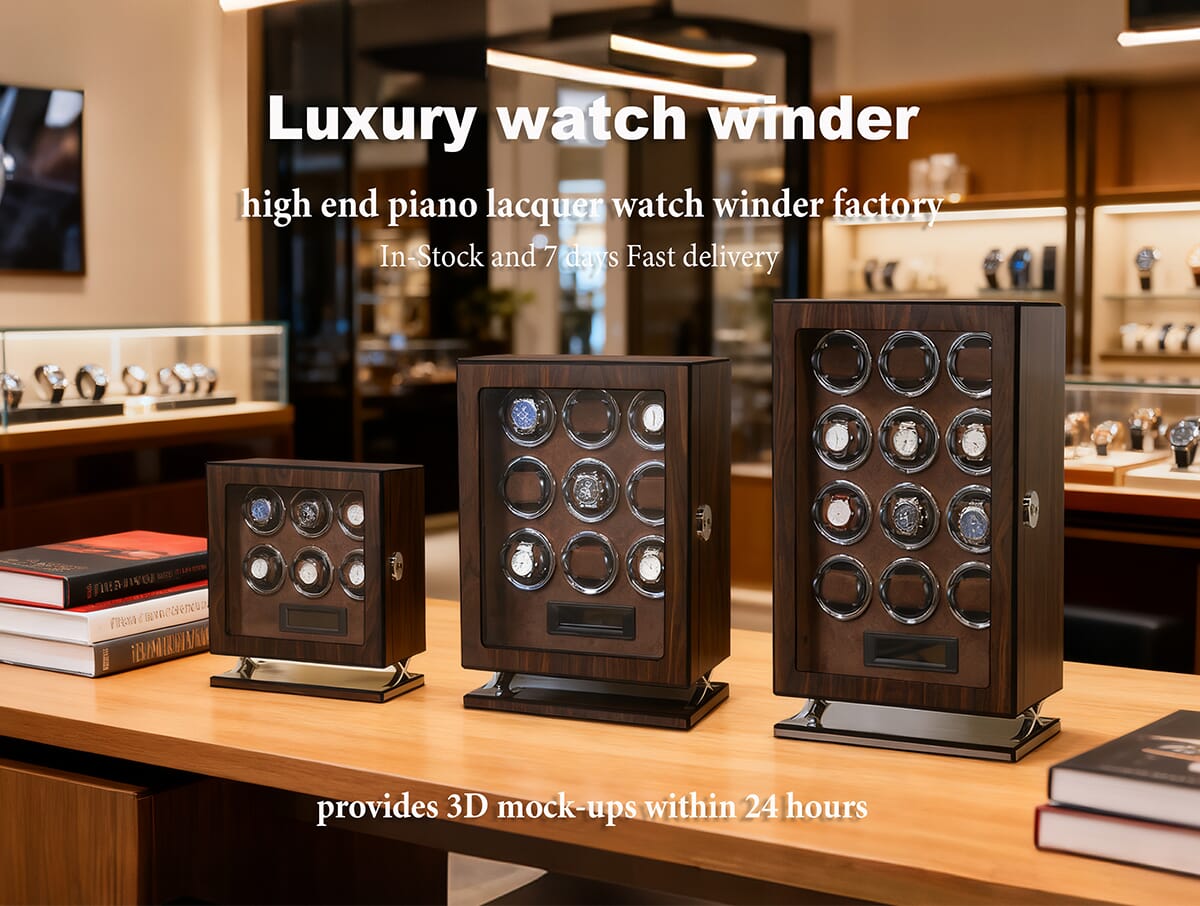
Storage Compartment: Some high-end models come with additional compartments to store extra watches, which is ideal for collectors with multiple pieces.
Can I Use a Watch Winder for Any Watch?
While most automatic watches are compatible with watch winders, it’s important to check your watch’s specifications. Some watches require specific rotation directions, so you’ll want to ensure the winder can accommodate those settings.
How to Ensure Proper Use with a Watch Winder:
Consult Your Watch’s Manual:
The first step is always to check the manufacturer’s recommendations. Most luxury watch brands provide guidelines on whether or not their watches are compatible with watch winders, and if so, they may specify the correct number of turns per day and direction of rotation.Select the Right Winder:
Invest in a high-quality watch winder with adjustable settings. Choose a winder that allows you to control the number of turns per day and the direction of rotation. Some premium models even let you fine-tune these settings for each individual watch.Ensure Secure Fit:
Make sure your watch fits snugly in the winder’s holder. Some winders come with adjustable pillows or holders to fit a variety of watch sizes, so double-check the fit before starting the winding process.Use with Caution for Vintage or Delicate Watches:
If you have a vintage or delicate automatic watch, it’s worth proceeding with caution. Some collectors prefer to hand-wind vintage watches rather than risk putting them in a winder. If you choose to use a winder for these watches, be sure to select a model with gentle, precise movements.
How Long Should I Keep My Watch on a Winder?
A watch winder is a fantastic tool for keeping automatic watches ticking when they aren’t being worn regularly, but the question of how long to keep a watch on a winder depends on several factors, including the type of watch, the winding requirements, and the purpose of using the winder in the first place. Understanding the balance between proper use and over-winding is key to maintaining the longevity of your timepiece.
Conclusion
A watch winder is a useful tool for any automatic watch owner, offering convenience and protection. By understanding how they work and which one is right for your needs, you can ensure that your timepieces stay in top condition for years to come.