How We Tested & Ranked the Best Watch Winders
Choosing the best watch winder isn’t just about looks — performance and reliability matter most. Our testing process focused on real-world use with popular automatic watches like Rolex, Omega, and the iconic Submariner. Here’s how we put each watch winder through its paces.
Testing Protocol
- Noise Level Measurement: Using a dB meter, we recorded the sound output of each winder in a quiet room, ensuring we only recommend models that operate smoothly and silently. Quiet watch winders typically register under 10 dB, ideal for bedroom or office use.
- Long-Term Watch Performance: We continuously tested the winders with authentic automatic watches, including Rolex and Omega models, to evaluate how accurately they maintain the watches’ power reserve and avoid overwinding. This real-life testing guarantees compatibility with high-end timepieces.
- Turns Per Day (TPD) Accuracy: Precise rotation is critical. We verified whether the winders meet their advertised TPD settings and correct rotation directions. This is important because different brands require specific TPD ranges for optimal winding without damage.
Key Buying Factors Ranked by Importance
When ranking winders, we focused on what truly matters to collectors and watch enthusiasts:
- Motor Quality: Silent Japanese Mabuchi motors topped our list for their durability and near-silent operation, outperforming generic Chinese motors.
- TPD & Rotation Settings: Flexibility to program various turns per day and rotation directions for different watch brands.
- Build Quality & Materials: Carbon fiber, high-grade wood, and piano black finishes not only look premium but ensure long-lasting durability.
- Noise Level: Ultra-quiet operation (<10 dB) is a must for everyday use without distraction.
- Capacity & Storage: Number of watch slots and extra storage drawers for accessories.
- Power Options: Reliable power sources, including AC, battery, and USB-C.
- Safety Features: Over-wind protection, soft PU pillows, and security elements like fingerprint locks to safeguard your investment.
This tested and transparent approach helped us rank the best watch winders of 2026—models that combine solid engineering with smart features. Next, we’ll dive into our top 10 picks to help you find the perfect match for your collection.
Top 10 Best Watch Winders in 2026 (Ranked)

Here’s our ranked list of the best watch winders you can buy in 2026, covering all budgets and needs.
Best Overall → Twing-pak 8+0 Luxury Watch Winder
Features a silent Japanese motor, adjustable turns per day (TPD) for each slot, and comes in sleek carbon fiber or piano black finishes. Perfect for serious collectors who want quiet, precise winding.Best for 6 Watches → Twing-pak 6-Slot Watch Winder with Storage Drawers
Great for medium collections, this model combines storage drawers with reliable winding tech. Ideal if you need extra space for straps or accessories.Best Luxury Pick Watch Winder (US$800+)
Top-tier materials and craftsmanship, usually with premium Japanese motors, touchscreen controls, and elegant design. These high-end winders are made for luxury watch collectors who want the best.
Best Mid-Range (US$350–$650)
Solid performance Japanese motor winders with multiple TPD settings and quality cases. These balance price and features well for most enthusiasts.
Best Budget Under US$250
Affordable winders with basic functions, good enough for casual use and smaller collections. Usually less customizable but safe for automatic watches.
Best for Rolex Owners
Winders designed with Rolex’s ideal TPD and rotation direction in mind, ensuring your Submariner, Datejust, or GMT stays perfectly wound without wear.
Quietest Watch Winder (<10 dB)
Models that run near silent, ideal if noise is a concern—great for bedrooms or offices. You’ll barely hear these running.
Best Design / Display Case Combo
Watch winders built with aesthetics in mind, doubling as display cases with glass tops and polished finishes. Ideal if you want to show off your collection while keeping it wound.
Best Compact / Travel-Friendly
Small, portable winders powered by batteries or USB-C. Perfect for travel or limited space without compromising on winding quality.
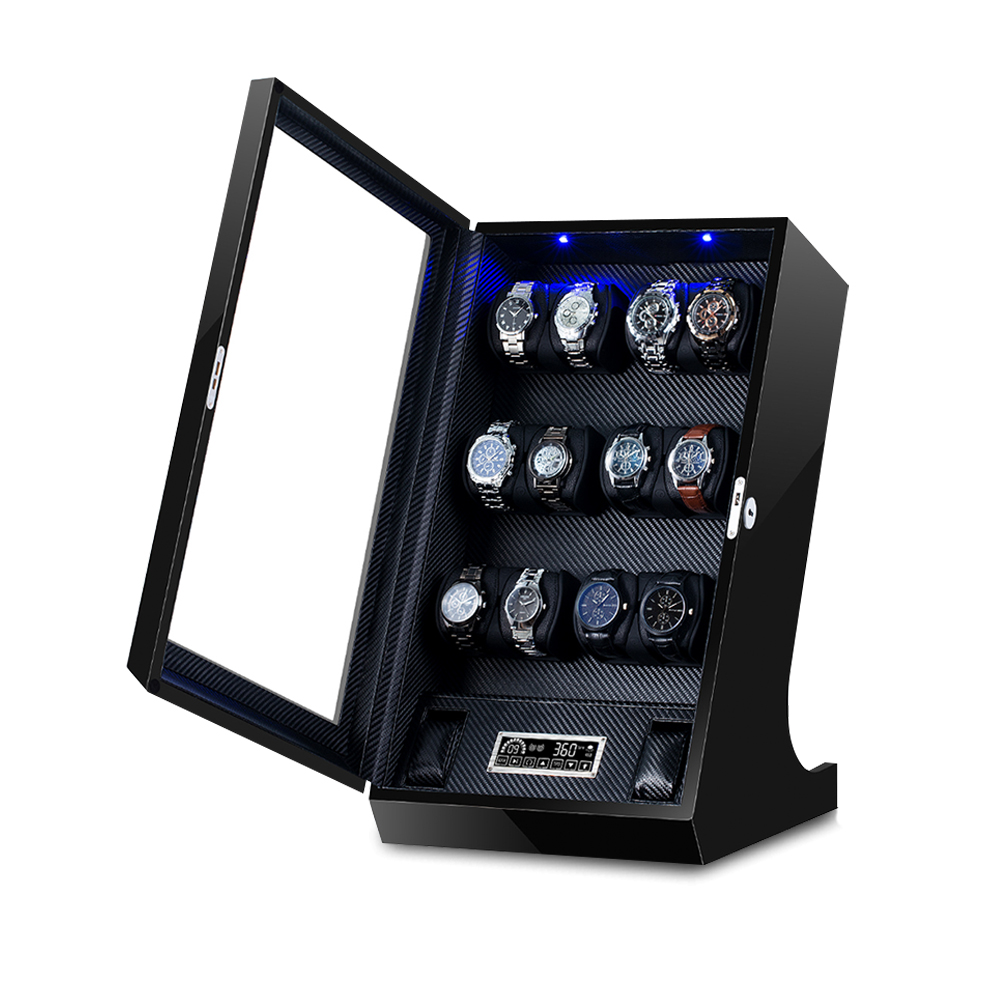
Best Large Collection (12+ Watches)
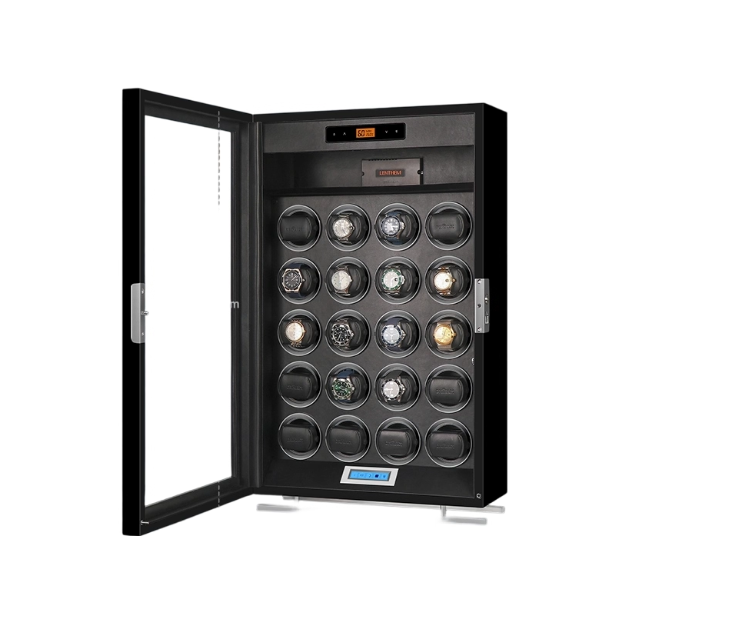
Heavy-duty winders that handle 12 or more watches simultaneously, with multiple motors and adjustable settings. A must-have for large collectors needing reliable, all-in-one storage and winding.
This lineup covers every kind of watch lover—from the casual wearer to the serious collector—helping you find a recommended watch winder that fits your collection and lifestyle perfectly.
Watch Winder Buying Guide – Everything You Need to Know Before Buying
Do You Actually Need a Watch Winder in 2026?
If you own one or more automatic watches and don’t wear them daily, a watch winder is a solid investment. It keeps your watch running smoothly, prevents lubricants inside from drying out, and saves you from resetting the time and date. That said, if you wear your watch every day, a winder isn’t essential.
How Many Slots Do Most Collectors Need?
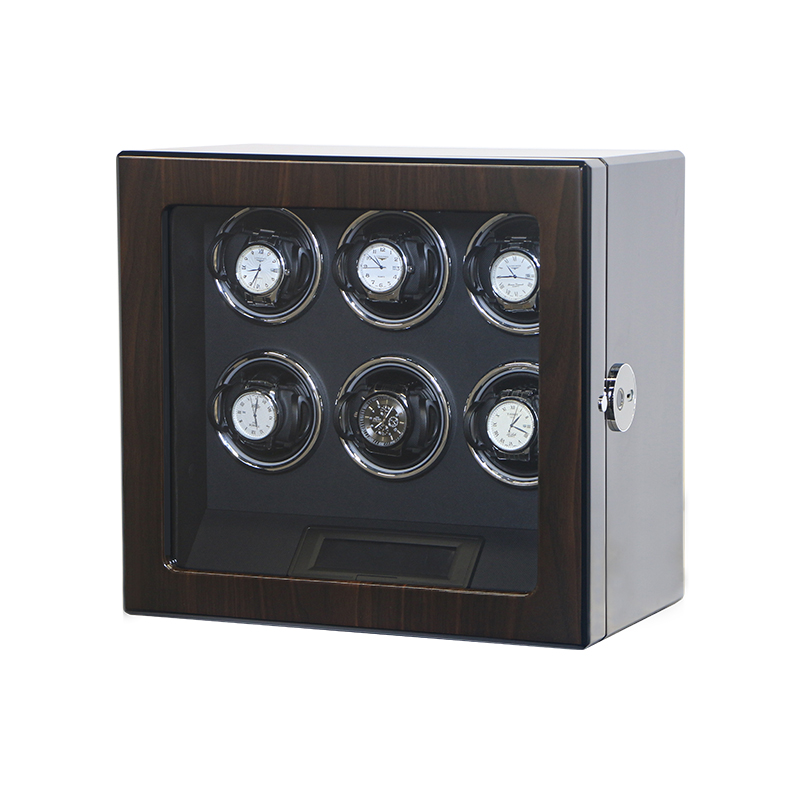
Most collectors have between 2 and 6 watches. According to recent data, a watch winder for 6 watches hits the sweet spot—big enough for a small collection but not too bulky. If you have more watches, consider a larger winder with 8+ or even 12+ slots.
Japanese Mabuchi vs Cheap Chinese Motors – Why It Matters
Quiet and reliable motors make a huge difference. Japanese Mabuchi motors are top-rated for smoothness, longevity, and noise levels. Cheap Chinese motors often sound louder, wear out faster, and can risk watch damage. Going Japanese means fewer headaches and better watch care.
Ideal TPD & Rotation Directions for Popular Brands
TPD (turns per day) and rotation direction aren’t one-size-fits-all:
- Rolex: 650-900 TPD, bidirectional rotation
- Omega: Around 650 TPD, mostly clockwise
- Tag Heuer: 600-800 TPD, bidirectional
- Breitling: 750-1000 TPD, mostly clockwise
A quality winder will let you customize these easily.
Noise Levels Explained (With dB Chart)
Quietness is key, especially if your winder sits in a bedroom or office. Here’s a quick dB guide:
- Whisper quiet: ~10 dB (similar to rustling leaves)
- Quiet: 20-30 dB (soft background noise)
- Loud: 40+dB (normal conversation or louder)
Look for winders with noise under 30 dB if silence matters.
AC vs Battery vs USB-C Power Options
Power choice depends on use and location:
- AC adapters: Reliable for home use, no battery swaps
- Battery-powered: Portable, good for travel but need regular replacement
- USB-C: Convenient and modern, works with power banks or laptops
Choose what fits your routine and watch display setup.
Wood vs Carbon Fiber vs Acrylic – Durability & Aesthetics
The case material affects looks and durability:
- Wooden watch winder box: Classic, elegant, and sturdy but heavier
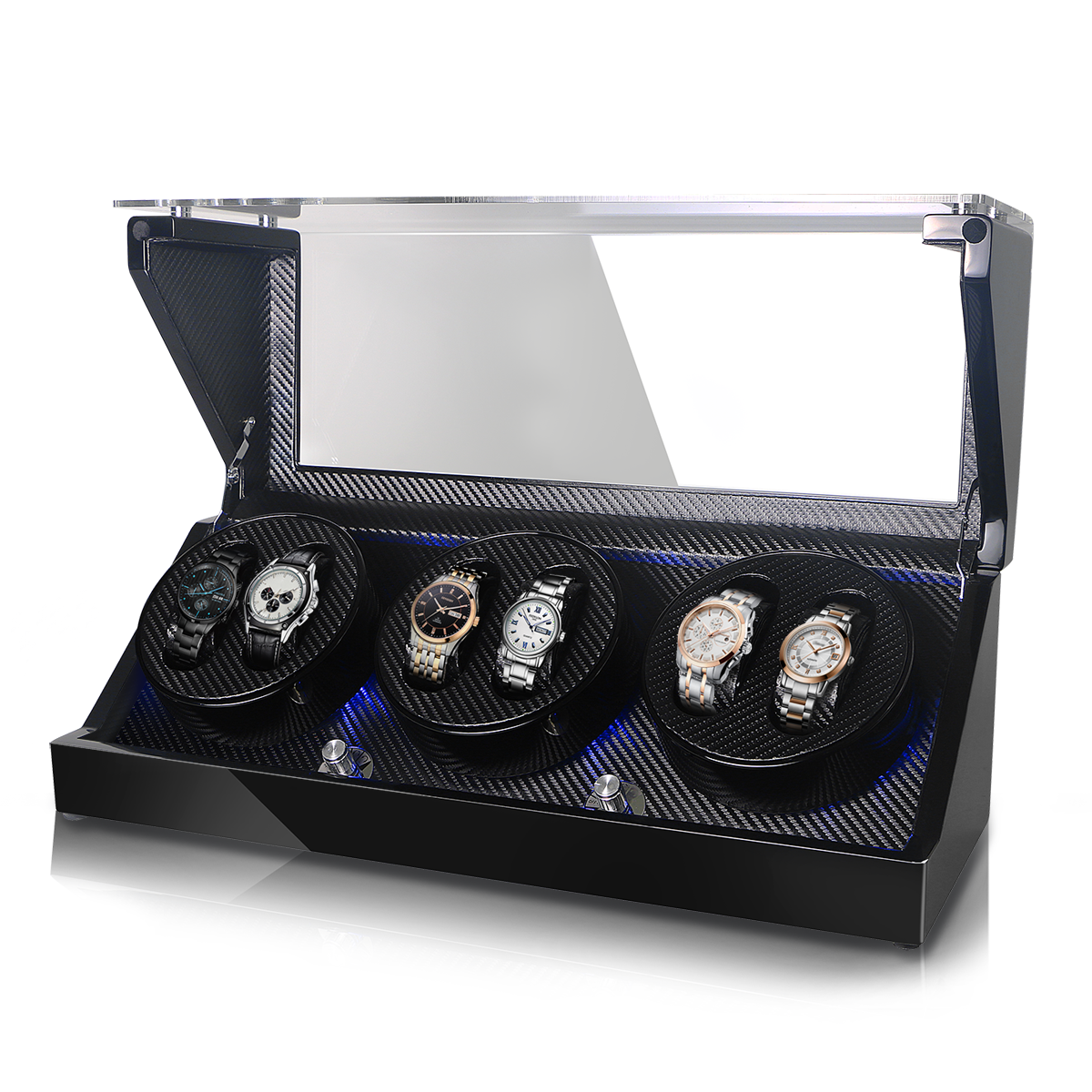
- Carbon fiber cases: Sleek, modern, and scratch-resistant
- Acrylic boxes: Affordable and clear display but prone to scratches
Pick based on your style and where you’ll place your winder.
Safety Features to Look For
Protect your watches with these must-have features:
- Over-wind protection: Stops unnecessary rotation to avoid damage
- Fingerprint lock watch winder: Adds security and keeps dust out
- Soft PU pillows: Prevent scratches and hold watches firmly
Safety features are worth the extra cost for peace of mind and watch care.
This guide should make your watch winder shopping straightforward, helping you pick a model that fits your collection, style, and everyday needs perfectly.
Common Watch Winder Myths Debunked
There’s a lot of confusion around watch winders, so let’s clear things up.
Myth 1: Watch winders will damage your automatic watch.
Not true. Quality watch winders with proper TPD (turns per day) settings mimic natural wrist movement, keeping your watch running smoothly without overwinding.
Myth 2: You don’t need a watch winder if you wear your watches often.
If you rotate watches daily, a winder might be unnecessary. But for collectors with multiple watches, winders save time resetting and ensure watches stay accurate.
Myth 3: All winders are noisy and annoying.
This was true years ago, but now the best watch winders use silent Japanese motors, running below 10 dB—so they won’t disturb you, even in a quiet room.
Myth 4: Battery-powered winders drain batteries quickly.
Modern watch winders often use USB-C or AC power options, and batteries are usually for backup. Plus, smart power-saving features extend battery life.
Myth 5: Cheap winders are just as good as luxury ones.
Cheap winders might save money upfront, but they often use low-quality motors that wear out fast, produce noise, and risk inconsistent winding.
Understanding these myths helps you pick the right watch winder, keeping your automatic watches safe and ready to wear anytime.
How to Set Up Your New Watch Winder (Step-by-Step + Video)
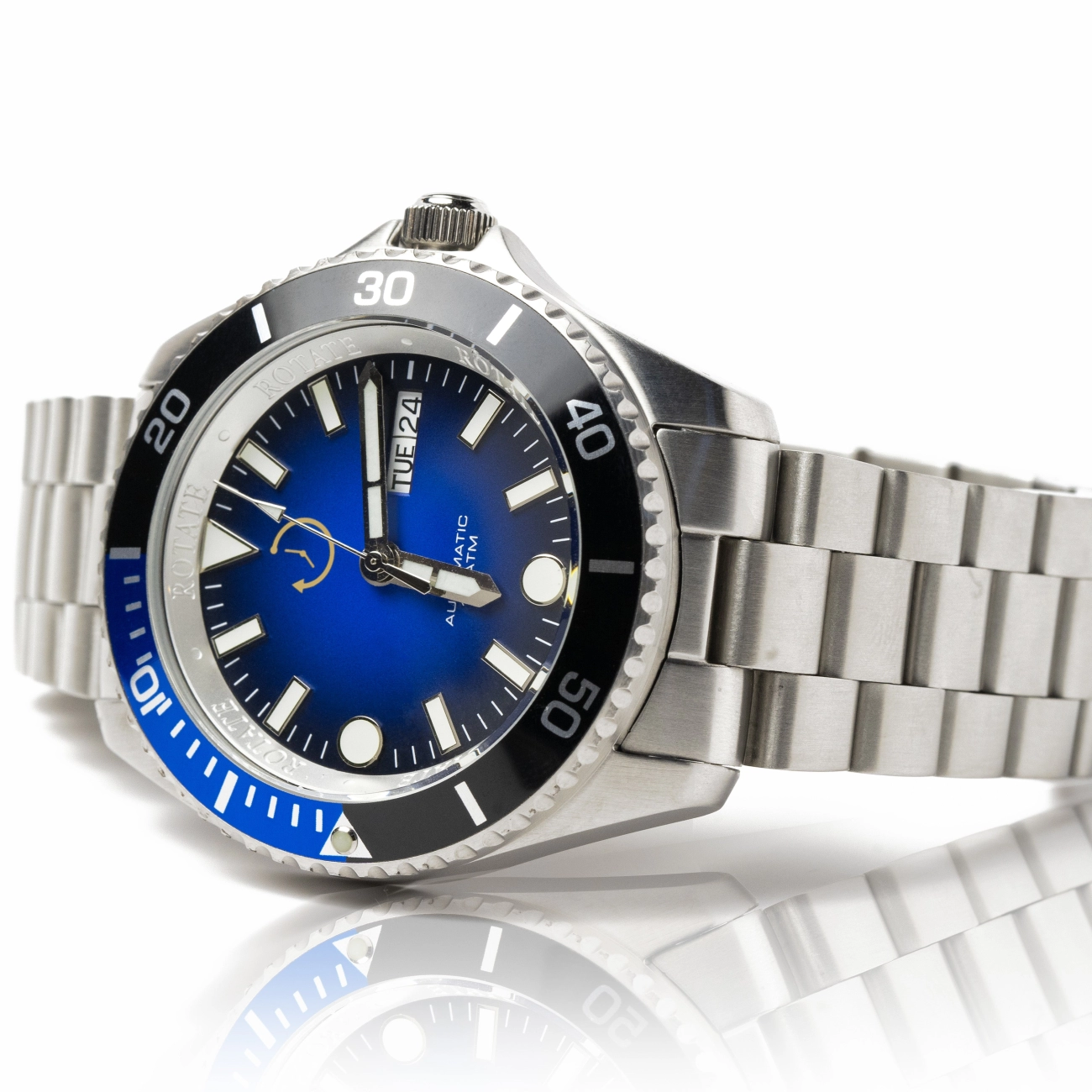
Setting up your new watch winder is straightforward. Here’s a quick step-by-step to get you started without any hassle:
Unbox Carefully
Remove your watch winder from the packaging. Check for all included parts—power adapter, instruction manual, and any extra pillows or cushions.
Place on a Stable Surface
Find a flat, stable spot away from direct sunlight and strong magnetic fields. This helps protect your watch and keeps the winder running smoothly.
Install the Watch on the Pillow
Gently wrap your automatic watch around the soft PU pillow or cushion. Make sure it’s snug but not too tight to avoid strain.
Insert the Pillow into the Winder Slot
Slide or click the pillow into the designated slot. Confirm it’s secure and won’t pop out during rotation.
Set Rotation Direction & Turns Per Day (TPD)
Check your watch’s manual or use our guide on ideal TPD and rotation settings—most Rolex models, for example, need clockwise turns around 650-900 TPD. Input these settings using the winder’s control dial or touchscreen.
Power On the Winder
Connect the power adapter or insert batteries, then turn on the winder. Listen for smooth, quiet motor operation—should be almost silent if you picked a good model.
Let It Run and Check
Let the winder run for a few hours, then check your watch to ensure it’s keeping accurate time and fully wound.
Helpful Video Guide
For a clearer walkthrough, check out this easy step-by-step video on setting up your watch winder right:
Embed video here
Following these simple steps will keep your automatic watches ready to wear and in perfect working order every day.
Watch Winder Maintenance & Longevity Tips
Keeping your watch winder in good shape is key to protecting your investment and ensuring it runs smoothly for years. Here are simple tips to maintain your watch winder:
- Regular Cleaning: Wipe the exterior and interior with a soft, dry cloth to remove dust and fingerprints. Avoid harsh chemicals that can damage wood, carbon fiber, or acrylic finishes.
- Check Motor Noise: Listen for unusual sounds. Quiet watch winders typically run under 10 dB; if yours gets louder, it may need servicing or lubrication.
- Avoid Overloading: Only put the recommended number of watches in your multi-slot winders. Overloading can stress motors, reducing their lifespan.
- Power Source Care: For battery-powered or USB-C models, replace batteries or check power cords regularly to keep power steady and avoid interruptions.
- Soft Pillow Use: Always secure watches on soft PU pillows or cushions provided to prevent scratches and keep the watch stable during rotation.
- Keep in a Safe Spot: Place the winder away from direct sunlight, moisture, and extreme temperatures to protect both the motor and your watches.
- Annual Inspection: Consider a quick check-up or service once a year, especially if you use a luxury watch winder with complex features like fingerprint locks or multiple TPD settings.
Following these maintenance tips will help your watch winder last longer and keep your automatic watches running perfectly.
Frequently Asked Questions about Watch Winders
Are cheap Amazon winders safe?
Cheap watch winders from Amazon can be hit or miss. Some use low-quality motors and materials that might run too fast, too slow, or unevenly, risking your watch’s accuracy or even causing wear over time. Stick to reputable brands with proven Japanese motors if you want reliable and safe performance.
Can a winder damage my watch?
A good watch winder won’t damage your automatic watch if it has the right TPD (turns per day) settings and rotation directions. Overwinding or incorrect rotation may cause wear, but most quality winders include over-wind protection and customizable settings to avoid this risk.
What is the quietest watch winder available?
The quietest watch winders on the market use Japanese Mabuchi motors running at less than 10 dB—practically whisper quiet. For example, the Twing-pak 8+0 Luxury Watch Winder is known for near-silent operation, making it perfect for bedrooms or offices.
Single vs multi-motor design – which is better?
Multi-motor winders offer individual control for each watch slot, allowing custom TPD and rotation per watch. Single motor designs rotate all watches simultaneously, which can be less flexible and noisier. Multi-motor models are generally better for serious collectors.
Is a 5-year warranty worth it?
Absolutely. A 5-year warranty shows confidence from the manufacturer and covers motor or electrical issues that can pop up over time. It’s especially valuable with pricier luxury watch winders since repairs can be costly without coverage.