Ask three different suppliers to explain the difference between OEM and ODM, and you’ll likely get three different answers — because both terms get used loosely across the sourcing world. Get this choice wrong and you’ll either overpay for customization you didn’t need, or launch a product that looks exactly like three of your competitors’ because you didn’t know you were buying a shared design. Here’s the distinction that actually matters, how the two production processes really differ day by day, and how to pick the right path for where your brand is today.
The Real Difference, in One Sentence Each
OEM (Original Equipment Manufacturer): the factory builds your product to your design — your structure, your dimensions, your motor configuration, your finish choices — from the ground up. You own the design; the factory owns the production capability.
ODM (Original Design Manufacturer): the factory already has a base design — a proven winder structure, tested and in production — and you customize it with branding, finish, lining, and minor structural tweaks. You’re buying into an existing design library rather than starting from a blank page.
What Each Model Actually Costs You
ODM is almost always faster and cheaper to launch. There’s no new structural tooling, no first-time engineering validation on a motor configuration nobody has tested before — you’re customizing something the factory has already proven works. That’s why most new brands entering the category start here: it gets a real, sellable product to market in weeks rather than months, at a lower minimum investment.
OEM costs more upfront because you’re paying for original structural design, first-run tooling, and full engineering validation on a configuration that’s never existed before. What you get in return is a product nobody else can source — no risk of a competitor finding the same design on the same factory’s ODM catalog next year.
How the Two Processes Actually Run, Step by Step
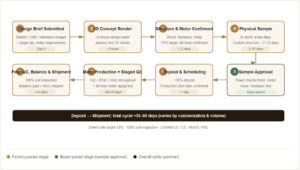
The cost and speed difference between OEM and ODM isn’t theoretical — it comes directly from which stages each process has to run through. Here’s our own production sequence for both, side by side.
ODM — Base Design Customization
OEM — Fully Custom Build
Where Buyers Get This Wrong
The most common mistake is assuming “customized” automatically means OEM. A factory can apply your logo, change the lining color, and swap the exterior lacquer tone on a base design and still call it “fully customized” — technically true, structurally still ODM. If design exclusivity matters to your brand, ask directly: is this structure available to other buyers, or was it built specifically for us? A factory should answer this without hesitation either way.
The second most common mistake is choosing full OEM for a first order before there’s sales data to justify it. Committing to custom tooling and structural engineering before you know whether the category sells for your brand is a real financial risk — one that a phased approach avoids entirely.
The Phased Approach Most Successful Brands Actually Use
Start with an ODM base configuration, customized with your branding, your finish tier, and your motor spec (Japanese Mabuchi-class, typically adjustable 300–2,200 TPD, under 10dB). Test it in market with a realistic first order — commonly around 100 units for a customized run. Once you have real sell-through data, move the winning configuration to a fully custom OEM structure for your next production cycle, when the investment is justified by proven demand rather than a guess.
| ODM | OEM | |
|---|---|---|
| Design origin | Factory’s existing base design | Your original structure |
| Speed to market | Faster — no new tooling | Slower — full engineering cycle |
| Upfront cost | Lower | Higher (tooling + design) |
| Design exclusivity | Shared design pool | Exclusive to your brand |
| Quality control | Same staged QC process | Same staged QC process |
| Best fit | First order, market testing | Proven demand, differentiation-led brands |
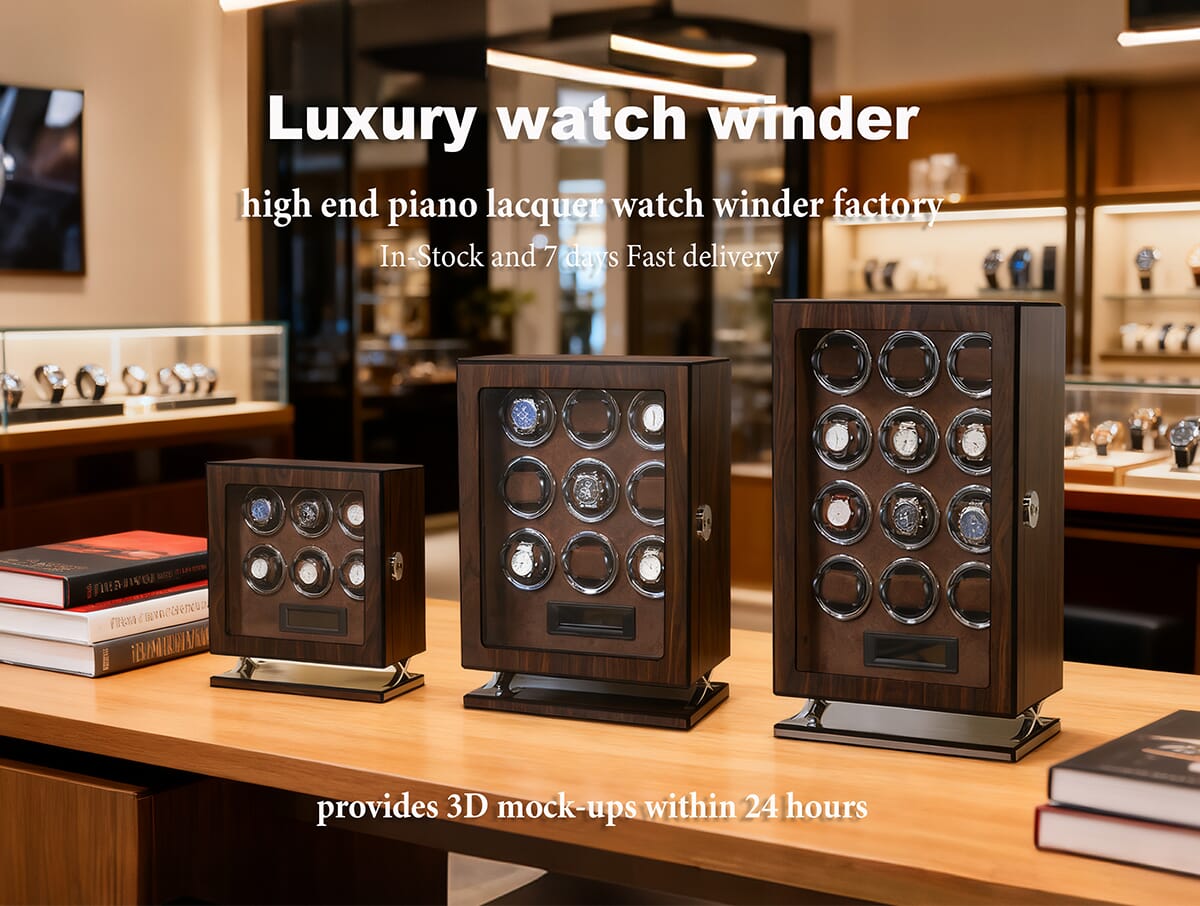
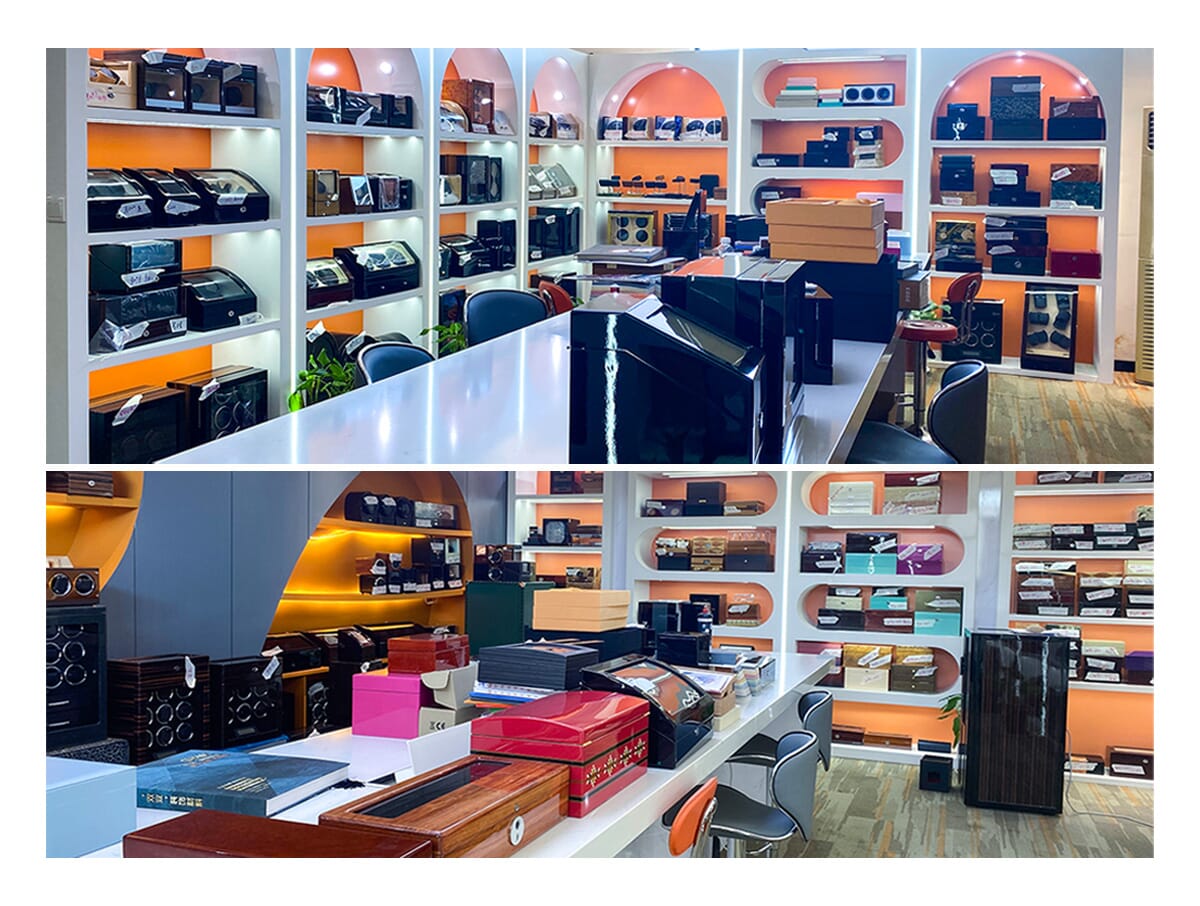
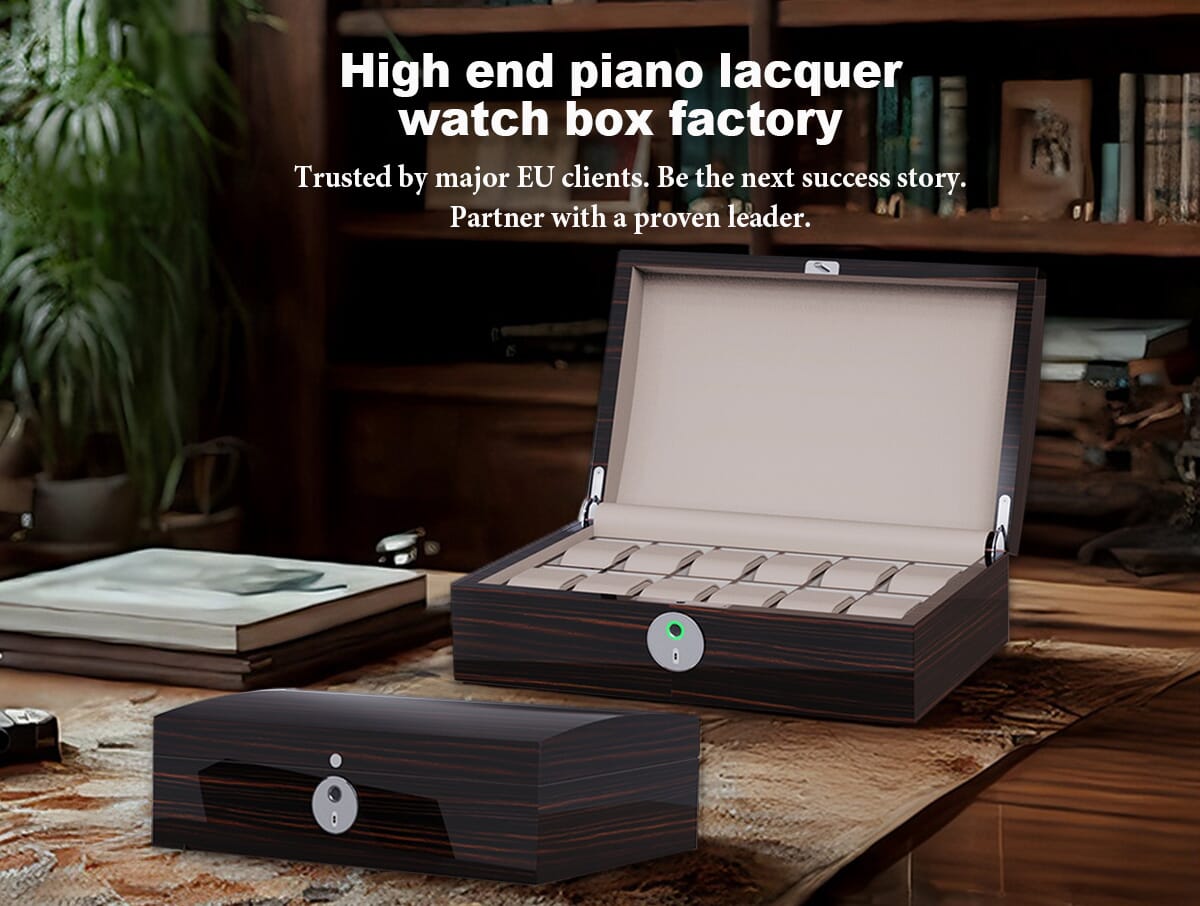
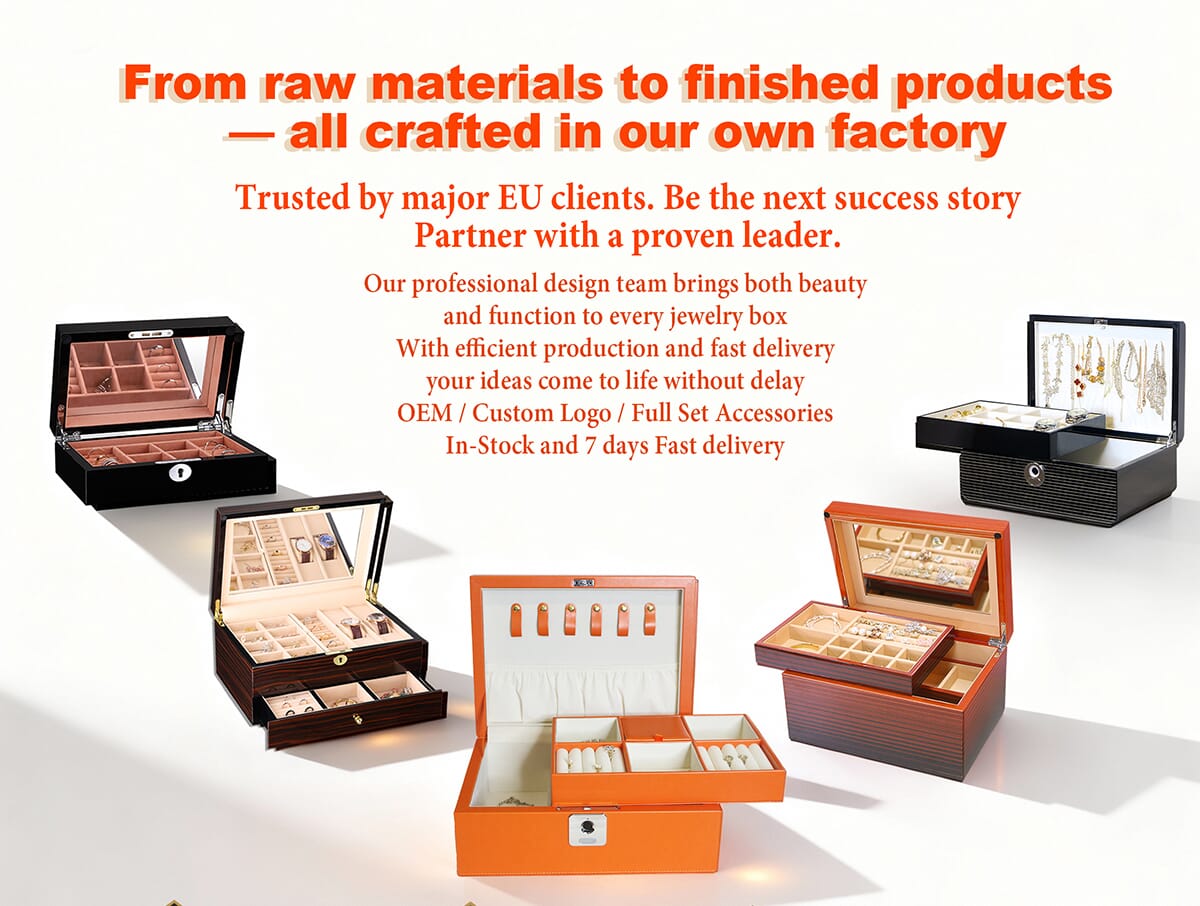
We run both models at T.WING-PAK, and the honest answer to “which one should I pick” almost always depends on where your brand is right now, not on which one sounds more impressive on a pitch deck. You can browse existing configurations across our watch winder product range to see what a strong ODM starting point looks like, or review our manufacturing capabilities page for what a fully custom OEM build involves from structural design onward.
Not Sure Which Model Fits Your Launch?
Tell us your target order size and what you’re trying to differentiate on — price, design, or brand story — and we’ll tell you plainly whether ODM or OEM makes more sense for where you are right now. We’d rather steer you to the cheaper path if that’s genuinely the right call.