
19 Years of Luxury Watch Winder & Wood Packaging Solutions
A B2B buyer’s guide to judging piano-lacquer finish quality, coat count, and durability when sourcing watch boxes and luxury wood packaging.
Piano lacquer is the finish that makes a wooden box look like a luxury object rather than a craft item — the same deep, mirror-like surface used on grand pianos. But not all piano-lacquer boxes are equal, and the difference comes down to coat count and process. This guide explains how to judge finish quality when sourcing, so you order a box that still looks new in two years instead of one that dulls in months.
What piano lacquer actually is
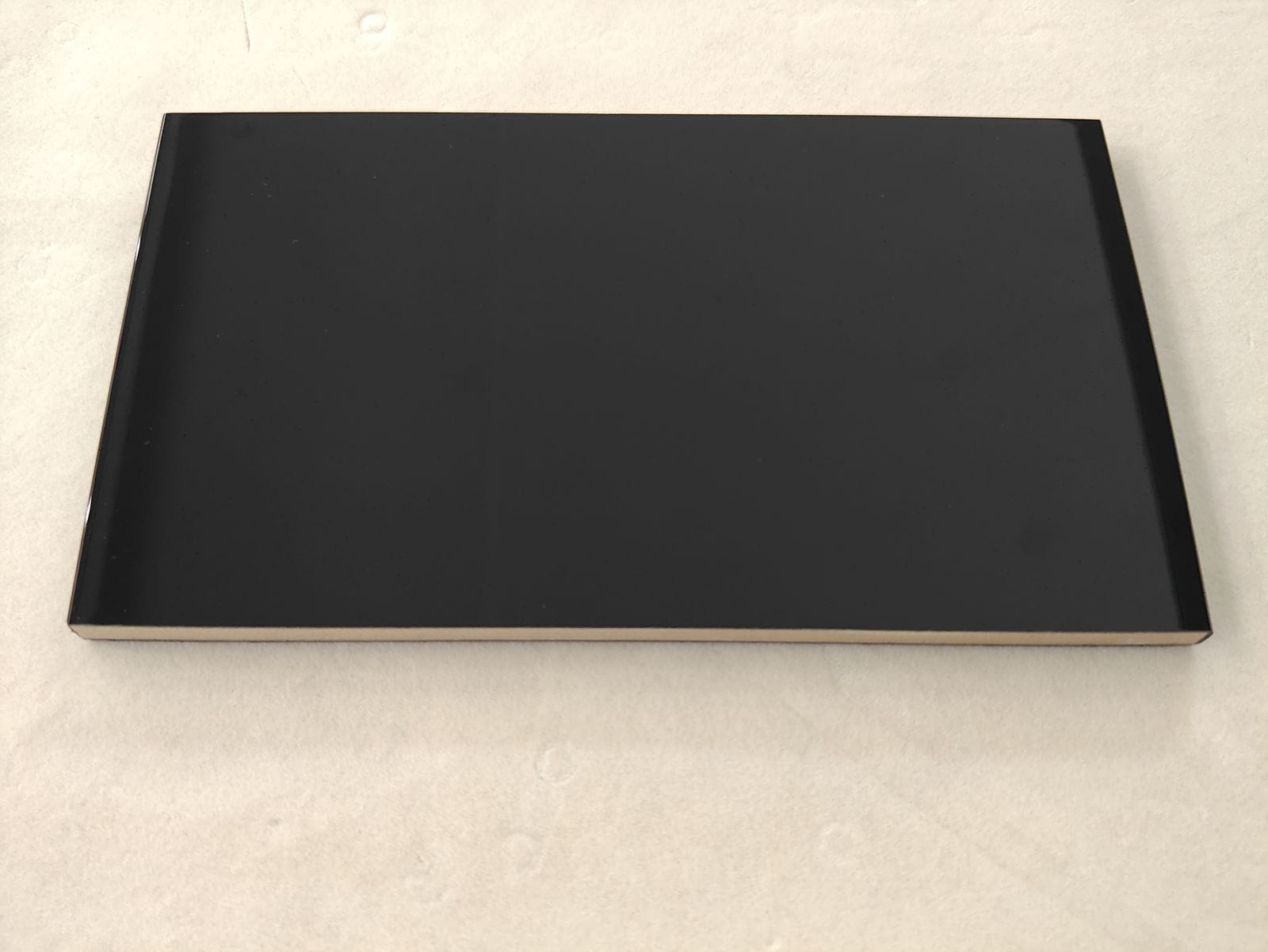
Piano lacquer is a multi-layer finish built by spraying, curing, and polishing successive coats of lacquer until the surface is deep, hard, and reflective. Each coat is thin; the depth and durability come from stacking many of them and polishing between layers. The result is a finish with visible depth — you seem to look into it, not just at it — and a hardness that resists the small scuffs of shipping and retail handling. It is labour-intensive and slow, which is exactly why coat count varies so much between factories.
Coat count is the number that matters
The single most useful question you can ask a supplier is how many lacquer coats they apply. Budget factories typically build 3–5 coats, which can look glossy on day one but is thinner, softer, and more prone to dulling, hairline cracks, and scuffing. A luxury process applies 12–13 coats, producing a deeper finish that holds its gloss for two to three years and resists everyday abrasion. The extra coats mean more labour and more drying time, so they cost more — which is why they are the first thing budget suppliers quietly cut.
How to judge finish quality from a sample
You cannot count coats by eye, but you can read the finish. When you receive a sample, run these checks under strong, raking light:
- Depth: a quality piano finish looks like you can see into it; a thin finish looks like paint sitting on the surface.
- Orange peel: a slightly rippled, orange-skin texture in the reflection signals too few coats or rushed polishing.
- Dust nibs: tiny bumps trapped in the lacquer indicate a poorly controlled spray environment.
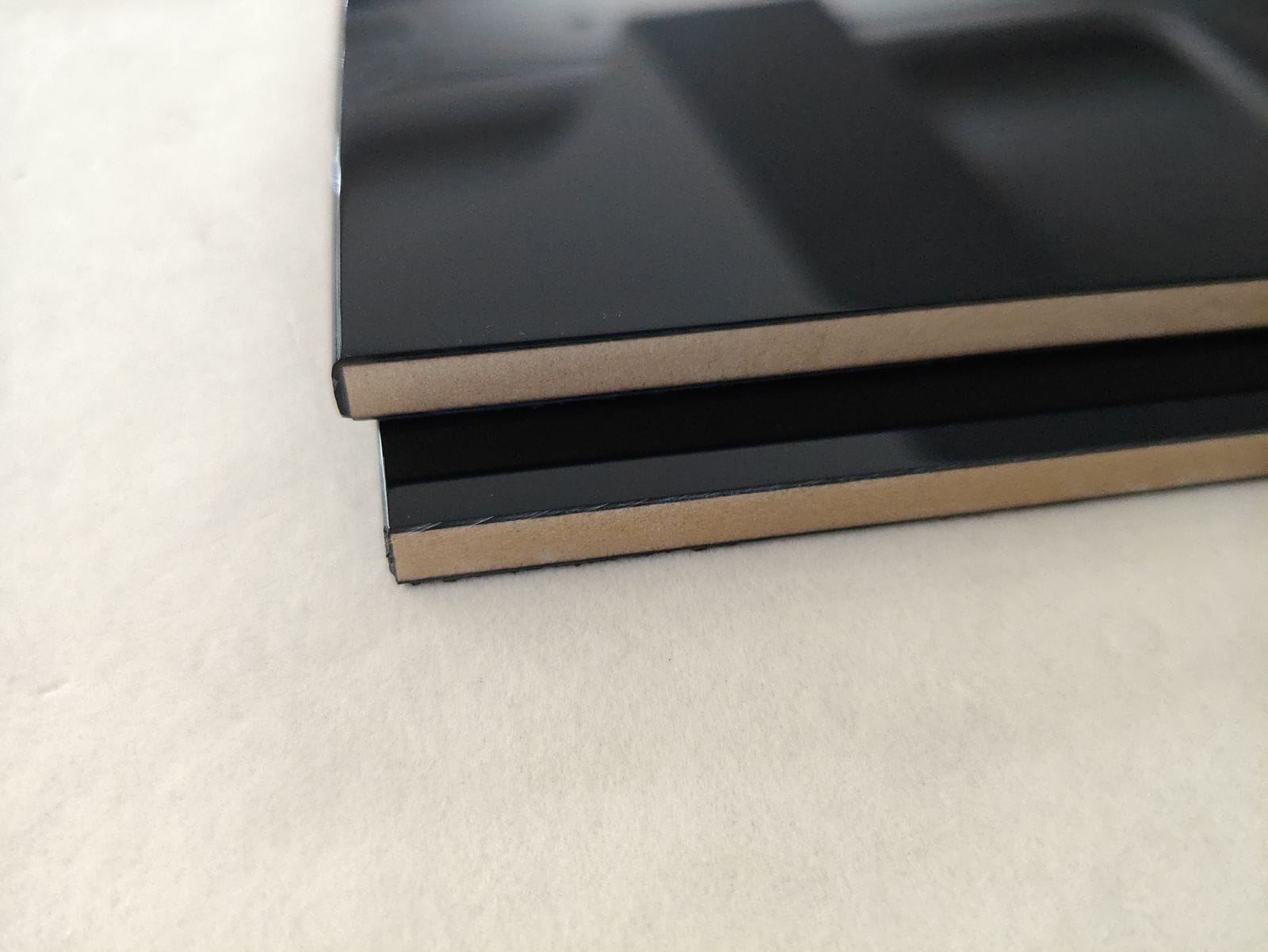
- Edge and corner coverage: thin, dull, or chipped edges reveal where coats were skimped.
- Reflection clarity: a crisp, undistorted reflection means a well-built, well-polished surface.
Durability: why coat count is a commercial decision
Finish quality is not cosmetic vanity; it is a commercial risk. A box that dulls or micro-cracks within a year looks tired next to the watch it holds, undermining perceived quality at the point of purchase and inviting returns. For a brand where the box is part of the value proposition, a finish that stays glossy for two to three years protects both the product and the brand impression. Treat coat count as a specification, not a preference, and write it into your quality agreement.
How the piano-lacquer process is built, coat by coat
Understanding the process makes it easier to judge the result. A piano-lacquer finish begins with sealing and sanding the raw wood or substrate so the surface is perfectly smooth, because any imperfection underneath telegraphs through every coat above it. Lacquer is then sprayed in thin, even layers, each allowed to cure before the next, with sanding between coats to keep the build level. After the final coats, the surface is polished progressively finer until it reaches a mirror gloss. The depth you see in a good piano finish is literally the stacked, polished layers; the hardness is the cumulative cured lacquer.
This is why coat count and process discipline are inseparable. Rushing the cure, skipping inter-coat sanding, or spraying in a dusty environment produces the orange peel and nibs that mark a cheap finish, regardless of how many coats are claimed. A factory that controls its spray environment, cure times, and polishing is what turns 12-13 coats into a finish that lasts, rather than a thick coat that still looks rough. When you evaluate a supplier, ask not only how many coats but how they control the environment and curing between them.
What to specify in your order
| Specification | What to state | Why |
|---|---|---|
| Coat count | e.g. 12–13 coats | Directly sets durability and depth |
| Gloss retention | Years the factory stands behind | Ties finish to a commercial promise |
| Surface defects | Max orange-peel / nibs tolerance | Keeps the run consistent with the sample |
| Edge coverage | Full coverage on edges/corners | Where budget finishes fail first |
| Inspection | Full-batch, stated defect % | Guards against batch drift |
Matching finish to your program
Not every program needs 13 coats. A promotional or high-volume line may be well served by a mid-tier finish at a lower cost, while a flagship or high-jewelry line justifies the full luxury process. The mistake is not choosing a mid-tier finish deliberately — it is paying for luxury and receiving a budget coat count because the specification was never written down. Decide the tier, specify the coat count, and verify it in the sample.
Want a piano-lacquer finish that still looks new in two years? Explore our 12-coat piano lacquer process and custom watch boxes, then request a quote with an 8-hour 3D mockup.