19 Years of Luxury Watch Winder & Wood Packaging Solutions
Best Cigar Humidor & Cabinet Manufacturers in China for Importers
A B2B shortlist of verified Chinese cigar humidor and cabinet factories, compared on Spanish cedar quality, humidity control, MOQ, and certifications.
Sourcing cigar humidors and cabinets from China comes down to one thing buyers underestimate: the wood. A humidor is only as good as its Spanish cedar lining and its seal. This guide shortlists established Chinese manufacturers across two tiers — desktop humidors and electric/climate-controlled cabinets — and the specifications that decide whether cigars actually stay at the right humidity.
Every supplier below is a real, verifiable factory with a public profile. Treat this as a starting shortlist and always request a sample plus the cedar specification before you commit.
Why Spanish cedar and seal quality decide everything
Authentic Spanish cedar (Cedrela odorata) is the industry standard lining because it regulates humidity, resists warping, and repels tobacco beetles. Cheaper humidors substitute other cedars or thin veneers that off-gas or fail to hold moisture. For a serious program, confirm the species, the plank thickness, and the moisture content of the cedar, not just that the listing says cedar.
The second decider is the seal. A desktop humidor needs a tight lid with even pressure; a cabinet needs metal hinges, a magnetic or gasket closure, and — for electric models — stable temperature and humidity control, often to within a percent or two. Ask for the humidity-hold test data, not just a photo.
How to evaluate a cigar humidor manufacturer
- Cedar authenticity: confirm Cedrela odorata, plank thickness, and moisture content.
- Humidity control: passive (Boveda-ready) vs. active electric; for cabinets, the control tolerance.
- Seal & hardware: hinge type, closure, gasket — the difference between holding humidity and losing it.
- MOQ & tier: desktop humidors run lower MOQs; electric cabinets are higher-cost, lower-MOQ units.
- Certifications: FSC for the wood, plus CE/RoHS/ETL for electric cabinets sold in the US/EU.
The shortlist: desktop humidors and cabinets
1. Guangzhou T.WING-PAK Mfg. Co., Ltd.
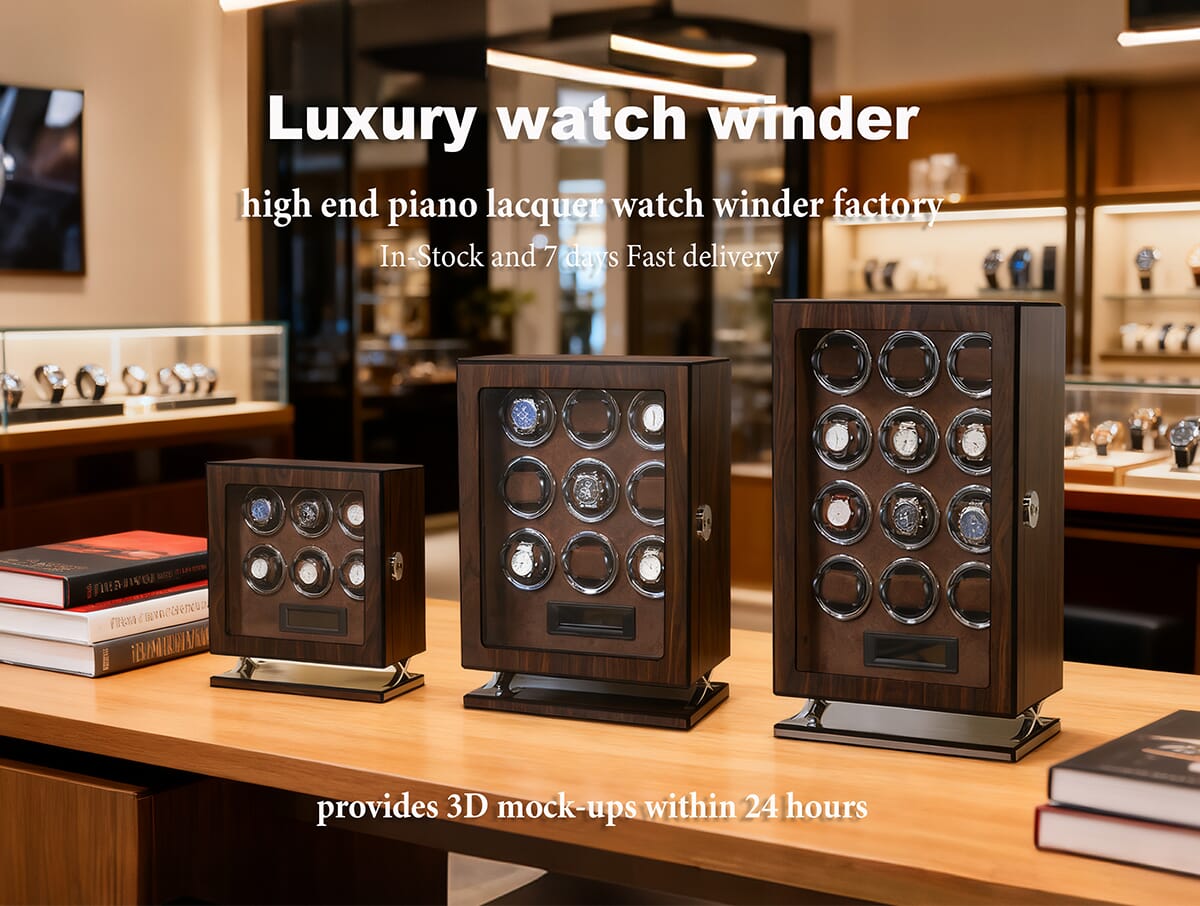
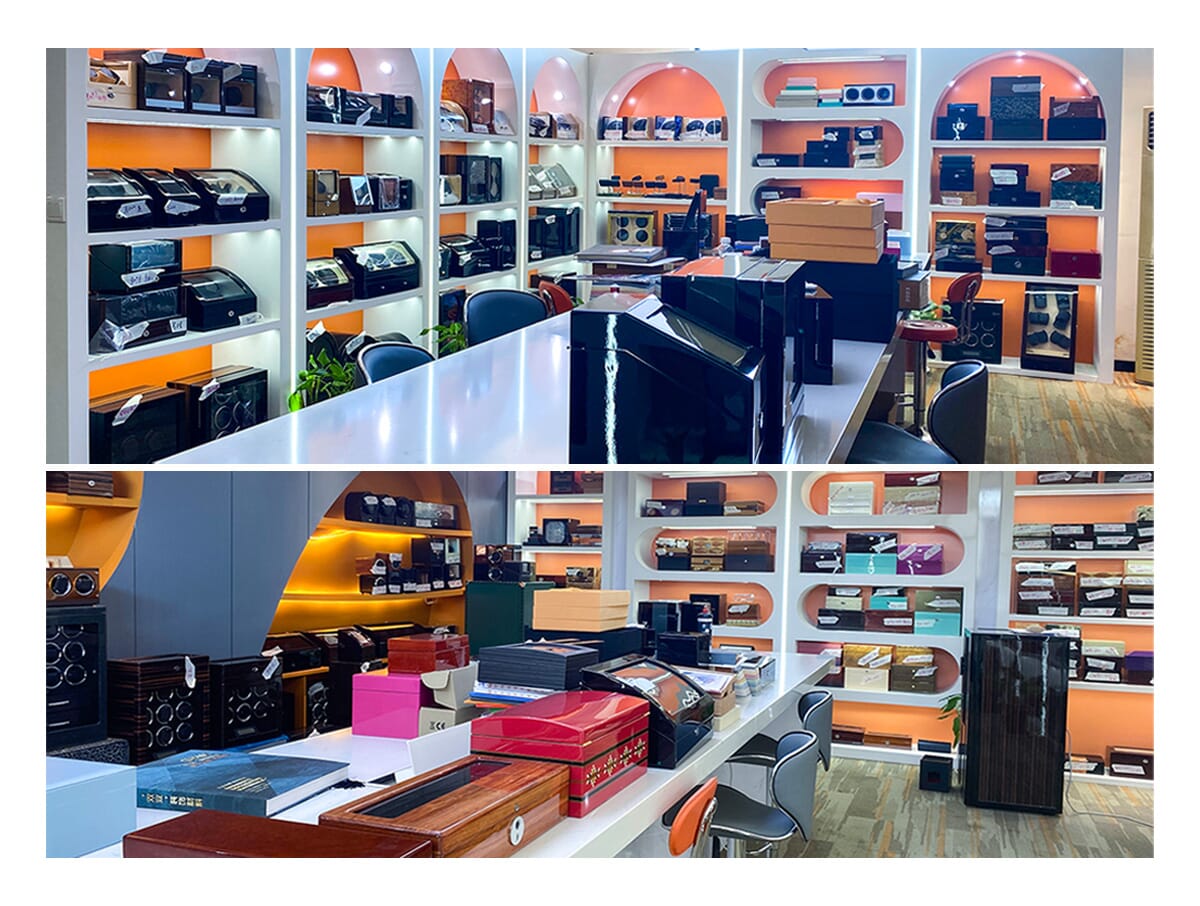
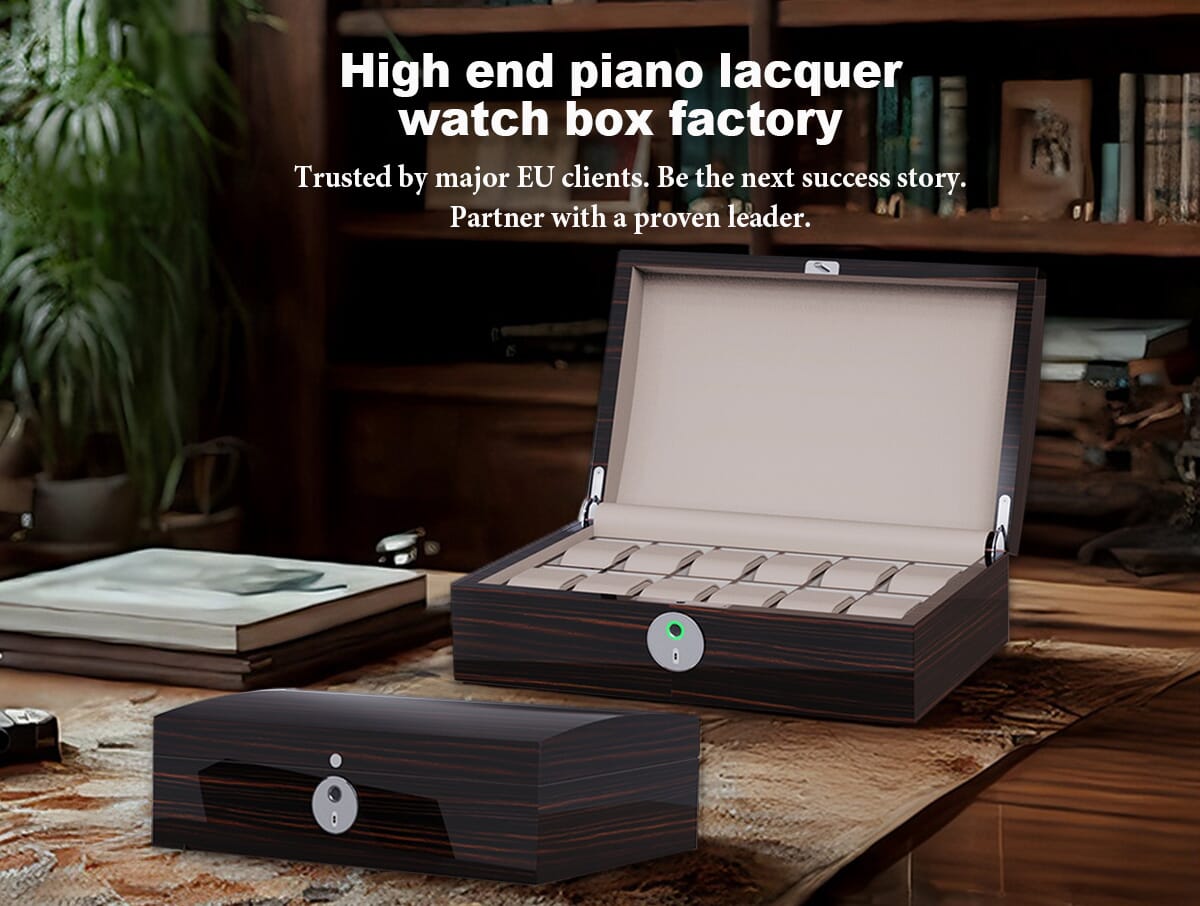
A 19-year luxury wood packaging manufacturer that lines its humidors with genuine Spanish cedar (Cedrela odorata) and finishes exteriors with a 12-coat piano lacquer process — 12–13 coats versus the 3–5 common at budget factories, so the finish stays glossy for 2–3 years. Full UL/CE/RoHS/FSC certification and a ≤2% defect rate under full-batch inspection make it a direct fit for US and EU importers. One-stop service runs from 8-hour 3D mockup through mass production and logistics, with a 35–60 day first-order lead time. Best for brands wanting luxury exterior finish plus authentic cedar interiors at flexible volume.
2. Shenzhen Raching Technology Co., Ltd.
A long-established specialist in large electric humidor cabinets with Spanish cedar interiors and constant temperature/humidity control. A strong fit for buyers whose program centers on premium electric cabinets rather than desktop units.
3. Youyuan / Prohumidor (Longhua, Shenzhen)
A dedicated cigar cabinet manufacturer working in authentic Spanish cedar with full customization of dimensions, finishes, and logo placement. Suited to buyers focused on custom luxury cabinets.
4. Creative Packing (Dongguan)
A luxury packaging manufacturer offering handcrafted humidor cabinets with internal humidification and multi-tier cedar trays, and one that also supplies Spanish cedar planks and veneers. A fit for buyers wanting humidors alongside other wood packaging.
5. Shenzhen Lonten Arts & Crafts Co., Ltd.
A crafts-oriented manufacturer with a wide range of desktop cigar humidors, including glass-top and travel formats. Suited to buyers wanting varied desktop humidor styles.
6. Zhongshan Jiufu Electric Appliances Co., Ltd.
An appliance-oriented manufacturer of compressor-based display cabinets with low-noise refrigeration and Spanish cedar interiors. A fit for buyers wanting large compressor display cabinets.
Comparison: desktop vs. electric cabinet sourcing
| Factor | Desktop humidor | Electric / cabinet |
|---|---|---|
| Typical MOQ | Higher (200–500+) | Lower (2–15 units) |
| Unit cost | Lower | Much higher |
| Key spec | Cedar + seal | Cedar + control tolerance + compressor/thermoelectric |
| Certifications | FSC + finish | FSC + CE/RoHS/ETL for electrics |
| Best for | Retail gifting, brand programs | Lounges, collectors, display |
Humidity control: passive vs. active, and what to specify
The humidity system is where humidor programs quietly succeed or fail. Passive humidors rely on a humidification element (increasingly a Boveda-style two-way pack) and a tight seal to hold cigars at the 65-72% relative humidity range most cigars prefer. They are simpler, cheaper, and lower-maintenance, which suits gifting and retail programs. Active electric cabinets use thermoelectric or compressor systems to hold both temperature and humidity, often to within a percent or two, which matters for lounges and large collections but adds cost, certification burden, and noise considerations.
Whichever you choose, specify three things in writing: the target humidity range and tolerance, the seal design (hinge type and gasket or magnetic closure), and — for electric units — the control method and measured noise level. A humidor that looks luxurious but drifts out of range is a return waiting to happen, so ask for the humidity-hold test rather than accepting a photo.
Two mistakes importers make
- Buying on price without verifying the cedar. A humidor that uses a cheaper substitute wood or thin veneer will not hold humidity, and returns cost far more than the unit savings.
- Skipping certification on electric cabinets. Electric humidors sold in the US/EU need CE/RoHS (and often ETL/UL); the wood still needs FSC for many EU channels.
Need authentic Spanish cedar humidors with a luxury exterior finish and full certification? Explore our cigar humidor and cabinet solutions and request a quote.