How to Store an Automatic Watch When Not Wearing?
An automatic mechanical watch isn’t just a time-telling tool—it’s a super cool precision-engineered piece! Storing it right when you’re not wearing it is totally key to keeping it ticking smoothly, making its mechanical bits last longer, and holding onto its value. Whether you’re setting it aside for a few days or tucking it away for months, following these simple tips will keep your watch in tip-top shape. Below’s a no-fuss guide to storing your automatic watch the easy way, including the scoop on watch winder work, how to pick the perfect watch winder for automatic watches, and how to make the most of watch packaging.
First up: Let’s cover the basics of storing an automatic mechanical watch
Unlike quartz watches, automatic mechanical ones run on a mainspring that gets wound up by your wrist’s natural movement. When you don’t wear it, it’ll eventually stop as the power runs out—and that’s totally fine, no need to panic! Modern synthetic lubricants mean this won’t hurt the movement at all. But bad storage? That can cause trouble like dried-out lubricant, worn parts, or magnetization. The core rules for storage are pretty simple: a stable spot, good protection, and quick check-ins every now and then.
Short-term storage (a few days to a couple of weeks)
If you’re not wearing your automatic mechanical watch for a short bit, storing it is a breeze—no fancy gadgets required! All you need to do is keep it safe from small scratches and ready to slip on whenever you feel like it.
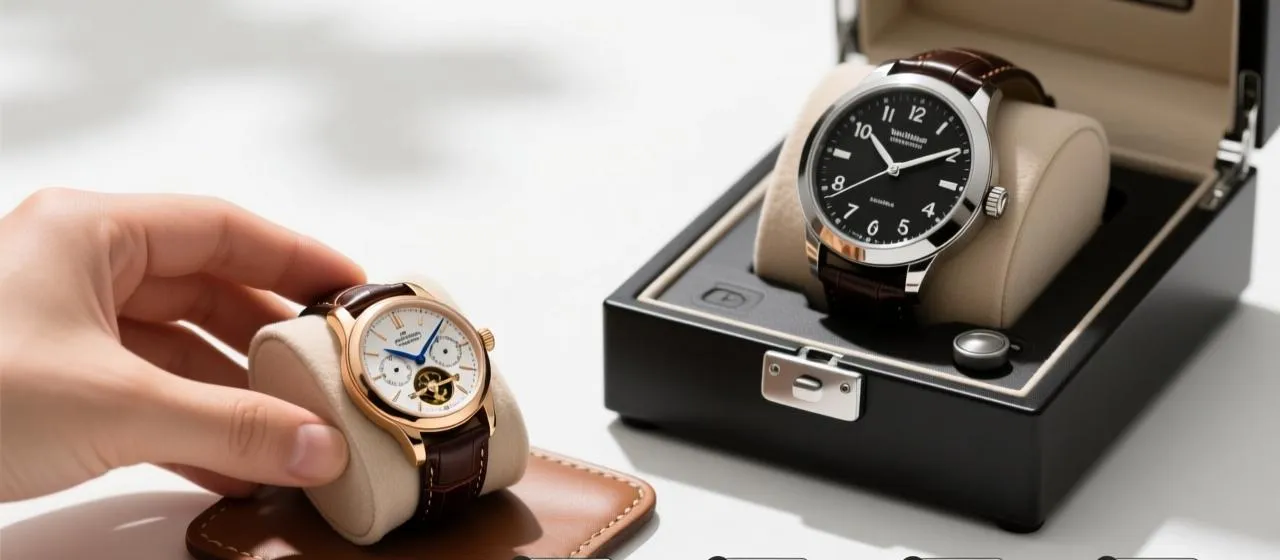
Use the right watch packaging: If you still have the original watch packaging, that’s your best bet for short-term storage. The original box is made to fit your watch like a glove, with soft insides that keep scratches away and dust out. No original box? No problem—a small padded watch pouch works just as well!
Pick a safe spot: Stick the watch in a dry, cool place—away from direct sunlight, moisture, and little kids or pets (they love to mess with shiny things!). Steer clear of spots with sudden temperature changes, like right next to windows or air conditioners.
Prep it before storing: Give the watch a gentle wipe with a soft cloth to get rid of sweat, oil, or dust—this stops rust and keeps the internal lubricants clean. You don’t need an auto watch winder for short-term storage; just wind it manually 20-30 turns before wearing it again to top up the power.
Long-term storage (weeks, months, or longer)
Storing your watch for a long time needs a tiny bit more attention to the environment and keeping the mechanics happy. The goal here is to protect those delicate internal parts and stop the lubricants from settling or drying out.
1. Control the environment: The base of long-term storage
Stable temperature and humidity are non-negotiable—no ifs, ands, or buts! Aim for a storage space where the temperature is between 15-25°C (59-77°F) and humidity is around 40-50%. Stay far away from damp spots like bathrooms, saunas, or basements—moisture can cause rust and wreck the lubricants. Toss some silica gel packets in the storage container to soak up extra moisture, and replace them every 3-6 months.
Keep the watch away from magnetic fields—they can mess up its accuracy big time! Common magnetic sources are speakers, phones, laptops, and fridge magnets. A sealed watch winder case or metal watch box can add extra protection against magnetism.
2. What do watch winders do? How they work and when to use them
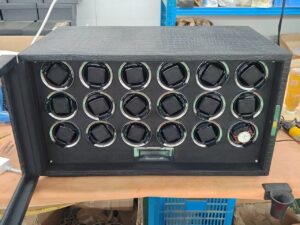
Lots of watch collectors wonder how watch winder work and if an auto watch winder is really necessary. Simply put, a watch winder for automatic watches copies your wrist’s natural movement, spinning the watch at set intervals to keep the mainspring wound. This keeps the watch running, which helps spread the lubricants evenly and stops them from settling—perfect for fancy watches with perpetual calendars, moonphases, or other complicated functions that are a total hassle to reset.
When picking a winder, go for a high-quality one like the Wolf watch winder. Wolf winders have patented tech that counts exact rotations per day (TPD) instead of guessing based on time, so they wind the watch just right without overworking the movement. They also have insulated, quiet motors that won’t magnetize the watch, and adjustable rotation directions (clockwise, counter-clockwise, or both) to match different watch movements. A watch winder case combines winding and storage in one—super convenient and protective!
Heads up: Watch winders aren’t a must-have for every automatic mechanical watch. If you only have one watch that you wear regularly, letting it stop during storage is totally okay. Winders are most useful for collectors with multiple watches or those with fancy, complicated timepieces.
3. Using watch packaging for long-term protection
Original watch packaging is made for long-term storage, with tough exteriors that block dust, light, and bumps. If you don’t use a watch winder case, storing your watch in its original box is a great alternative. For extra protection, wrap the watch in a soft cloth before putting it in the box to avoid scratches on the case or crystal.
Lost the original packaging? No worries—invest in a dedicated watch storage box with padded compartments. Look for boxes with scratch-proof insides (like velvet or microfiber) and airtight seals to keep humidity in check.
4. Quick check-ups during long-term storage
Even with the best storage setup, check on your automatic mechanical watch every 2-4 weeks. If you’re not using a watch winder, wind it manually 20-30 turns to get the lubricants moving. This simple step stops the oil from drying out and keeps the movement running smoothly when you’re ready to wear it again.
5. Storage tips for different watch strap materials
The strap is a big part of your automatic mechanical watch, and its material tells you how to store it—ignoring strap care can totally ruin how your watch looks and feels!
Leather straps: Keep them away from moisture and oil. Before storing, wipe off sweat and dirt with a dry cloth—don’t use water or chemical cleaners. If the strap is a bit damp, let it air-dry naturally in a cool place (never put it in direct sunlight or near a heater!). Store leather-strapped watches in a well-ventilated watch packaging or watch winder case to prevent mold. For long-term storage, it’s a good idea to take the leather strap off and store it separately in a soft pouch—this reduces pressure on the strap and the watch’s lugs.
Metal straps (stainless steel, gold, etc.): Focus on preventing scratches and rust. Clean the strap with a soft-bristled brush to get dirt out of the gaps, then wipe it dry. Don’t store multiple metal-strapped watches together—they’ll scratch each other up! Instead, use the padded compartments in watch packaging or a watch winder case to keep them separate. Keep them away from saltwater or harsh chemicals to avoid rust.
Rubber/silicone straps: Keep them away from high temperatures and oil. Heat can make the strap harden or warp, and oil can damage the material. Wipe the strap clean with a damp cloth before storing, then dry it thoroughly. Store it in a cool, dry place—don’t seal it in an airtight container for a long time, or it might start to smell funky.
Common mistakes to steer clear of
Overusing watch winders: Leaving your watch running on a winder 24/7 can cause a little extra wear over time. Only use winders when you need to—like for complicated watches or long-term storage of multiple pieces.
Ignoring watch packaging: Using the wrong storage containers (like plastic bags or unlined drawers) can scratch the watch or expose it to moisture and dust—total no-nos!
Storing in extreme conditions: Avoid direct sunlight (it fades dials and ruins leather straps), extreme heat or cold (it breaks down lubricants), and damp places (they cause rust). Keep it nice and cozy!
Forgetting to clean before storage: Sweat and dust can corrode the case and strap over time. Always give the watch a quick wipe before putting it away—super easy to do!
Final tips to keep your automatic mechanical watch in great shape
Regular professional servicing (every 3-7 years) is key to keeping your watch running well long-term—even if you store it most of the time. Servicing means taking the movement apart, cleaning the parts, and re-lubricating them, which keeps everything in top condition.
When you take the watch out of storage, check for any issues: if it’s not keeping time right, making weird noises, hard to set the time/date, or if there’s moisture under the crystal. Fix these problems right away to avoid expensive repairs—better safe than sorry!
To wrap it up, storing an automatic mechanical watch the right way just means picking a stable environment, using proper watch packaging or a watch winder case, and doing simple maintenance. Whether you use an auto watch winder like the Wolf watch winder or just wind it manually during storage, the goal is to keep the movement healthy and the watch ready to wear. Follow these tips, and your automatic timepiece will be a reliable, awesome companion for years to come.