Understanding Power Reserve in Automatic Watches
One of the first things to know about automatic watches is their power reserve — the duration your watch keeps running without being worn or wound. Most modern automatic watches have a power reserve between 40 and 80 hours, meaning they’ll continue ticking for about 1.5 to 3 days after you take them off.
| Typical Power Reserve | Duration |
|---|---|
| Entry-level models | Around 40 hours |
| Mid-range models | 50-60 hours |
| High-end models | Up to 80 hours |
So, what happens if your watch runs out of power and stops? Contrary to some concerns, letting your watch stop does not harm the movement. Thanks to modern synthetic lubricants used in automatic movements, occasional stopping won’t dry out oils or cause mechanical damage. In fact, allowing your watch to stop every now and then can be beneficial:
- Lubricants stay fresh: Continuous running may degrade oils faster.
- Mechanical parts rest: Periods without motion prevent unnecessary wear.
- Accurate time reset: Stopping allows you to reset and wind the watch properly before next use.
In short, stopping is natural and safe for modern automatic watches. Understanding this helps you manage your watch’s power reserve without worry, keeping it healthy for years to come.
Short-Term Storage (A Few Days to Weeks)
If you’re not wearing your automatic watch for a few days to a couple of weeks, storing it properly is simple. Just place the watch in a safe, dry spot—there’s no need for any special tools or watch winders during this short break.
For daily non-wear periods, it’s a good idea to manually wind your watch before putting it on again. This ensures the power reserve is topped up, and the lubricants inside the movement stay evenly distributed, helping to keep your watch running smoothly.
When storing your watch for these brief periods, lay it down with the crown facing down or rest it on a soft pillow. This position mimics the natural curve of your wrist and helps reduce unnecessary strain on the movement and crown stem.
For convenient short-term storage with proper cushion protection, consider watch rolls or dedicated cases like the Twing watch rolls that keep your timepiece safe from scratches and dust.
Long-Term Storage (Weeks to Months or Longer)
When storing your automatic watch for weeks or even months, controlling the environment is key. Keep the watch in a cool, dry place with a stable temperature—avoid leaving it in places exposed to extreme heat, cold, or humidity. This helps protect the delicate mechanical parts and synthetic lubricants inside from degrading over time.
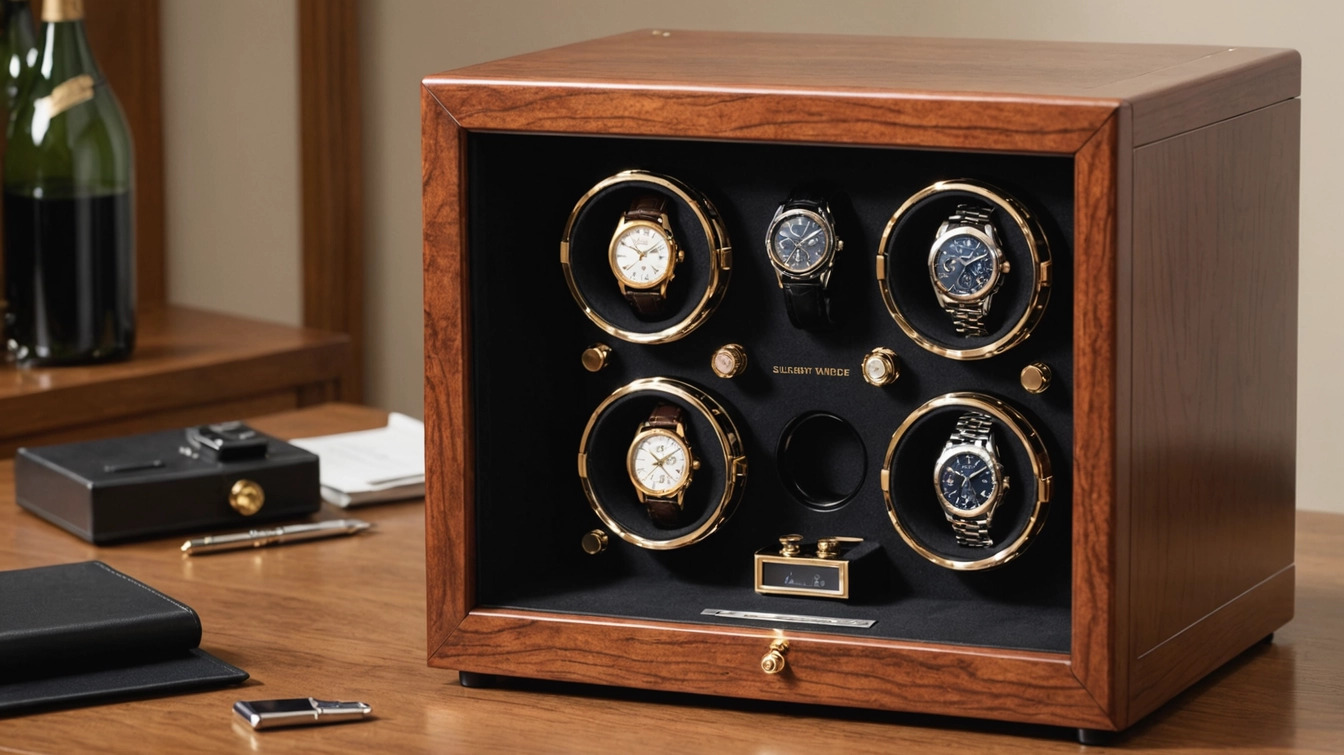
Make sure your watch is shielded from dust, moisture, direct sunlight, and magnetic fields, as all of these can cause damage or affect accuracy. For best protection, store your watch in its original box, a dedicated watch case, or a specialized solution like the Twing watch winder cases that offer both safety and convenience.
Even when not worn, it’s a good idea to manually wind your automatic watch every 2 to 4 weeks. This keeps the lubricants circulating smoothly inside the movement, preventing them from settling or drying out, which supports long-term health and performance.
By following these environmental and maintenance tips, your mechanical watch will stay in great shape, ready to wear whenever you want.
Watch Winders: Pros, Cons, and When They’re Worth It
Watch winders work by mimicking the natural wrist movement, keeping your automatic watch wound through programmable turns per day. This keeps the mainspring slightly tensioned, so your watch stays ready to wear without needing manual winding.
Advantages:
- Convenient for daily use, especially if you have several watches.
- Keeps complicated watches with perpetual calendars, moonphases, or other advanced functions running smoothly.
- Saves time resetting the date, day, or other calendar functions.
Disadvantages:
- Can cause minor additional wear on movement parts over time.
- Usually unnecessary for most single-watch owners who wear their watch regularly.
- Adds to electricity use and costs slightly.
Experts generally agree that watch winders aren’t essential for the health of modern automatic mechanical watches. Most modern movements handle stopping and starting fine without any harm to lubricants or mechanisms. Letting your watch stop occasionally won’t damage it, so using a winder is mainly about convenience.
If you do choose a watch winder, go for high-quality options from trusted brands like Twing watch winders or Wolf. These offer reliable, programmable settings and safe storage that benefits collectors with multiple automatic watches.
Best Practices for Safe Storage

Storing your automatic watch properly ensures it stays in top shape even when not worn. Here are some key tips for mechanical watch storage:
- Temperature and Humidity: Keep your watch at a stable room temperature, ideally between 15-25°C (59-77°F). Avoid damp environments and use silica gel packets to control humidity inside your storage case.
- Avoid Magnetism: Magnetic fields can affect your automatic watch’s accuracy. Store it away from speakers, mobile phones, laptops, and other electronics.
- Clean Before Storage: Wipe your watch gently with a soft cloth to remove sweat, oils, or dust. This prevents corrosion and keeps the lubricants inside running smoothly.
- Position and Protection: Place the watch on a padded cushion or soft pillow to maintain its shape and prevent scratches. Use anti-scratch materials inside storage boxes or watch rolls for added protection.
- Security Tips: For valuable automatic watches, consider storing them in a safe, locked drawer, or a secure watch case to avoid theft or accidental damage.
Using dedicated storage options like a high-quality double watch roll from Twing helps combine these practices into one convenient solution for collectors and everyday owners alike.
Common Mistakes to Avoid

When storing your automatic watch, avoid over-relying on watch winders unnecessarily. While handy, constant use can cause minor wear, and most modern automatic watches don’t need to be kept running all the time. Instead, use winders wisely—mainly for complex watches with perpetual calendar complications.
Be cautious about exposing your watch to extreme conditions. Avoid storing it where temperature or humidity swings drastically, and keep it away from direct sunlight, dust, moisture, and strong magnetic fields like speakers or phones. These factors can damage the lubricants inside the movement and cause timing issues over time.
Lastly, don’t forget periodic checks during long-term storage. Even if your watch is in a cool, dry place, winding it manually every few weeks keeps the lubricants circulated and prevents parts from drying out. Regular attention helps maintain smooth performance and avoids surprises when you finally wear it again. For safe keeping, consider using quality storage options like a dedicated watch case or PU leather watch stand to combine protection with easy access.
Maintenance and Servicing Tips
Even if you don’t wear your automatic watch often, regular professional servicing is key to keeping it in top shape. Most watchmakers recommend a full service every 3 to 7 years, regardless of how much you use the watch. This helps maintain the accuracy and longevity of the movement and ensures that the lubricants inside don’t dry out or become gummy.
When you take your watch out of long-term storage, be alert for signs it may need attention:
- Inconsistent timekeeping or sudden stops
- Unusual noises when winding or wearing
- Difficulty setting the time or date
- Moisture under the crystal or fogging
Addressing these issues early can save costly repairs later.
Using storage solutions like the durable and stylish Twing watch winder cases can also support your watch’s routine care. These cases mimic wrist movement to keep the lubricants circulating gently, reducing the risk of dry spots and helping preserve the mechanism between wearings.
In :
- Stick to professional servicing every 3-7 years
- Check your watch regularly after storage for any irregularities
- Use quality storage like Twing’s cases to complement your maintenance routine
This balanced approach ensures your automatic watch stays reliable and ready whenever you decide to wear it.