Wondering how to store an automatic watch when not wearing it? You’re not alone. Automatic watches are marvels of engineering that keep ticking powered by your wrist’s motion—but what happens when they’re off your wrist for days or weeks? Storing them improperly can lead to stopped movements, lubricant issues, or even damage over time. Whether you’re new to automatic watches or adding to a growing collection, understanding the best storage practices is key to preserving accuracy and longevity. In this guide, you’ll discover practical tips on automatic watch storage, debunk common myths, and find out when a watch winder makes sense. Ready to keep your prized timepieces in perfect shape? Let’s dive in.
Understanding Automatic Watch Storage Needs
When it comes to storing automatic watches, it’s essential to understand how they differ from quartz or manual-wind watches. Unlike quartz watches that run on batteries or manual watches you need to wind daily, automatics rely on the movement of your wrist to stay powered. This means their storage needs are a bit unique.
Power reserve explained: Automatic watches have a power reserve—a set period they keep running after you take them off. This can range from about 40 hours to several days, depending on the model. Once the power reserve runs out, the watch stops. Many people worry that letting an automatic watch stop damages the movement or the lubricants inside, but modern watches are designed to handle this well.
Myths vs. facts about lubricants: There’s a common myth that automatic watches should always keep running to avoid the lubricants inside drying out or clumping. The truth is, modern synthetic lubricants are much more stable and won’t dry out simply because the watch stops. In fact, constant running can cause more wear and tear than resting, as every movement causes friction. So, stopping your watch isn’t harmful and may actually reduce unnecessary wear.
By understanding these basics, you can store your automatic watch properly without worry, ensuring it stays in excellent condition whether you wear it daily or keep it in your collection.
Short-Term Storage (Days to Weeks)
When storing an automatic watch for a few days to a few weeks, it’s best to keep it dial up or resting on a soft pillow that mimics the natural curve of your wrist. This helps reduce strain on the movement during downtime. For basic protection, place your watch in its original box or a soft pouch to shield it from dust, scratches, and minor shocks.
To keep the lubricants inside evenly distributed and prevent them from settling, try to wind your watch manually every 1-2 weeks. This small effort prevents the oils from drying out and ensures smooth operation when you wear it again.
If you rotate watches often within a collection, make it a habit to give each watch some regular motion or manual winding. This keeps the automatic watch power reserve active and protects the movement’s health over time.
For quality storage solutions that suit short-term care, consider options like soft watch pouches or padded watch boxes that provide both security and accessibility. These help maintain your watch’s condition while not in use.
Long-Term Storage (Months or Longer)
When storing an automatic watch for several months or more, preparation is key to maintaining its health. First, fully wind the watch before storing it to ensure the lubricants inside remain evenly distributed and don’t dry out. Then, store your watch in a cool, dry, and dark place—extreme temperatures and high humidity can damage the movement and seals over time.
To further protect against moisture, place silica gel packets nearby to absorb any leftover dampness. Avoid storing your watch in places like bathrooms or basements where humidity tends to fluctuate.
It’s also important to check on your watch every few months: wind it and let it run for a short period to keep the movement active and prevent lubricant drying. This practice is part of proper automatic watch care and ensures your watch stays in good working order until you wear it again.
For a reliable long-term storage option, consider a quality watch storage box with padded compartments and protective features designed for mechanical watches. You can find excellent options like the Twing-pak watch storage box that combine protection with thoughtful design for your valuable timepieces.
Best Storage Solutions and Accessories
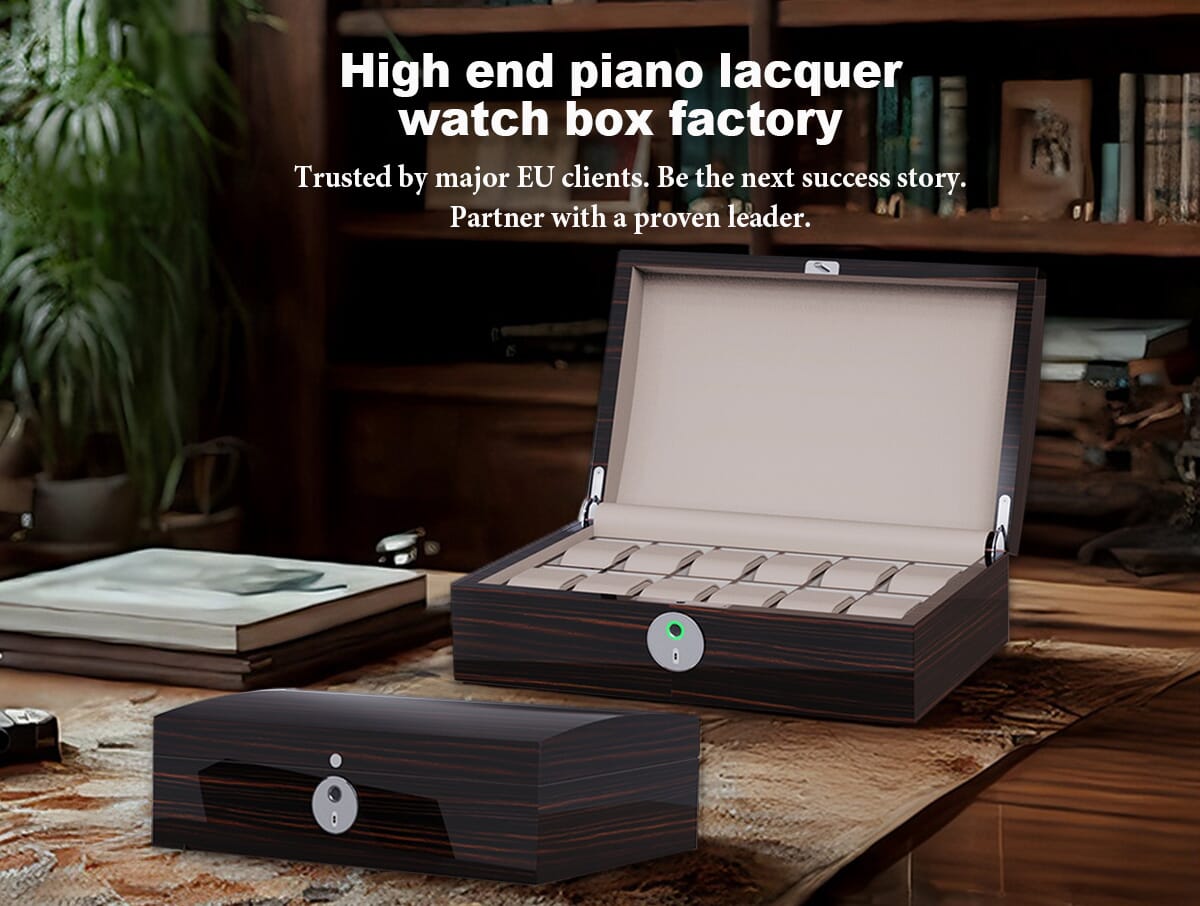
When it comes to automatic watch storage tips, choosing the right case or box is key to protecting your timepiece. Watch boxes and cases with padded, individual slots are ideal because they prevent scratches, dust, and accidental knocks. These cushioned compartments mimic a safe resting spot, keeping your watches snug and secure.
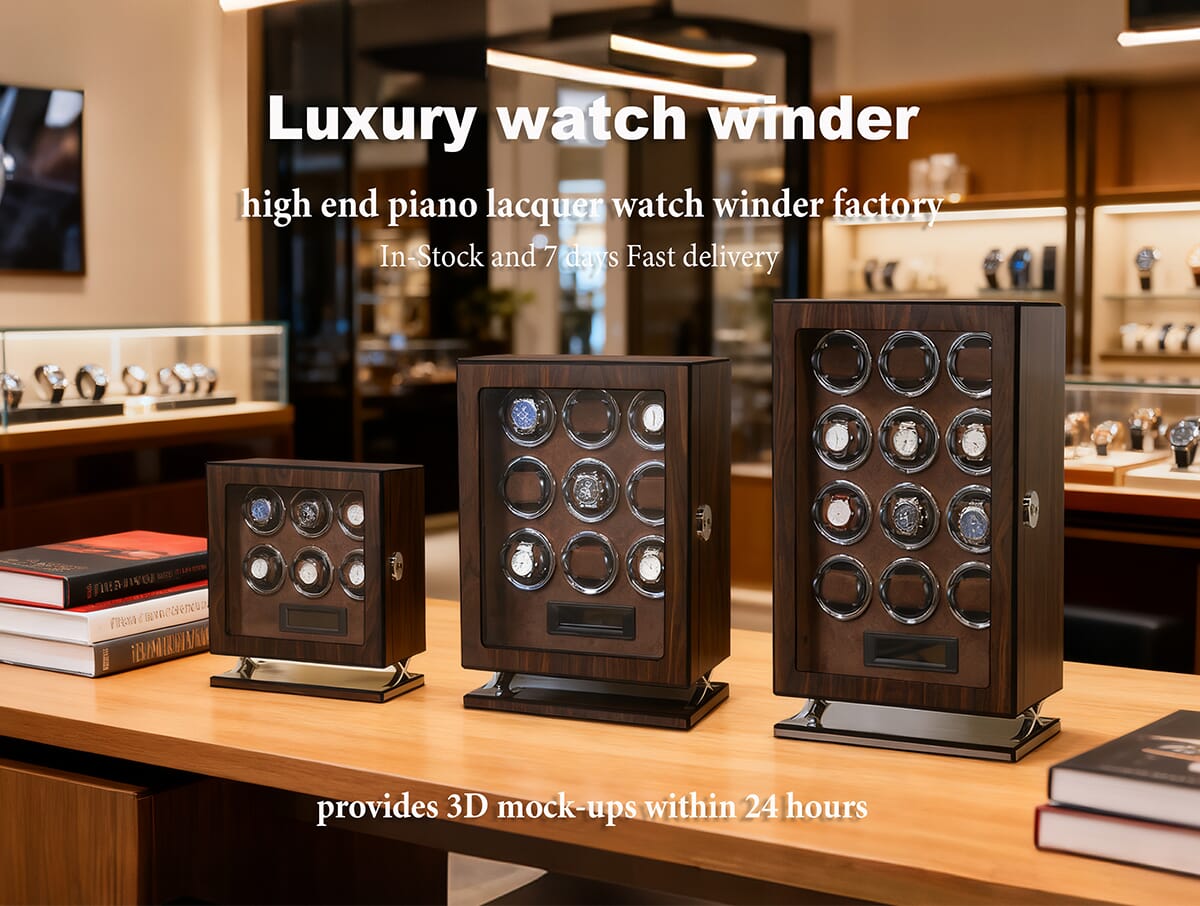
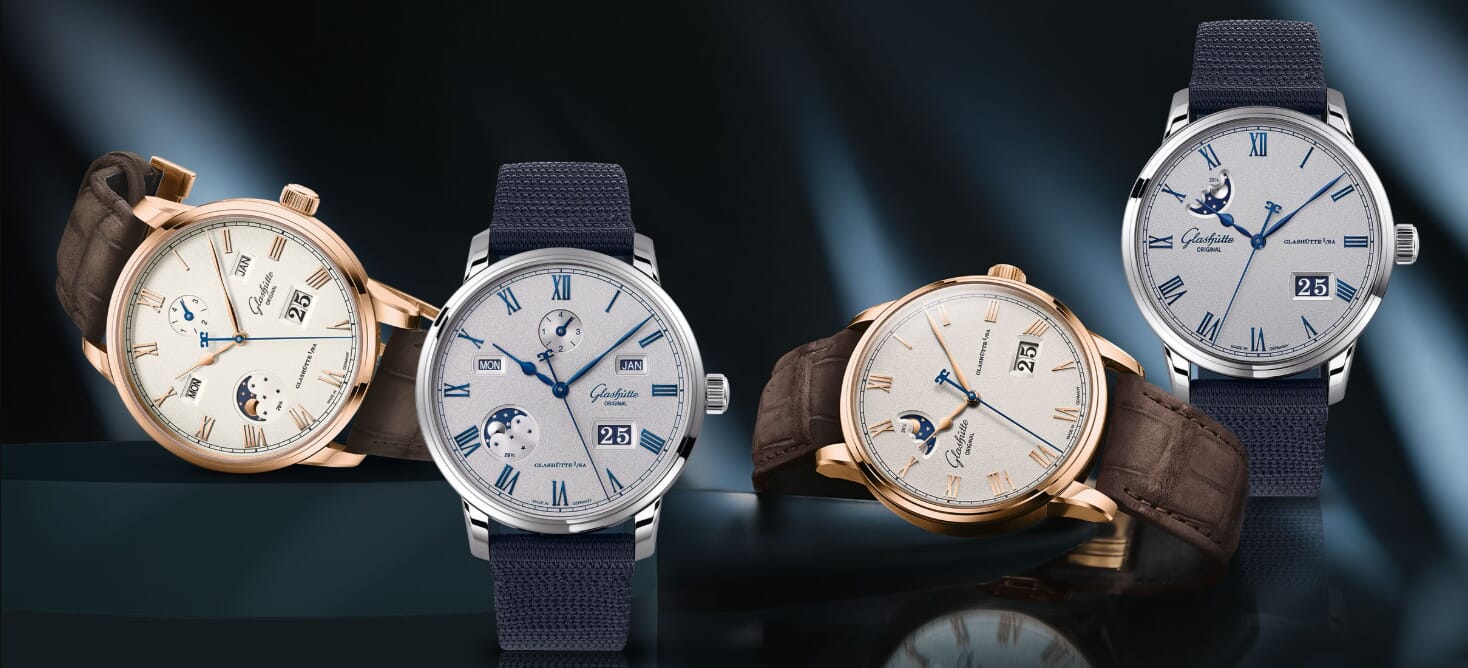
Watch winders are another popular accessory. They keep your automatic watch running, which means your time, date, and complications stay accurate without manual resetting. This is especially handy for watches with perpetual calendars or moon phases. However, note that winders can cause extra wear over time, so for basic models, letting the watch stop isn’t a big problem.
For those serious about quality storage, I recommend checking out the elegant and reliable options from Twing-pak. Their watch winding boxes and storage winders, such as the Twing-pak Watch Winder 8096 Litchi Peel or the sleek Twing-pak Watch Winder 8221 Black, offer refined protection with advanced functionality, perfect for any automatic watch collection.
If you need a travel-friendly option, watch rolls provide compact, soft storage that’s easy to carry. For valuables, consider a safe deposit box to safeguard your watches from theft or damage. Twing-pak also offers secure watch safes with multiple compartments to keep your collection safe when not worn.
Choosing the best watch box or winder depends on your collection size, watch type, and how often you wear them. With the right storage solutions, your automatic watches stay in excellent condition and ready to wear anytime.
Environmental Factors to Avoid
When storing your automatic watch, certain environmental factors can cause damage or accelerate wear, so it’s important to keep these in mind:
- Magnetic Fields: Avoid placing your watch near speakers, smartphones, or other electronic devices. Magnetic fields can interfere with the movement’s accuracy or even stop it, impacting your automatic watch’s timekeeping.
- Direct Sunlight: Prolonged exposure to sunlight can fade the dial and damage seals. It can also cause the watch to overheat, which may degrade lubricants inside the movement, shortening its lifespan.
- Dust, Moisture, and Shocks: These are common threats that make enclosed, padded storage essential. Dust can clog the mechanism, moisture may cause rust or weakening of seals, and shocks could damage delicate components. Using a quality watch storage box or case can protect your watch effectively.
- Temperature Extremes: Keep your watch in a cool, stable environment. Extreme heat or cold can harm the lubricants, cause condensation inside the case, and affect the tightness of seals, leading to potential water damage or reduced movement efficiency.
Controlling these factors is a key part of safe watch storage practices. If you want premium protection, consider using specialized watch boxes or winders like those from Twing-pak, designed to shield your automatic watch from these environmental risks.
Watch Winders: Necessary or Luxury?
Watch winders can be a great addition for some, but they’re not essential for every automatic watch owner. They’re especially useful if you have a large collection, or if your watches have complex features like perpetual calendars that require constant power to keep accurate. If you rarely wear a particular piece, a winder keeps it running, so you don’t have to reset the time and date every time you pick it up.
That said, many watches—especially modern movements—are designed to handle being stopped without damage. Skipping a winder can actually reduce minor wear caused by constant movement. For most collectors, letting the watch rest and manually winding it before use is perfectly fine.
If you do decide to get a watch winder, here are some tips to pick the right one:
- Look for adjustable turns per day (TPD) settings to match your watch’s needs
- Choose a bidirectional rotation option, which mimics natural wrist movement and protects the mechanism
- Prioritize quality construction for quiet and reliable operation
For a premium, reliable solution, I recommend checking out the Twing-pak watch storage winders. They offer elegant designs with advanced winding technology that keeps your automatics ready to wear without unnecessary wear and tear. Whether you’re managing multiple watches or just want to keep your favorite ready, Twing-pak blends style with function effectively.
Using a watch winder isn’t mandatory, but when chosen wisely, it can simplify automatic watch care and storage.

Maintenance Tips While Stored
Keeping your automatic watch in good shape during storage is simple but important. Before putting it away, always clean the case and bracelet with a soft cloth to remove sweat, dirt, and oils that can cause corrosion or dull the finish. Even if you’re not wearing the watch regularly, professional servicing every 3 to 7 years is recommended to keep the movement lubricated and running smoothly.
When you’re ready to wear a watch that has stopped, start by manually winding it to give the mainspring some power. After that, set the correct time and date. This helps avoid strain on the movement and ensures your automatic watch runs accurately once back on your wrist.
Following these automatic watch care steps during storage helps maintain performance and prolongs the life of your timepiece.